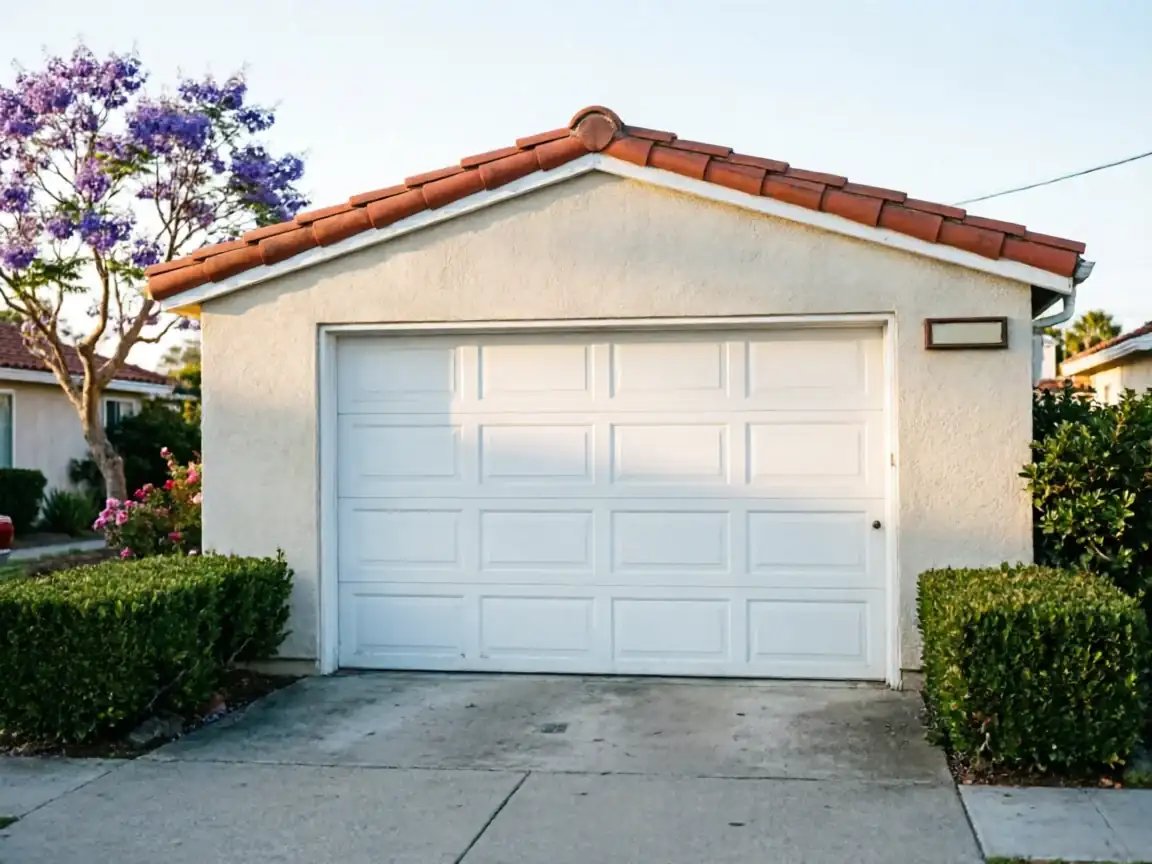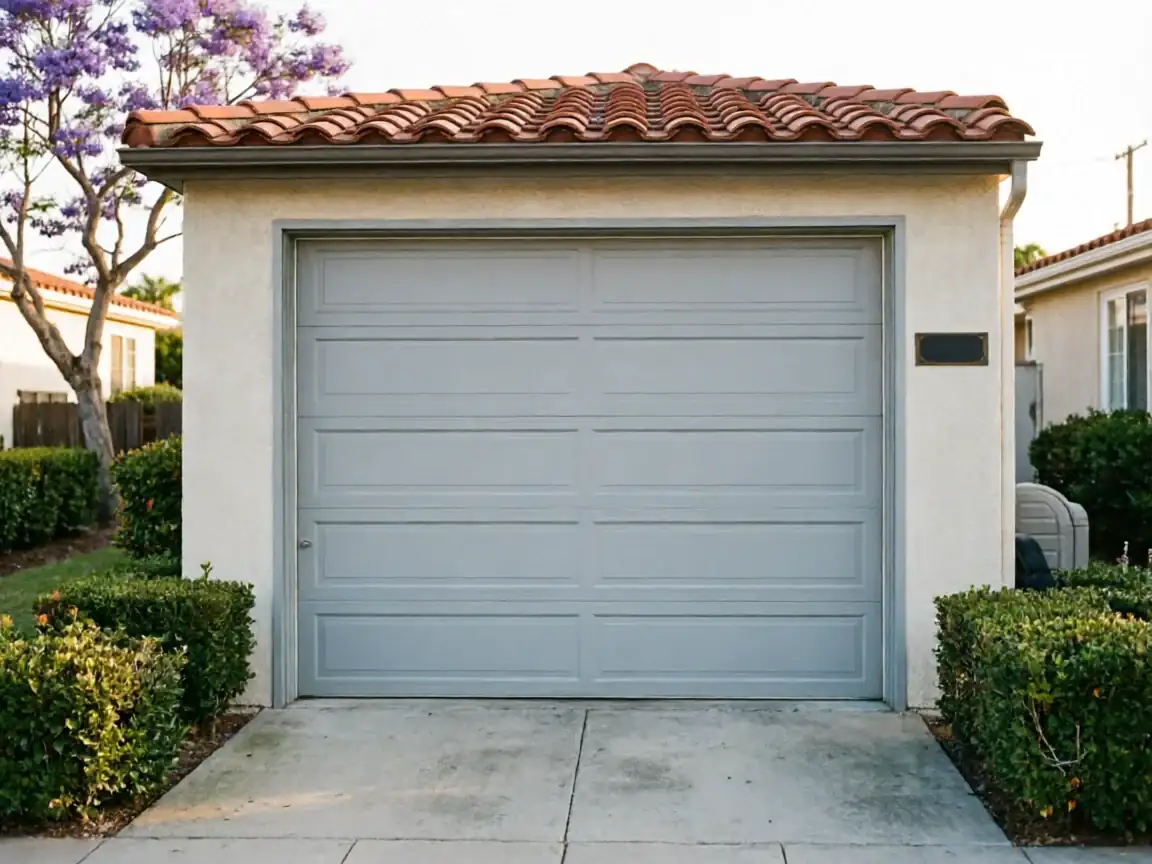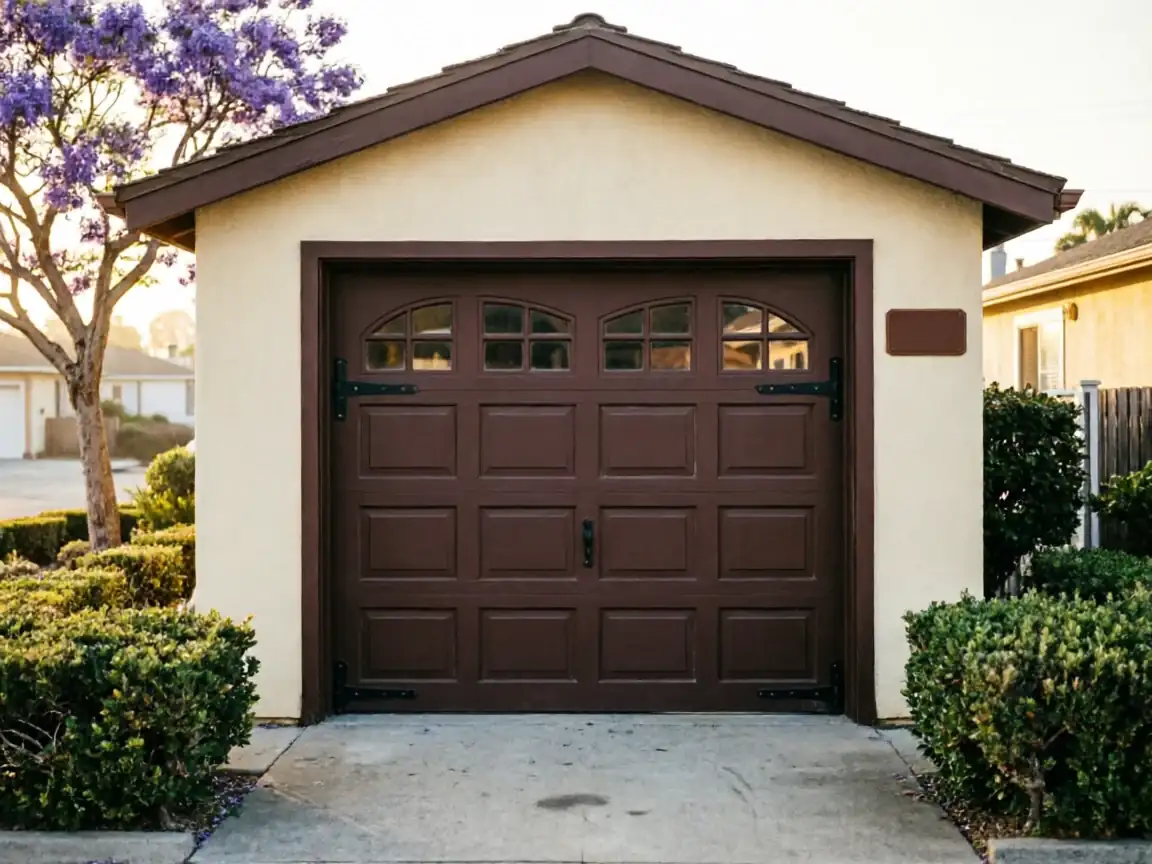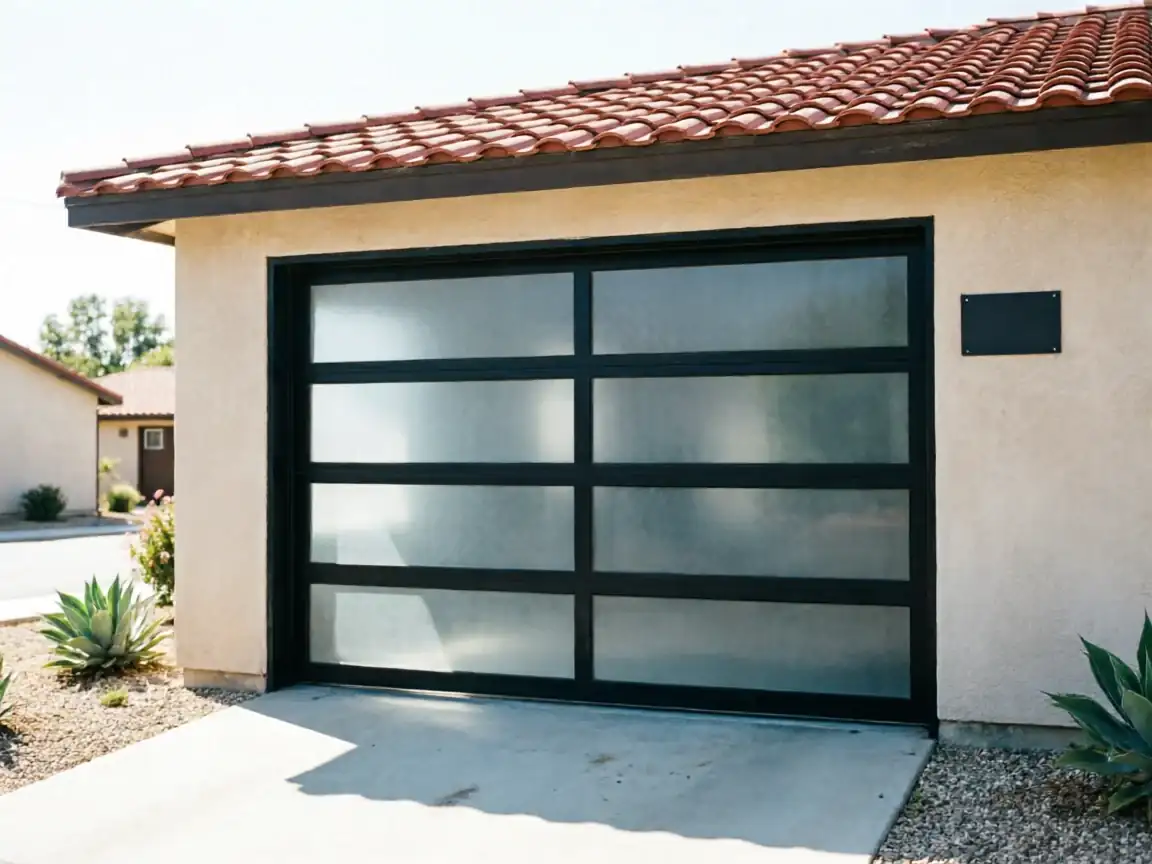
What That Means for Doors
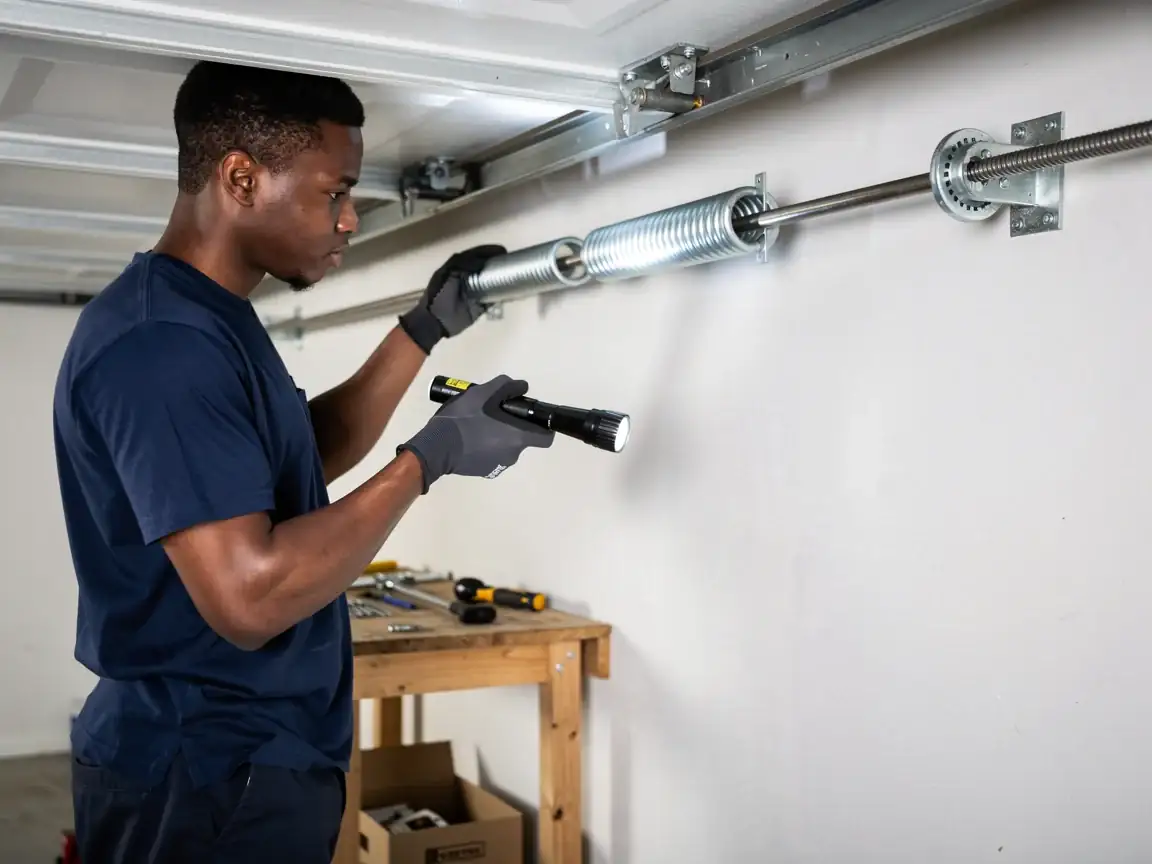
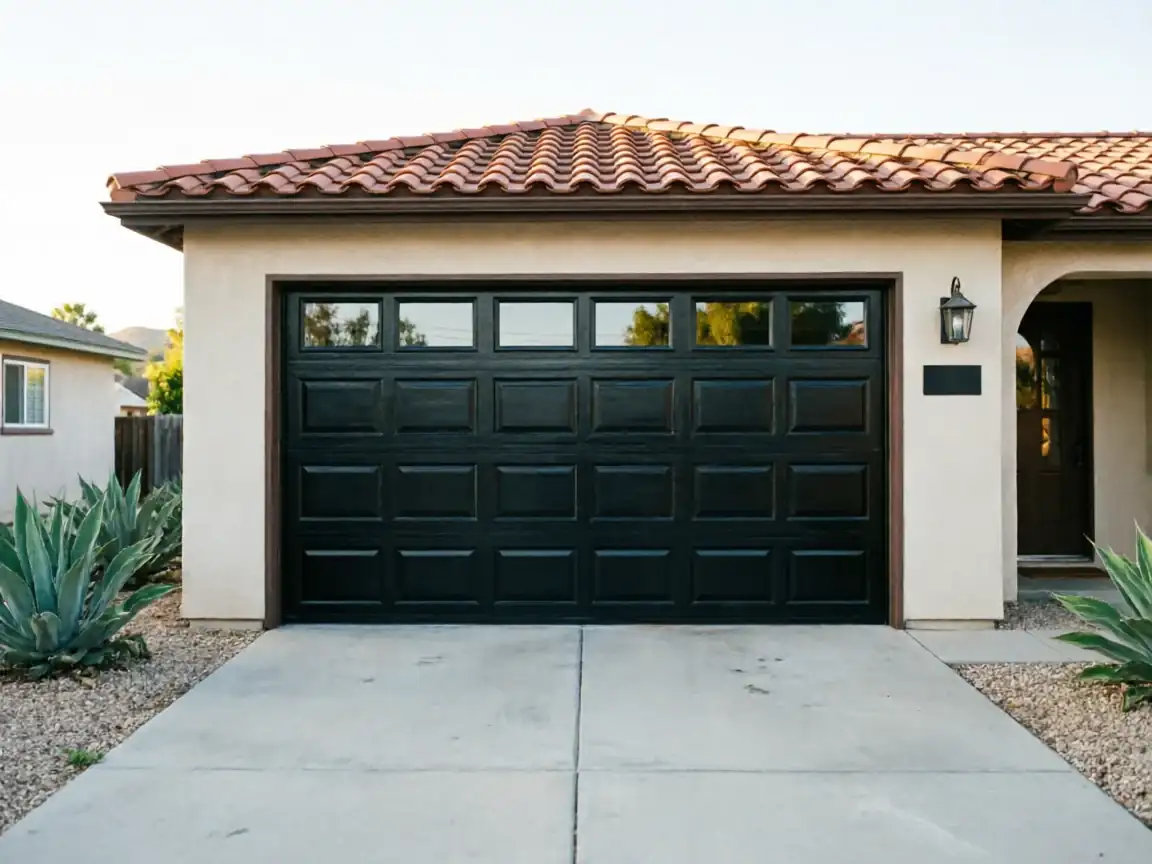
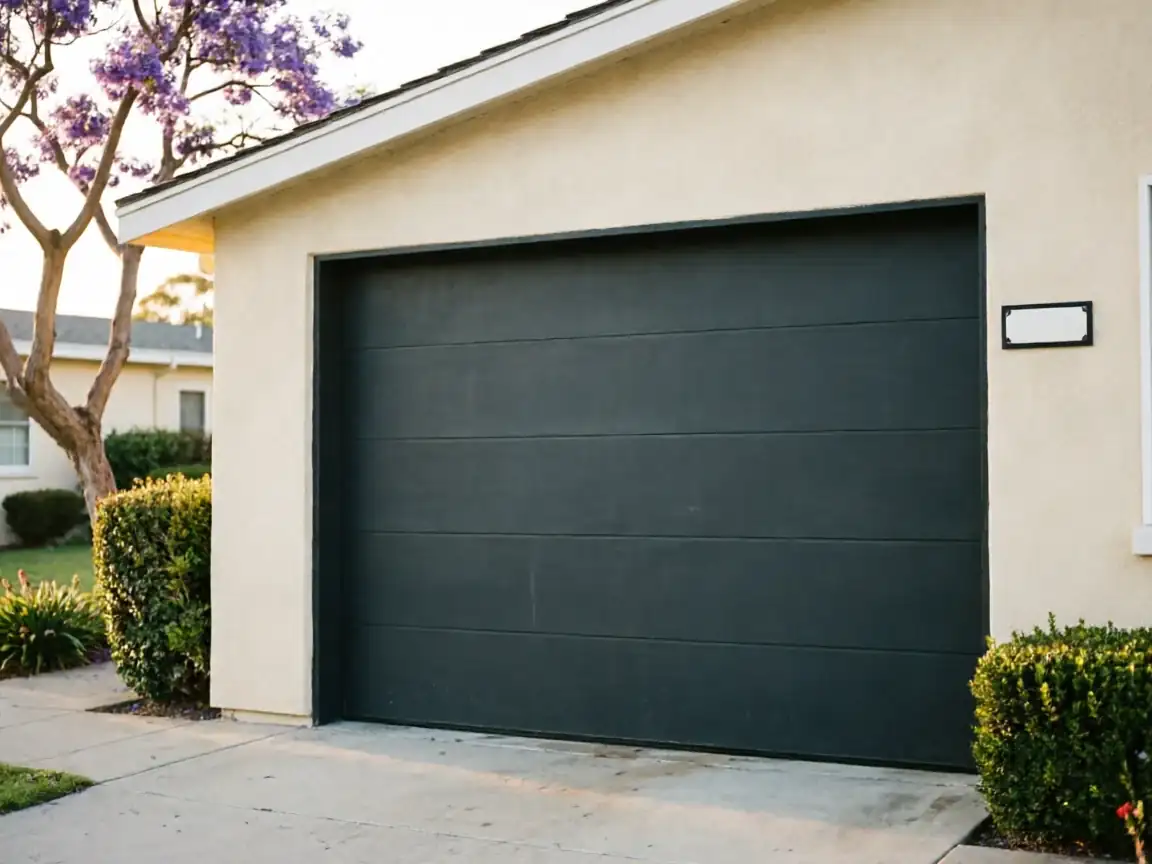
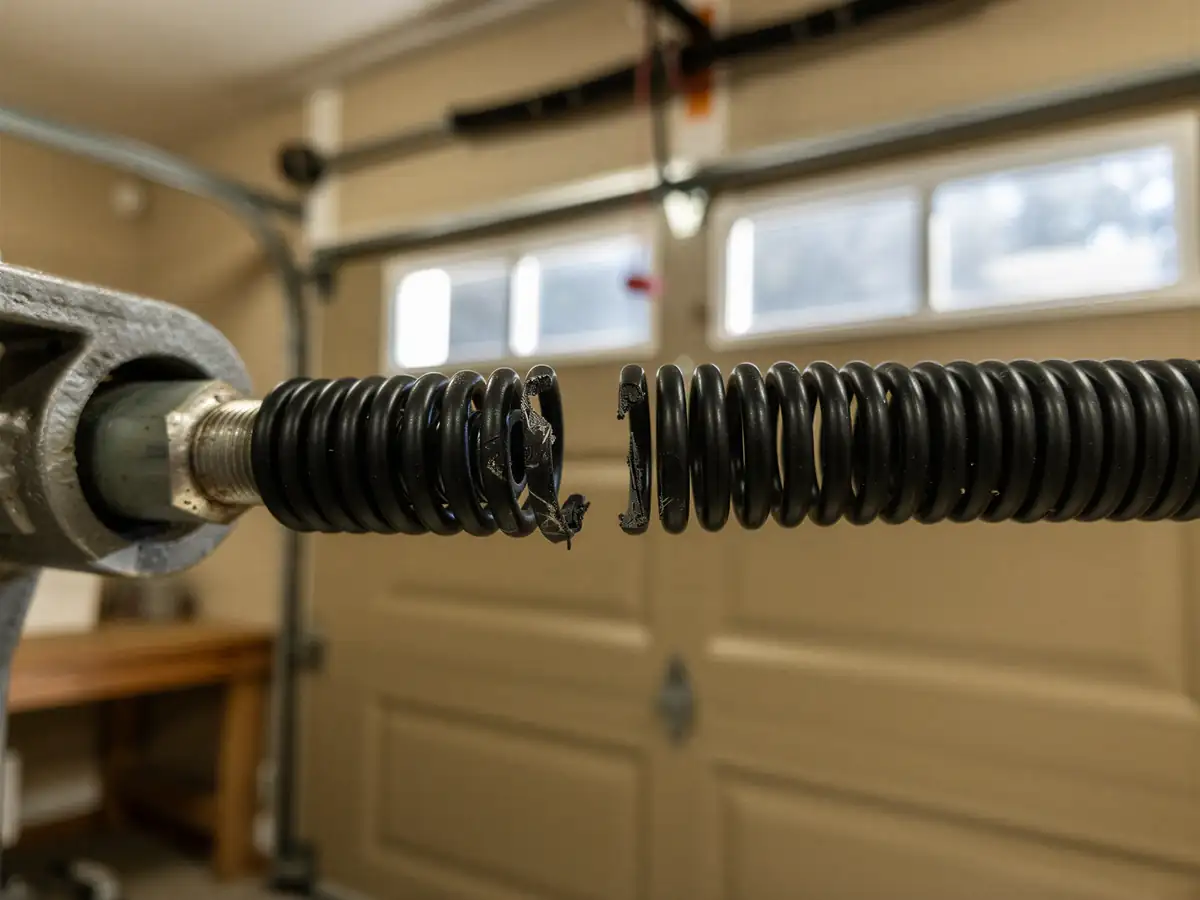
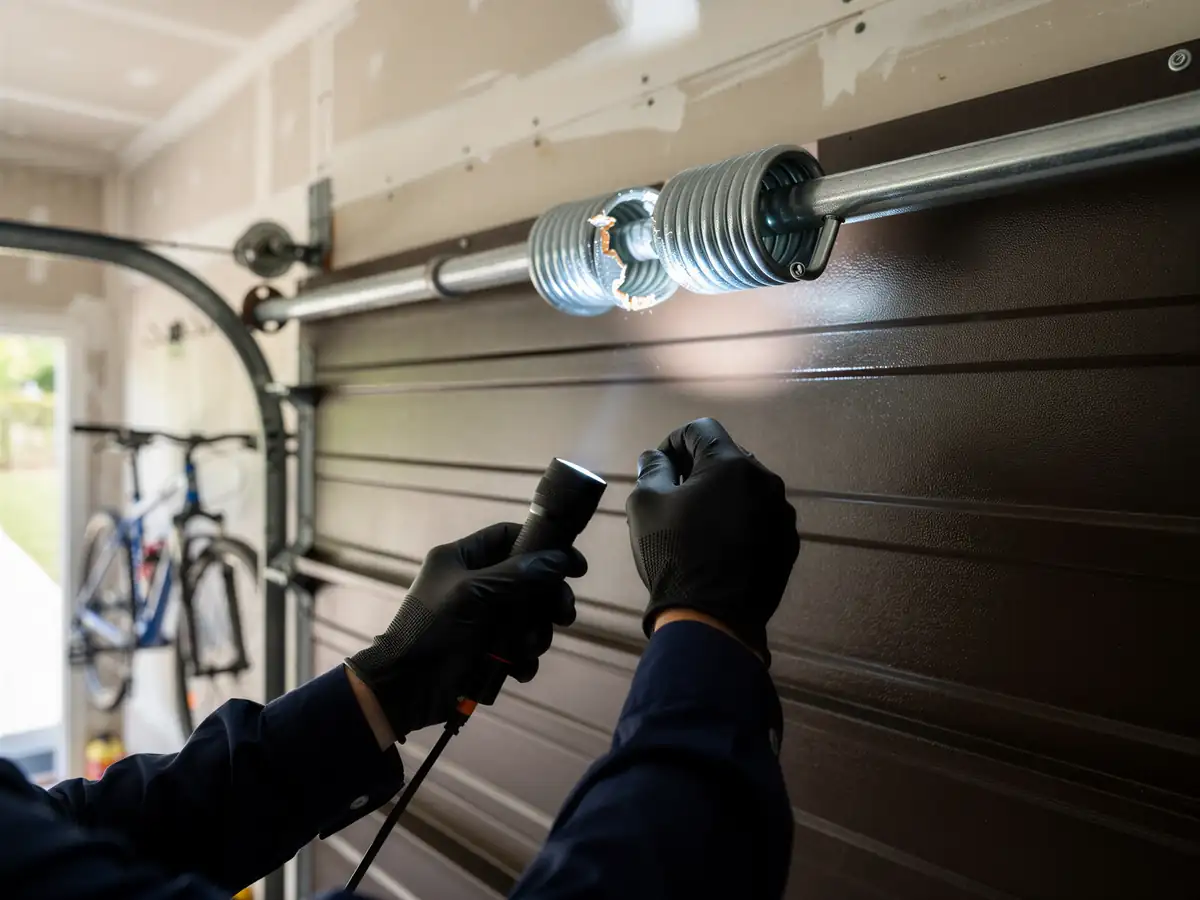
Gardena's housing stock centers on 1964, which puts most garages a full generation behind the newer stretches of the service area that lean 1970s and later. A door and track system installed in the mid-1960s was built for steel sections and hardware that nobody manufactures in the original spec anymore. That matters when a torsion spring snaps or a track bracket pulls loose from framing that's shifted over sixty years of settling.
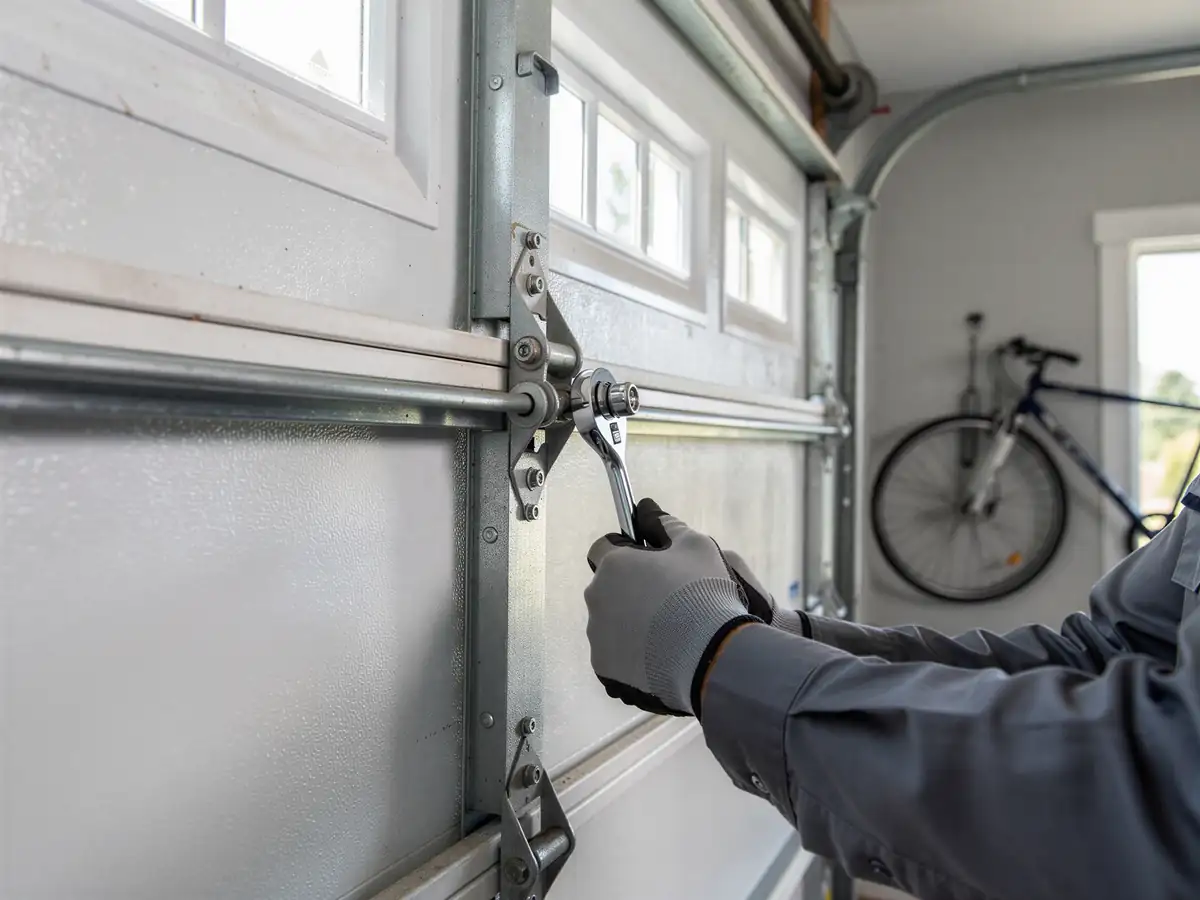
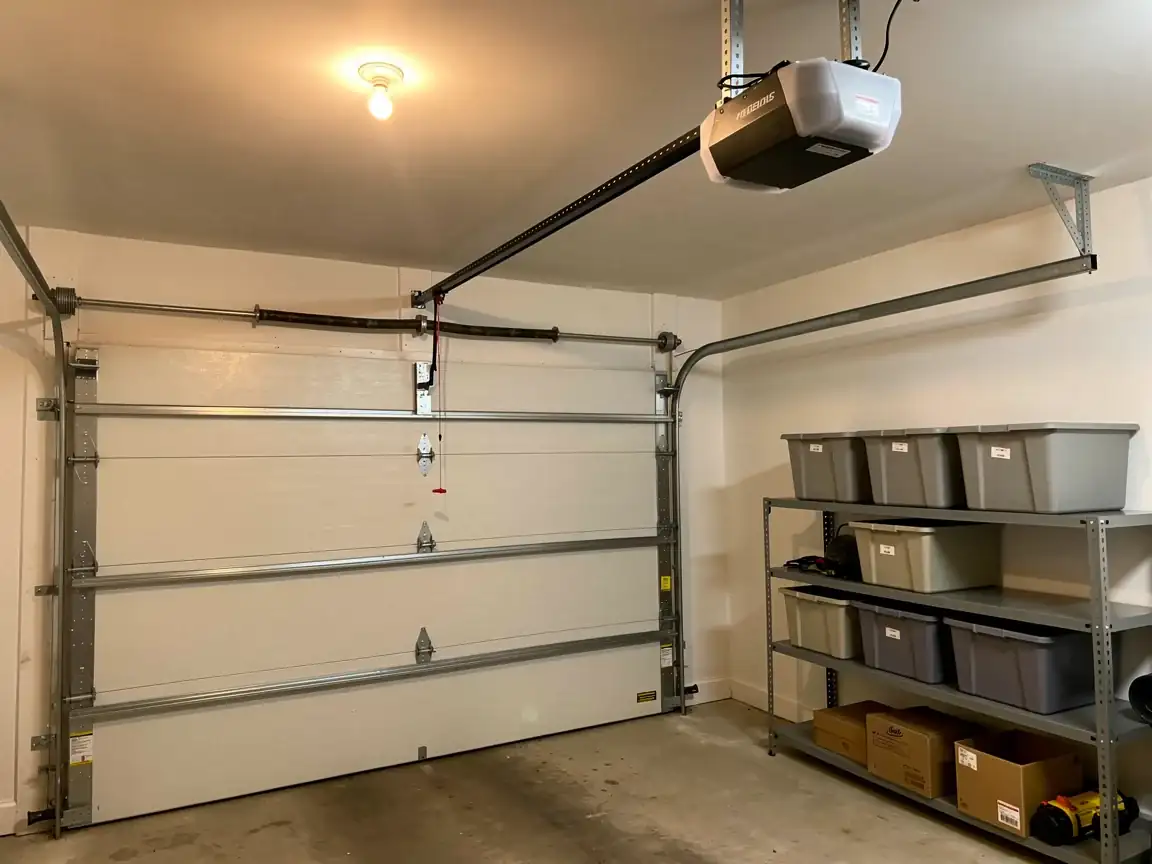
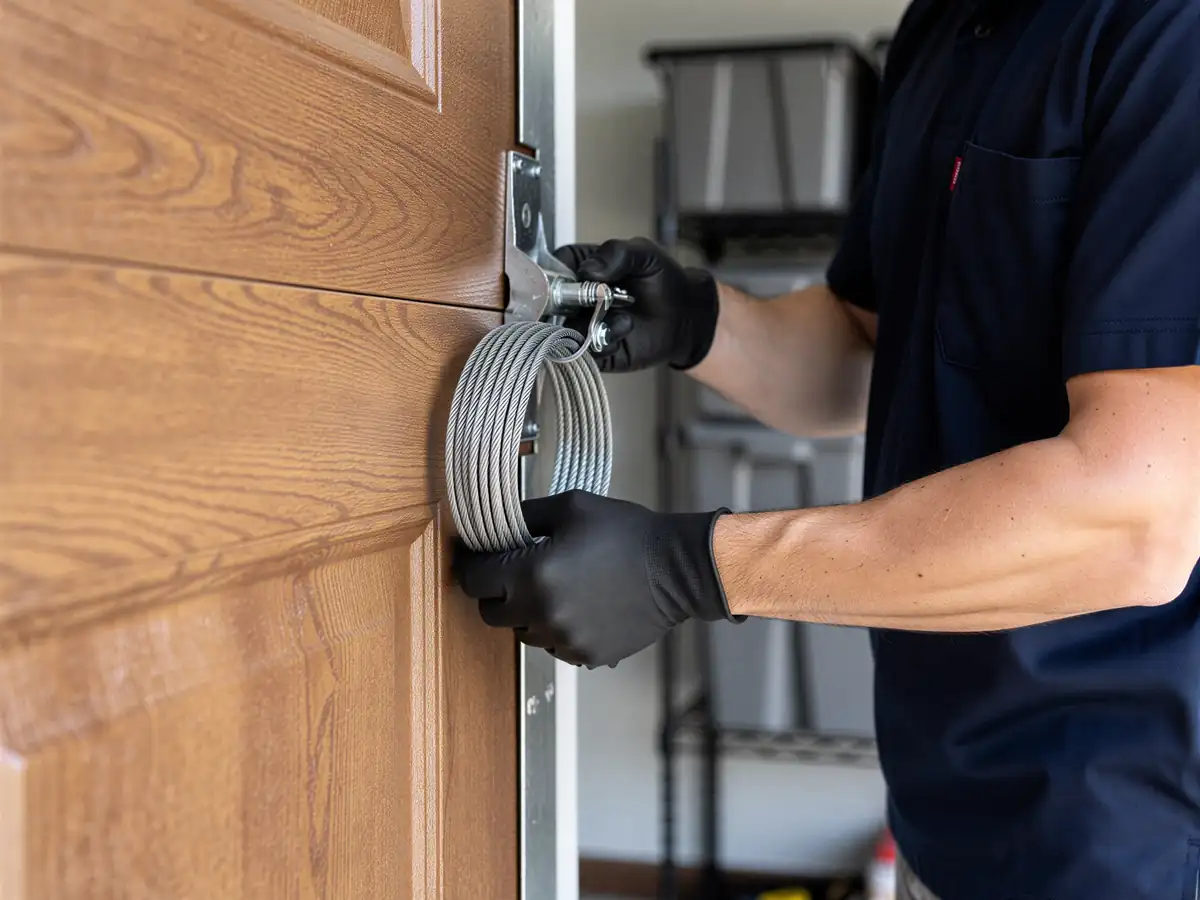
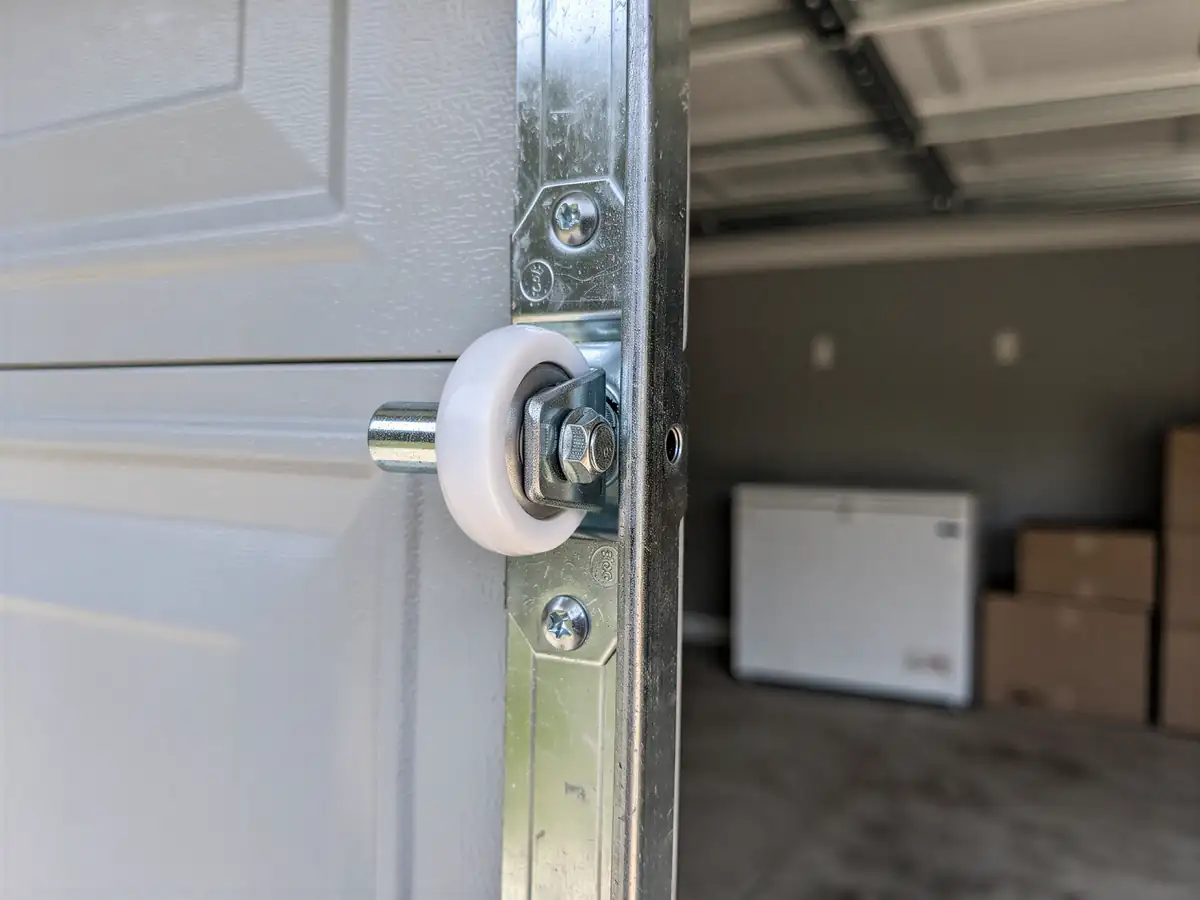
We see it most on the original single-car and narrow double garages that went up during that building wave: short-radius torsion springs sized for lighter doors, galvanized track that's pitted from decades of coastal air, and center-mount openers bolted to joists that were never meant to carry a modern chain-drive unit. None of this is exotic. It's just old, and the fixes are usually a spring swap, a track realignment, or a hinge and roller replacement rather than a full teardown.
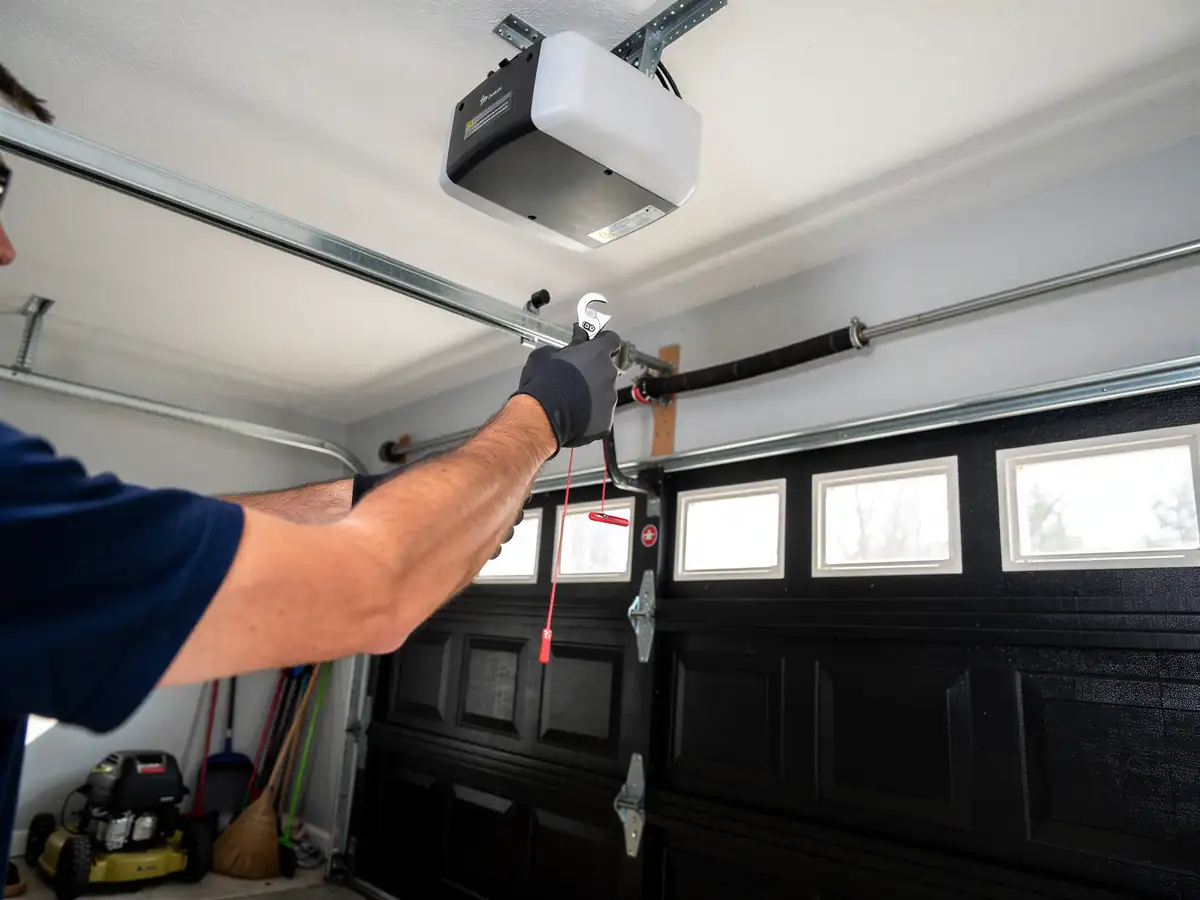
Newer doors on later-built infill lots nearby behave differently - lighter panels, extension springs instead of torsion, and plastic rollers that wear out faster but fail less dramatically. Knowing which era you're looking at before we show up saves a diagnostic trip.
The Houses Here
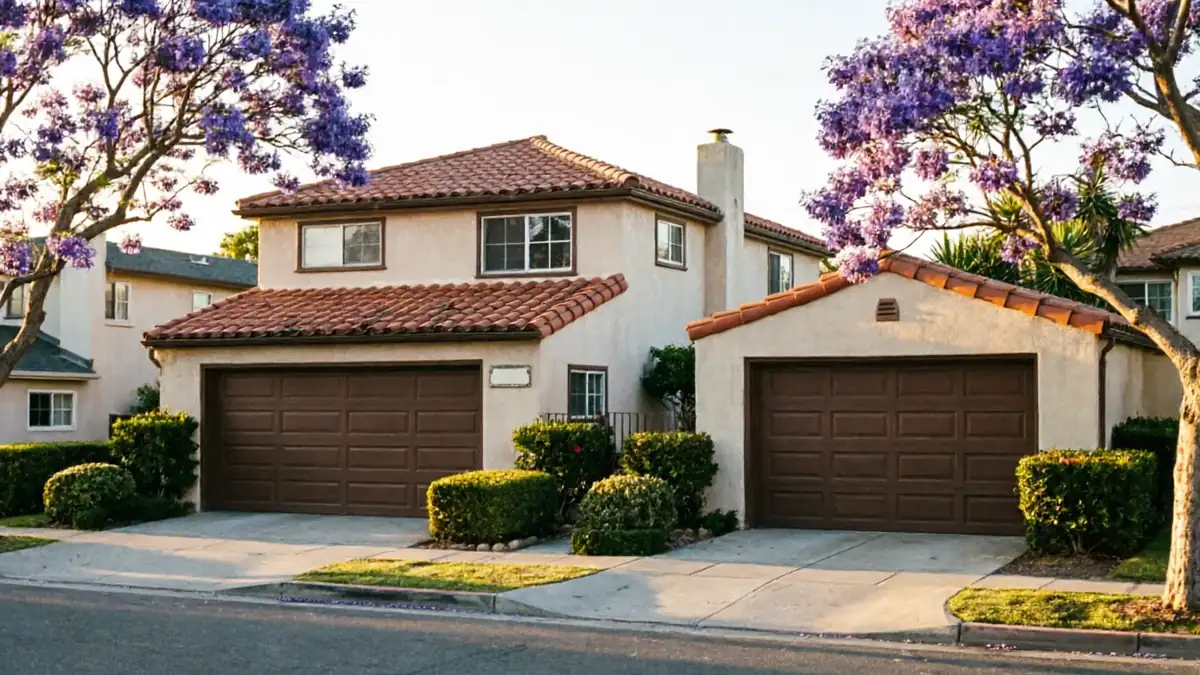
Gardena has roughly 20,893 households, most sitting in homes built close to that 1964 median
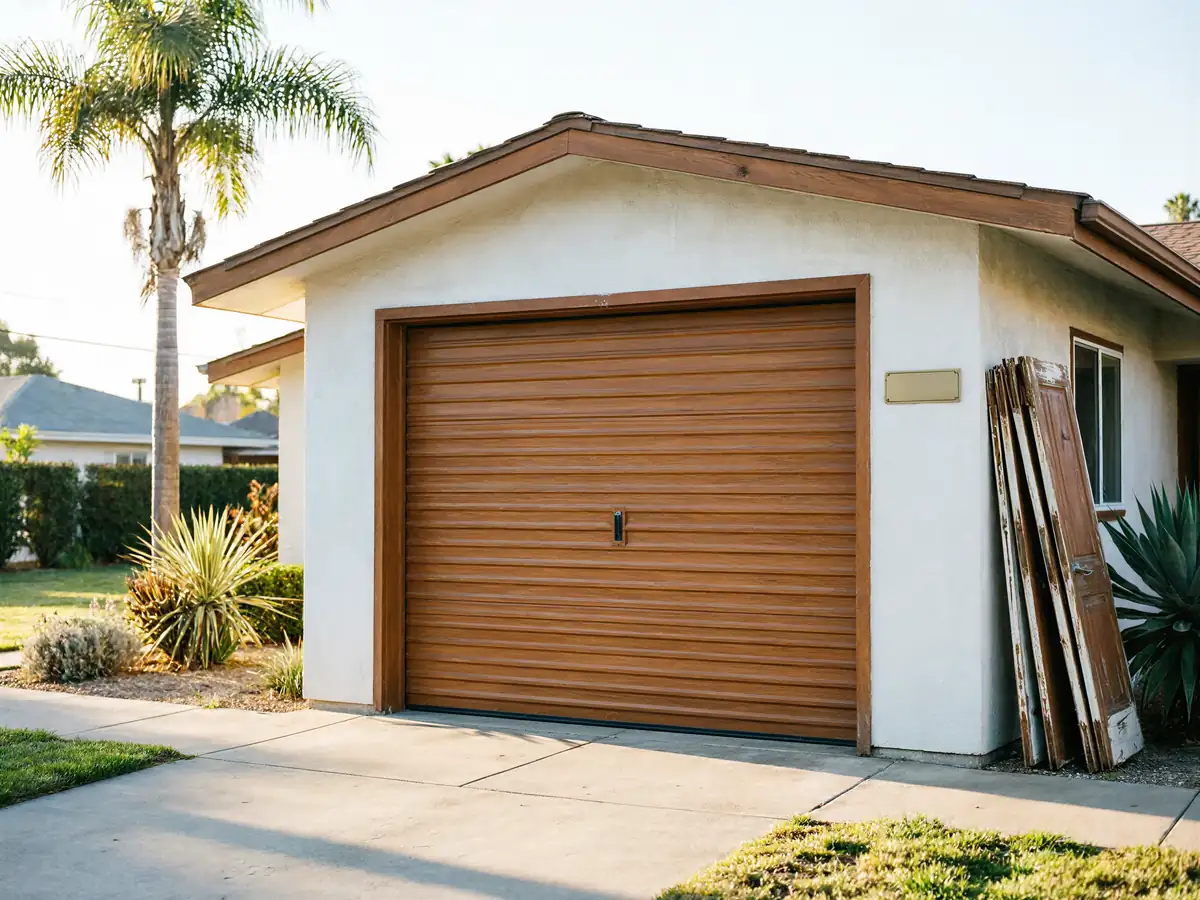
That's an older build year than much of the broader service area, where the stock skews more toward the late 1960s and 1970s across the 41 named communities we cover. The practical result: more original wood jamb garages, more steel doors with factory paint long since chalked out by sun, and more torsion springs that have outlived their rated cycle count.
- 20,893 households
Median household income here runs about $79,291
Noticeably below the $92,920 median across the wider area. That gap shows up in what people choose to do with an aging door - more patch repairs, fewer full replacements, more requests to keep a 1960s steel door running another decade rather than swap it for an insulated model. Both are reasonable calls depending on the door's actual condition, not just its age.
The mild temperate climate across the region means we're not fighting frozen tracks or ice-jammed cables here
What we are fighting is UV and salt-tinged air breaking down lubrication and finish faster than a dry inland garage would see, which is its own kind of wear.
How Soon We Can Come Out
We run out of Redondo Beach, about 6 miles from Gardena, so there's no local depot here and no crew already parked nearby. What we can tell you is that it's a short, predictable drive on a surface-street route, not a cross-county haul, which keeps scheduling straightforward on most days.
We don't promise a same-day window on every call, and we won't pretend otherwise - a stuck truck on a job that runs long, or a part that has to come from a supplier, can push a visit. What we do is call ahead with a realistic time rather than guess and leave you waiting. If your spring has snapped and the door won't move at all, say so when you call; that gets triaged differently than a noisy opener that still works.
The Drive Over
The 6-mile run from Redondo Beach to Gardena is a straight shot inland, away from the immediate coast strip. It's a route we know well enough that it rarely surprises us with traffic that changes the math significantly.
Because Gardena sits at the same rough distance as several other communities we reach - places like Lomita, West Carson, and Rolling Hills Estates - a truck already out this direction can sometimes work Gardena into the same run, which helps keep scheduling flexible rather than locking a single job to a single trip. We're not based here and don't claim to be, but the distance is short enough that it doesn't change how we handle the job once we're in your driveway.