What Changes With the Season
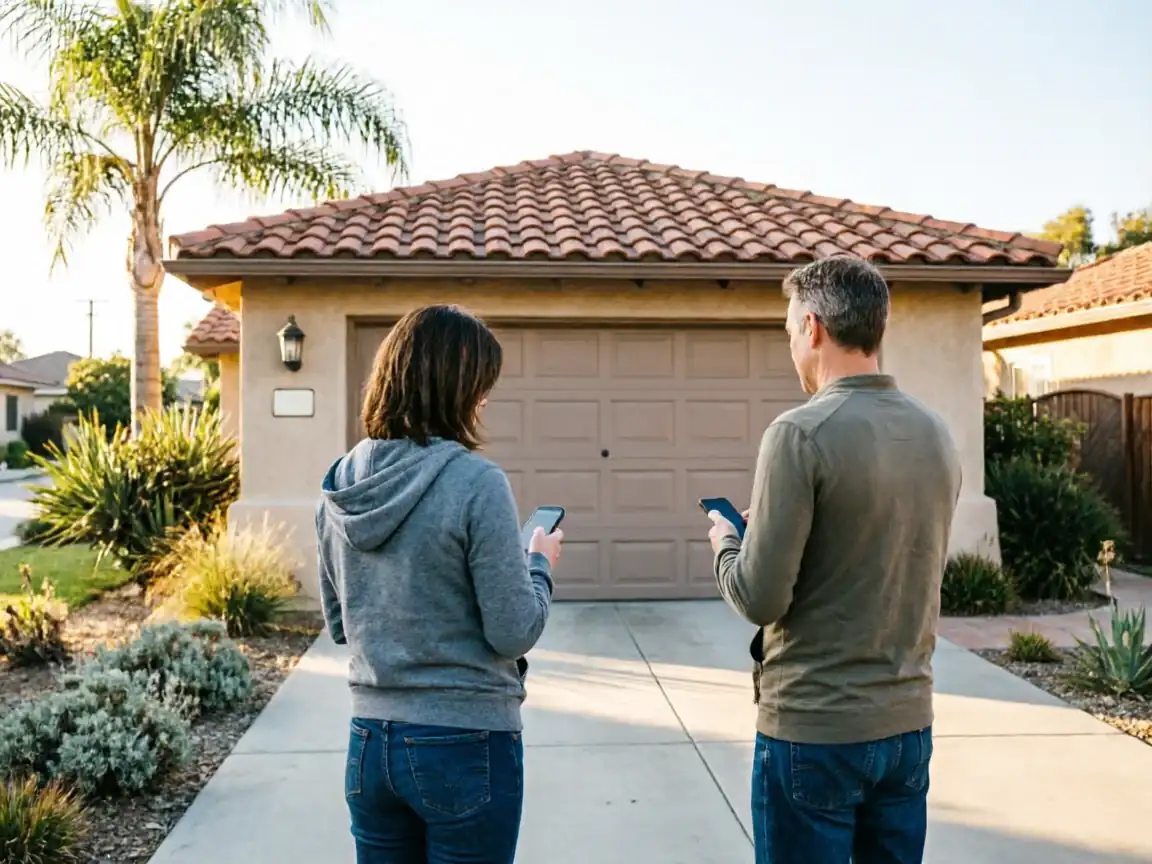
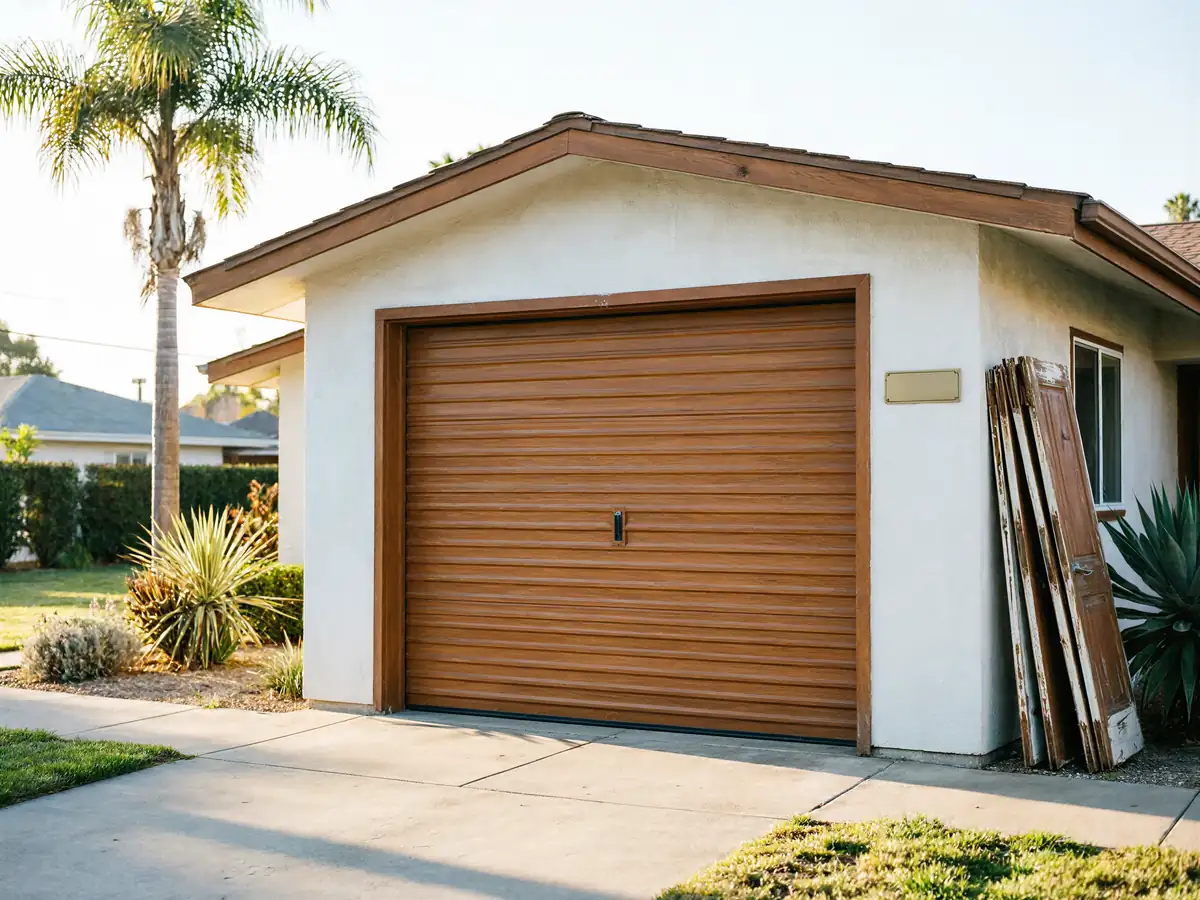
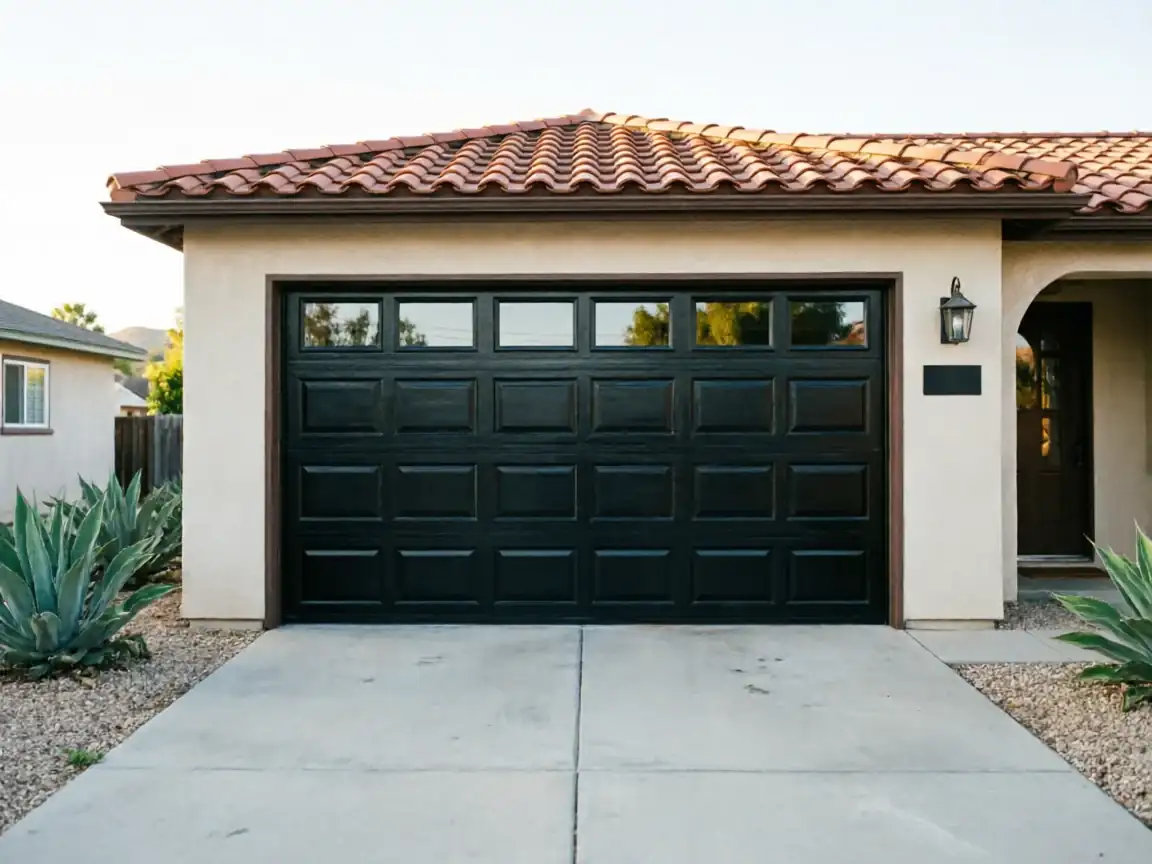
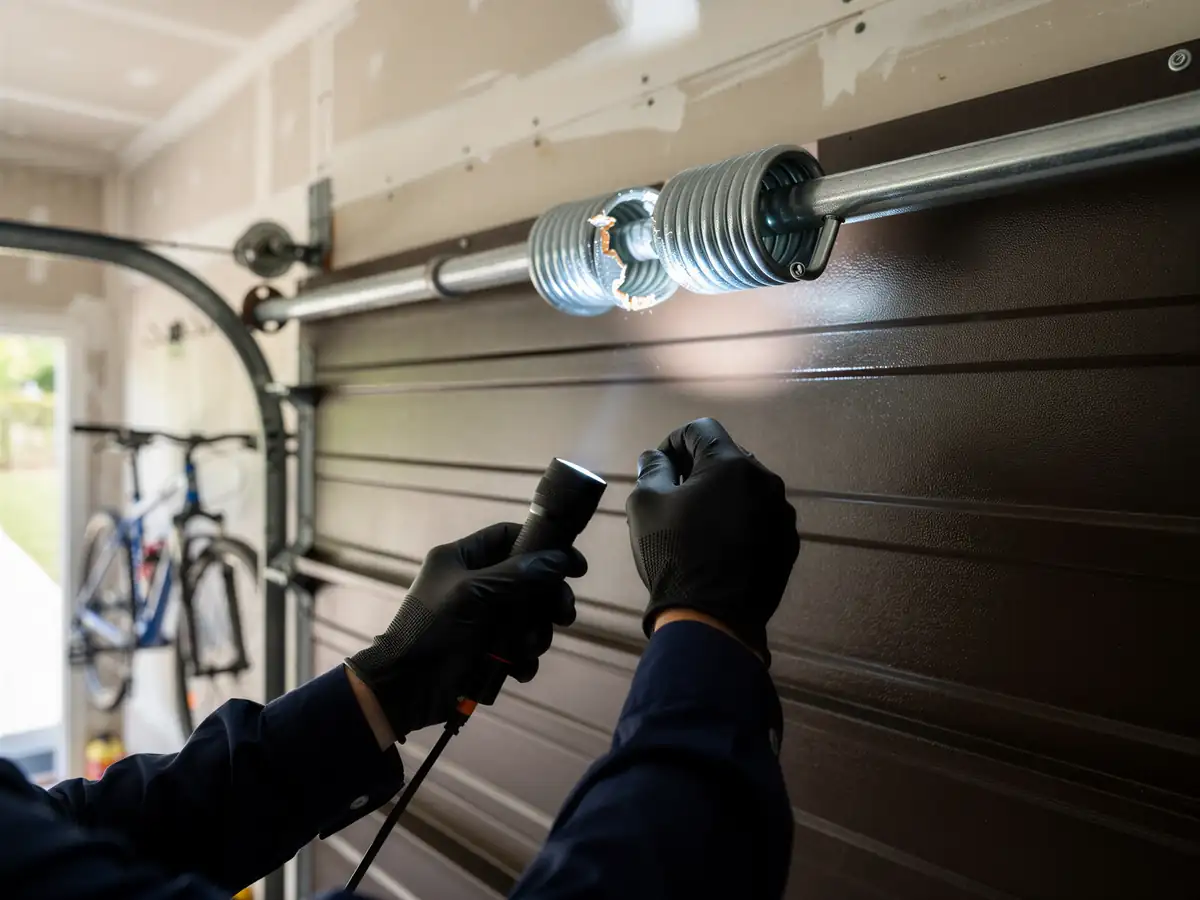
Redondo Beach sits in a mild temperate band, so a technician isn't chasing the frost heave or summer concrete cracking that drives service calls in harsher climates. That's the honest limitation up front: we don't see the seasonal swings that force annual spring re-tensioning in other parts of the country. What we do see is steady, year-round wear on hardware that's simply old. A torsion spring on a house built in 1963 has been cycling the same door, through the same mild weather, for six decades of county humidity and marine air moving in off the coast. There's no dramatic failure point tied to a cold front - the spring just loses tension slowly until one morning the door won't lift past waist height. So the first thing checked isn't a weather-related symptom. It's the spring's age relative to the house. If the door and springs match a build date anywhere near 1963 and haven't been swapped, that's the starting point for the whole inspection, not a side note.
What Is Going On
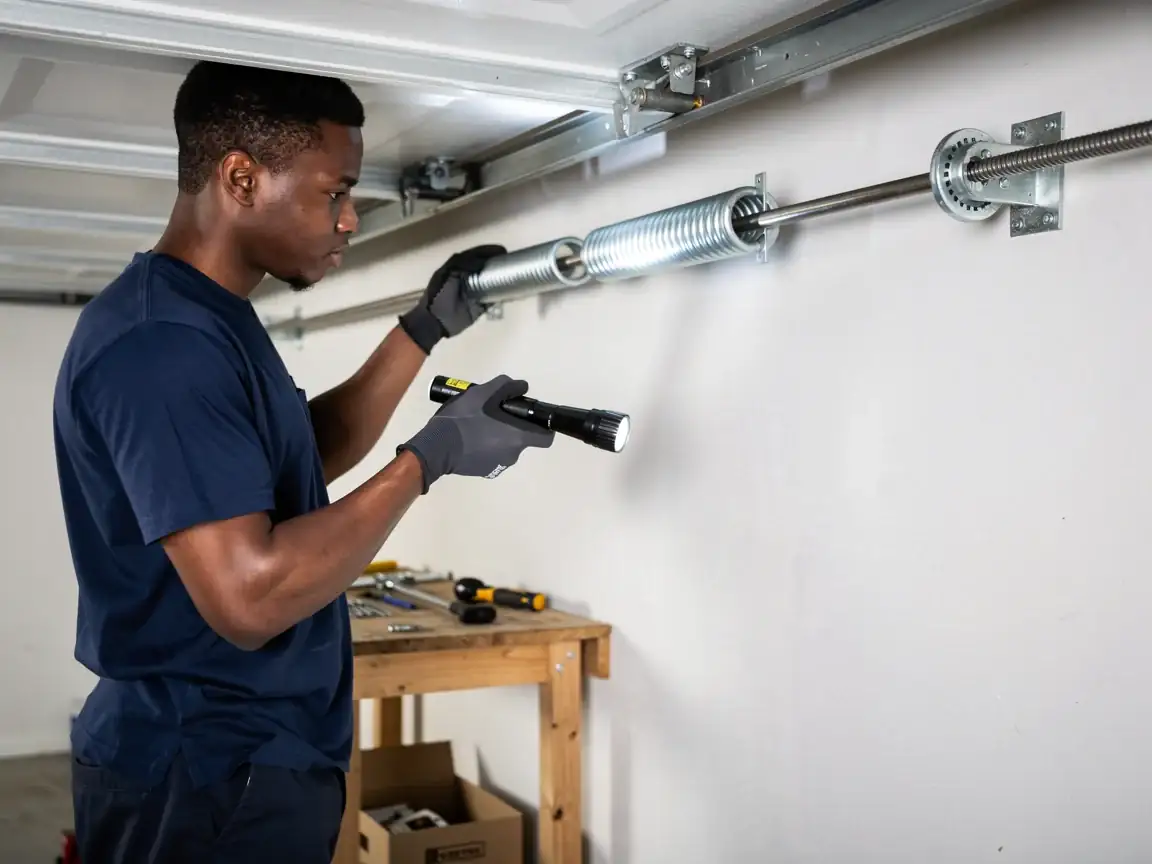
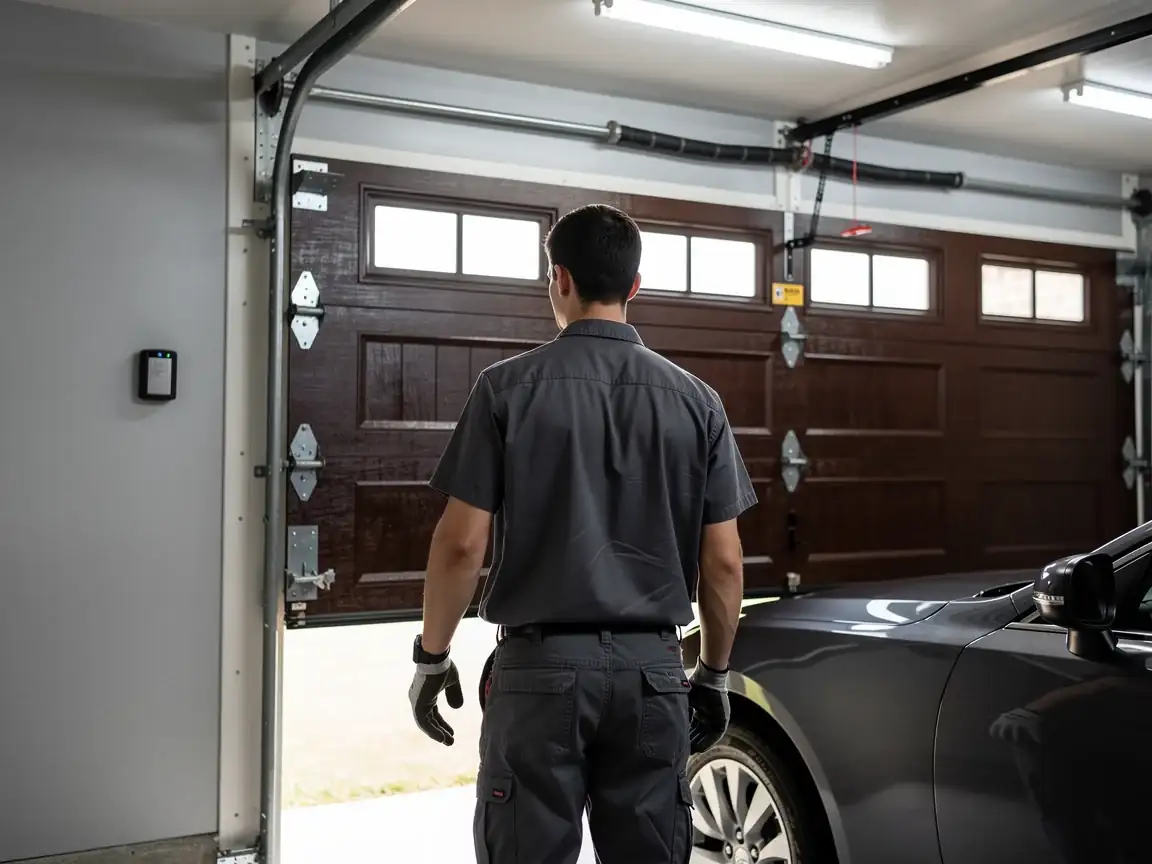
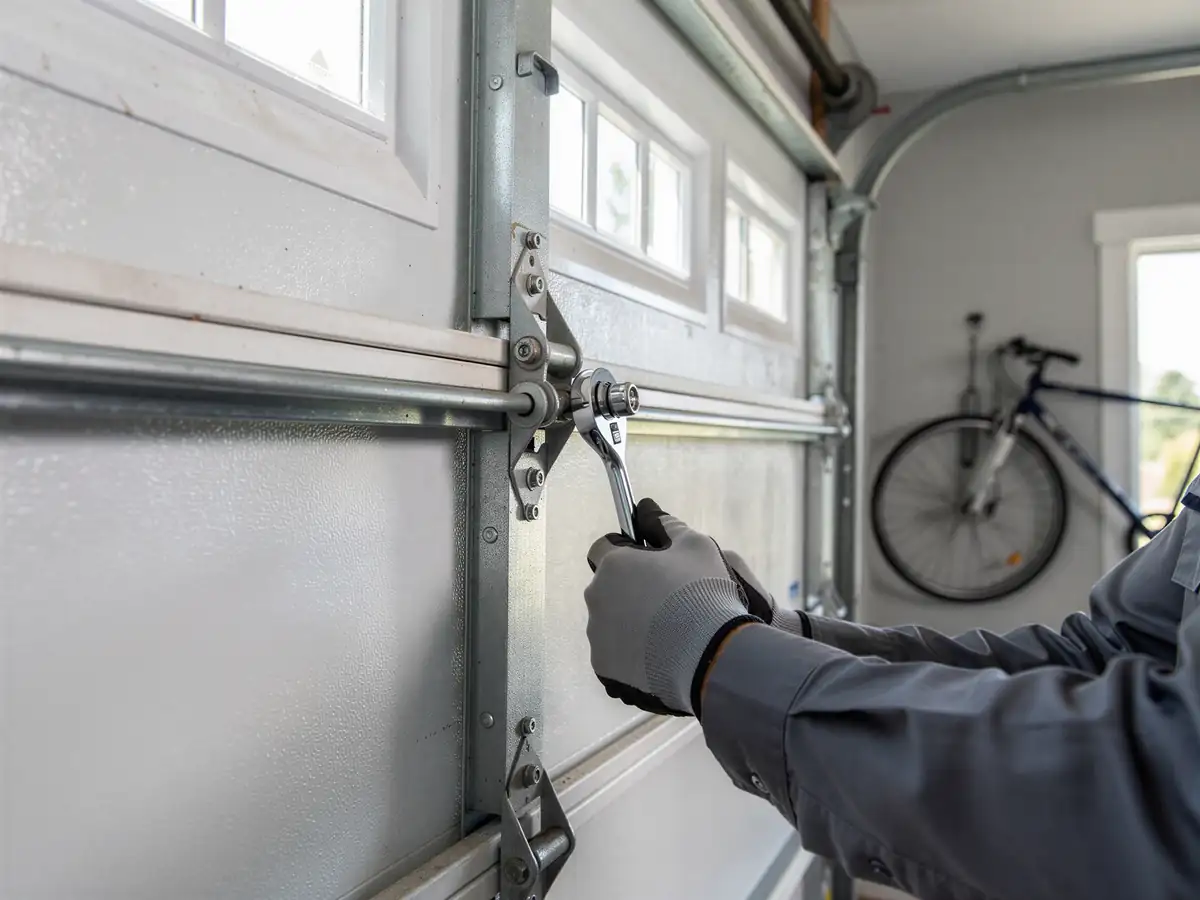
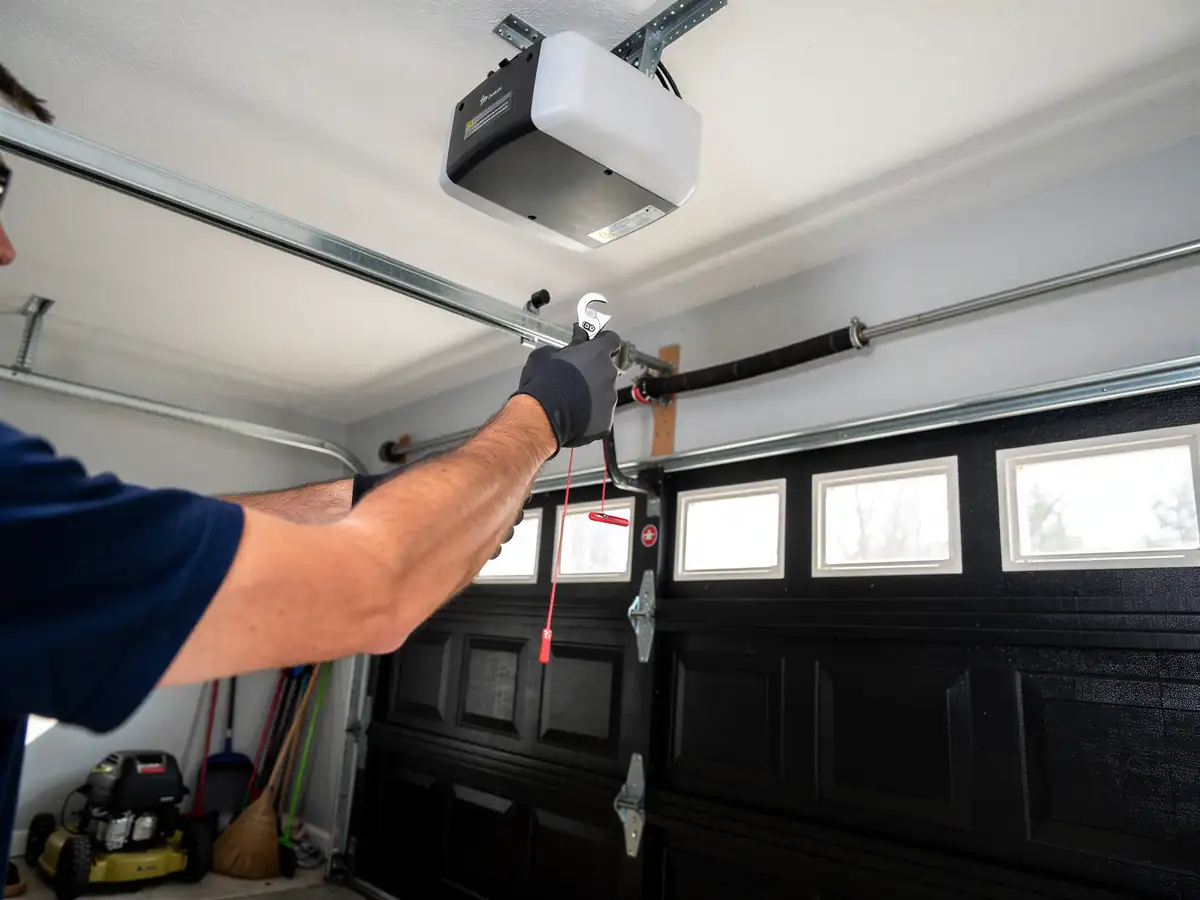
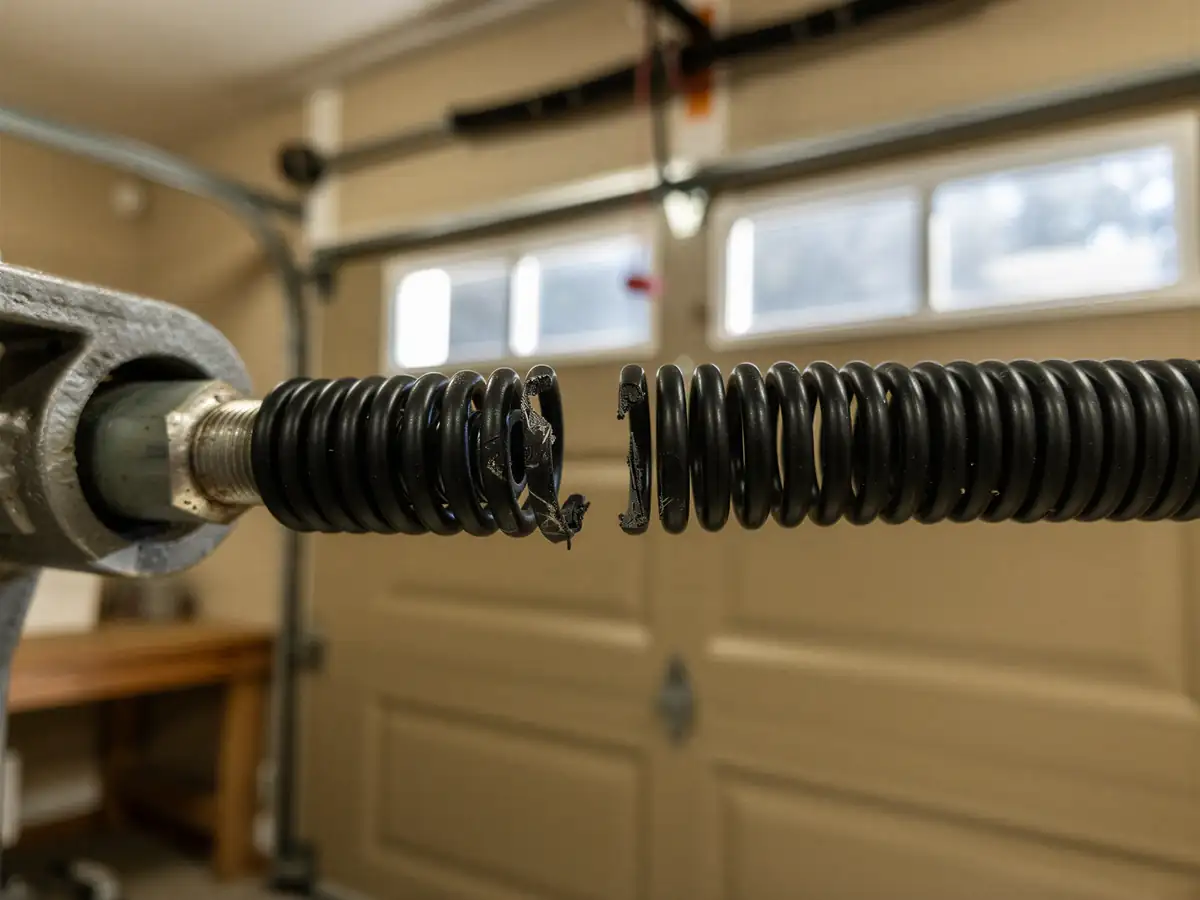
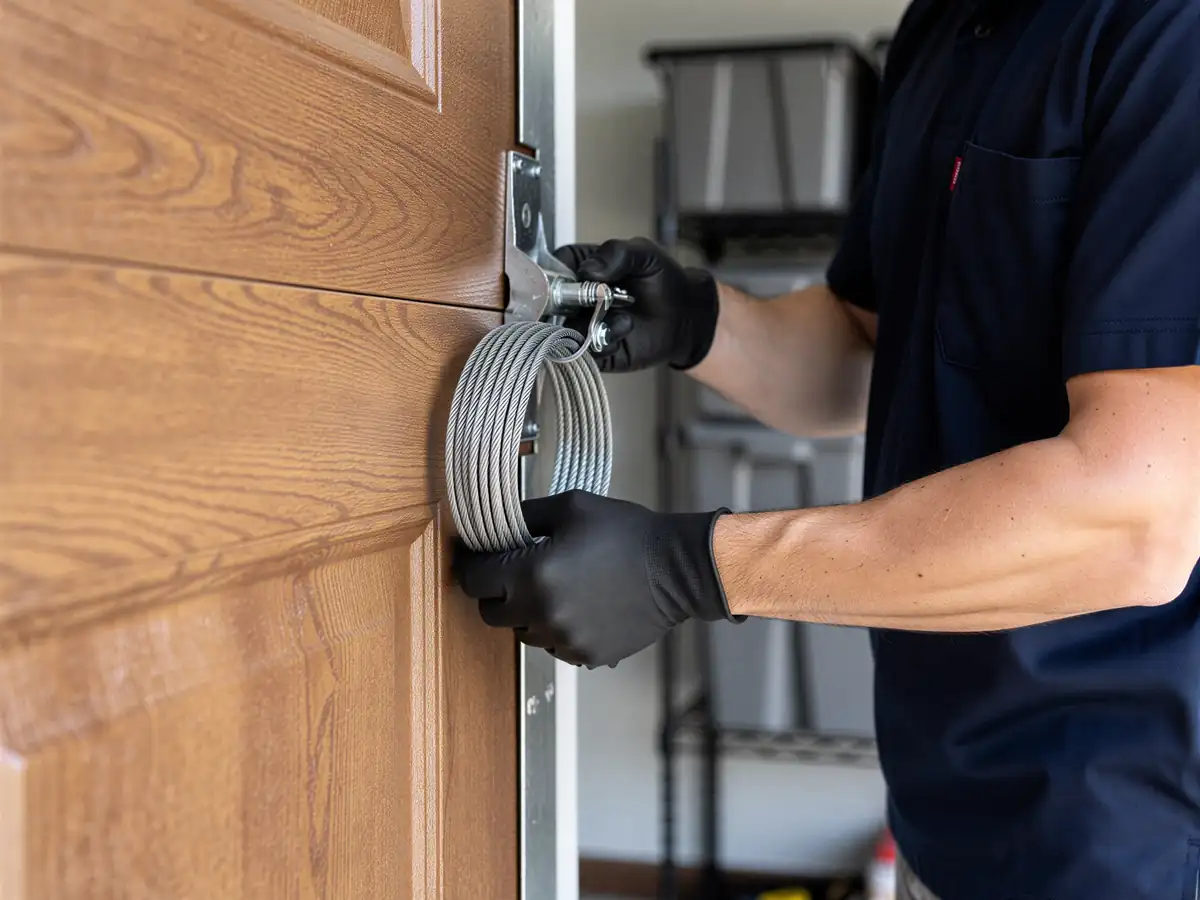
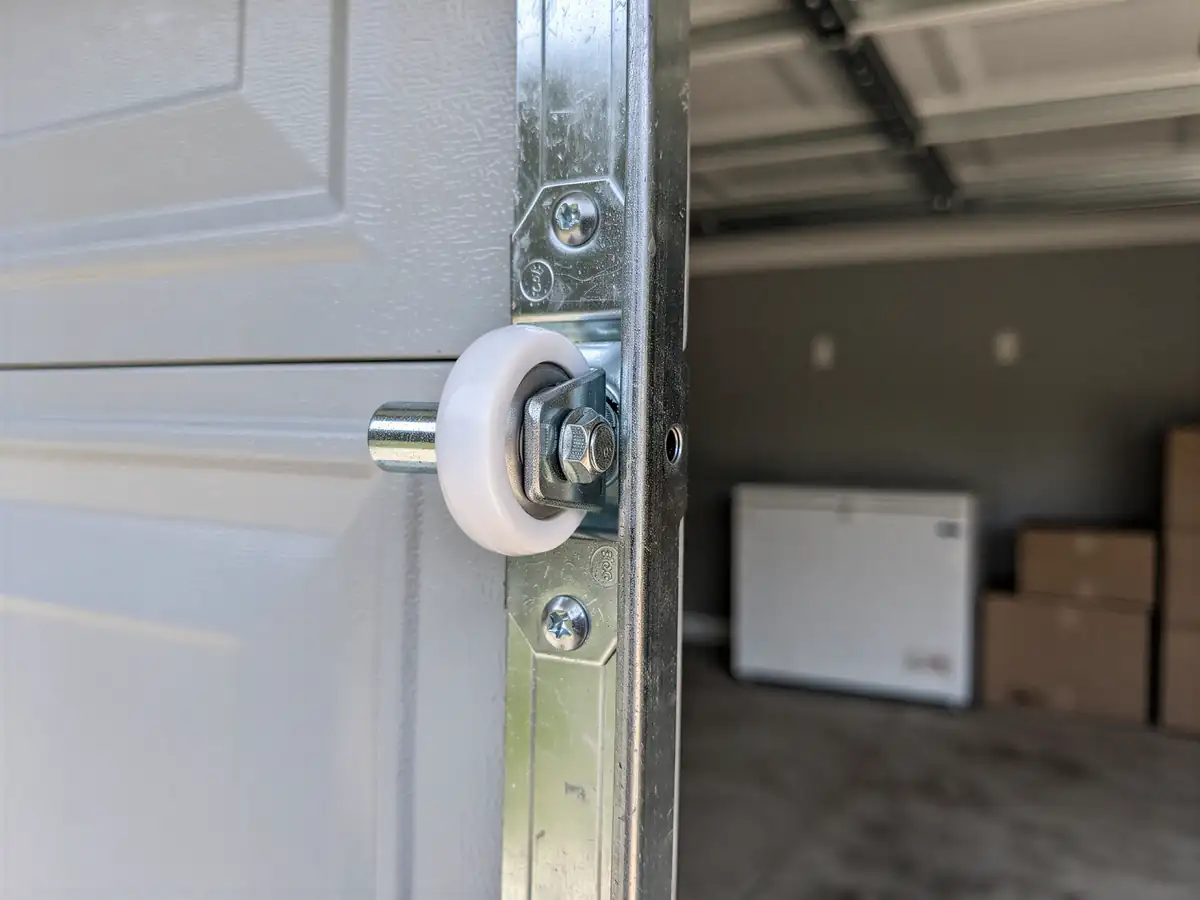
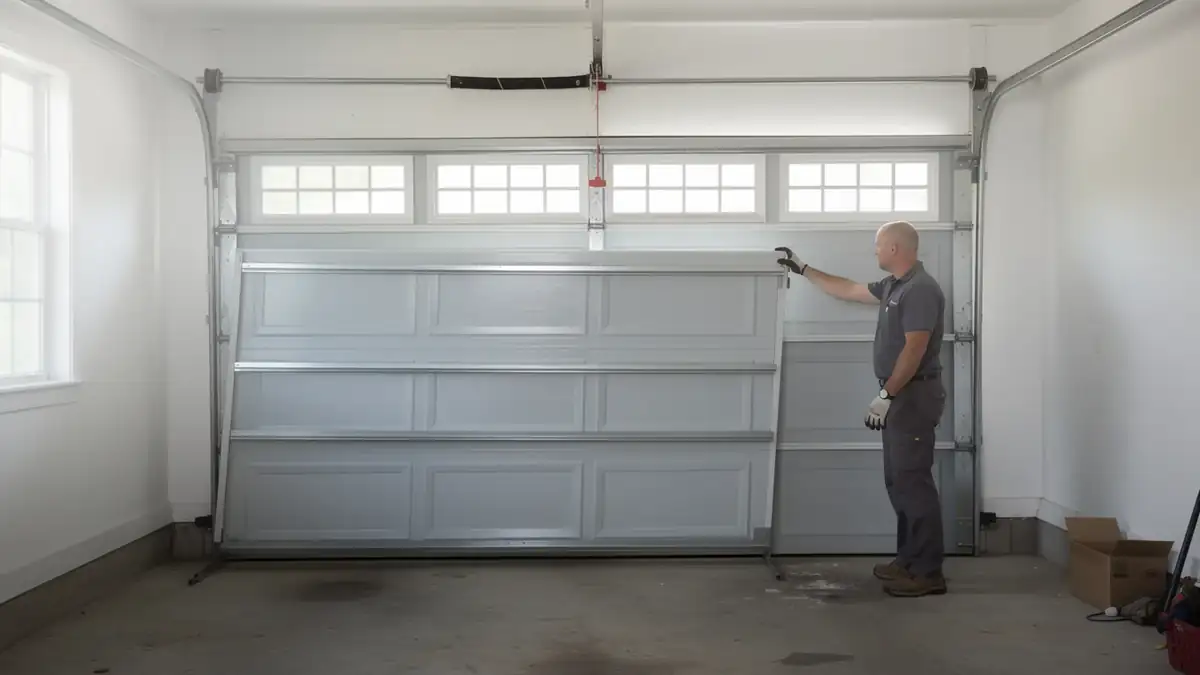
Most of what gets called in as "the door won't open" in this part of the South Bay traces back to original hardware reaching the end of a normal, long service life - not storm damage, not a sudden event. With a median household income of $92,920 across the service area, most owners here are weighing a spring swap against a full opener replacement on the actual economics, not stalling on a bill they can't afford. That changes how a technician presents the options: if the opener is original to a 1960s build and the logic board is failing alongside a worn spring, it's often more sense to replace both together than to patch the spring and have the opener fail again in six months. A technician checks the spring, the cable condition, the roller wear, and the opener's gear set in that order, because each one tells you how old the rest of the system probably is.
When to Get Help
Call when the door is noticeably harder to lift by hand than it used to be, when you hear a loud bang before the door stops working, or when the opener runs but the door doesn't move - that's almost always a broken spring or cable, not the opener itself. If your house falls into that broad 1960s-70s wave of construction common across this service area, and the spring or opener looks original, don't wait for full failure to get it looked at; a spring under tension that's visibly stretched or gapped is a safety call, not a maintenance-later item. We don't recommend replacing hardware that still has real life in it just because it's old - some of these original torsion setups are solid and just need a adjustment. The honest answer after a look is sometimes "this is fine for another few years," and that's the answer we give when it's true.