What Causes It Around Here
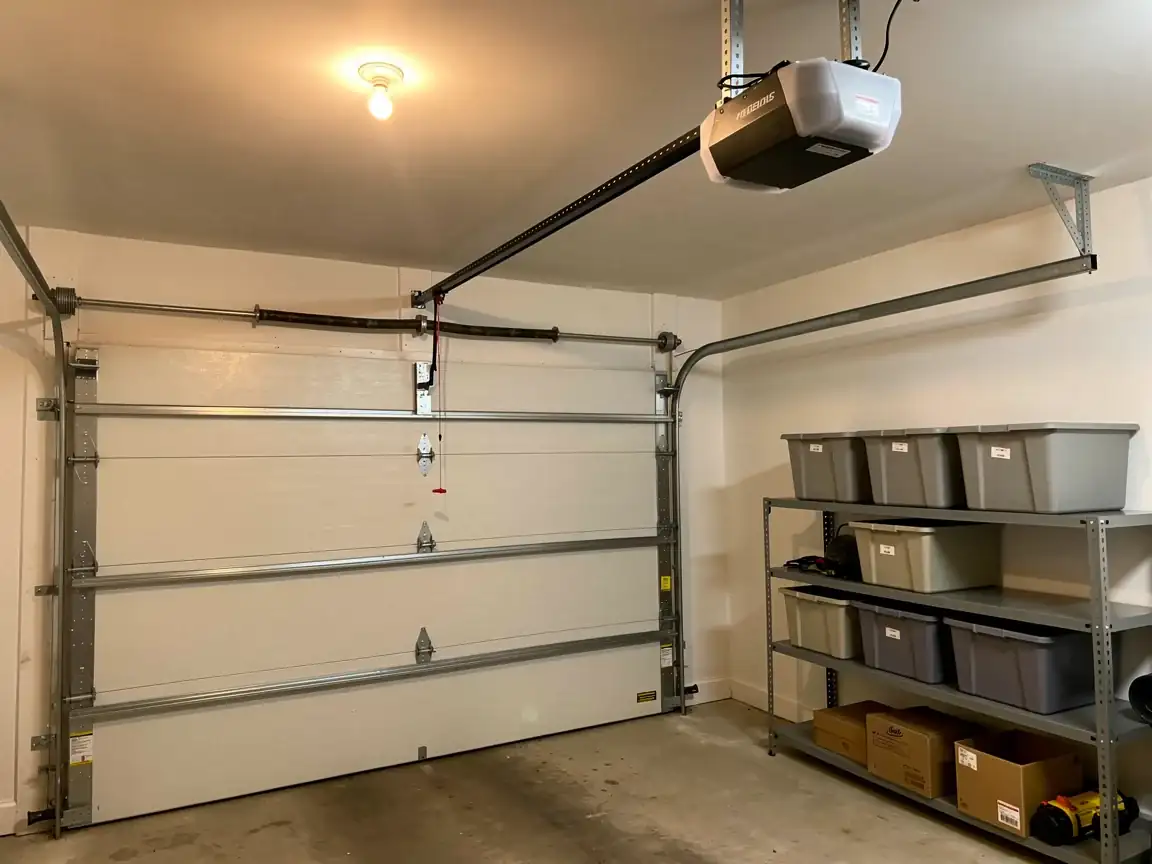
Most of the housing in this part of the South Bay went up between 1947 and 2012, with the median build year landing at 1963. That matters for openers because a house built in the early 60s almost never got an opener at the same time as the garage - it got one later, often a second or third unit over the decades as the original wore out or got swapped for something louder, then something quieter. By now a lot of these are on their second or third opener, and the gearing, the circuit board, or the safety reversal sensors are old enough that parts are getting hard to source.
Across the 41 named areas that make up this stretch of the region, the stock runs mostly 1960s and 70s construction. That's exactly the era when chain-drive openers without modern safety reversal were standard. If your opener predates the mid-80s safety-sensor mandate, you're not looking at a repair - you're looking at a full swap, because there's no retrofitting a sensor pair onto a unit that was never built for one.
The climate here is mild temperate, so you're not dealing with freeze-thaw cracking a housing or summer heat warping a rail the way you would in a harsher band. Failure here is almost always duty cycle and age, not weather stress. That's a simpler problem to diagnose, but it still ends the same way: the motor and board are done, and you're installing new.
How Long It Takes
A straight swap - same mounting, same door, new opener on the existing rail bracket
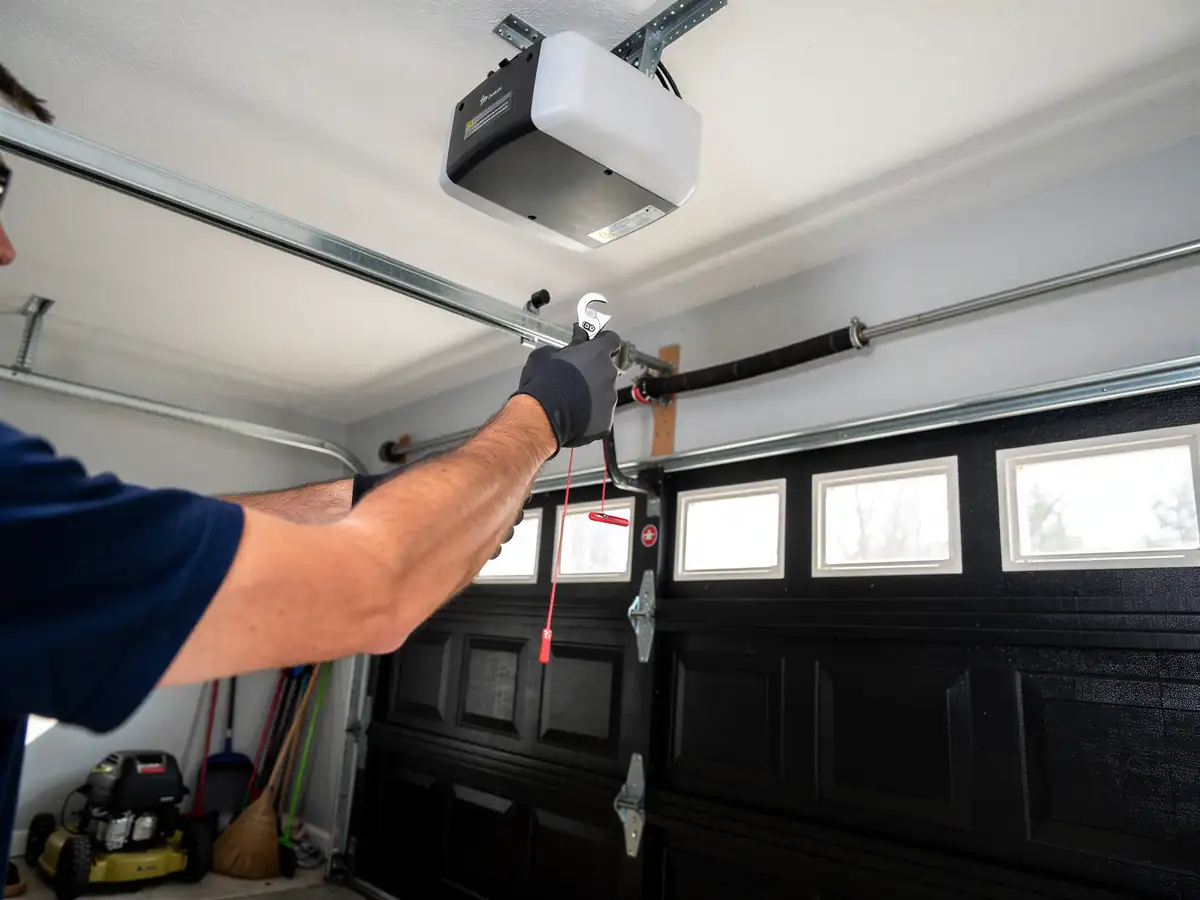
Usually runs a couple of hours from truck to tested cycle. If the old unit is chain-drive and you're moving to belt or screw drive, or if the rail length or mounting point has to change, add time for that bracket work and for running new wiring to the wall control.
What slows a job down isn't the opener itself, it's what's behind it
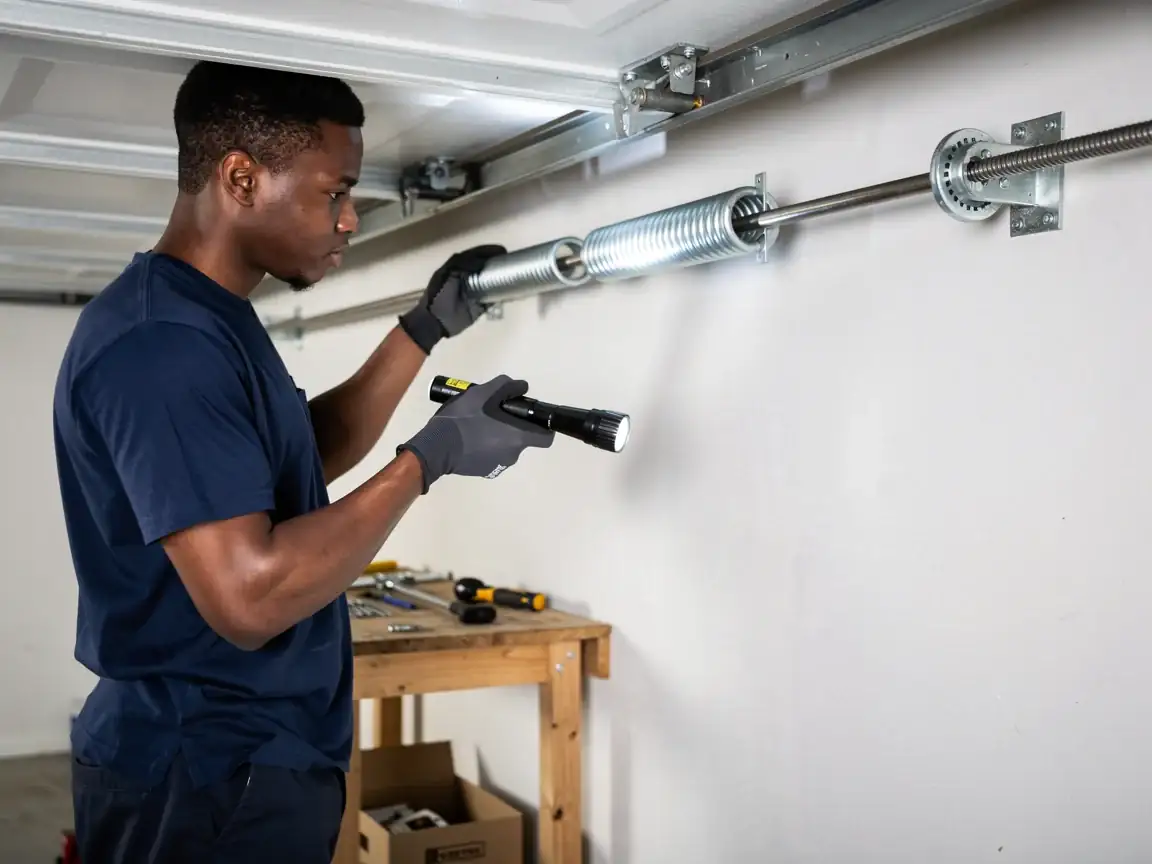
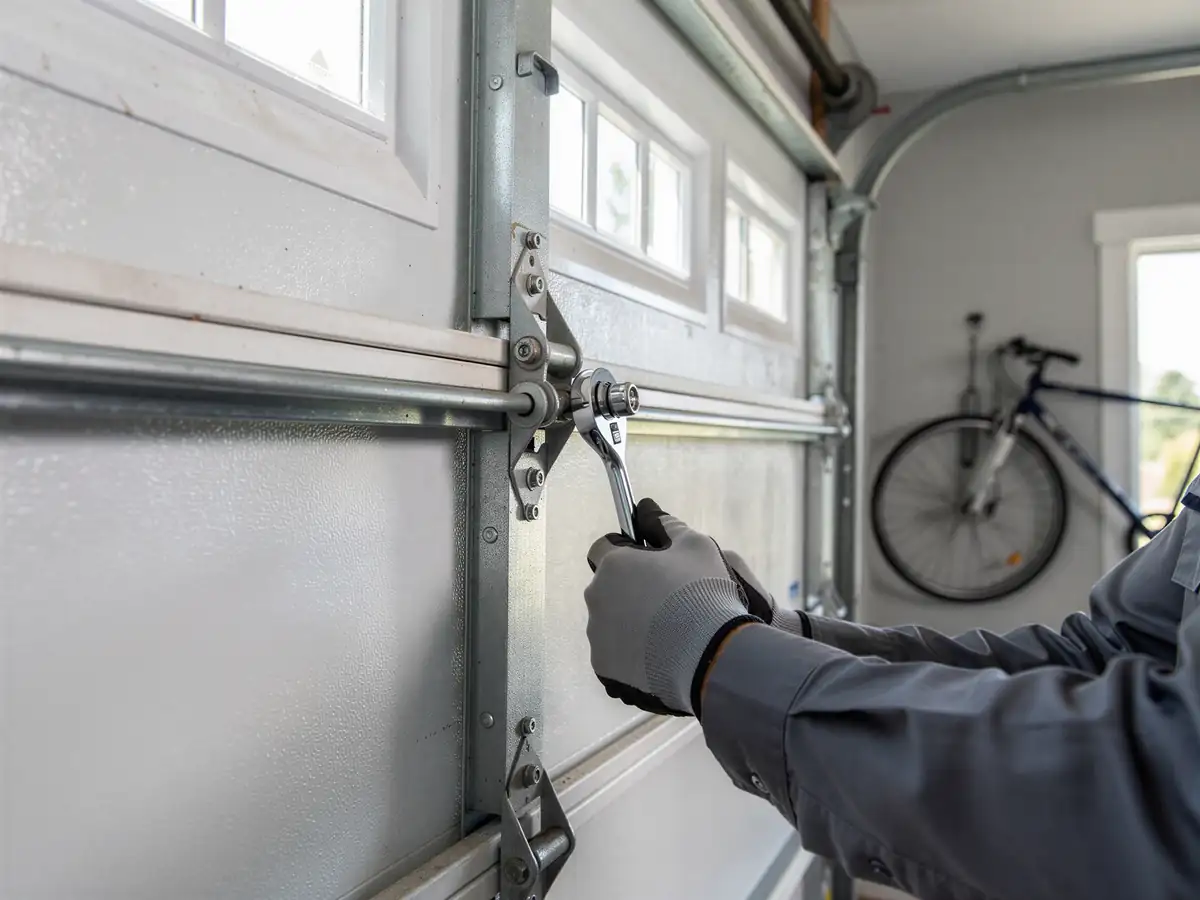
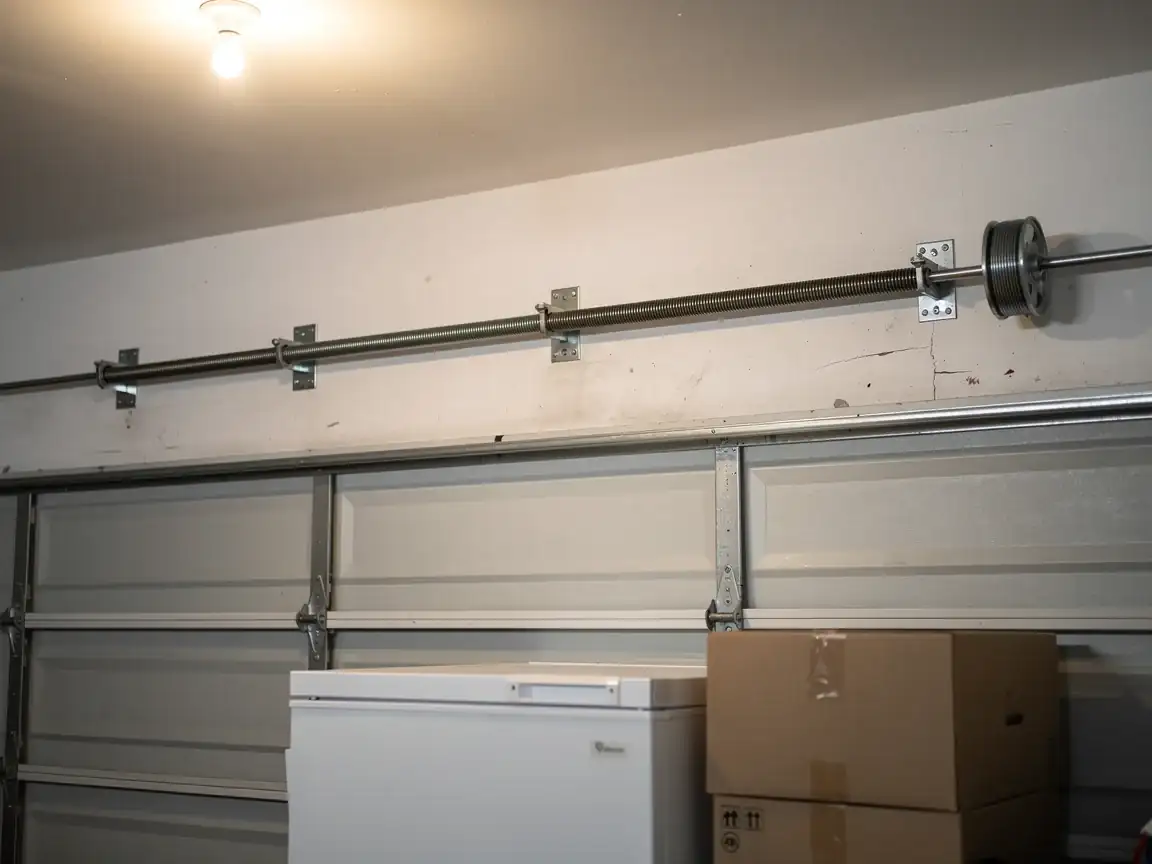
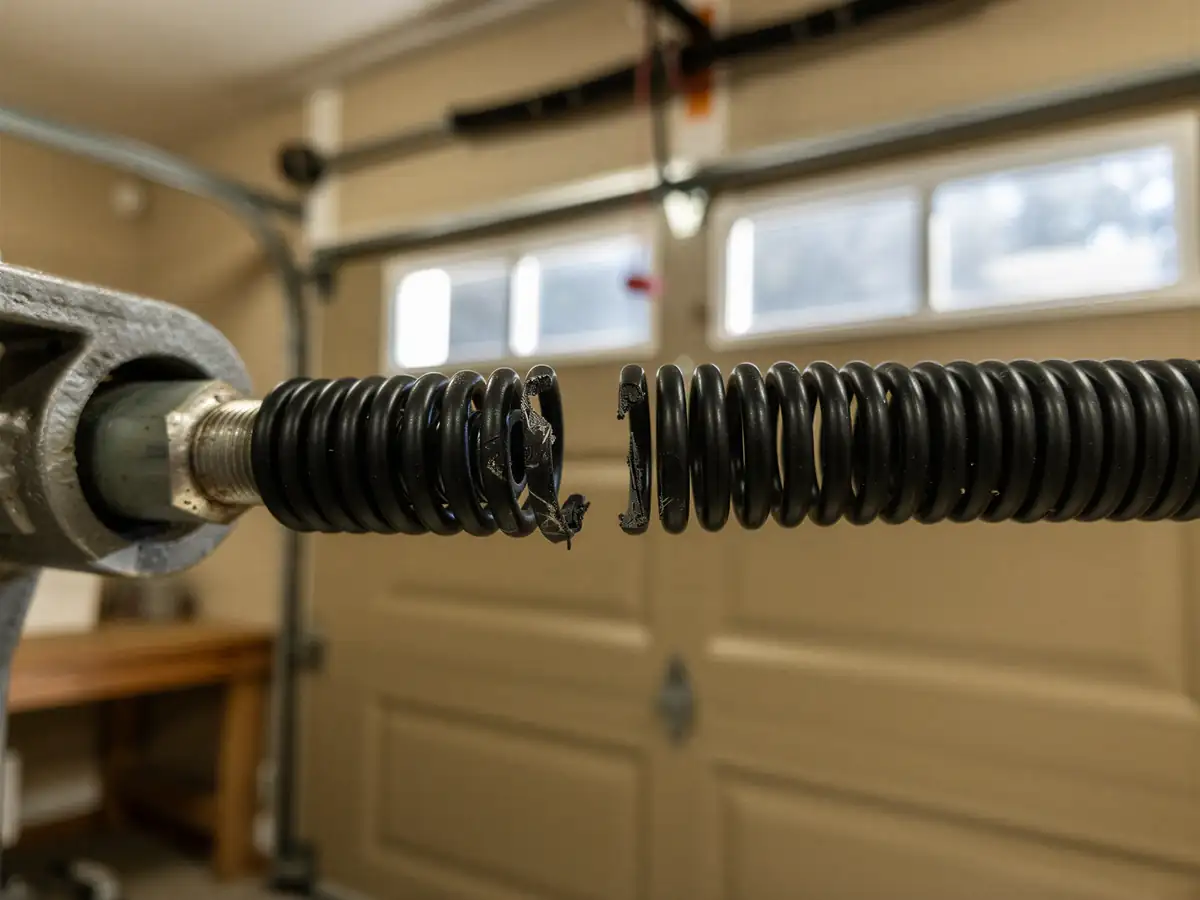
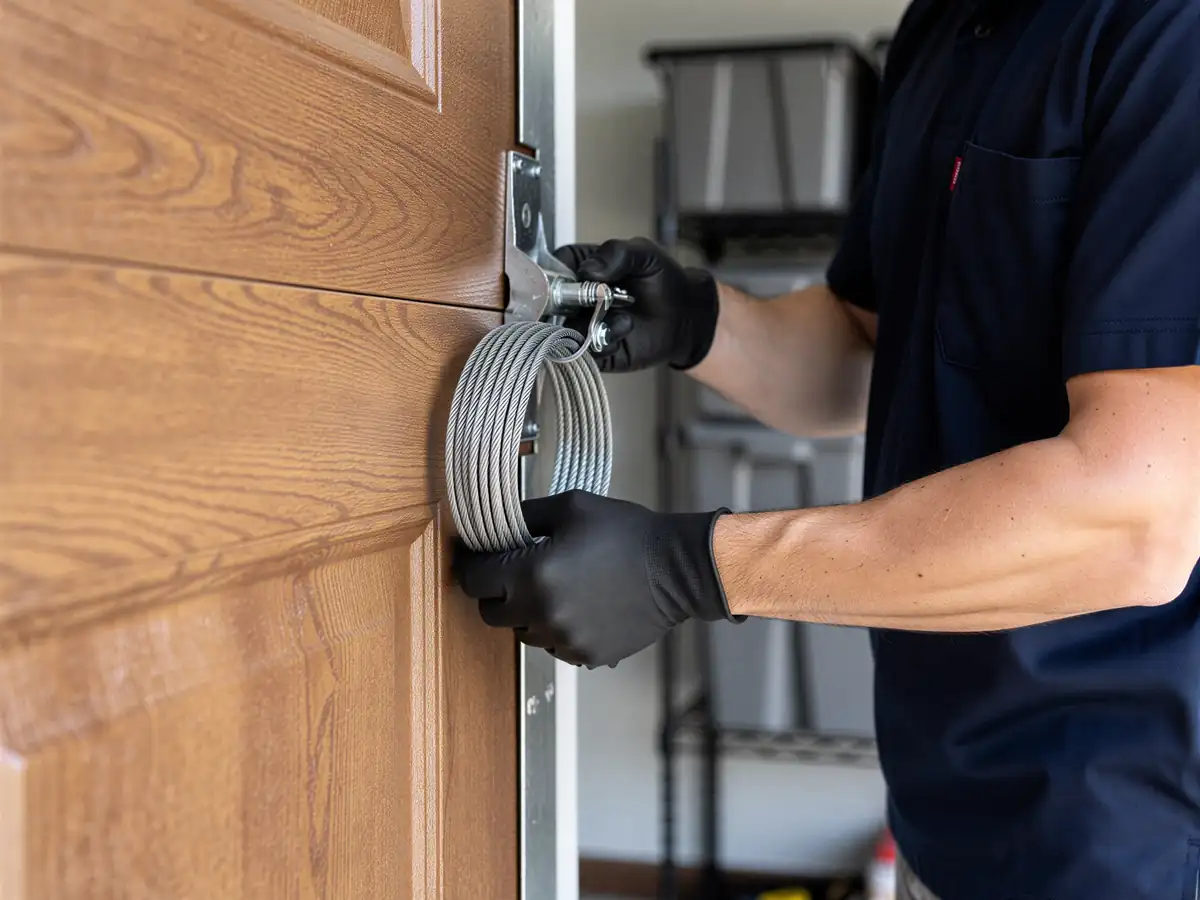
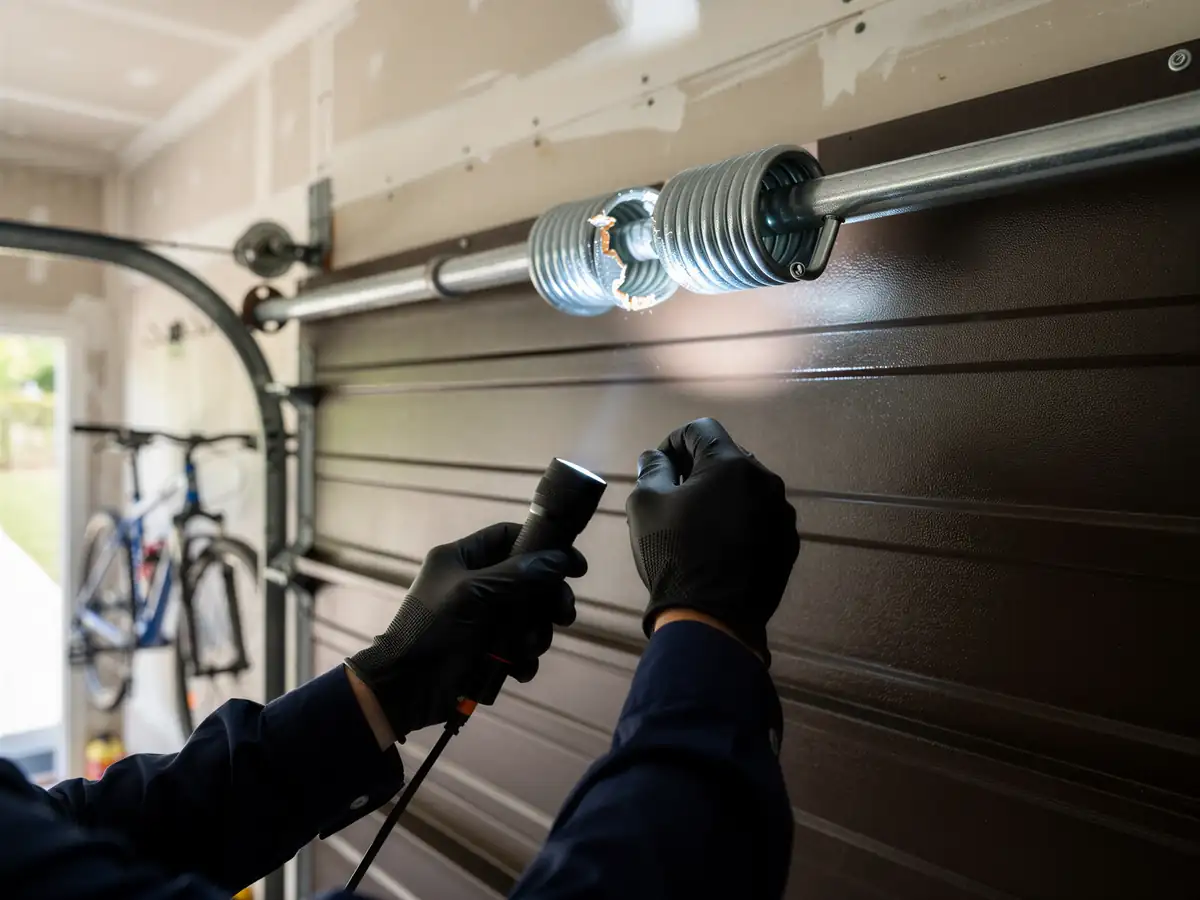
If the door's springs or cables haven't been touched in years, we check them before we hang a new opener on old hardware - an opener can't fix a door that's out of balance, and installing one on a door that isn't balanced right just shortens the new unit's life. That inspection adds maybe fifteen minutes, but skipping it is how homeowners end up calling back in a year asking why the new opener is already straining.
Battery backup models, Wi-Fi setup, and smartphone app pairing add a bit more time on the back end
Not because the install is harder, but because getting a phone paired to a new network inside a garage isn't always instant. Budget for that if you're going with a connected opener rather than a plain wall-switch unit.
The Cost of This Job
We don't have a fixed number to post here that would mean much without seeing your door - drive type, horsepower, battery backup or not, and whether the old mounting hardware is reusable all move the number. What we can tell you is what actually drives the cost: the opener unit itself (chain-drive is the cheapest, belt and screw drive cost more, battery backup costs more again), labor for the install, and any hardware that needs replacing because it's rusted, stripped, or simply the wrong size for the new unit.
One honest note: if you're calling because your current opener is dead and your springs or cables are also clearly shot, fixing both at once is almost always better value than paying a second trip charge later. We'll flag that at the door if we see it, not add it to the invoice without telling you first.
With a median household income of $92,920 and 147,195 owner-occupied houses across this service area, most of the calls we get for this job are replacements in existing garages, not new installs in fresh construction - which means most quotes are about matching or upgrading what's already there, not starting from zero.
How It Shows Up
The most common complaint is a door that starts to lift and then stalls, or reverses on its own partway up. That's usually the motor losing the strength to finish the cycle, not the door fighting it - though we check the door too, because a spring going bad looks the same from the driveway.
A grinding or clicking sound from the unit on the ceiling, instead of a smooth hum, is the gear inside wearing down. Once that starts, it doesn't fix itself and it doesn't go long before full failure. Remote or keypad commands that work sometimes and not others, especially if the wall button still works fine, usually point to the receiver board rather than anything mechanical.
And if the door only moves while you hold the wall button down - bypassing the remote and the auto-stop entirely - stop using it that way. That's a safety circuit that's failed, and running the door manually around it is exactly the situation that safety reversal sensors exist to prevent.