What Causes It Around Here
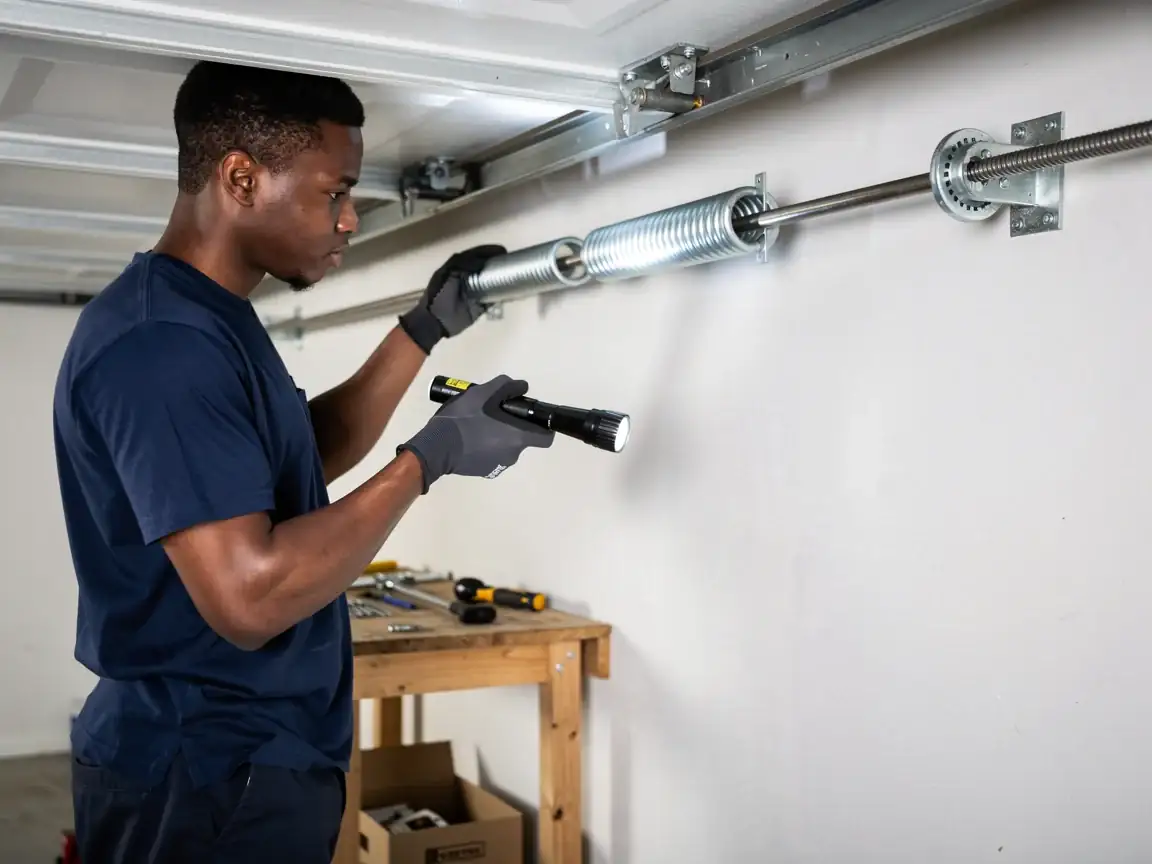
Most of the housing in this part of the South Bay went up between 1947 and 2012, with the bulk of it dating to the 1960s and 70s. That matters for springs more than people realize. A torsion spring is rated for a certain number of open-close cycles, usually somewhere around 10,000, and it doesn't care what year it is on the calendar - it cares how many times the door has gone up and down. A house built in 1963 that's had one owner and one door opener for sixty years has put a spring through a lot of cycles, and most of those original springs were swapped once already, sometimes twice, often by whoever was cheapest at the time.
The mild temperate climate here actually works in your favor compared to places with hard freezes - you're not dealing with steel that gets brittle in deep cold and snaps on a January morning. What you are dealing with is straight fatigue: galvanized coil springs that stretch and lose tension slowly, then let go all at once, usually on the one day you're in a hurry. Garages that get used as a second door - gym bag, groceries, the dog - rack up cycles faster than the ones that sit closed for a week at a time. If your door is original to a 60s or 70s build and nobody's touched the springs, you're due.
How Long It Takes
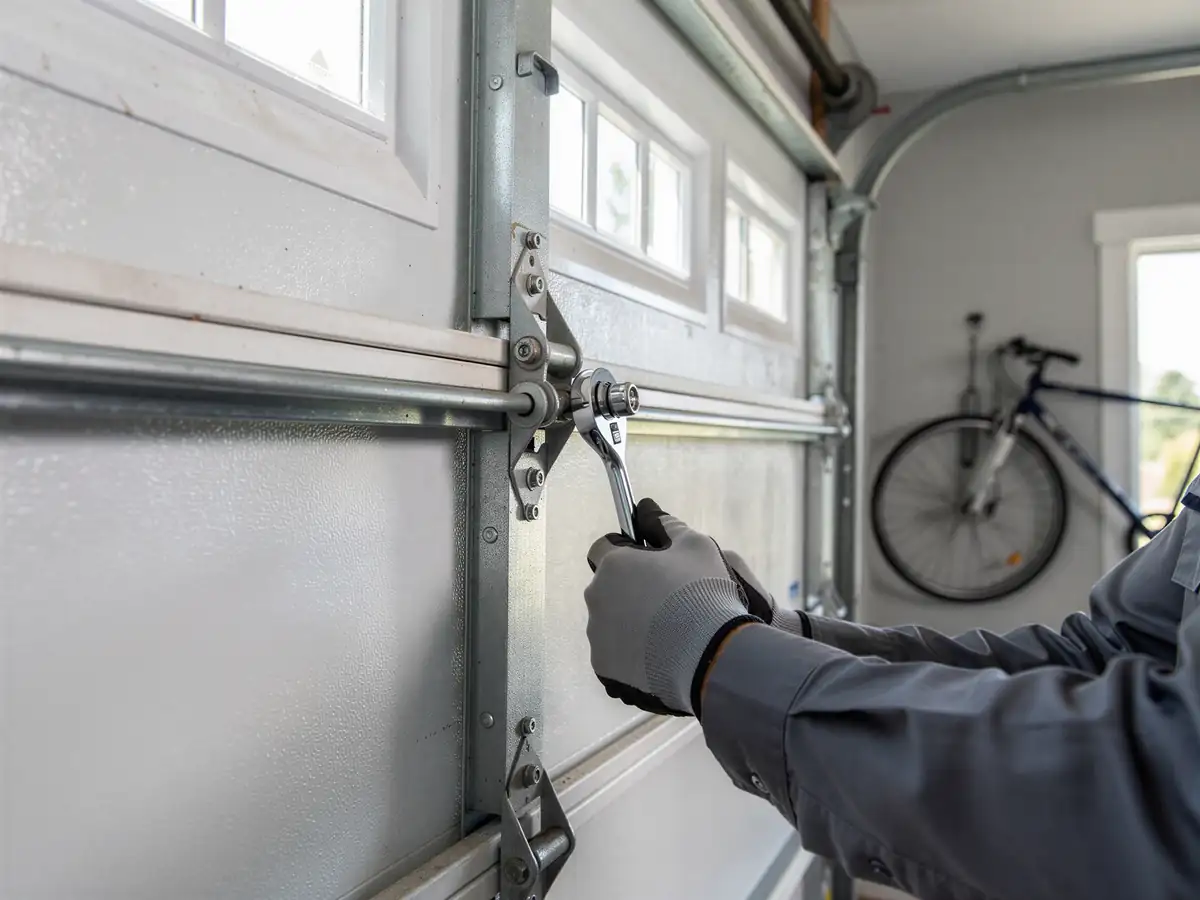
A standard spring replacement on a residential door
Done by one tech with the right parts on the truck, usually wraps up within a couple of hours from arrival to a tested, working door. That's for the common case: one or two torsion springs on a standard double or single door, no track damage, no opener issues layered on top.
Where it runs longer is when the spring let go and took something with it
A bent track from the door dropping unevenly, a frayed cable, a bottom bracket that got yanked loose. We won't know that until we're looking at it in person, which is part of why we don't quote a flat time over the phone. The honest limitation here: if your springs are a non-standard size or an older style that's not common stock, parts can add a delay rather than an hour. That's uncommon but it happens, especially on older original doors that haven't been touched since the house was built.
The Cost of This Job
We're not going to put a number here that doesn't hold up once we're standing in your garage, because spring jobs vary with door weight, spring count, and what else broke on the way down. What we can tell you is what drives the cost up or down: single versus double door, one spring versus a matched pair, standard torsion hardware versus the older extension-spring setups still found on some of the 1960s-era doors in this area, and whether the cable or bottom bracket needs attention too.
Across the service area, median household income runs around $92,920 with roughly 147,195 owner-occupied houses, which tells us most calls we take are from people who want the job done right once rather than patched twice. A spring repair is usually a smaller ticket than people brace for, especially compared to a full door replacement - and in almost every case where the door itself, the track, and the opener are all sound, fixing the spring is the right call, not swapping the whole door.
How It Shows Up
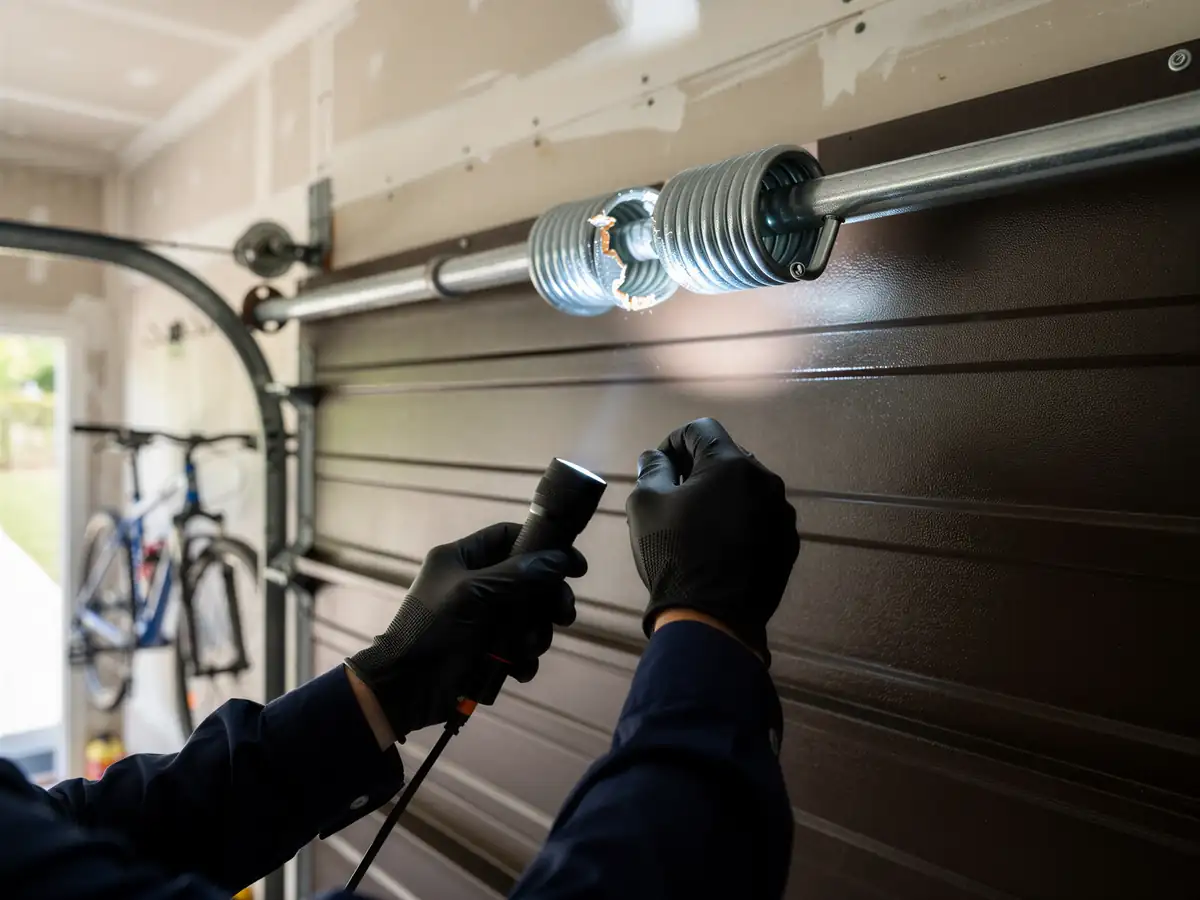
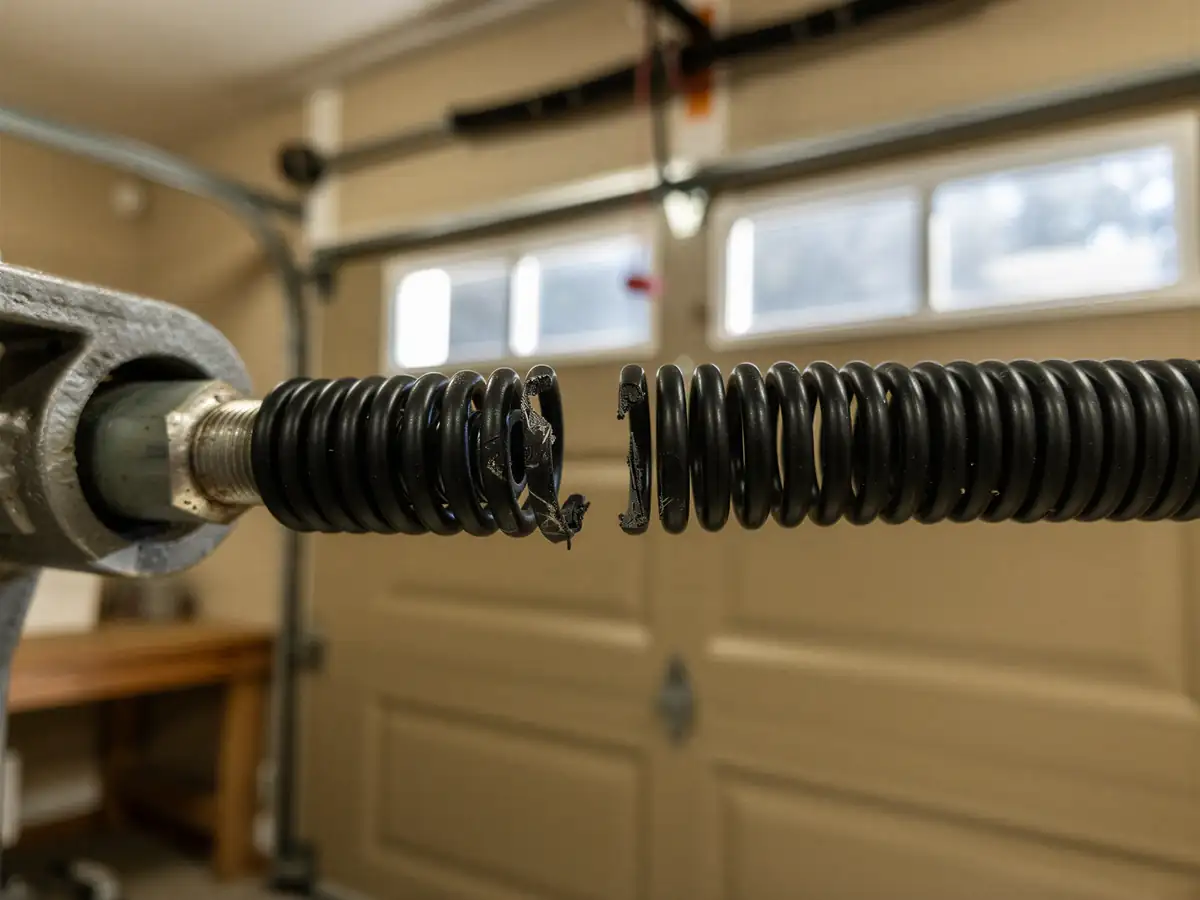
The door won't budge, or it only goes up a few inches and stops. Sometimes you hear it before you see it - a loud bang from the garage, like a gunshot, which is the spring letting go under tension. If the opener motor is straining and groaning but the door isn't moving, that's the opener trying to lift a door with no spring assist, and it'll burn out the motor if you keep forcing it.
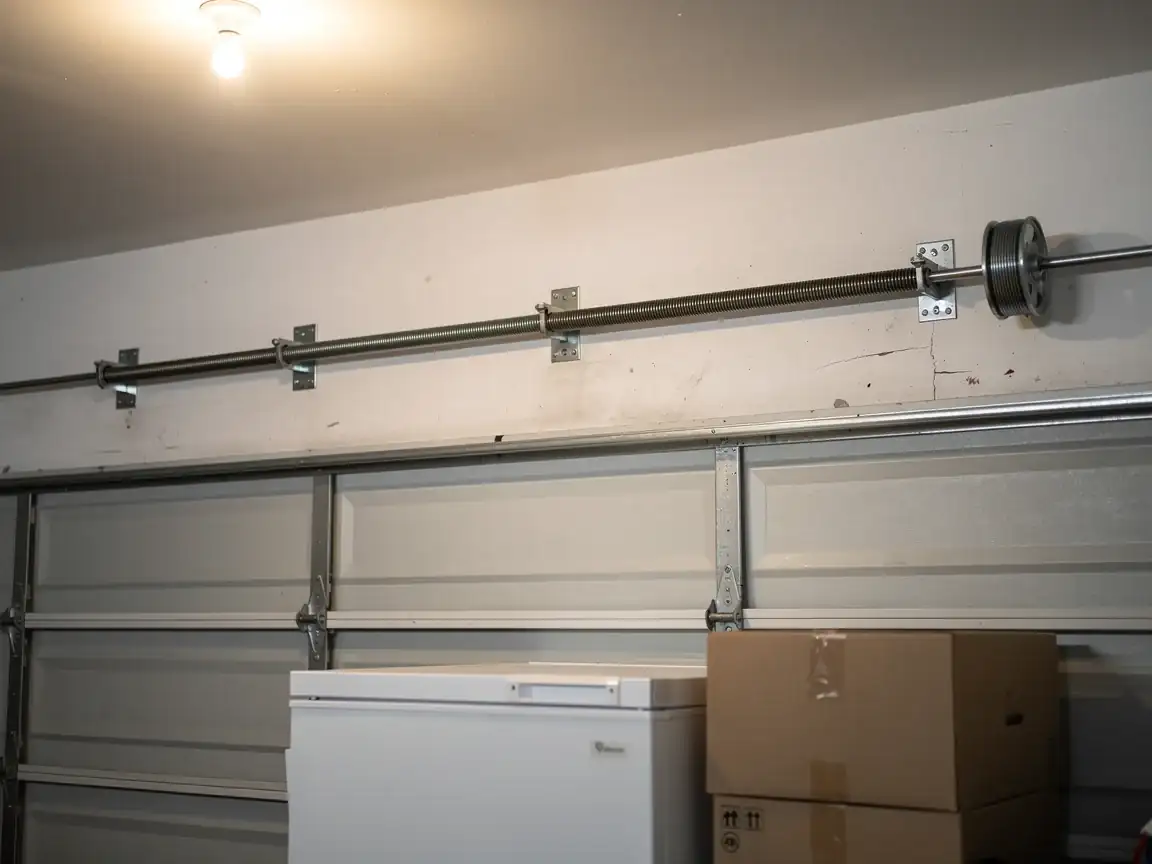
Other signs come on slower: the door feels heavier than it used to when you lift it manually, it doesn't stay up on its own anymore, or it closes crooked with one side dropping faster than the other - that's usually one spring in a pair going before its partner. If you own one of the older homes in this area with the original extension-spring setup along the tracks instead of a torsion bar over the door, a frayed or stretched spring there often shows up as the door jerking partway through its travel rather than failing all at once. Don't keep opening a door that's showing any of these - a spring under tension that's failing can whip the cable loose.