Serving Redondo Beach, CA & nearby
(424) 237-3672
Redondo Beach, CA

Why Older Redondo Beach Garages Fight the Fog and the Heat Both

Redondo Beach homes built mostly in the 1960s predate modern insulation codes, leaving garage doors that leak heat and let the mild coastal climate in fast.

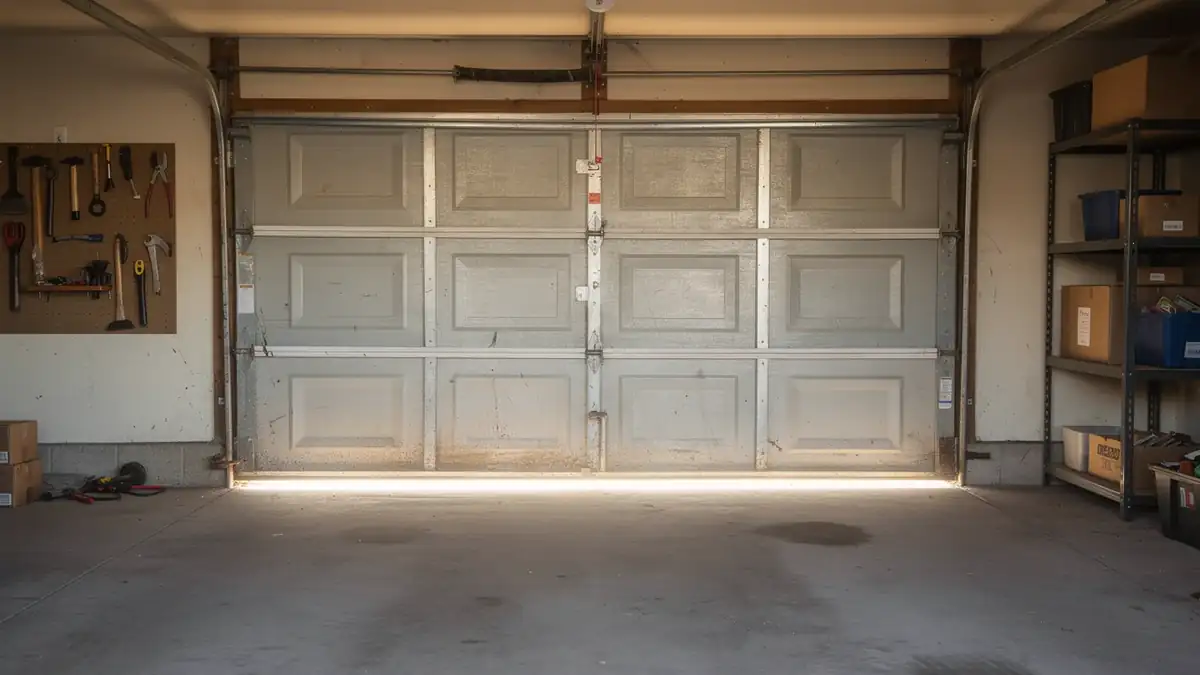
A closed garage door with a torsion spring is visible from inside a garage.

What Changes With the Season

Redondo Beach sits in a mild temperate climate band, which means the door on your garage isn't getting hammered by hard freezes in January or triple-digit heat in July. That's the good news. The bad news is that a door built before insulation rules existed doesn't care how mild the swing is - a single skin of steel or a slab of wood transfers whatever temperature is outside straight through to the garage, and often into the house if the garage shares a wall with living space. You won't see the dramatic failures that owners in harsher climates deal with, like a torsion spring snapping from ice buildup, but you will notice steady, low-grade wear: weatherstripping that dries and cracks faster than it should, lubricant on rollers and hinges that gums up from repeated warm-to-cool cycling, and panels that expand and contract just enough, day after day, to loosen screws at the hinges over the years. Nothing dramatic. Just steady.

What Local Conditions Do

Housing in this service area was built mostly between 1947 and 2012, with the median year landing at 1963 - squarely in the decades before insulated garage doors were standard or required. Because the climate here is mild, there was never much pressure on owners to upgrade. A door that doesn't have to survive a real winter or a real summer can keep doing its job, uninsulated, for a long time. That's why so much of the original equipment across the 41 named areas that make up this stock is still in service: single-layer steel sections, sometimes wood, hung on tracks and springs sized for a lighter door than what a modern insulated replacement would weigh. The conditions here didn't force the issue the way they would somewhere with real seasonal extremes, so a lot of these doors are still original, still working, and still costing homeowners more in heating and cooling than they realize, because nobody ever had to replace them to keep the garage usable.

What Is Going On

When a house dates to 1963 or thereabouts, the garage door opening, the track mount, and the spring system were all engineered for the door that originally came with the house - usually a lighter, uninsulated panel. That matters when an owner decides, decades later, to swap in a heavier insulated door for comfort reasons. The new door can weigh noticeably more than the original, and the old torsion spring, sized for the lighter door, ends up overworked. That shows up as a door that struggles to open smoothly, an opener that strains, or a spring that fails sooner than its rated cycle count. It's a mismatch between a 1960s-era opening and a modern retrofit, not a defect in either part on its own. Across the service area's 147,195 owner-occupied houses, this same gap between original hardware and newer door weight shows up again and again, and it's one of the more common reasons a seemingly fine installation starts giving an owner trouble within a year or two of an insulation upgrade.

When to Get Help

If you're deciding between adding an insulation kit to an existing uninsulated door or replacing it outright, the honest answer depends on the door's age and condition, not just the R-value math. A door with sound panels and a frame that still closes square is often a good candidate for an insulation retrofit - cheaper, and it keeps original hardware that's still doing its job. A door with rust at the bottom panel, sagging track, or a spring that's already near end of life is not worth insulating; put the money into a new door and matched spring instead. With a median household income of $92,920 in this area, most owners can absorb either cost, but we won't talk anyone into a full replacement when a kit and a spring check solves the actual problem. What we don't do is reframe garage openings - if the opening itself needs structural work, that's a call for a contractor first.
How it works

From “it’s stuck” to “it’s fixed”

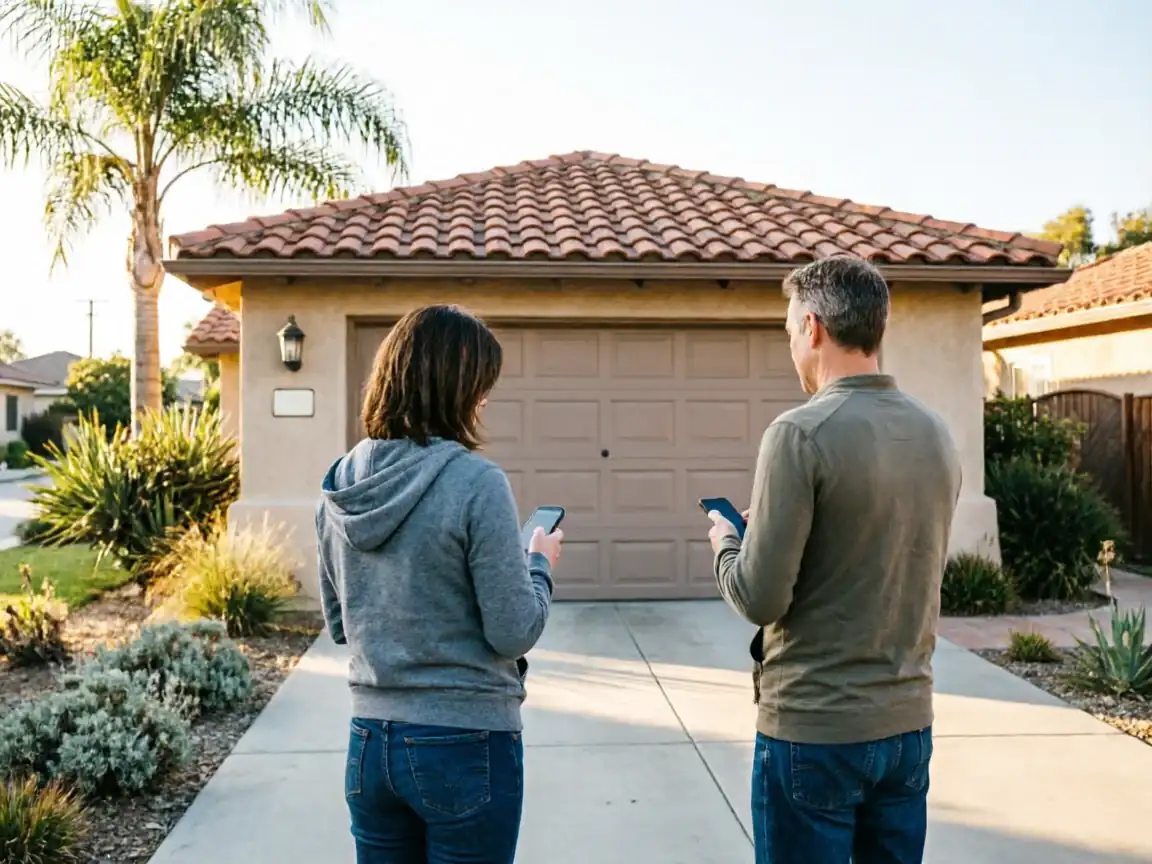
A man and a woman stand in a driveway, looking at their phones.

Tell us what’s wrong

Describe the symptom - won’t open, loud bang, opener runs but the door won’t move.

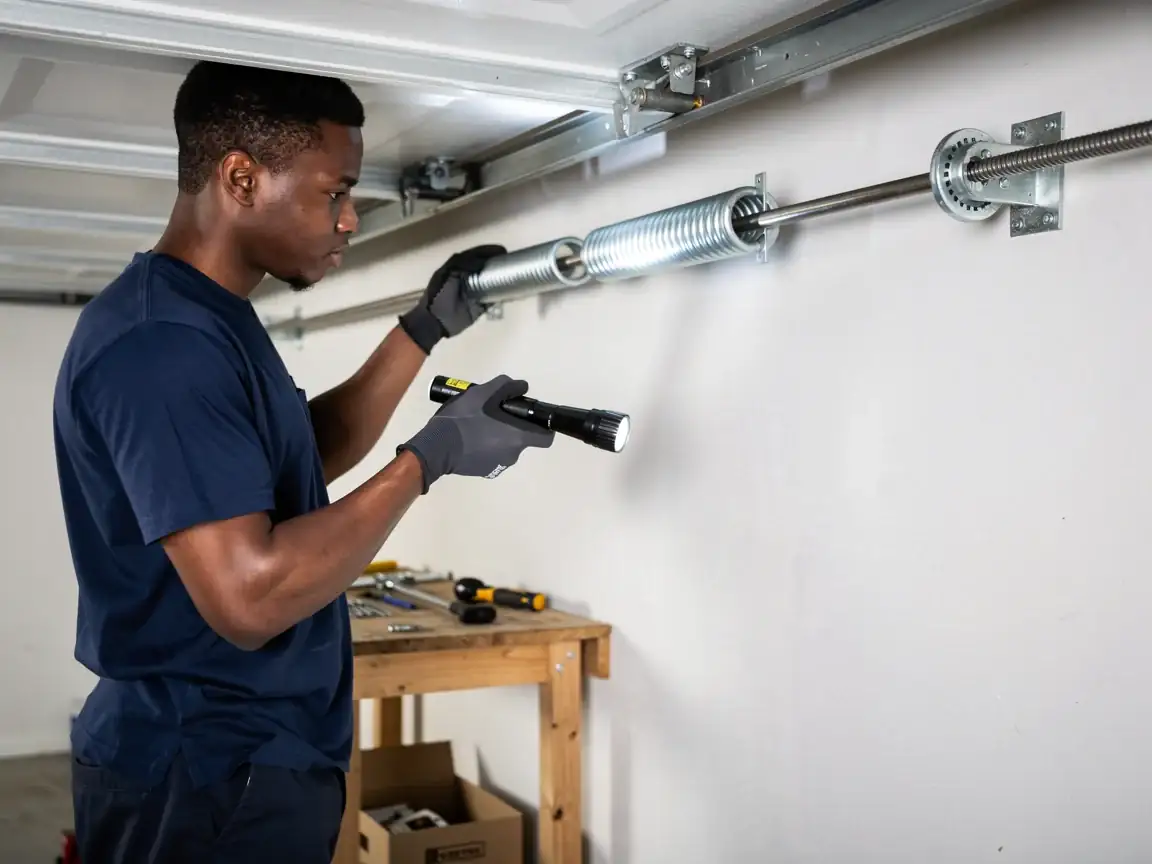
A technician holds a flashlight and works on a garage door torsion spring.

On-site diagnosis

A technician tests the door under power and by hand and finds what actually failed.

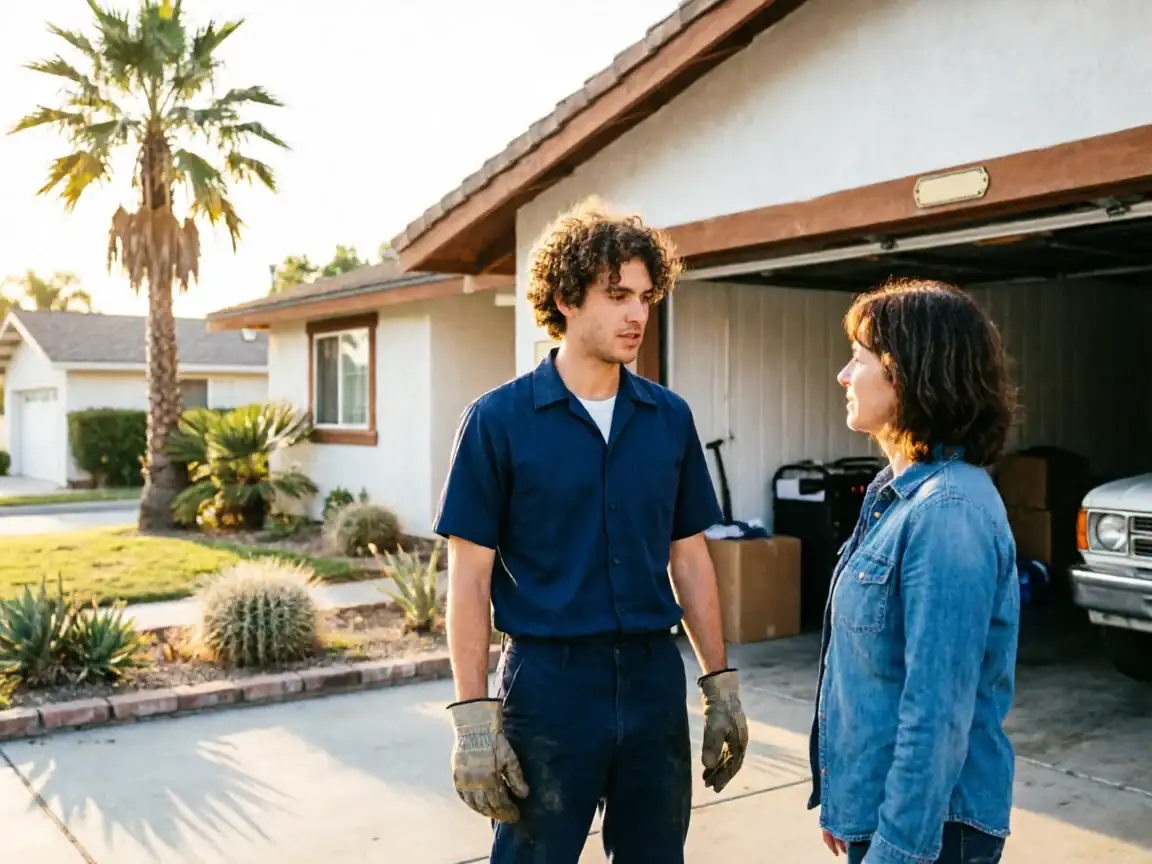
A technician in work clothes talks to a woman in front of a house with an open garage.

Clear, up-front plan

You get the fix that’s needed and what drives the cost - before any work starts.

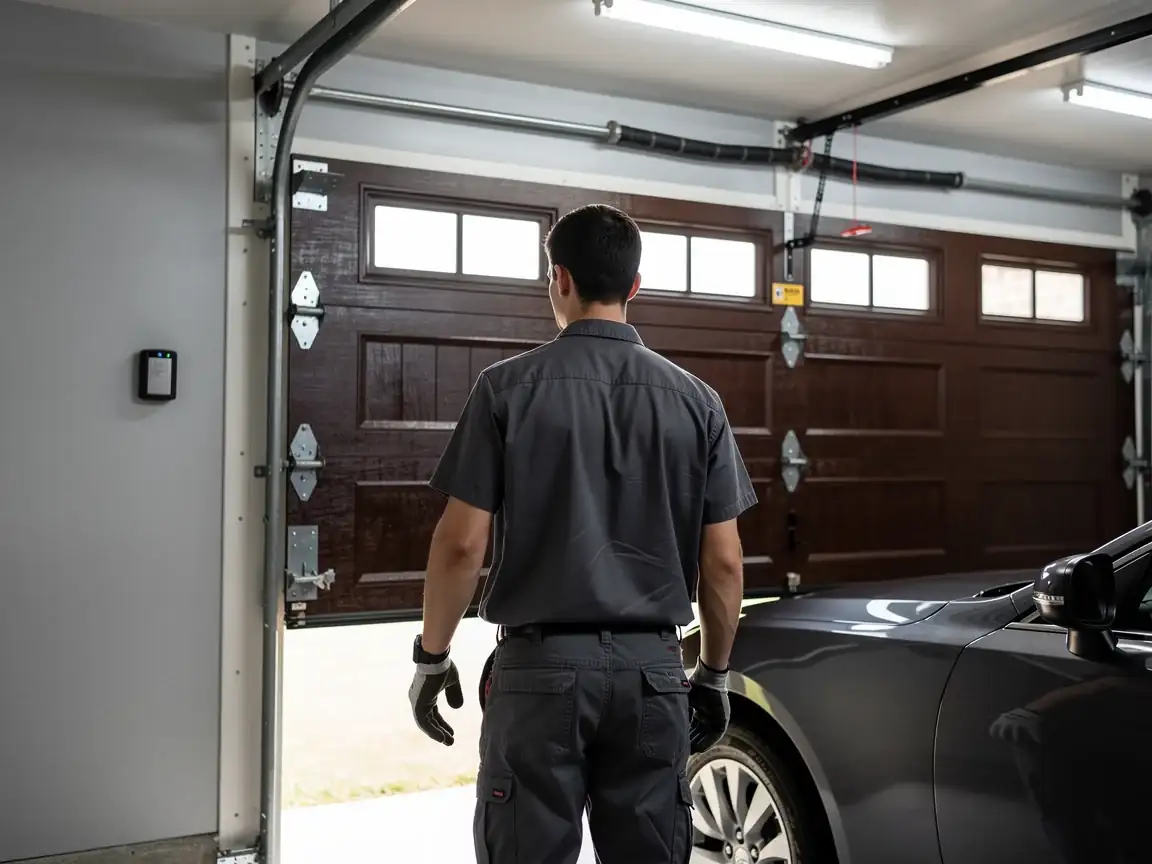
A technician stands in a garage looking at a brown garage door with windows.

Repaired & tested

The repair is done, the door is set true and tested, and the work area left clean.

Not sure which repair your door needs in Redondo Beach, CA? Describe what it’s doing - every job starts with a diagnosis.

How we work

What to expect

Diagnosis firstEvery visit starts by finding what actually failed - not a pre-written parts list.
The right part for the doorSprings and openers matched to the door’s weight and age, so the fix holds up.
Straight answersWhen a repair makes more sense than a replacement - or the reverse - you hear it plainly.
Clean, careful workTension released safely, hardware set true, the door tested under power before we leave.
What we do

Garage Door Services

Repair and installation work for Redondo Beach homes and businesses.

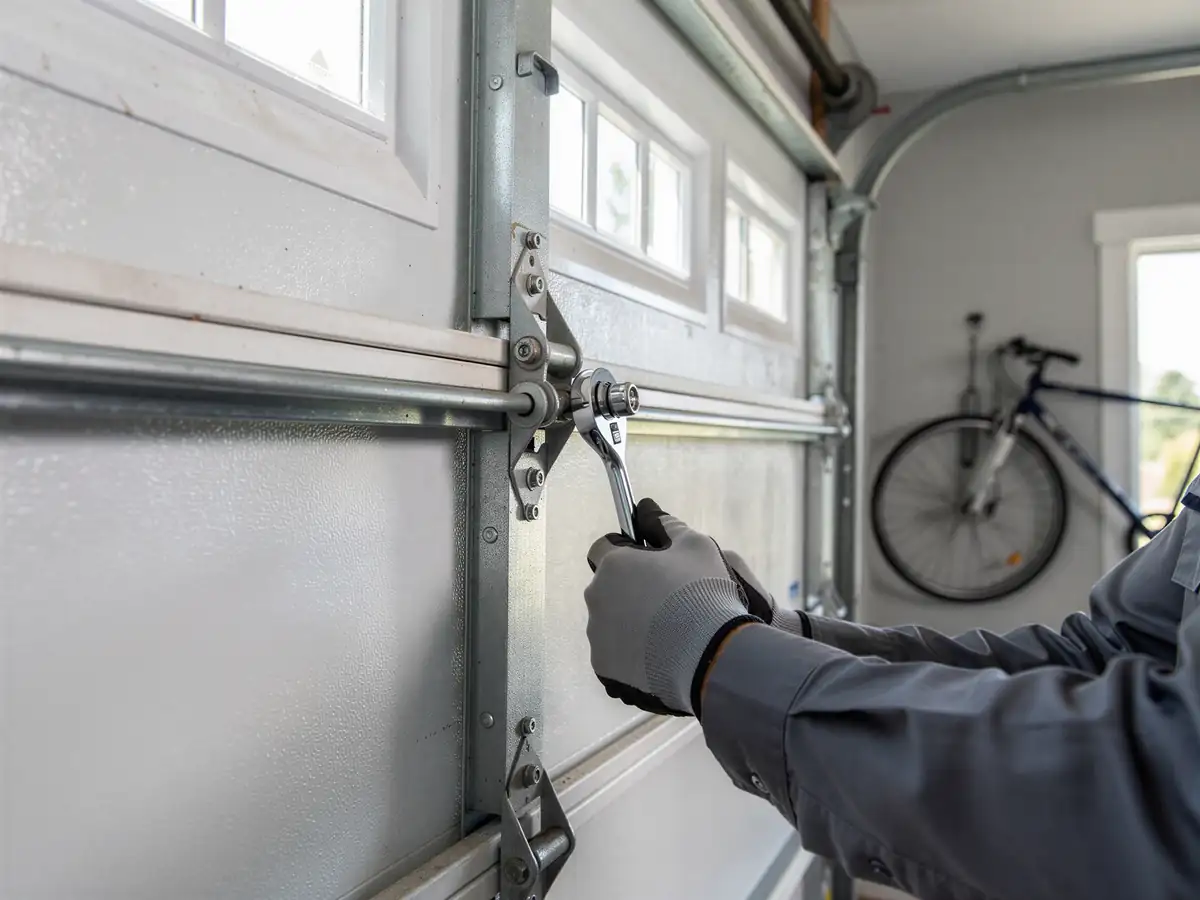
A technician in gray gloves uses a wrench to adjust a garage door hinge.

Garage Door Repair

Springs, openers, and tracks fail differently in Redondo Beach's 1960s-era homes. See what breaks first, how long repairs take, and what drives the cost.

Learn more
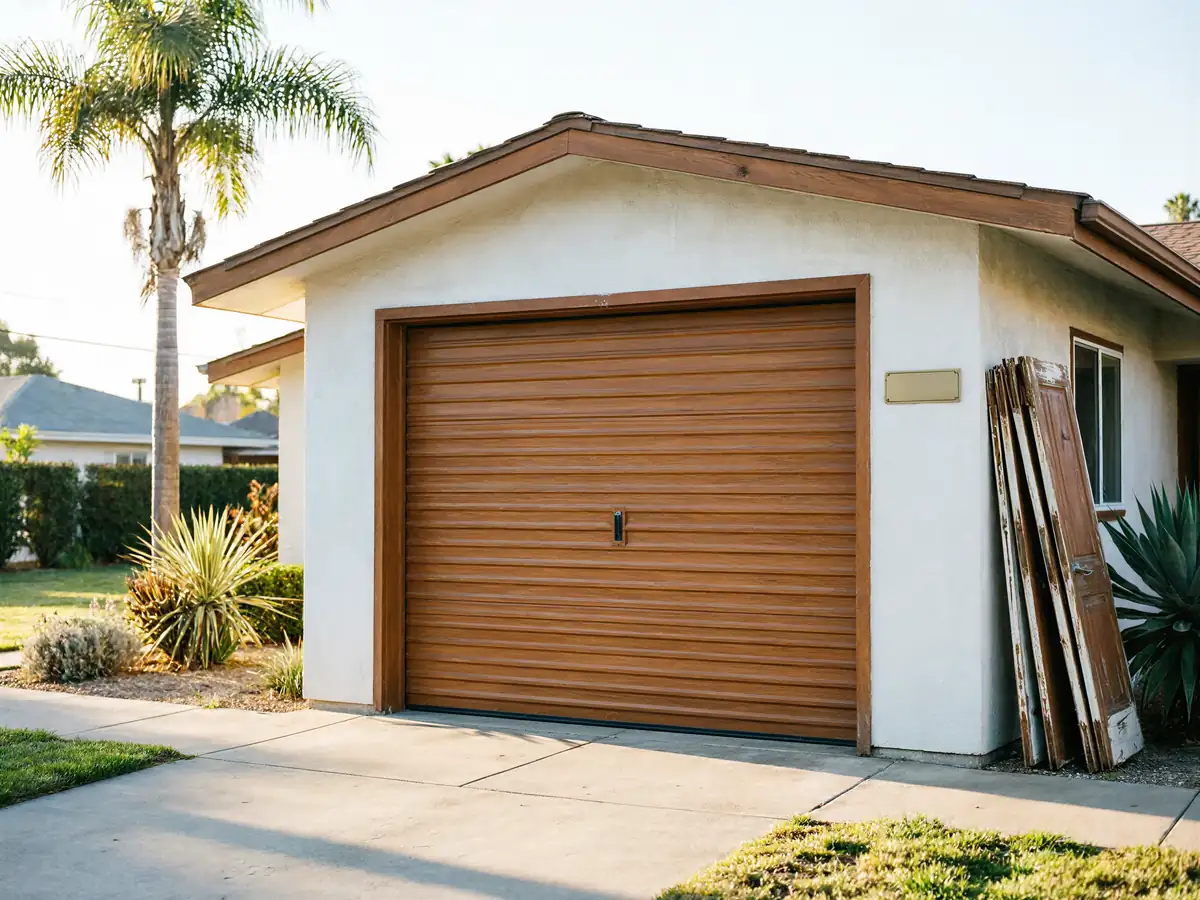
A brown garage door is on a white house with a palm tree.

Garage Door Installation

Redondo Beach homes built in the 1960s and 70s often need wider openings and new track for a modern garage door. Here's what installation really involves.

Learn more
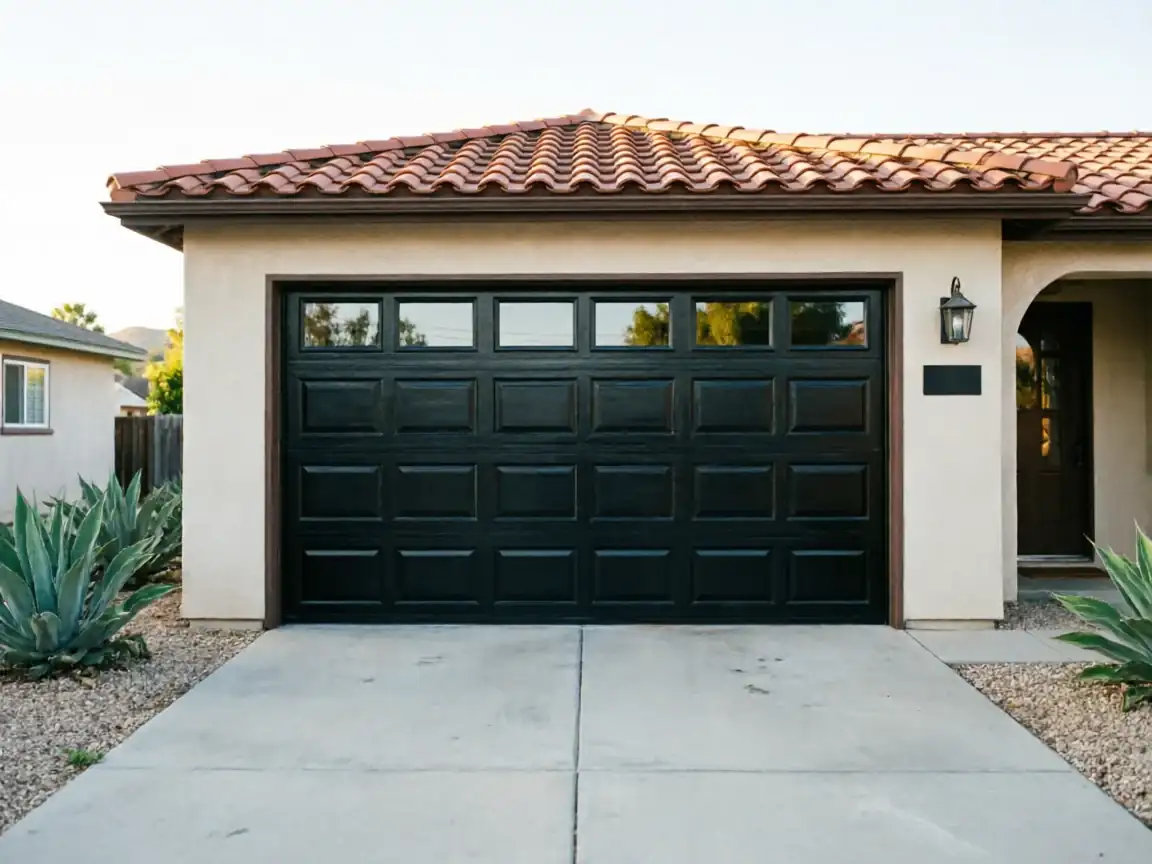
A black garage door with windows is on a house with a red tile roof.

Garage Door Service

Garage door service for Redondo Beach homes built mostly in the 1960s and 70s. We work on original torsion hardware, worn rollers, and springs past their life in this mild coastal climate.

Learn more
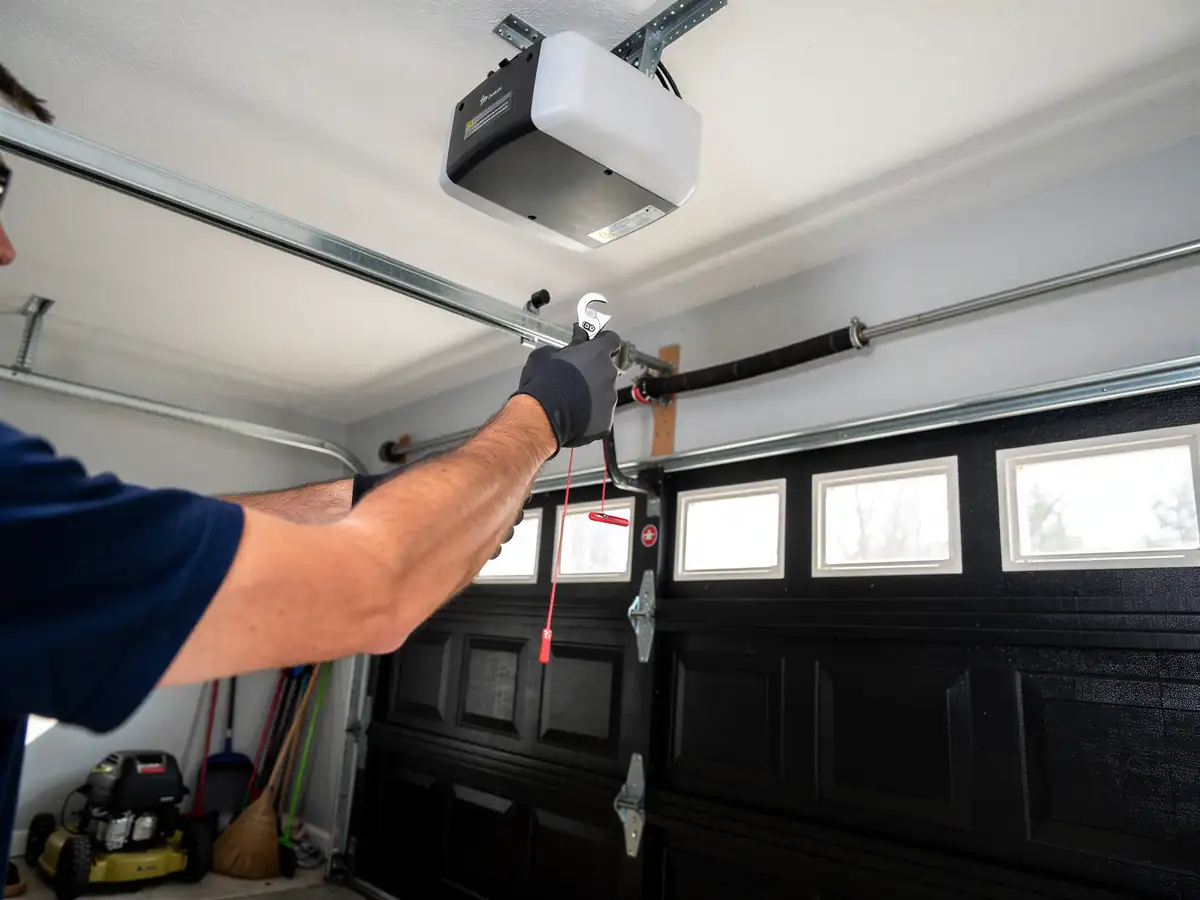
A technician adjusts a garage door torsion spring with a wrench.

Opener Installation

Opener installation and replacement for Redondo Beach homes built mostly in the 1960s and 70s, where original chain-drive units are reaching the end of their duty cycle.

Learn more
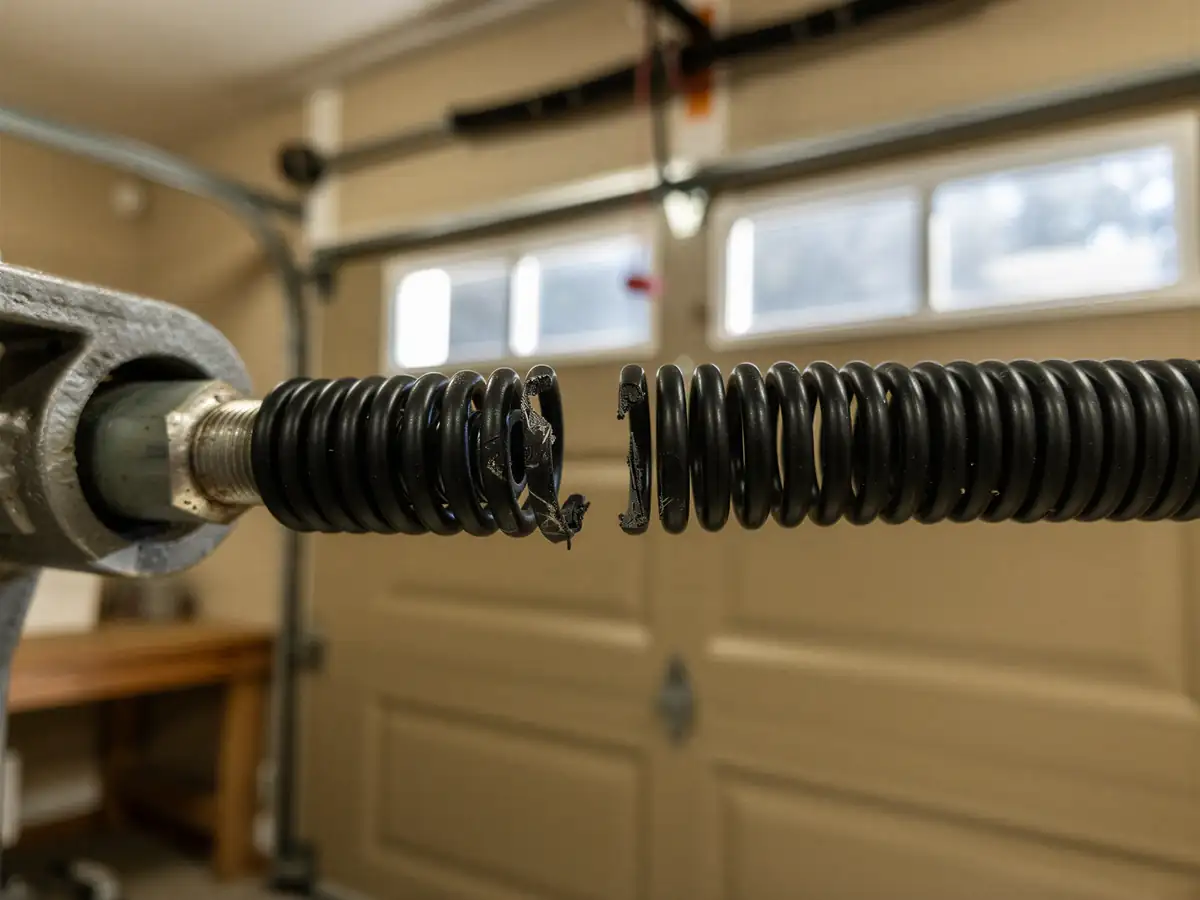
A broken black torsion spring is visible against a tan garage door.

Spring Repair

Broken torsion or extension spring in Redondo Beach? Here's why it happens, how long the fix takes, what drives the cost, and the warning signs to watch for.

Learn more
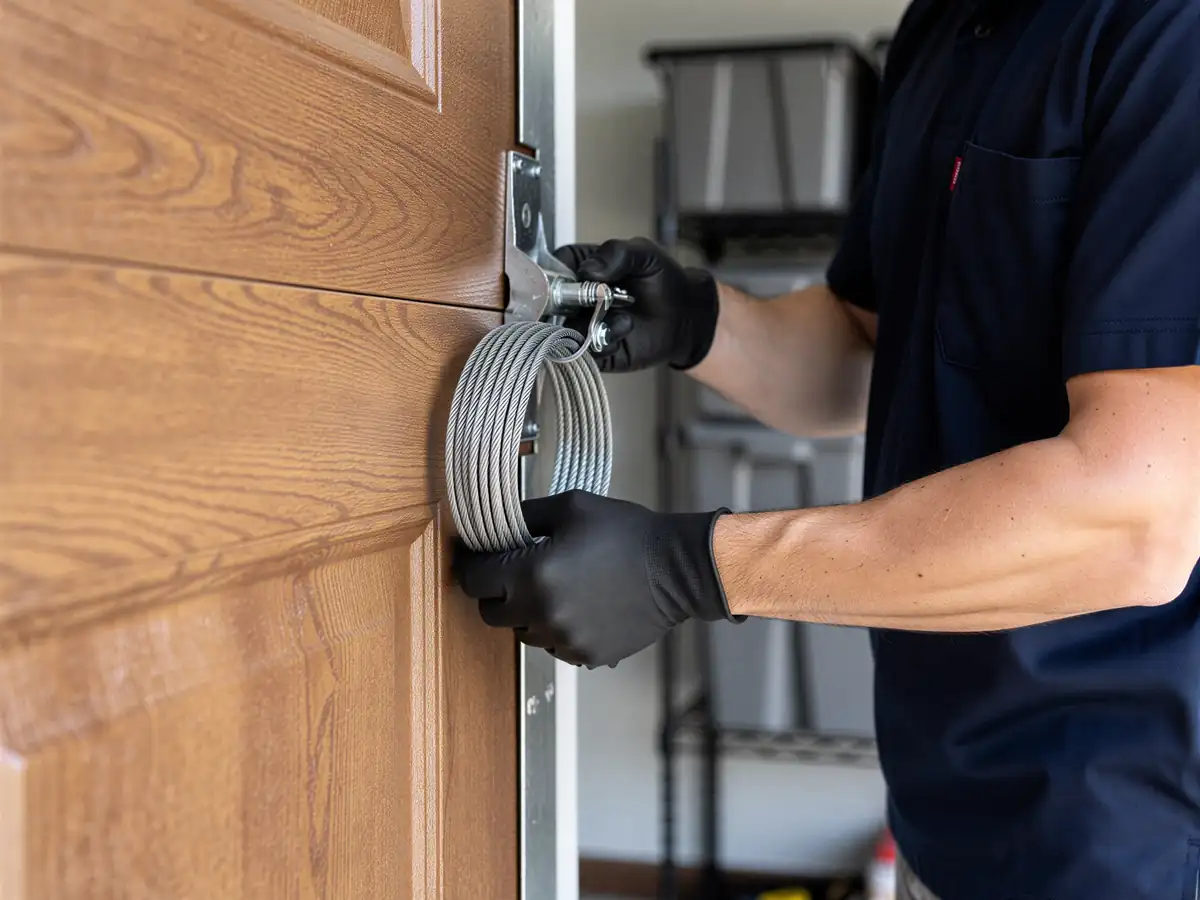
A technician wearing black gloves holds a coiled garage door cable next to a brown garage door.

Cable Repair

Cable repair for garage doors in Redondo Beach, CA, where homes built from 1947 to 2012 run older cable drums and mild coastal air that corrodes them.

Learn more
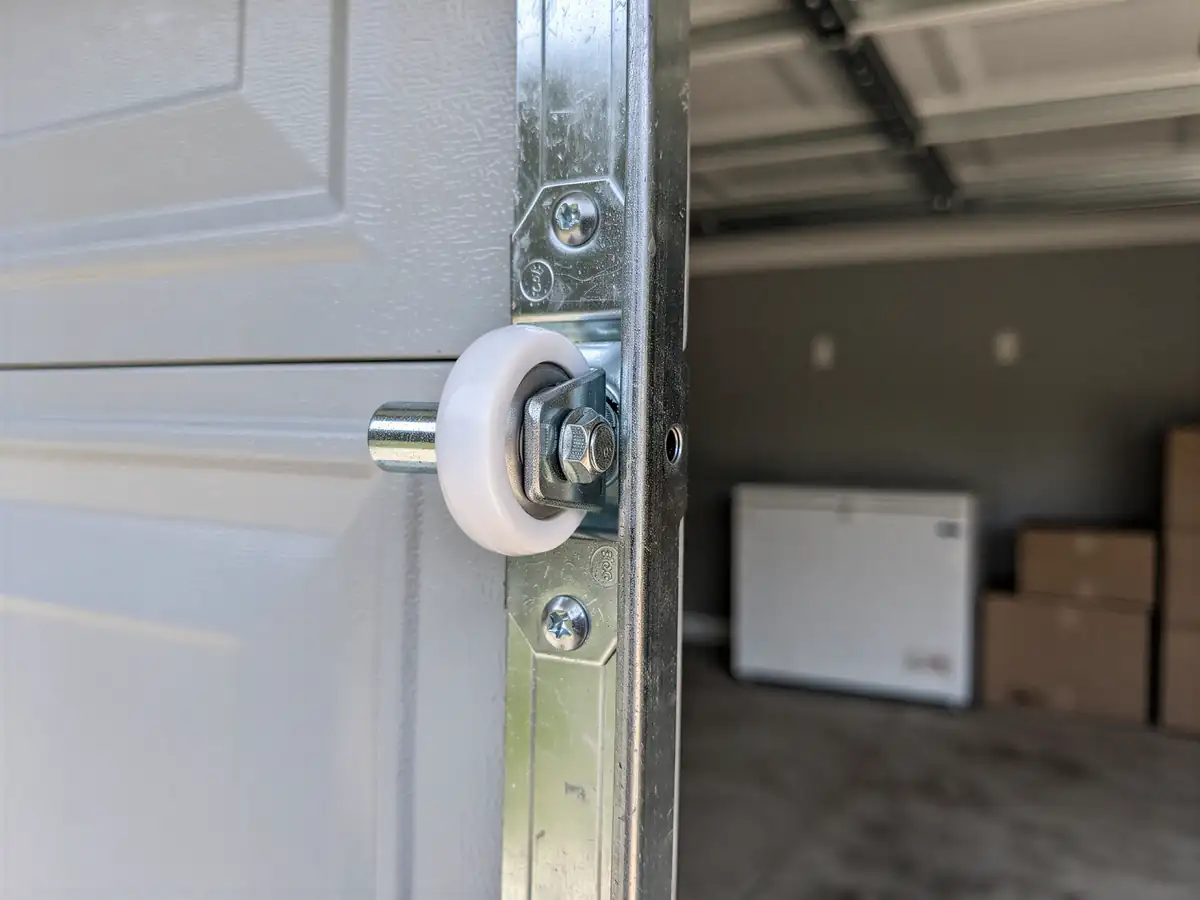
A white garage door roller is attached to a metal track.

Roller Replacement

Roller replacement for Redondo Beach garage doors built mostly in the 1960s and 70s. We cover rollers, tracks, and what drives wear in this housing stock.

Learn more
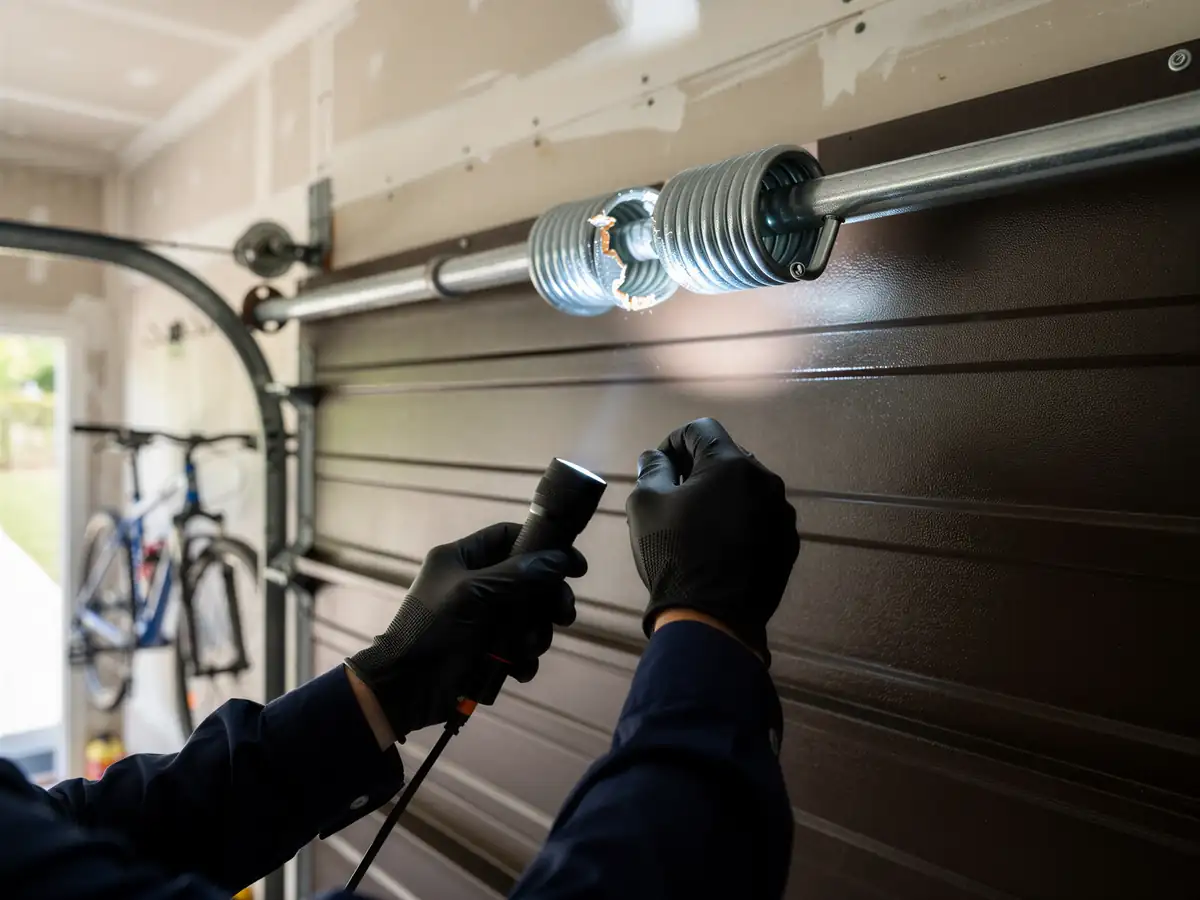
A technician shines a flashlight on a broken garage door torsion spring.

Emergency Garage Door Repair

Spring snaps, cable off the drum, opener dead at 11pm. Redondo Beach Garage Door Pros handles emergency calls across the South Bay service area, day or night.

Learn more
Questions

Frequently asked

Straight answers about garage door repair in Redondo Beach. Still unsure? Ask us directly.

Does my garage door need insulation given how mild it is here?

Mild weather means less urgency, but it doesn't erase the problem. A door built before insulation rules existed is a single layer of steel or wood, and it transfers outside temperature straight through - especially noticeable if your garage shares a wall with the house. It's a comfort and energy question more than a survival one here.

My house was built in the 1960s. Is the original garage door still on it?

It's common. Housing in this area runs 1947 to 2012 with a median build year of 1963, and a lot of that original stock, including uninsulated single-layer doors, is still hanging on original tracks and hardware. If it's never been replaced, there's a good chance what's on the house now is what came with it.

Should I insulate my old door or just replace it?

Depends on condition, not age alone. A door with straight panels and a square-closing frame is usually a fine candidate for an insulation kit. One with rust, sag, or a spring near end of life isn't worth insulating - put that money toward a new door and a correctly sized spring instead.

Ready to get your garage door sorted?

Request a QuoteCall