What Changes With the Season
Redondo Beach sits in a mild temperate climate band, so the door on your garage isn't fighting the hard freeze-thaw cycle that cracks weatherstripping or swells wood panels the way it does inland. That's the good news. The bad news is that mild weather doesn't stop mechanical parts from aging - it just means when something's wrong, it's wear, not weather, and the noise will tell you that plainly.
You won't hear the seasonal creak-and-groan that shows up in places with real winters, where metal contracts and a track pulls slightly out of line every cold morning. Here, a noise that shows up suddenly is almost never the season doing it. It's a spring losing tension, a roller going dry, or hardware that's simply reached the end of its working life. One honest limitation: we can't diagnose a noise over the phone with any real confidence. Sound travels oddly inside a garage, and what sounds like a grinding opener gear might be a loose bracket three feet away. A noise worth asking about is worth a look in person.
What Local Conditions Do
Housing in the service area was mostly built between 1947 and 2012
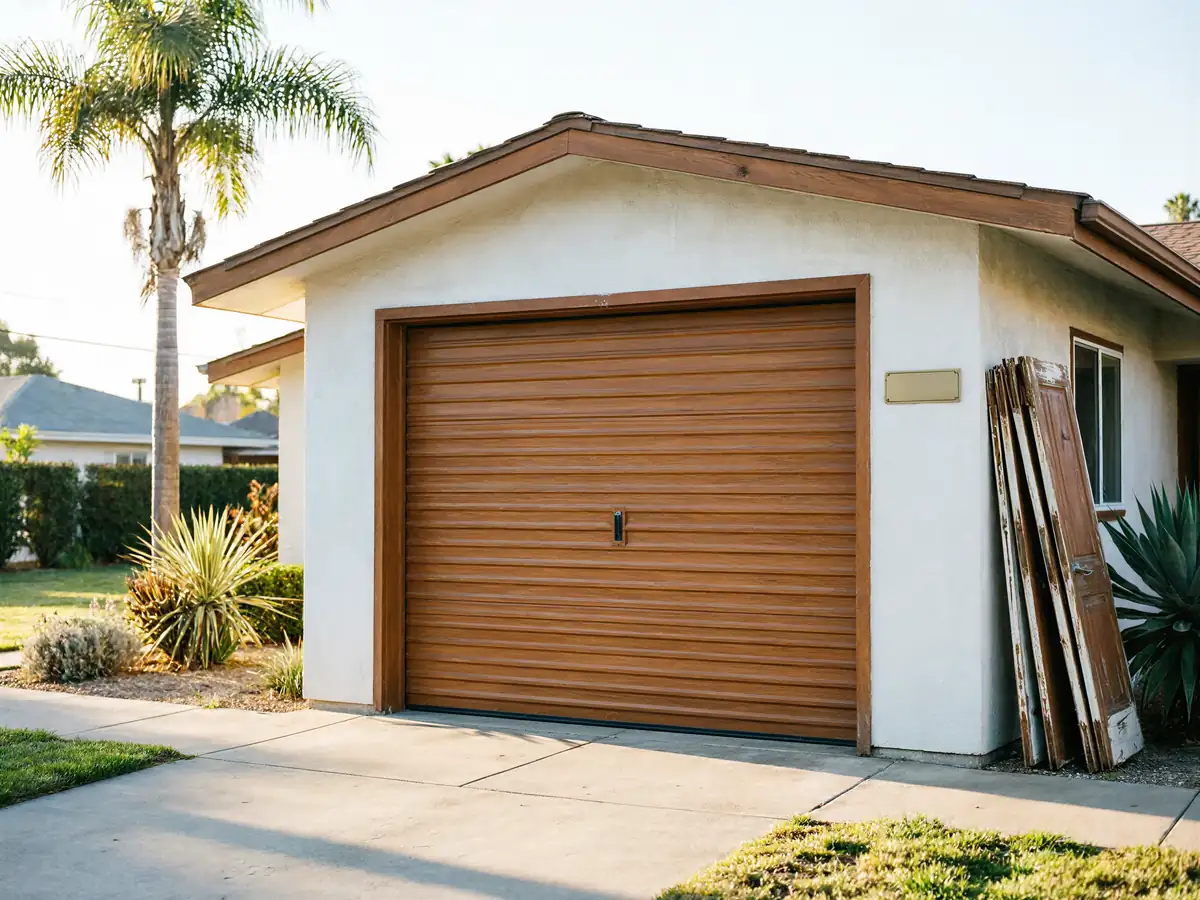
With the typical year landing around 1963, and most of the 41 named areas in this stretch of the South Bay went up in the 1960s and 70s. That matters because garage door hardware from that era - torsion springs, steel sectional panels, the first generation of chain-drive openers - was never built with a 50- or 60-year service life in mind.
A lot of these garages still have original springs or openers that have simply outlasted their design life by decades
Across the service area's 452,101 households, 147,195 are owner-occupied houses, and that's the group most likely to still be running a door that's closer to its 1963 birth year than to today. The parts on those doors wear the same way everywhere, but the timing is tied directly to when the house went up. A door installed in 1965 and a door installed in 2005 are going to fail differently, and the noise each one makes on its way out is different too.
- 452,101 households
What Is Going On
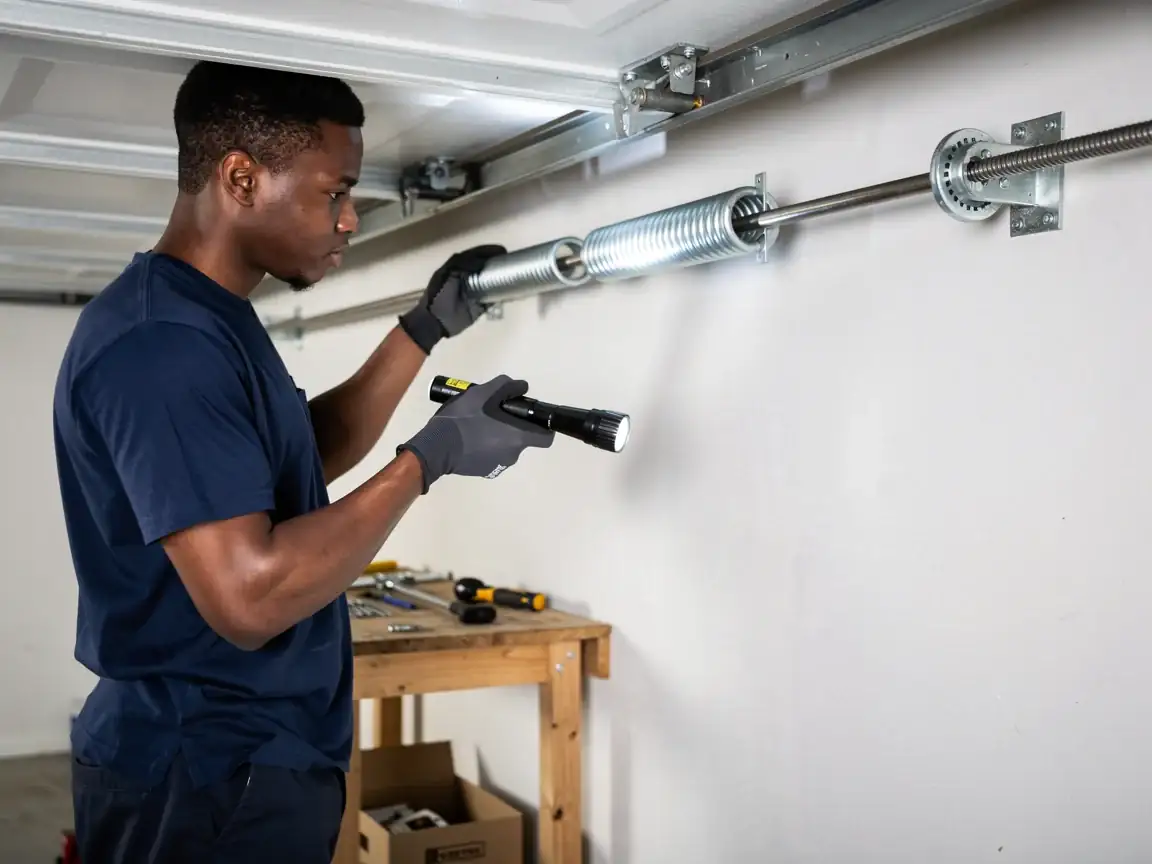
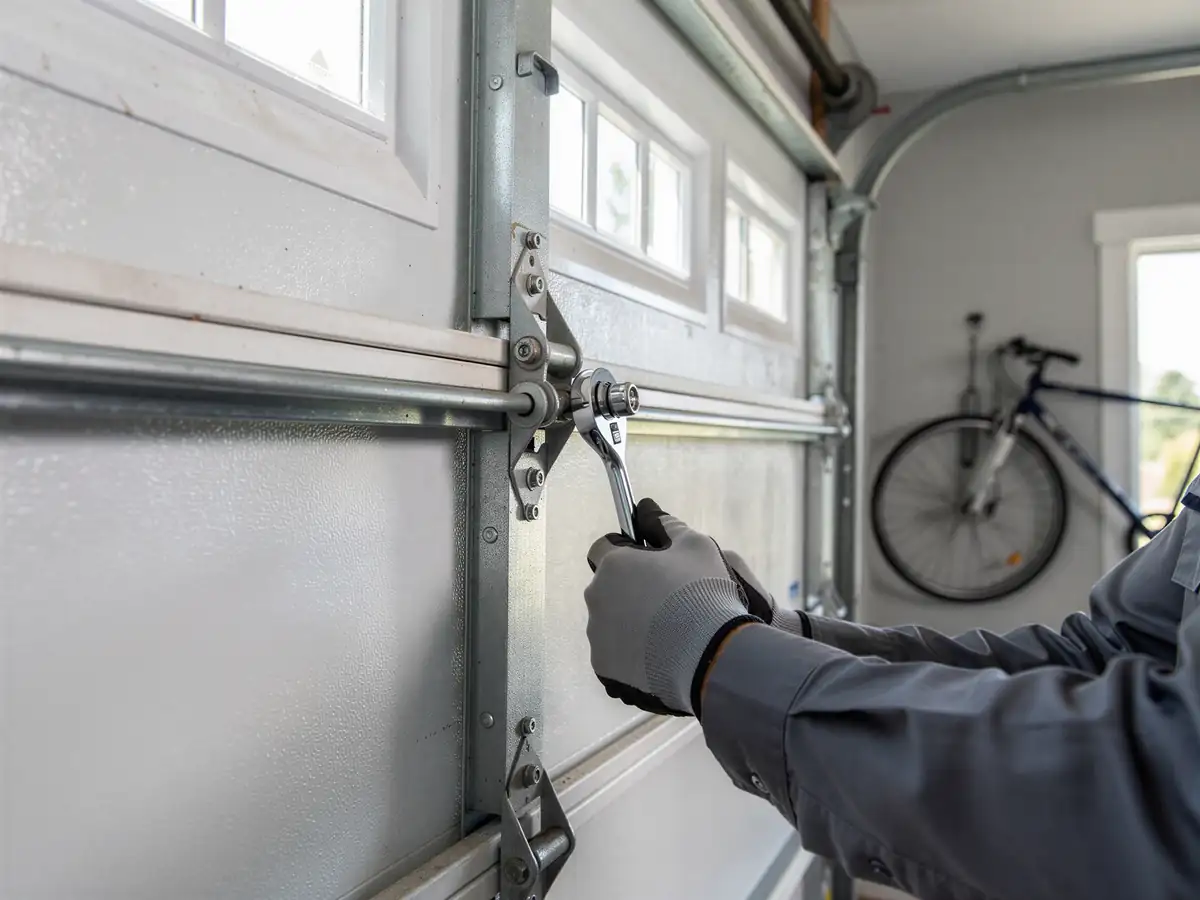
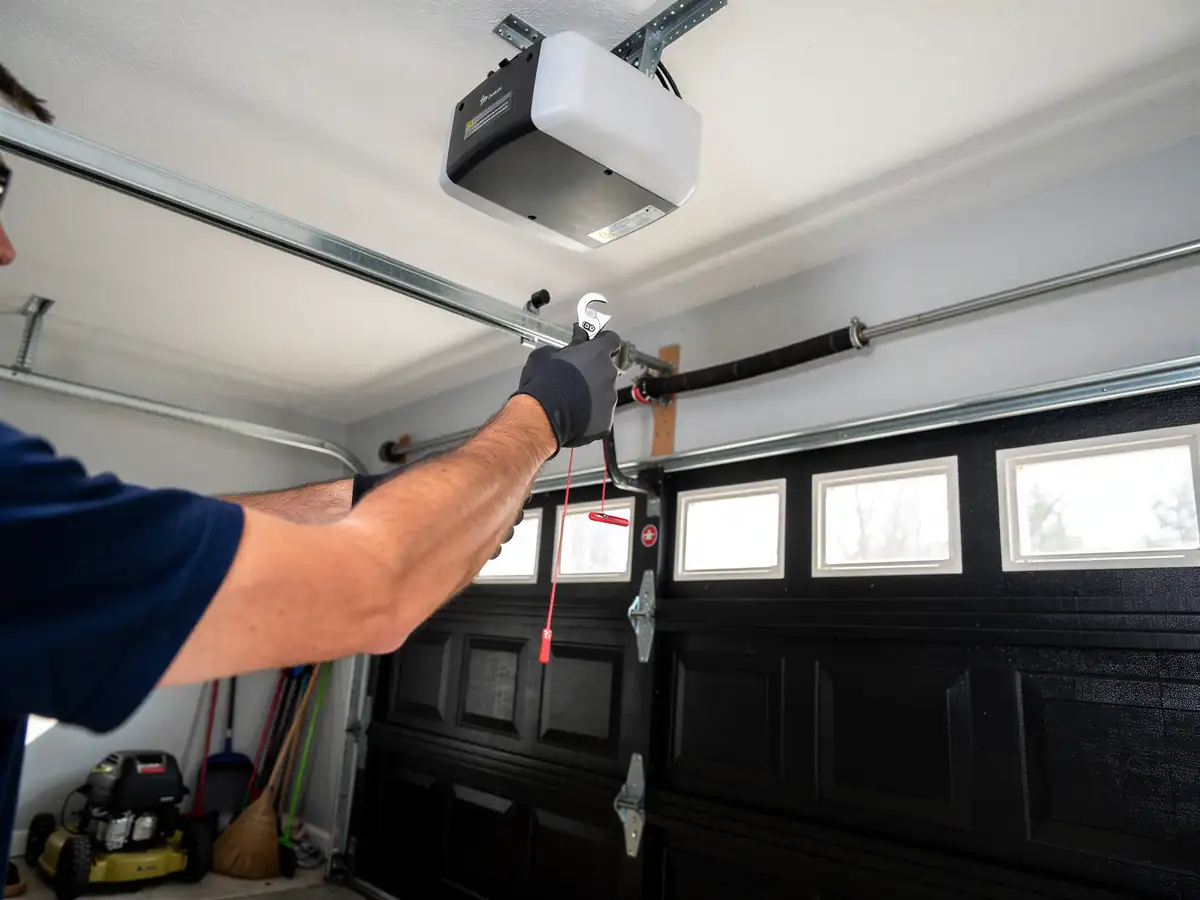
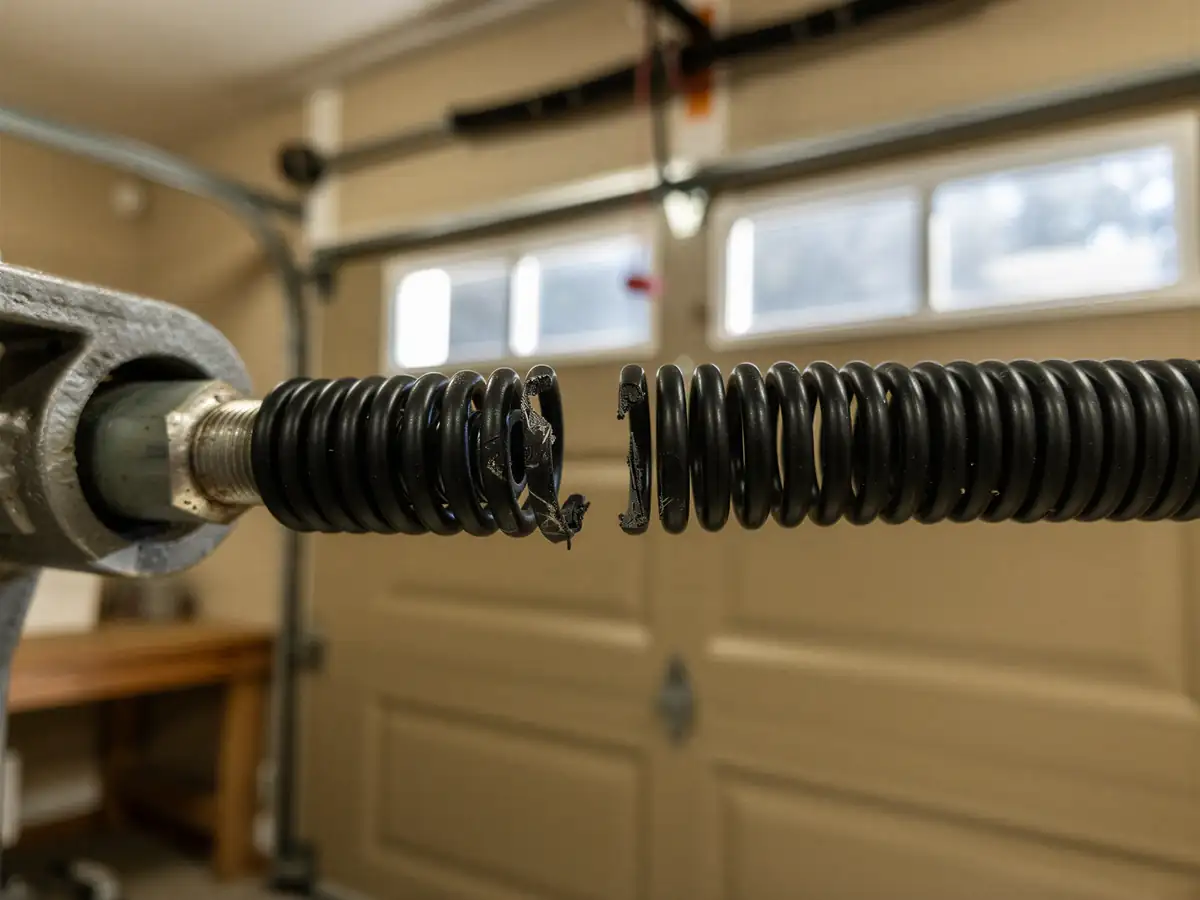
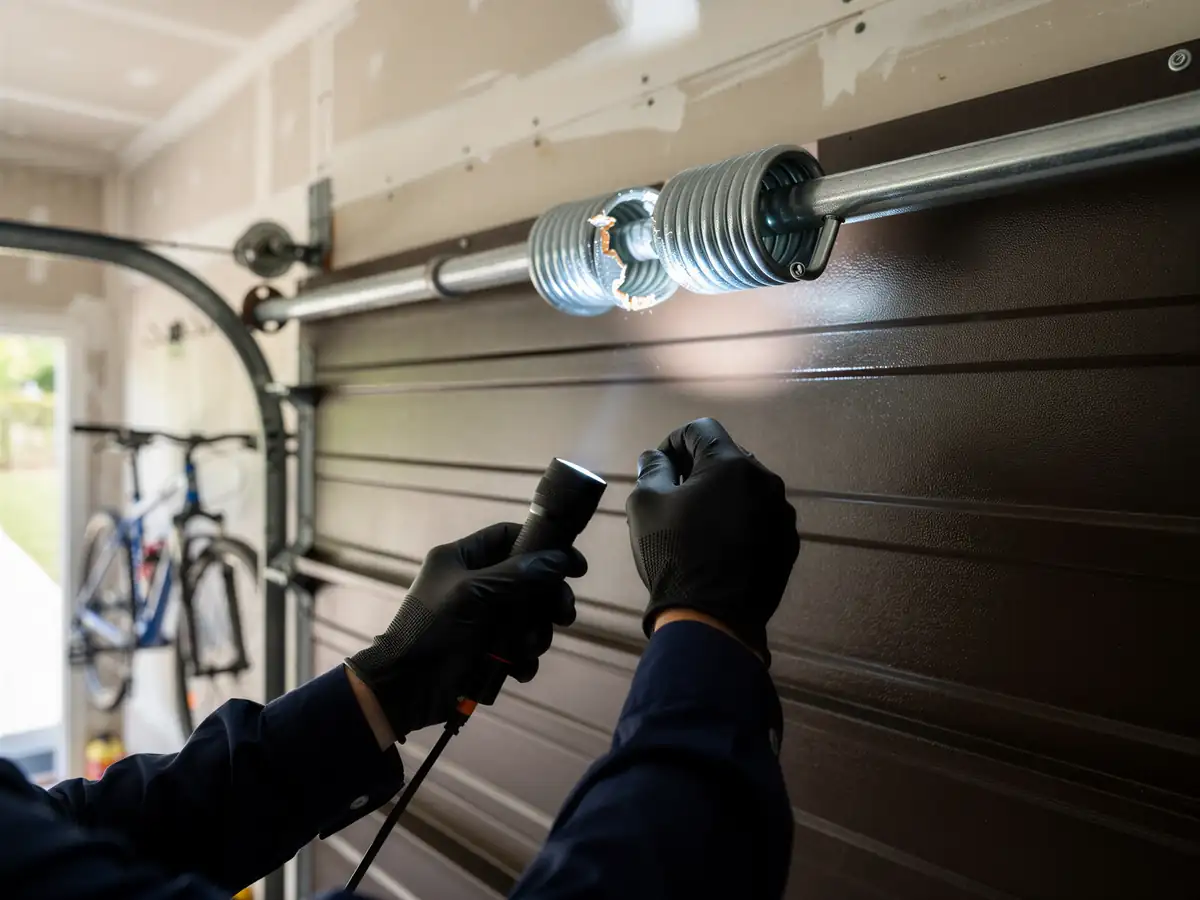
A loud bang on opening is almost always a torsion spring letting go - on an older door from the 1960s-70s stock common here, that spring has usually been doing its job silently for decades before it snaps. A grinding or metal-on-metal sound from the opener itself usually means the gear inside the unit has worn down, which is common once an opener is pushing past its expected lifespan.
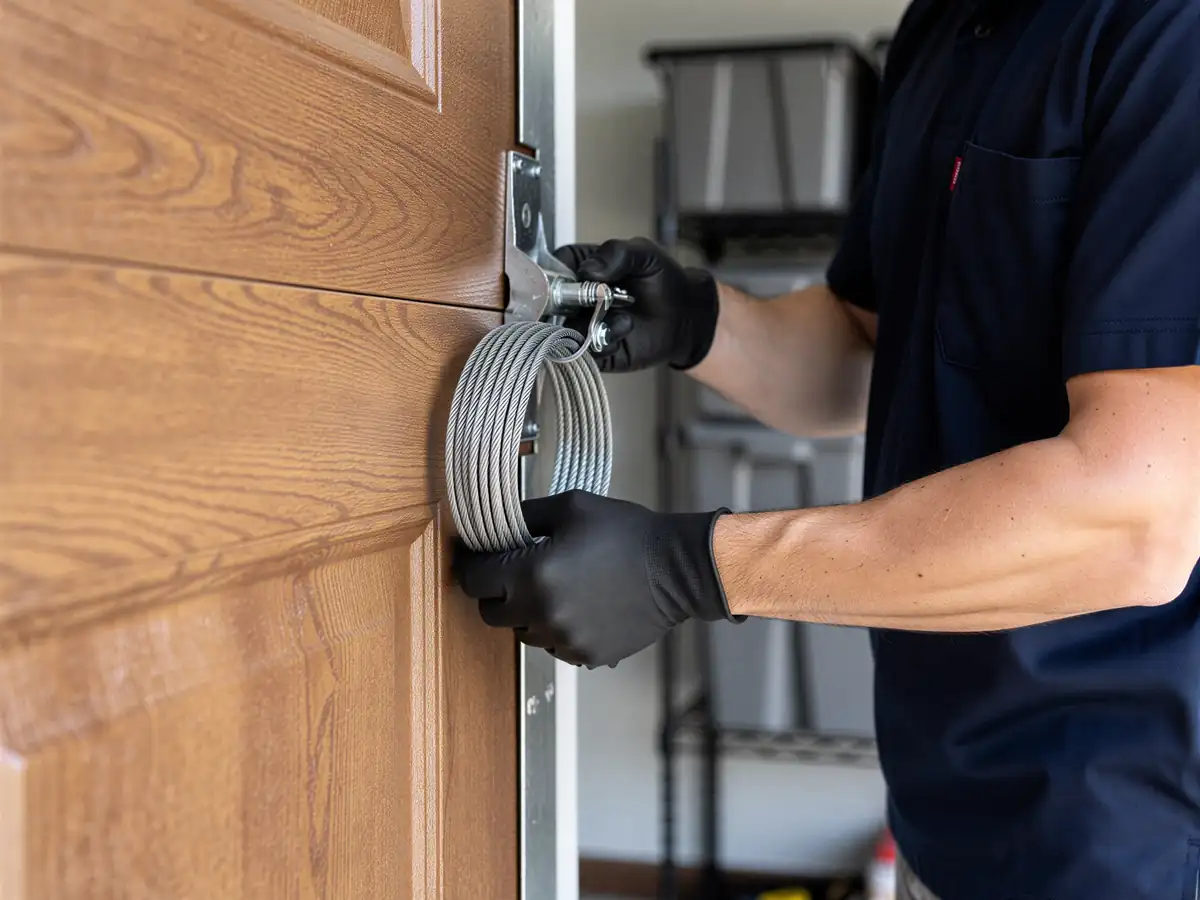
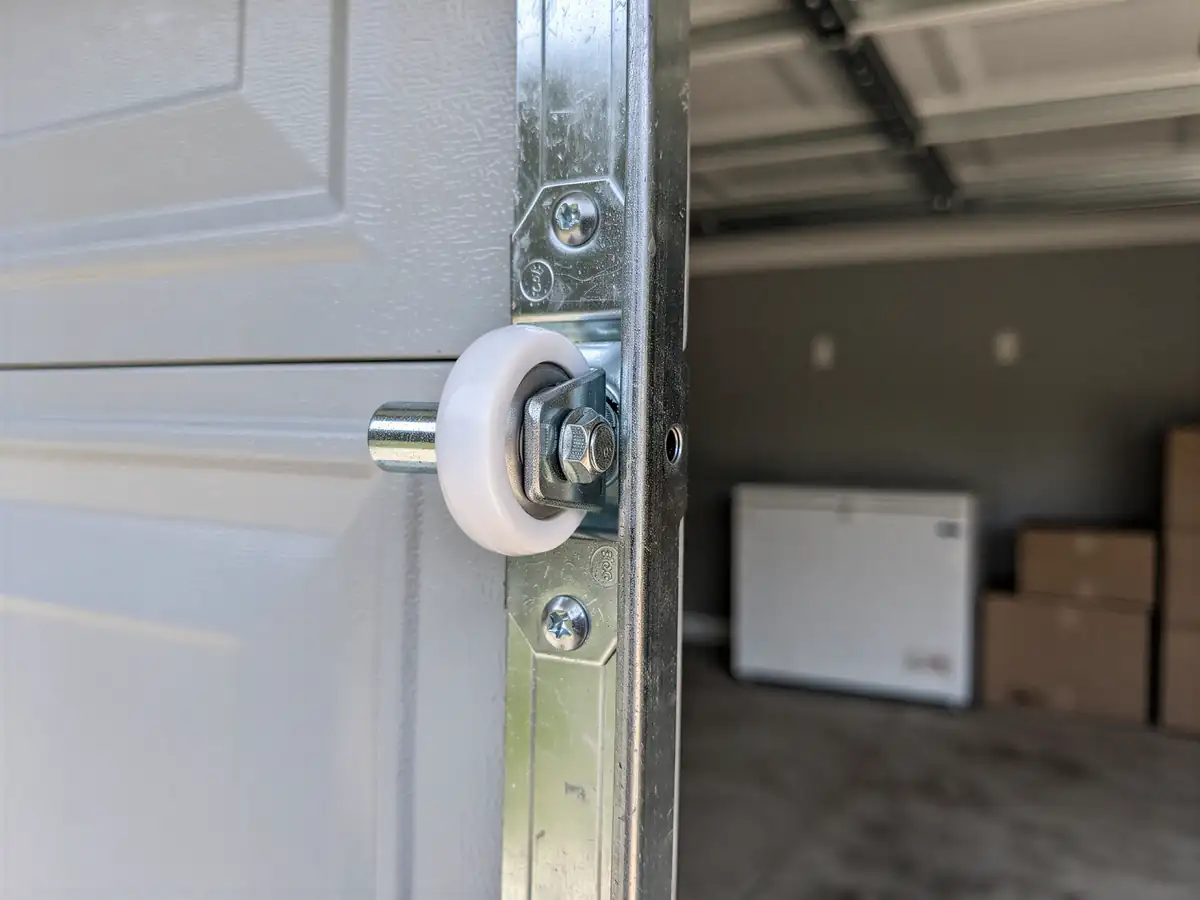
A rhythmic slapping or clunking as the door travels is often a bent track section or a roller that's worn through its bearing - rollers are one of the few parts that wear out on a predictable schedule regardless of the door's age. A high-pitched squeal is usually just dry hinges or rollers, the cheapest fix on this list. A rattle that gets worse the higher the door goes can mean a cable starting to fray, which is not a wait-and-see item.
At a median household income of $92,920 across the service area, a lot of homeowners here are weighing whether to fix a 60-year-old opener or just replace it outright. For hardware this old, replacement is usually the simpler call once more than one part is failing at the same time.
When to Get Help
Stop using the door the moment you hear a sudden bang, see a visible gap in a coiled spring, or notice the door hanging unevenly on one side - that's a safety issue, not a maintenance item, especially on heavier original steel panels from the 1960s-70s builds common across this area. A grinding opener that still functions can usually wait a few days for a call. A door that won't stay up on its own cannot.
Here's the honest limitation: if your opener is original to a house built around 1963, the control board or logic unit may be long discontinued, and sourcing a matching part can take longer than a same-week repair on newer equipment. Sometimes the faster, cheaper path is swapping the opener rather than hunting down an obsolete board. We'll tell you straight which one makes sense once we've seen the door, rather than guessing from a noise described over the phone.