What Changes With the Season
Redondo Beach sits in a mild temperate climate band, with none of the hard freeze-thaw cycles that crack concrete slabs and shift door tracks the way they do in colder parts of the country. There's no deep frost heave lifting a slab an inch overnight, no week of sub-zero cold that shrinks steel track enough to pull it off a bracket. That's the good news.
The bad news is that a mild, steady climate doesn't stop a track from going bad, it just changes why it happens. Without weather doing the damage, the wear is almost entirely mechanical and age-related: a roller that's worn its wheel flat, a bracket that's been flexing under a slightly heavier door than it was rated for, a cable that's stretched a fraction more on one side than the other. The door drifts off true a little at a time instead of all at once in a storm.
That slow drift matters because it's easy to miss. A door that's half an inch off at the bottom corner doesn't look wrong. It just starts binding on one side, or the opener starts working a little harder than it used to, until one day a roller jumps the track entirely.
What Local Conditions Do
Housing in this part of the South Bay
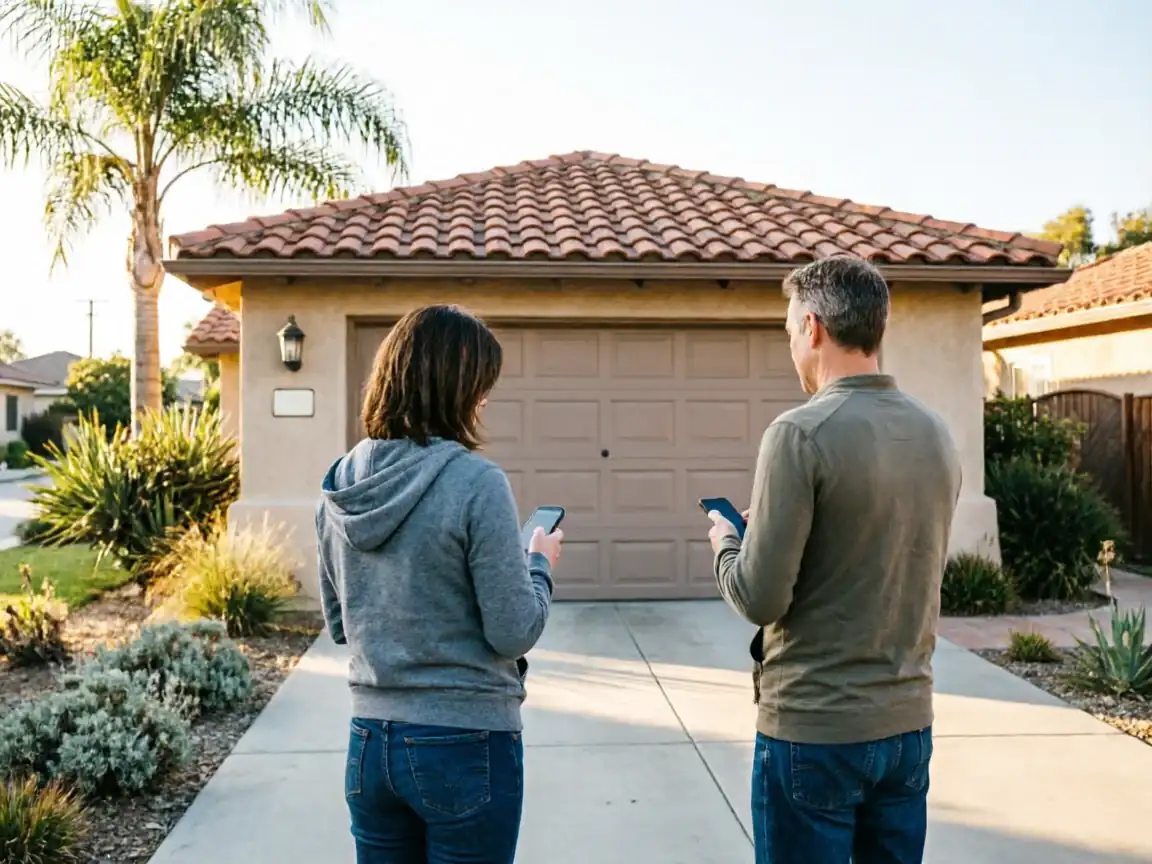
Including the stretch toward mostly went up between the late 1950s and the 1970s, with a median build year across the area of 1963. A garage built then got a track system sized for the door and opener technology of that era, mounted to framing that's now six decades old.
That original hardware is often still in place
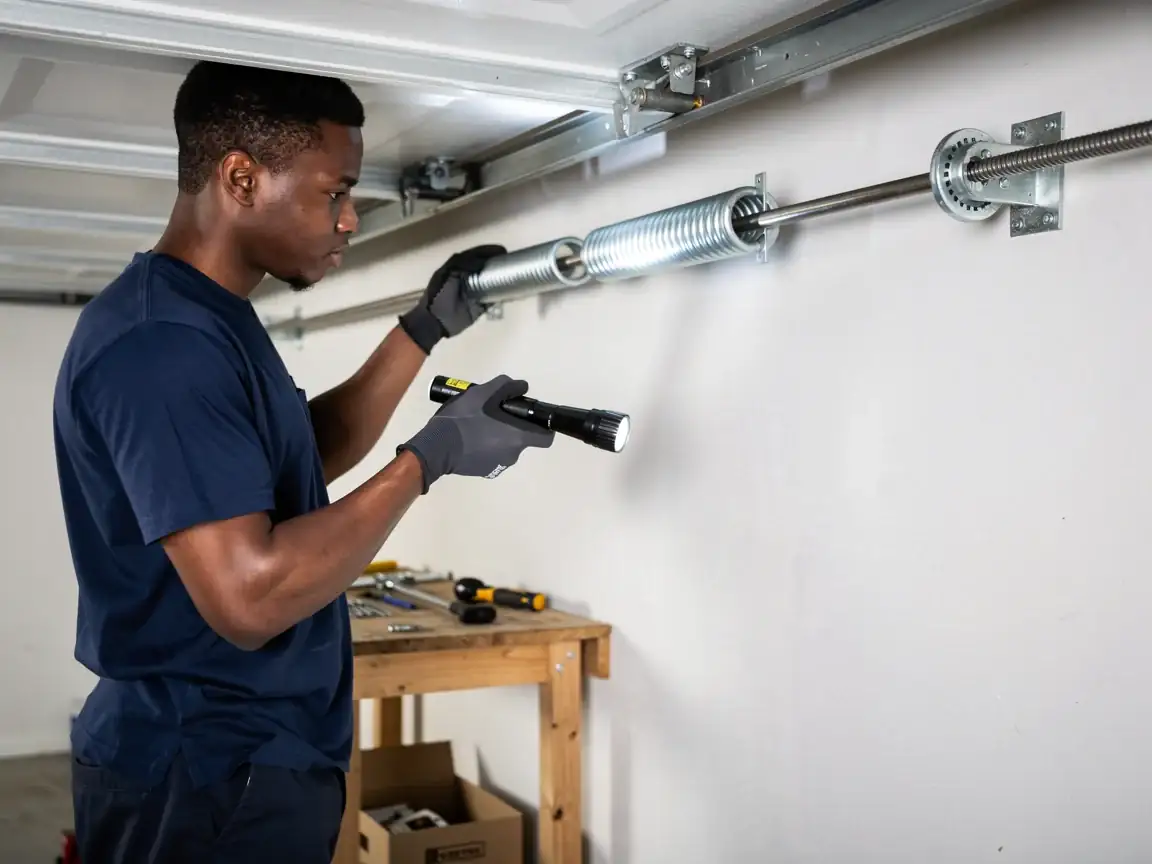
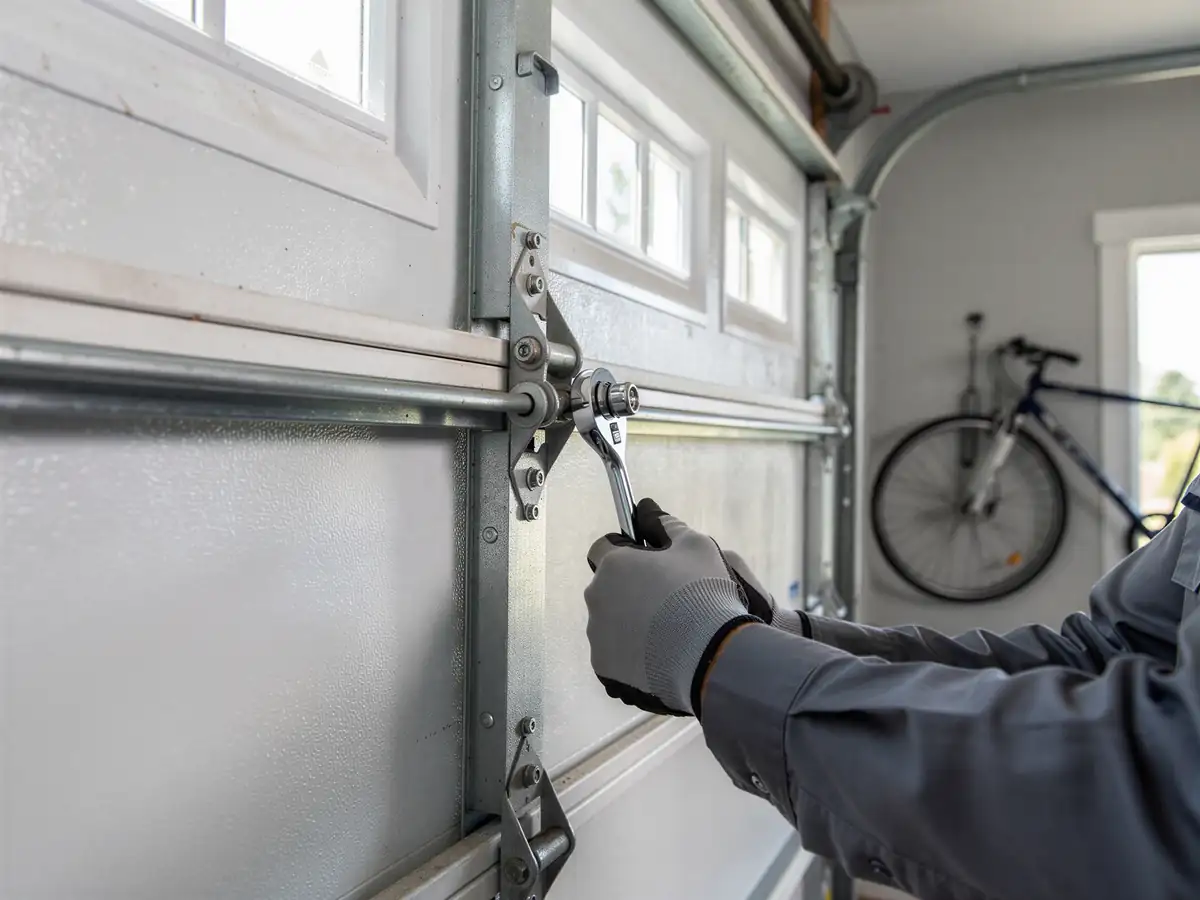
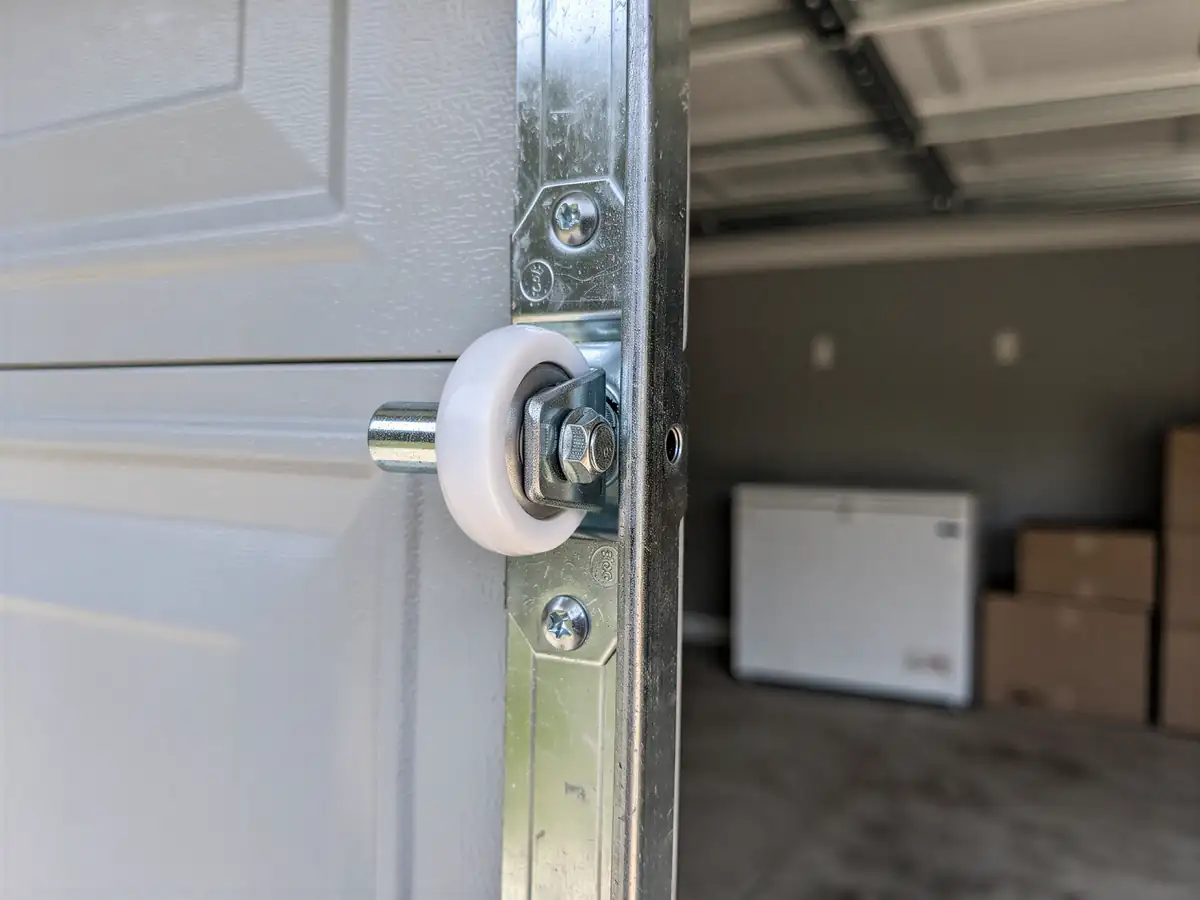
Steel track doesn't wear out on a schedule, but the brackets holding it to the jamb do loosen over time as the wood they're screwed into dries and shrinks a little, year after year, even in a climate as mild as this one. A bracket that's lost its grip lets the track rack sideways under load, and a racked track is the single most common reason a roller pops loose.
Across the 41 named areas that share this same era of construction
From Lawndale to Gardena to West Carson, the pattern repeats: a door running on hardware installed when the house was framed, carrying a weight and a cycle count nobody designed it for in 1963.
What Is Going On
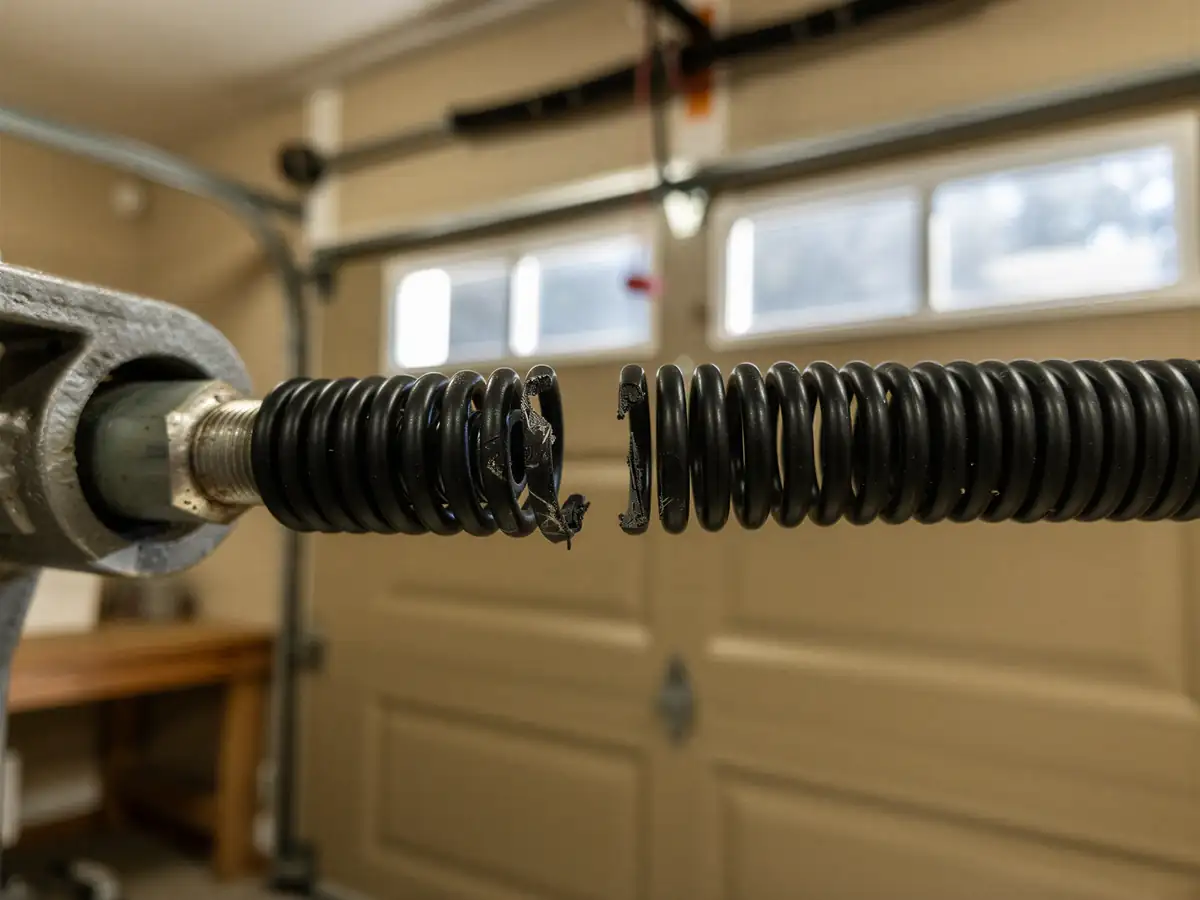
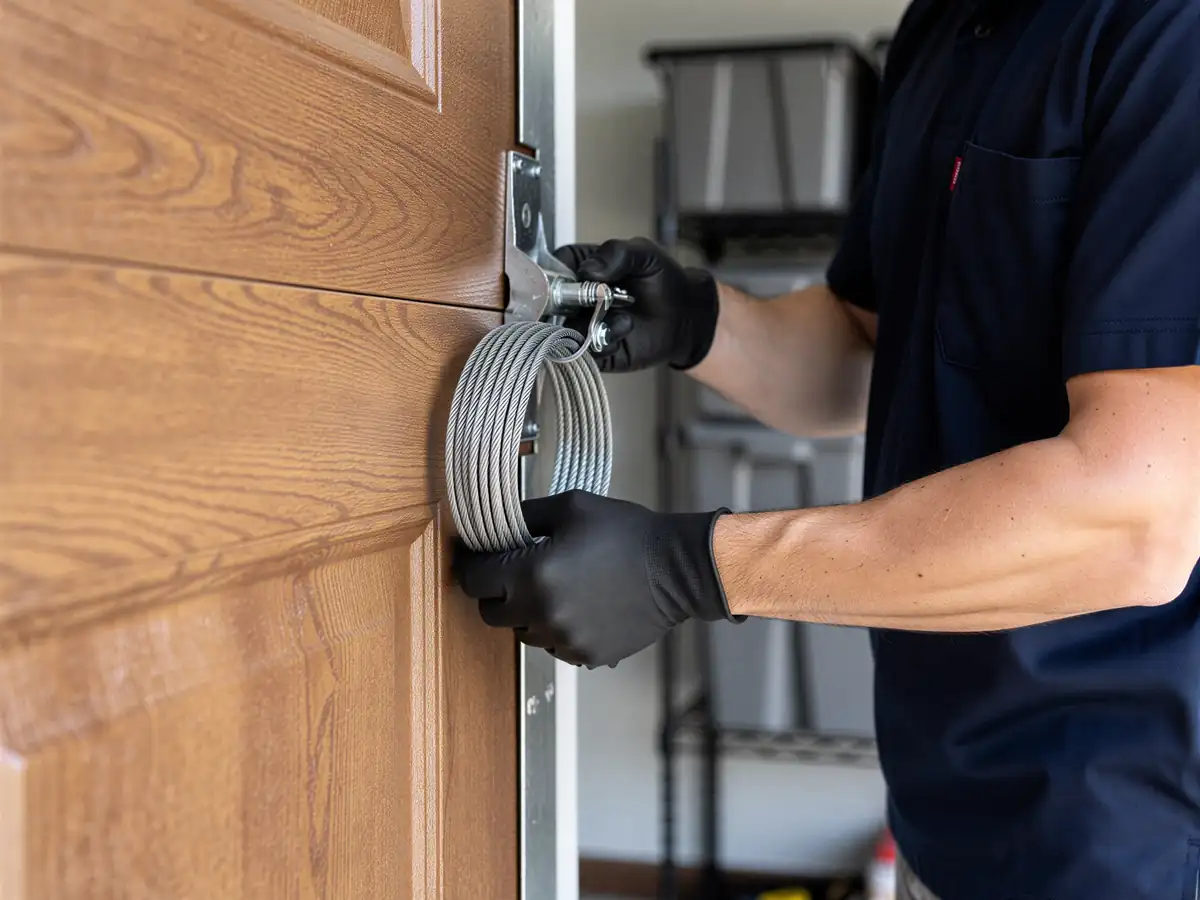
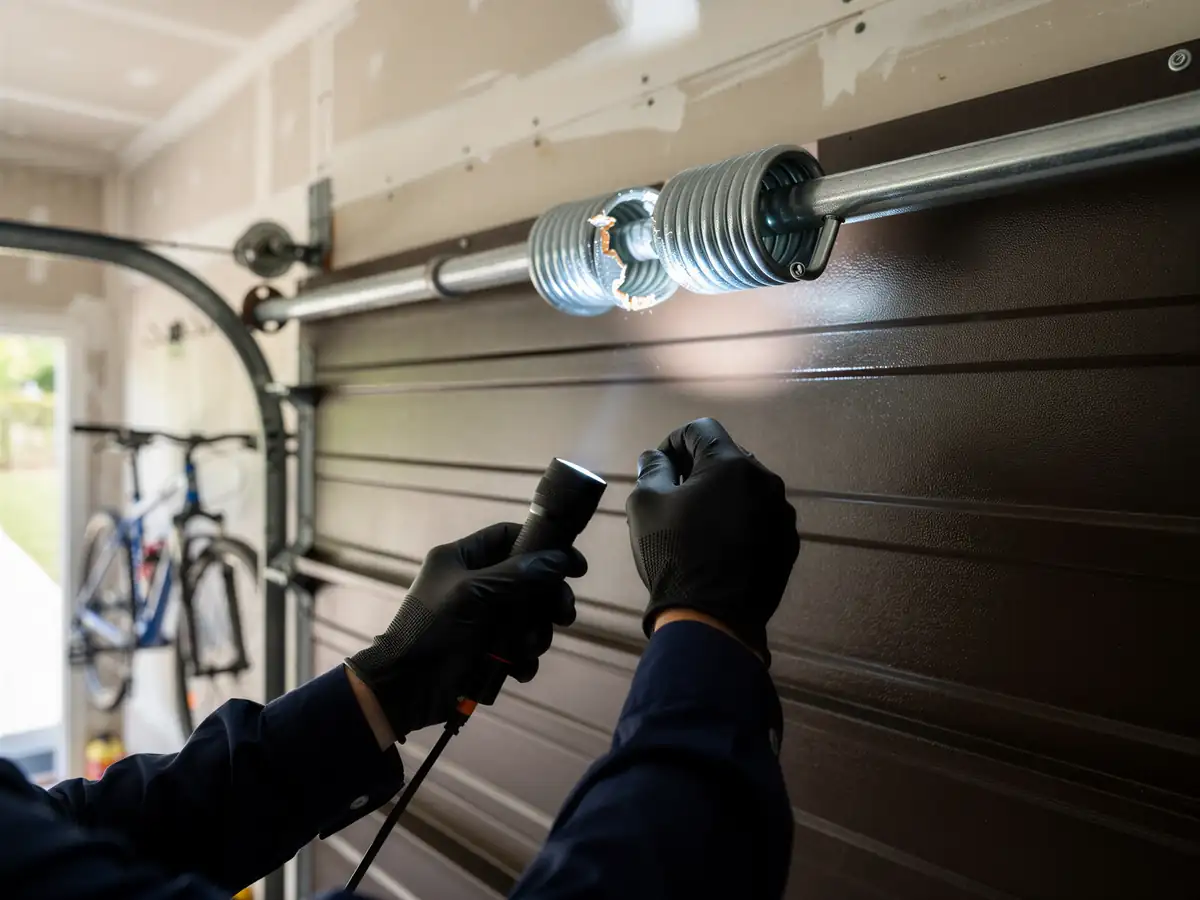
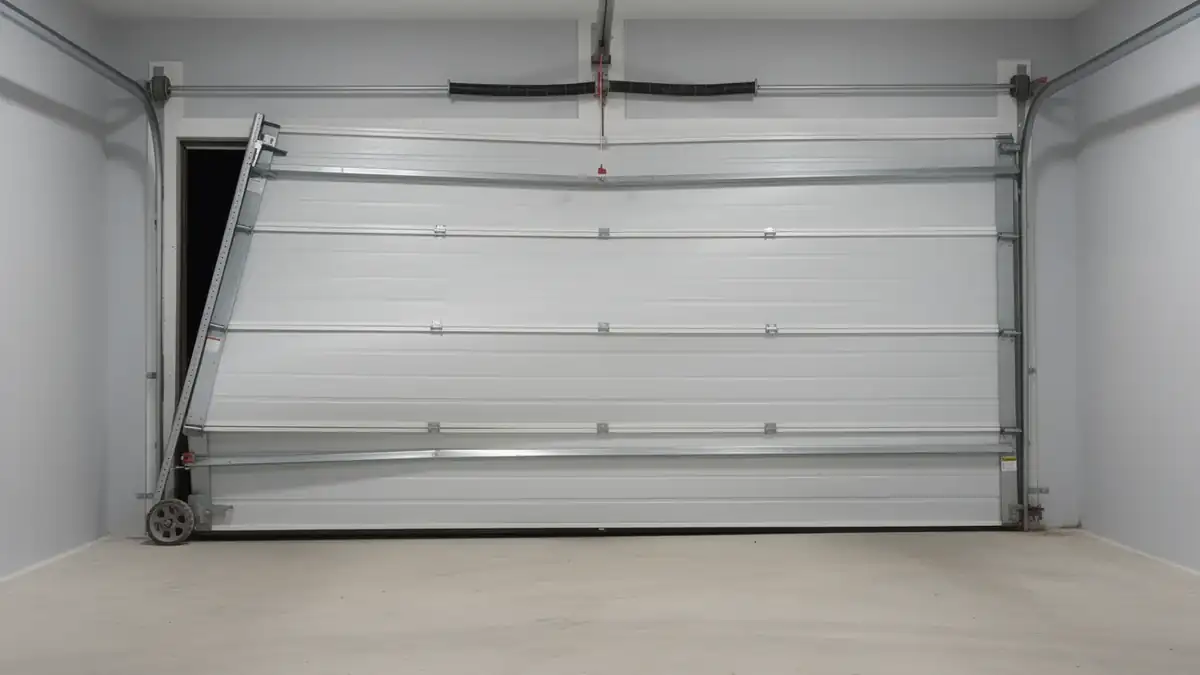
When a door comes off track, it's almost always one of four things: a bent section of track from an impact, a loose or rotated bracket letting the rail lean, a cable that's frayed or come off its drum unevenly, or rollers that are simply worn down to the point they no longer seat in the channel. On a house with original hardware from the 1960s or 70s, it's usually the bracket or the rollers, because those are the parts that take direct wear every time the door cycles.
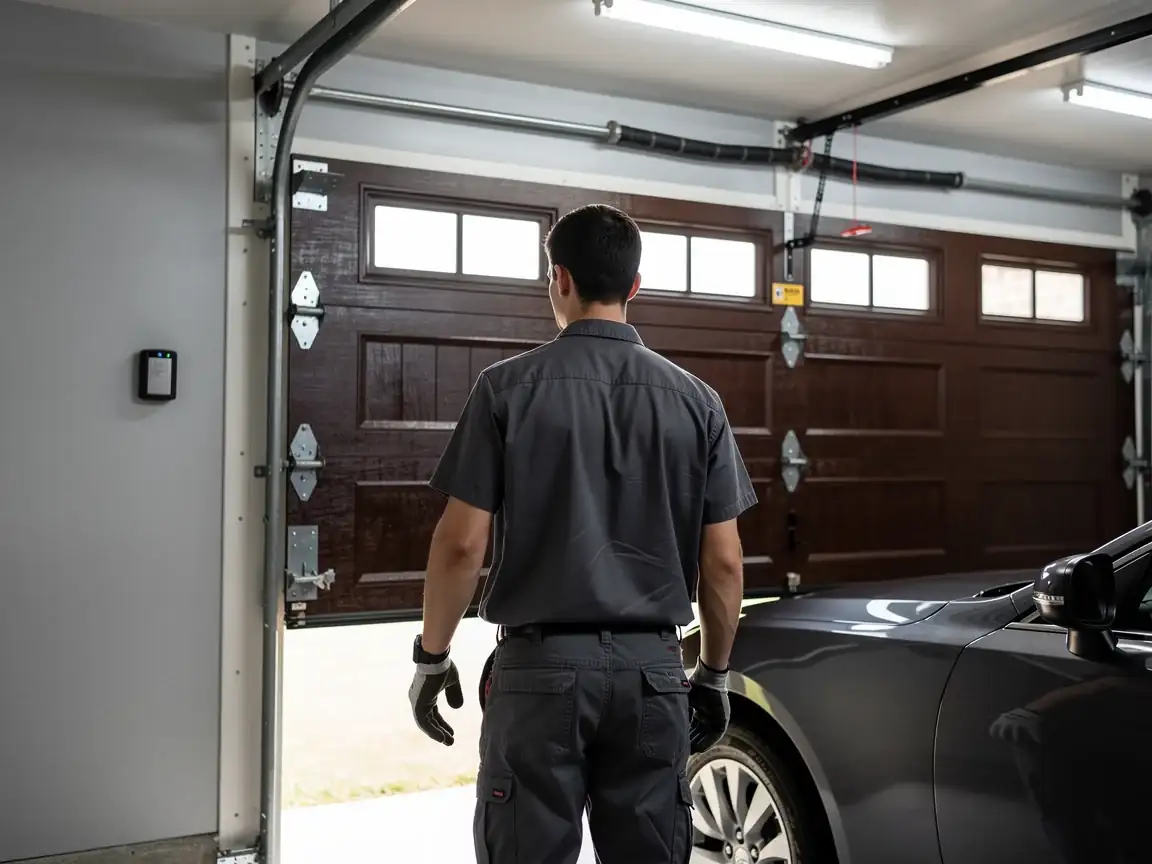
A door that's binding on one side before it fully derails is usually telling you the track is still attached but no longer square to the opening. Forcing the opener through that bind is what turns a bent track into a torn-off bracket and a door hanging from one side.
I'll be straight about a limit here: once a track is badly bent or a bracket has pulled chunks out of rotted jamb wood, realigning it is a short-term fix. The honest call at that point is often a new track and bracket set, not another round of bending the old one back into shape.
When to Get Help
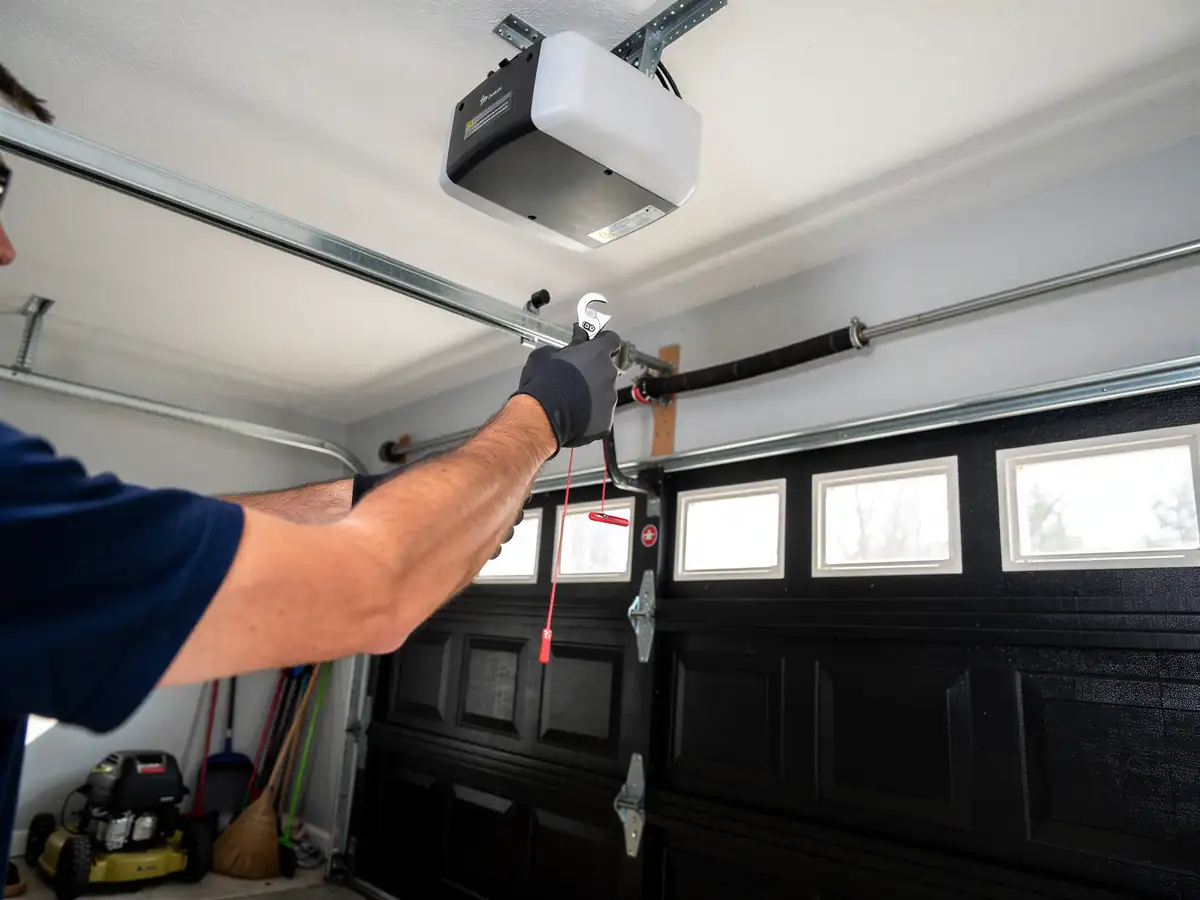
Stop using the door the moment it looks crooked in the opening, even slightly. A door that's off track can still run on the opener for a few more cycles, and that's exactly when a roller finishes the job and comes all the way out of the channel, sometimes with the panel dropping on one corner.
Don't try to force a stuck door back onto the track by hand, especially if there's any tension left in the springs. That's the fastest way to get a cable or a finger caught in the mechanism.
With a median household income of $92,920 across the service area, most owners here can afford to get a track properly realigned or replaced rather than patch screws into wood that's already given up its grip. If your garage is one of the many in this area still running 1960s or 70s hardware, a track that's starting to lean is worth a look before it becomes a door that won't open at all.
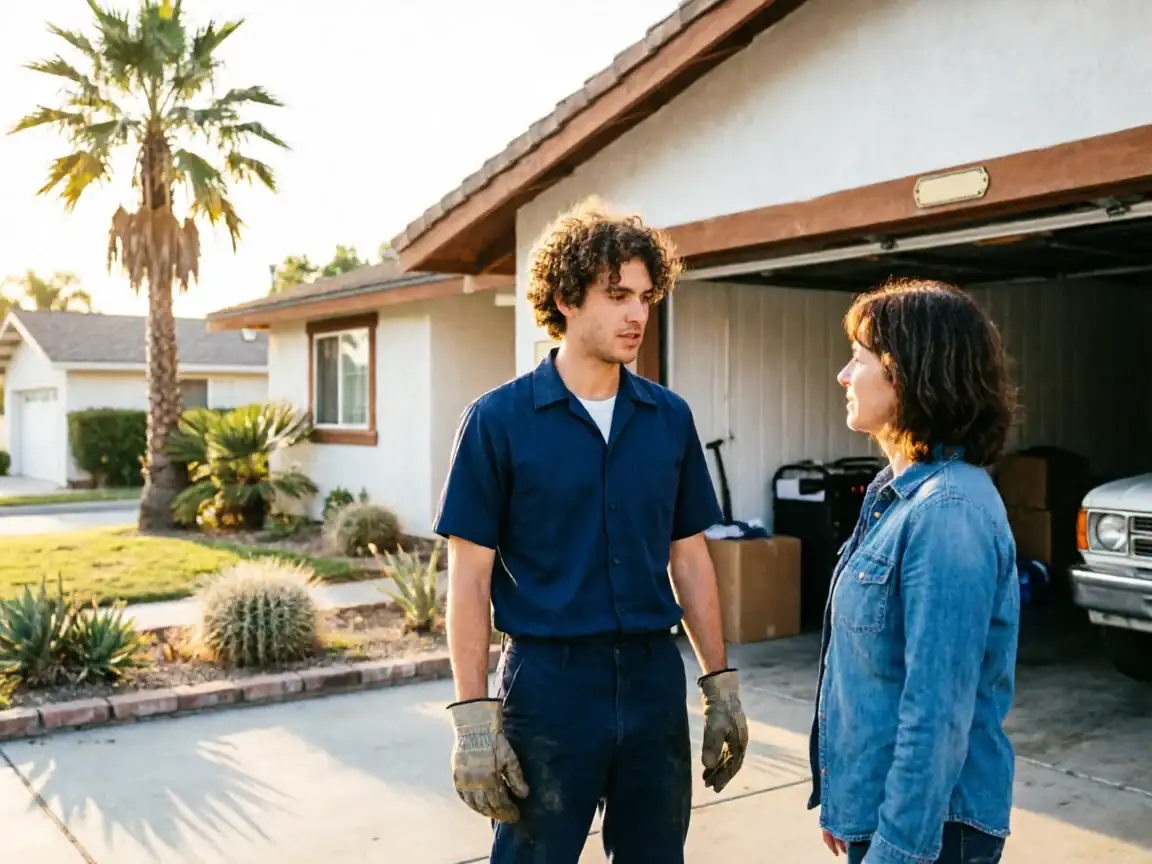
Call for a look if the door hesitates, scrapes, or sits crooked, we'll tell you straight whether it's a bracket, a roller, or something the track can't be trusted to hold anymore.