What Causes It Around Here
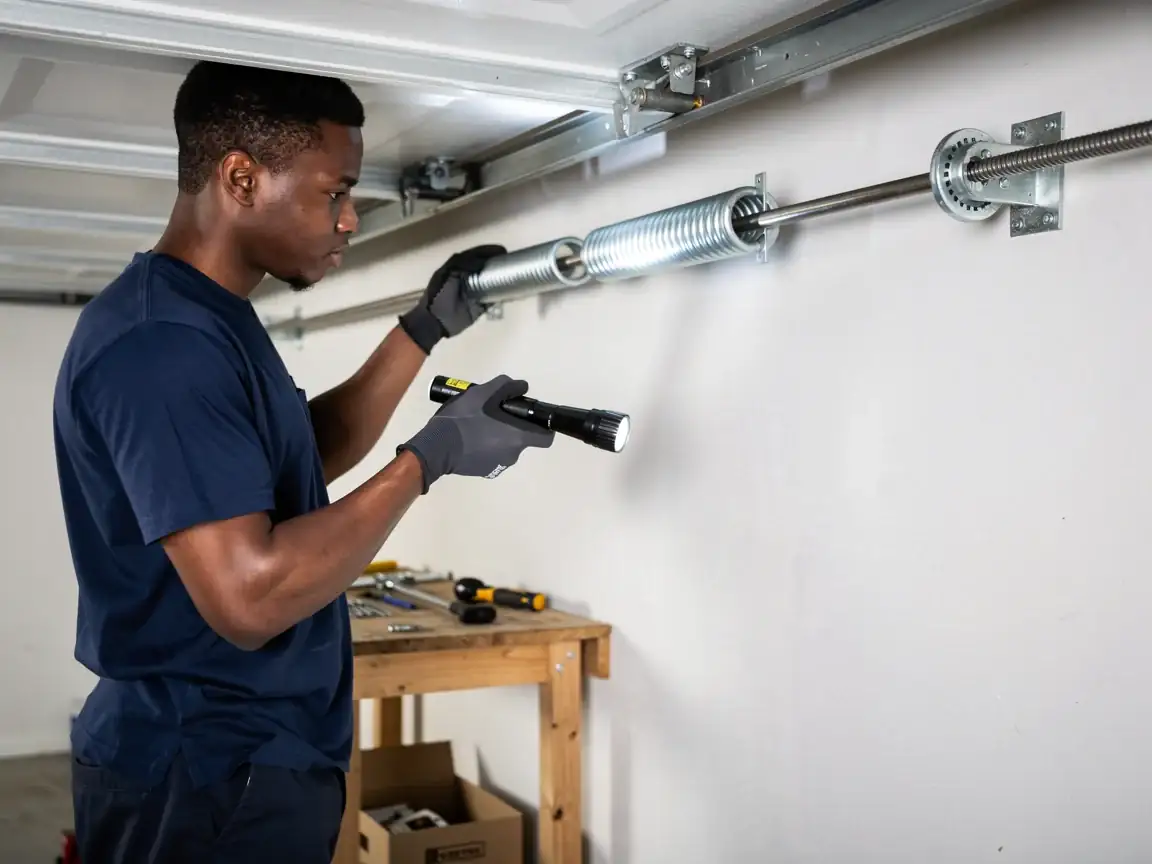
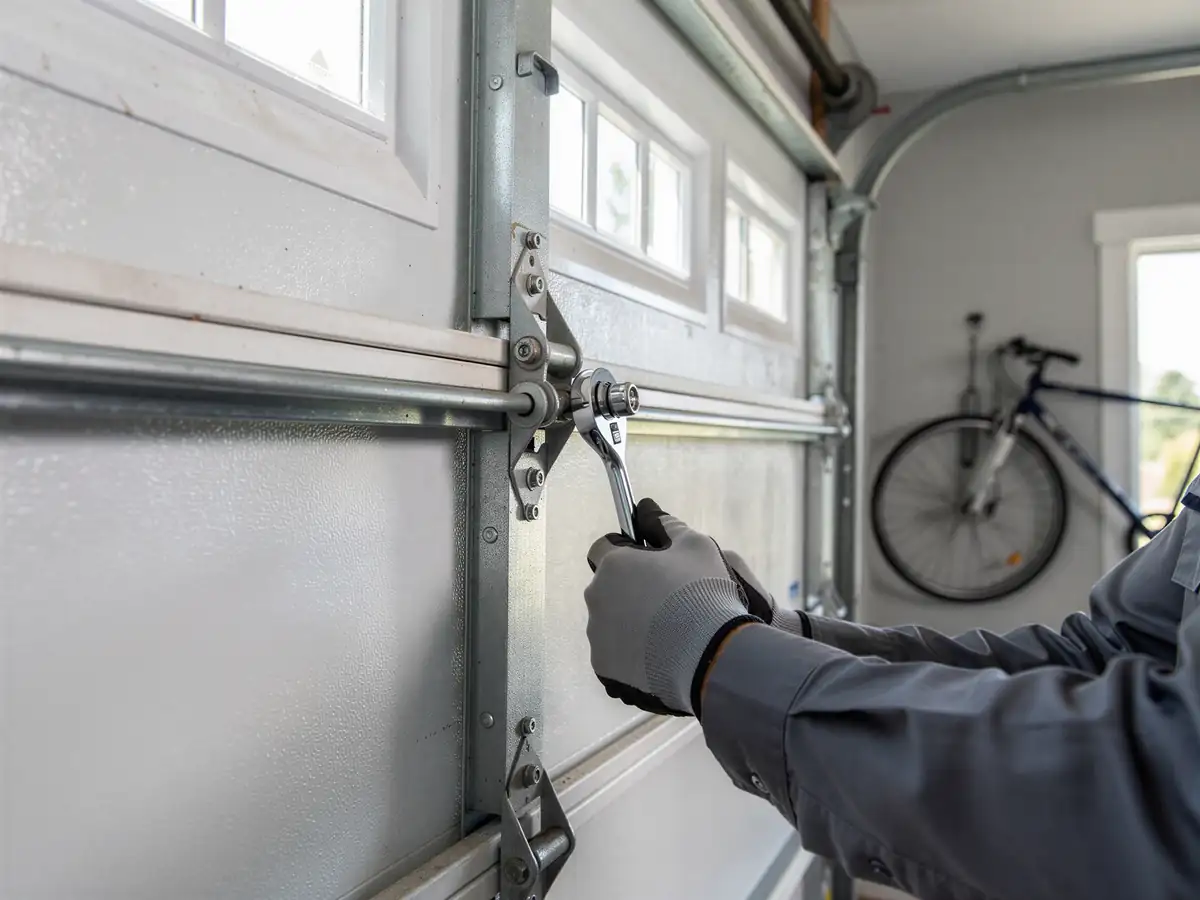
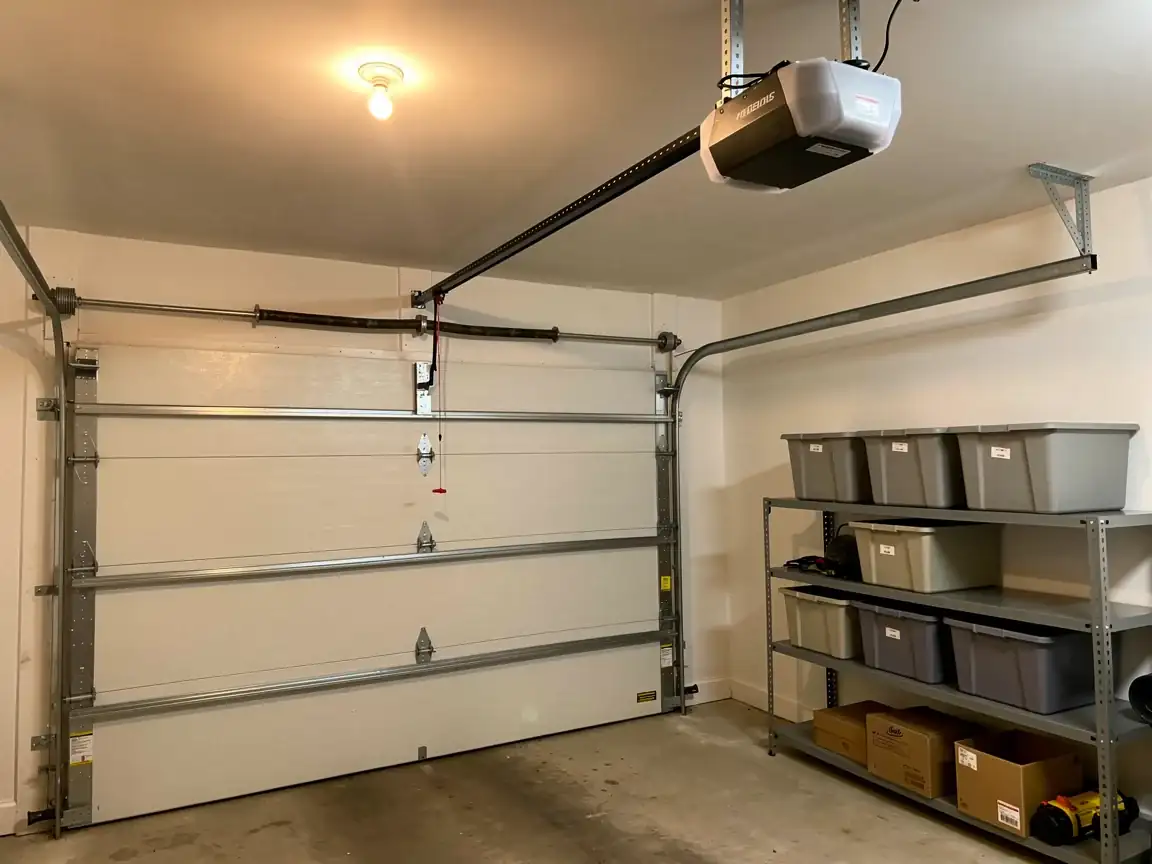
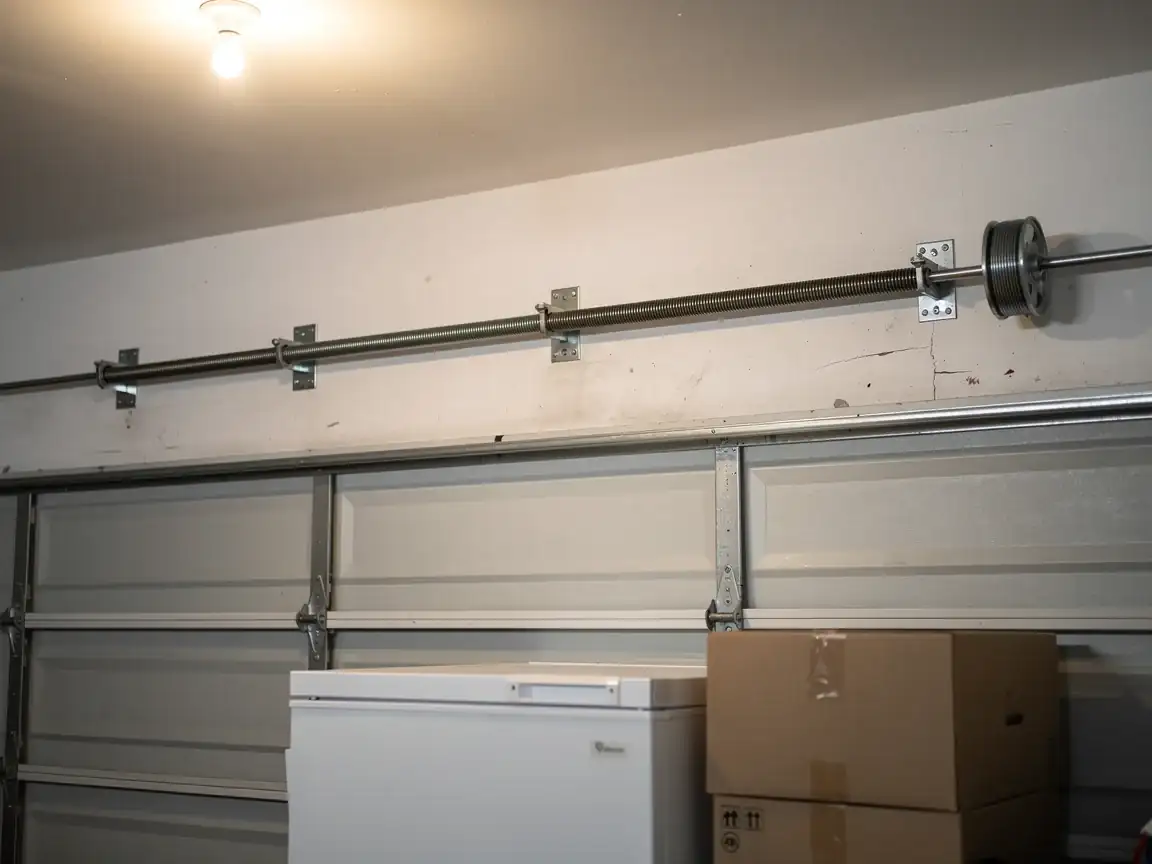
Most houses in this part of the service area went up between 1947 and 2012, with the bulk of the stock dating to the 1960s and 70s. That matters for cables because a lot of those garages still run the original drum and cable setup, or a replacement opener bolted onto hardware that's decades old. The cable itself is a thin galvanized strand under real tension, wound on a drum at the end of the torsion shaft, and it doesn't care how new your opener is.
The climate here is mild temperate, so you're not dealing with freeze-thaw cycles that snap cold metal the way colder regions do. What you are dealing with, this close to the water, is salt-laden air working into galvanized strands year after year. A cable that looks fine on the outside can have rust working through individual wires on the inside of the wind, and it lets go without much warning. On a door that's original to a 1960s build, that cable has usually had thirty, forty, fifty years to get there.
It's not a coincidence you're seeing this - it's what the housing stock does at this age.
How Long It Takes
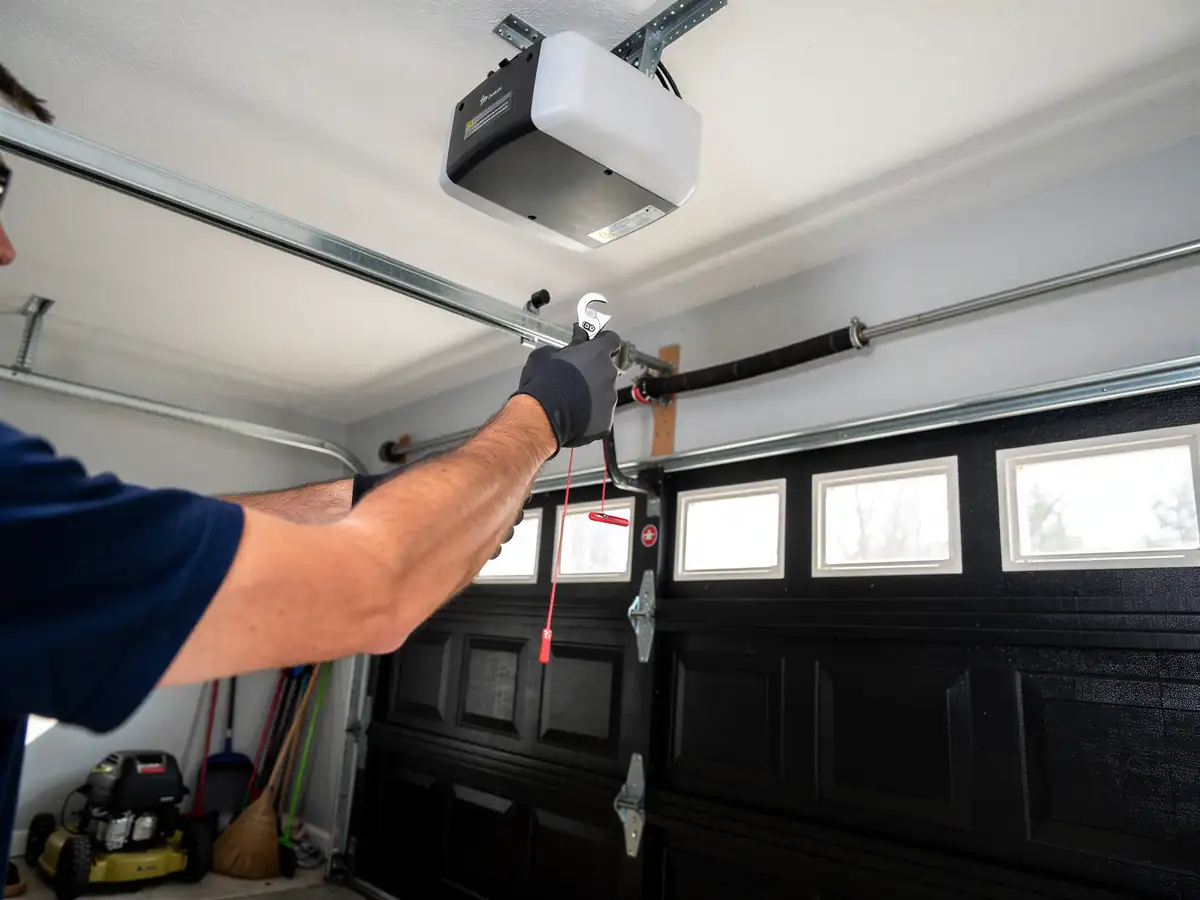
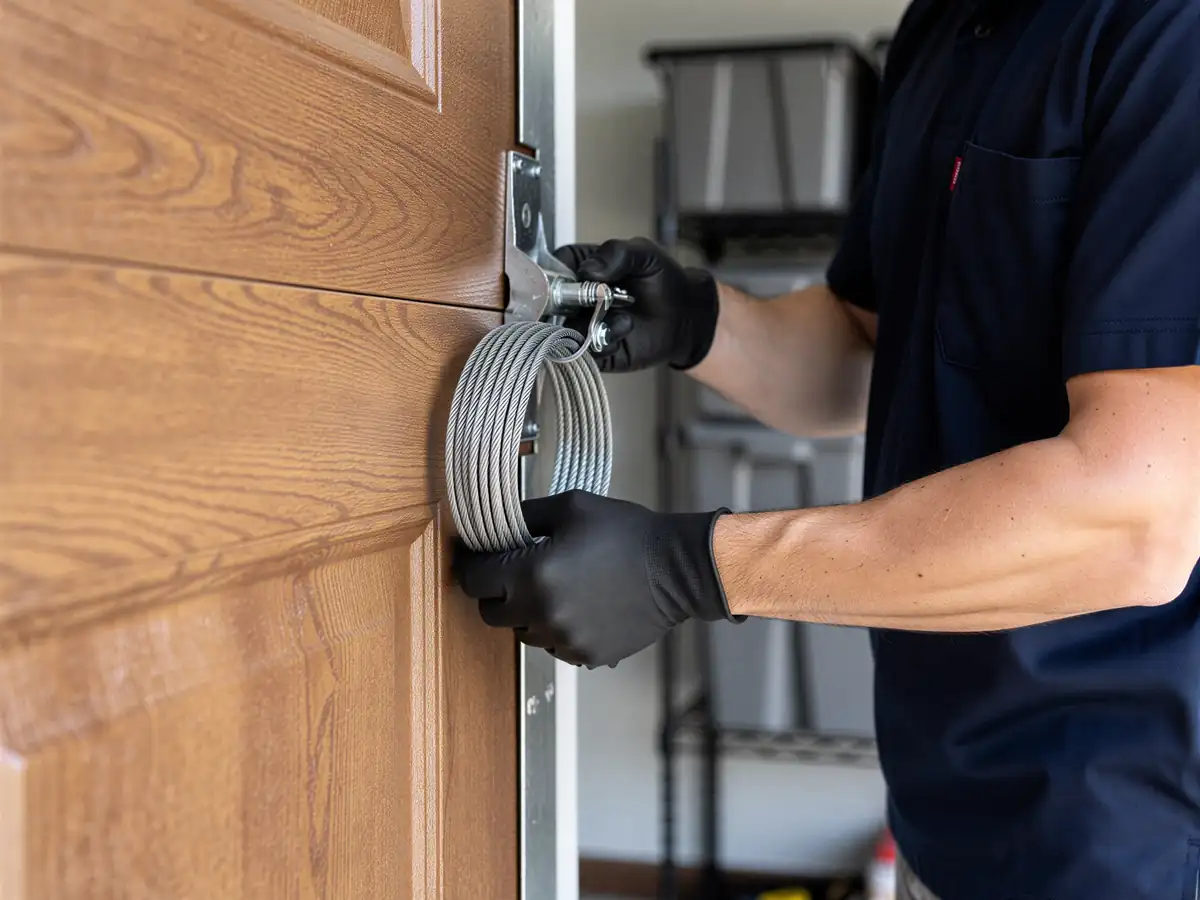
A single snapped cable on a torsion-spring door is usually a same-visit job once a tech is on-site and has the right size drum cable in the truck
Both cables typically get replaced together even if only one failed, because the other one is the same age and under the same tension, and it's not worth a second trip for it to go six months later.
What stretches the job is what's underneath the cable failure
If the drum itself is grooved or the bottom bracket is bent from the cable whipping loose, that's extra parts and extra time. Doors with high-cycle openers or heavier insulated panels sometimes need a different gauge cable than what's on the truck for a standard door, which can mean a short parts run.
We won't quote a number of minutes here because it depends on what we find once the door's open and the spring is secured
What we can tell you is that a cable job on its own, without a bent track or damaged panel complicating it, is not an all-day repair.
The Cost of This Job
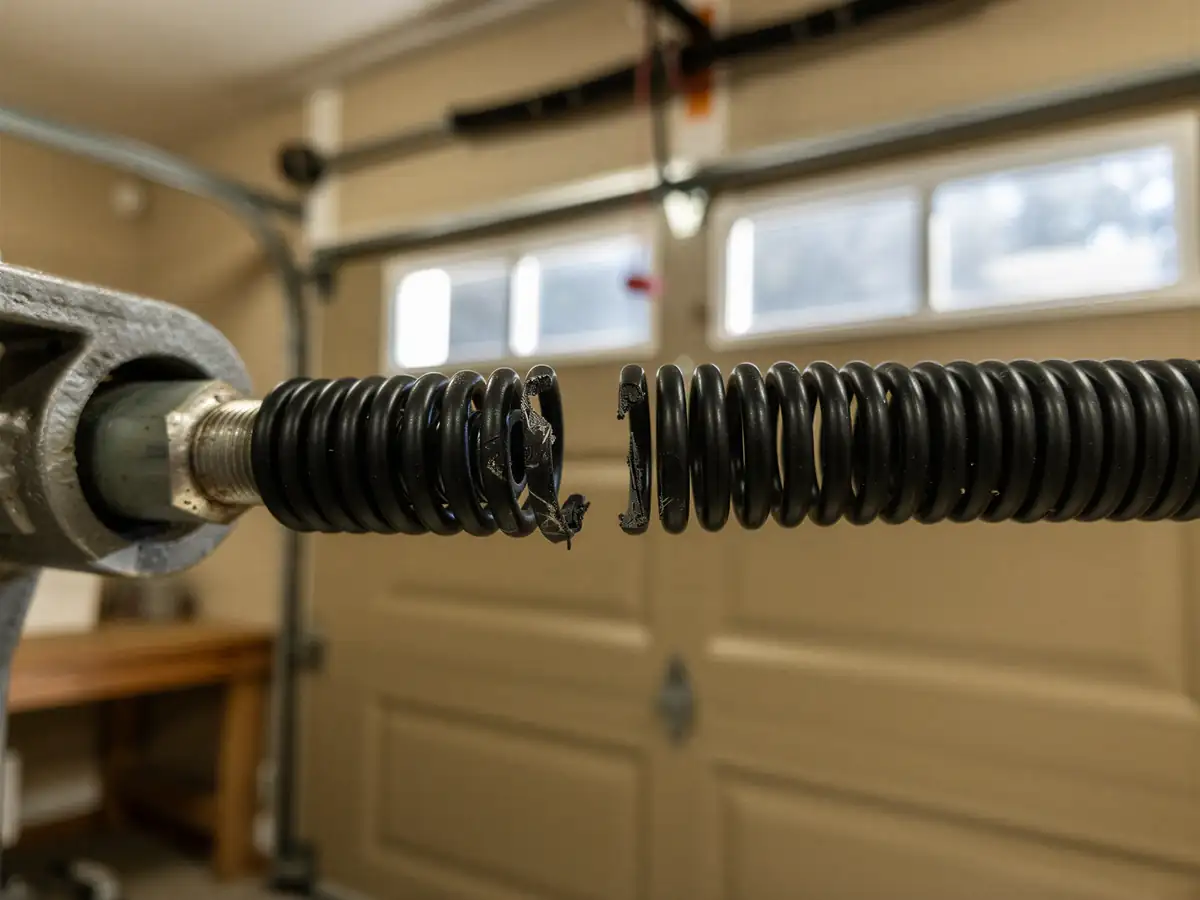
We don't have a flat number to put on this page, and we're not going to make one up. Cable repair pricing depends on whether one cable or both need replacing, whether the drums or bottom brackets took damage when the cable let go, and what gauge cable your door's spring system actually needs. A standard torsion door on a single-car garage is a different job than a heavier double door with high-cycle springs.
What we can tell you is what drives the number up or down. A clean cable snap with no collateral damage to the drum or bracket is the cheapest version of this repair. A cable that whipped around and bent the bottom bracket, scored the drum, or knocked the door off its rollers costs more because now there's more than one part to replace.
Income levels across the service area run above the regional median, and most owners we talk to would rather replace a frayed cable outright than ask for a patch job that doesn't last. That's a judgment call we'll walk you through once we've looked at the actual cable, not before.
How It Shows Up
The most obvious sign is a door that won't move, with one corner sitting lower than the other or hanging crooked in the opening. That's a cable that's already gone - the spring is still holding tension on one side but nothing on the other, which is also why you should not try to force the door open or closed at that point.
Before full failure, you'll sometimes catch a cable fraying if you know to look for it: individual wire strands sticking out from the main cable line near the drum, or a visible kink where the cable has been riding rough on a worn drum groove. A door that's started making a grinding or popping noise right before it moves is often a cable or drum starting to go, not the opener.
If your door suddenly drops a few inches on its own when you hit the remote, or one side free-falls while the other side holds, stop using the opener and the manual release both. A cable under tension that fails while someone's hands or fingers are near the bottom bracket is a real injury risk, not just an inconvenience.