What Causes It Around Here
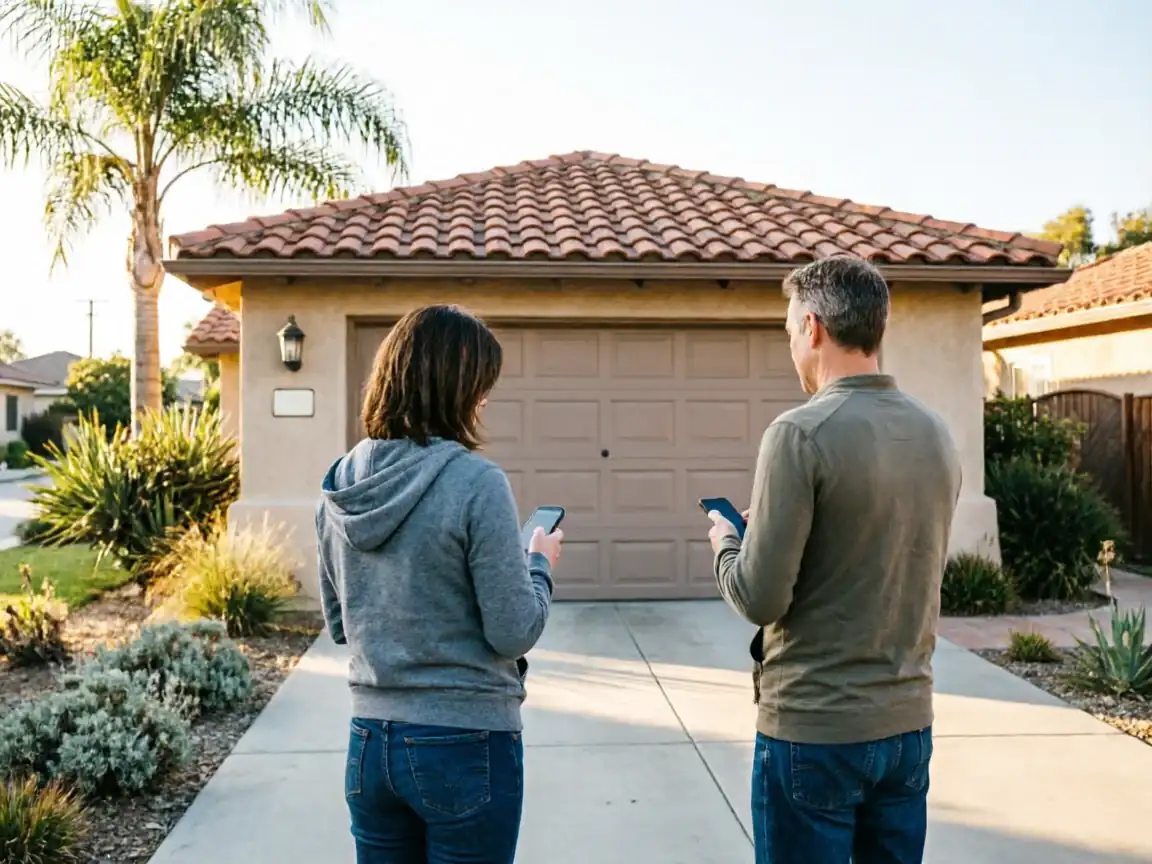
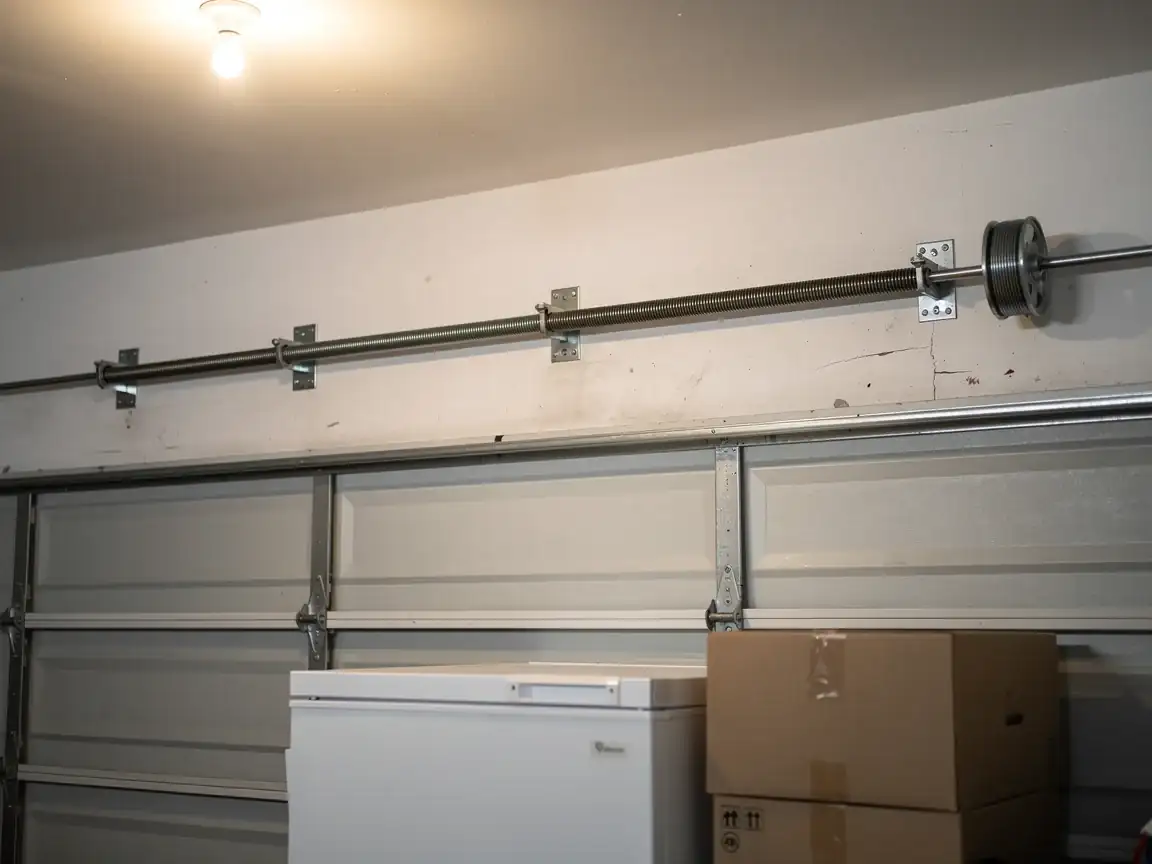
Most of the housing stock in this part of the South Bay went up between 1947 and 2012, with the bulk of it clustered in the 1960s and 70s - the median build year across the market sits at 1963. That matters for garage doors because a lot of those original torsion springs, rollers, and tracks are still hanging in place, just older and more fatigued than anyone realizes until the day they aren't.
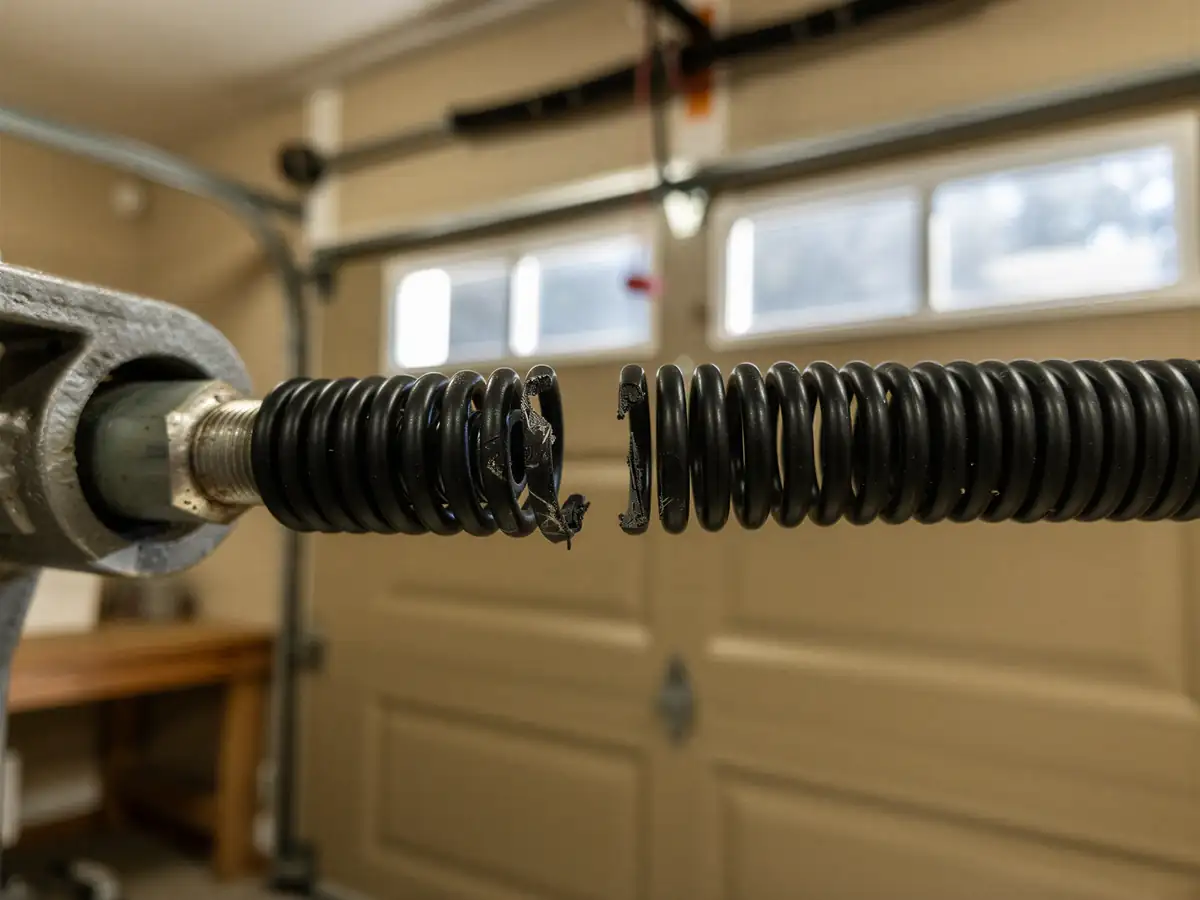
The climate here doesn't help wear the way people think. This is a mild, temperate band - no deep freezes, no triple-digit summers baking the slab. So the springs and openers failing in Redondo Beach aren't failing from thermal stress like they might inland. They're failing from straight cycle count: a torsion spring rated for roughly 10,000 open-close cycles doesn't care how nice the weather was, it just counts.
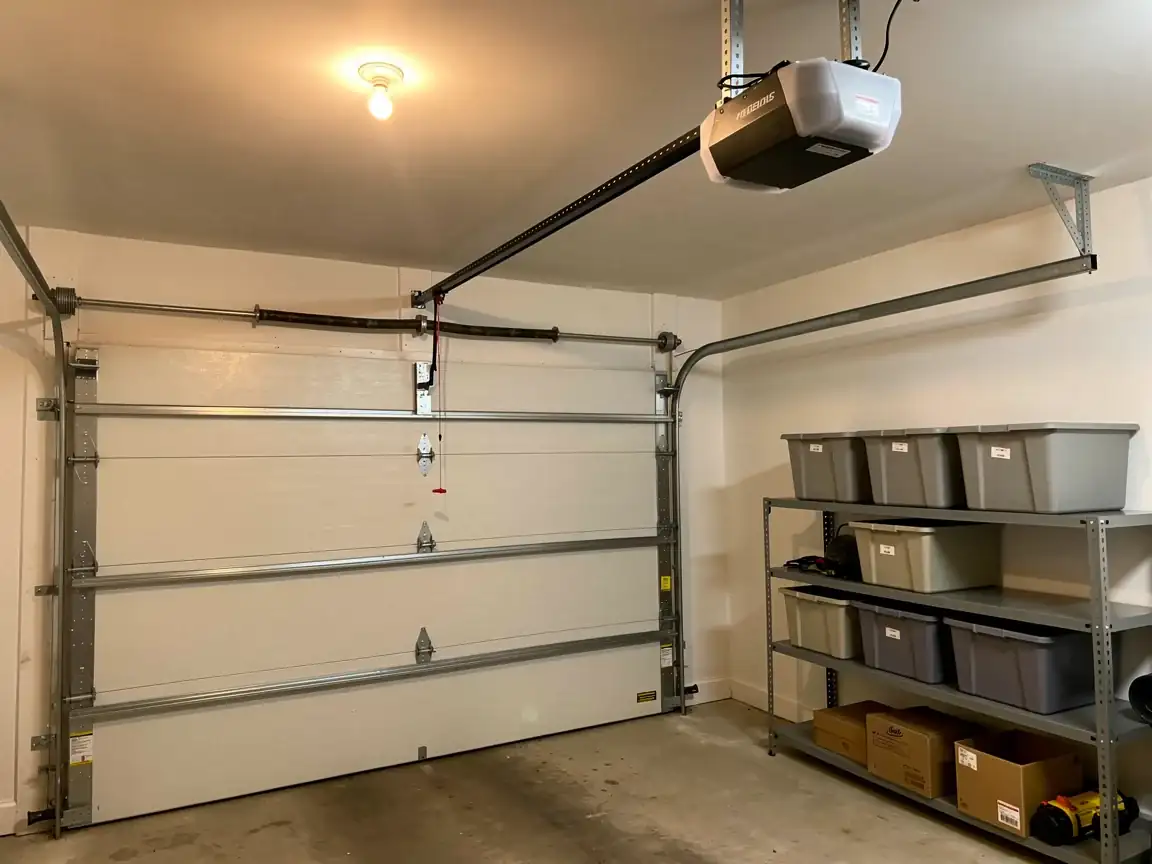
What we see most in the older tracts is springs that were sized for a door that's since been reinforced, re-insulated, or swapped for a heavier panel without anyone recalculating the spring tension. Add decades of salt air near the coast working slowly on exposed hardware, and you get fatigue failures that look sudden but were years in the making. The door isn't broken because of one bad day. It's broken because the parts are original to a house built when Eisenhower was still in office.
How Long It Takes
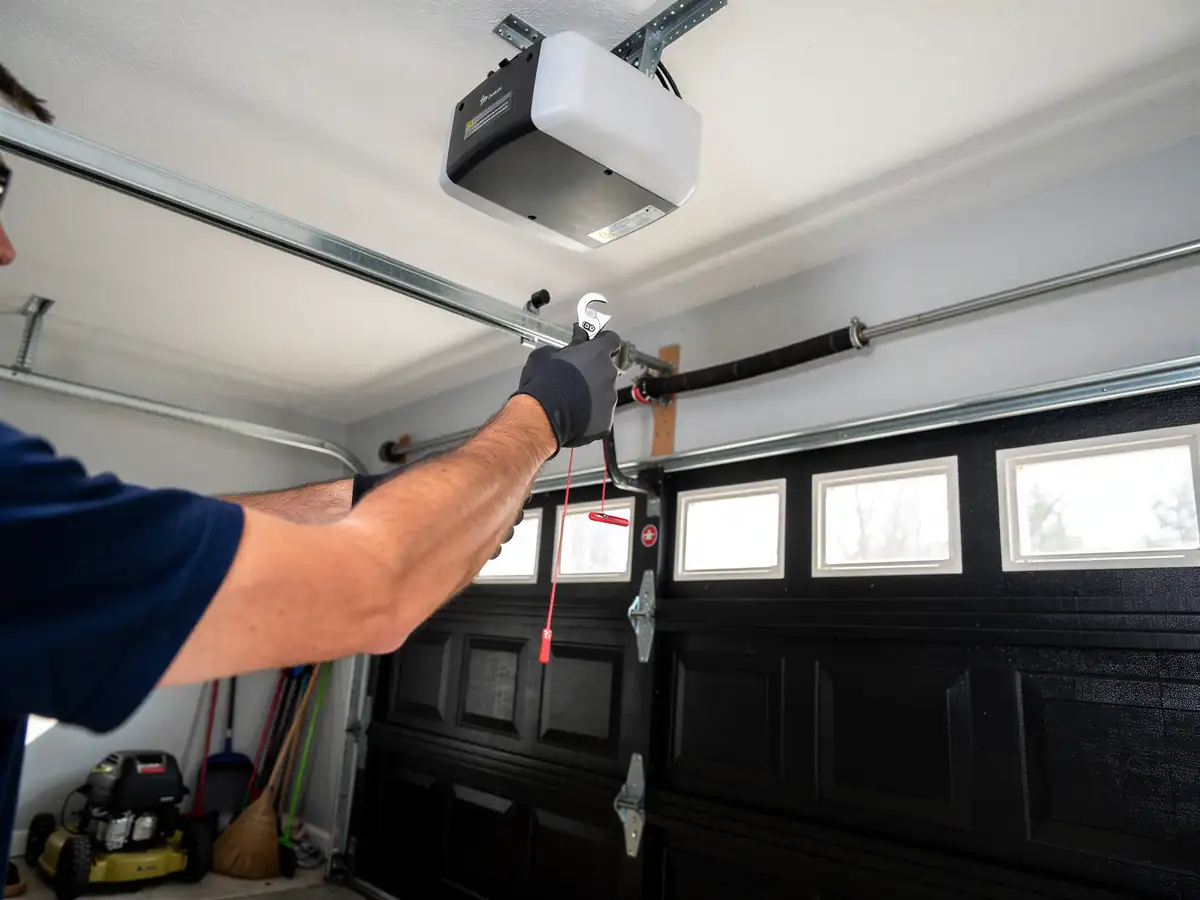
A straightforward spring replacement or roller swap on a standard door is usually a same-visit job once we're looking at it
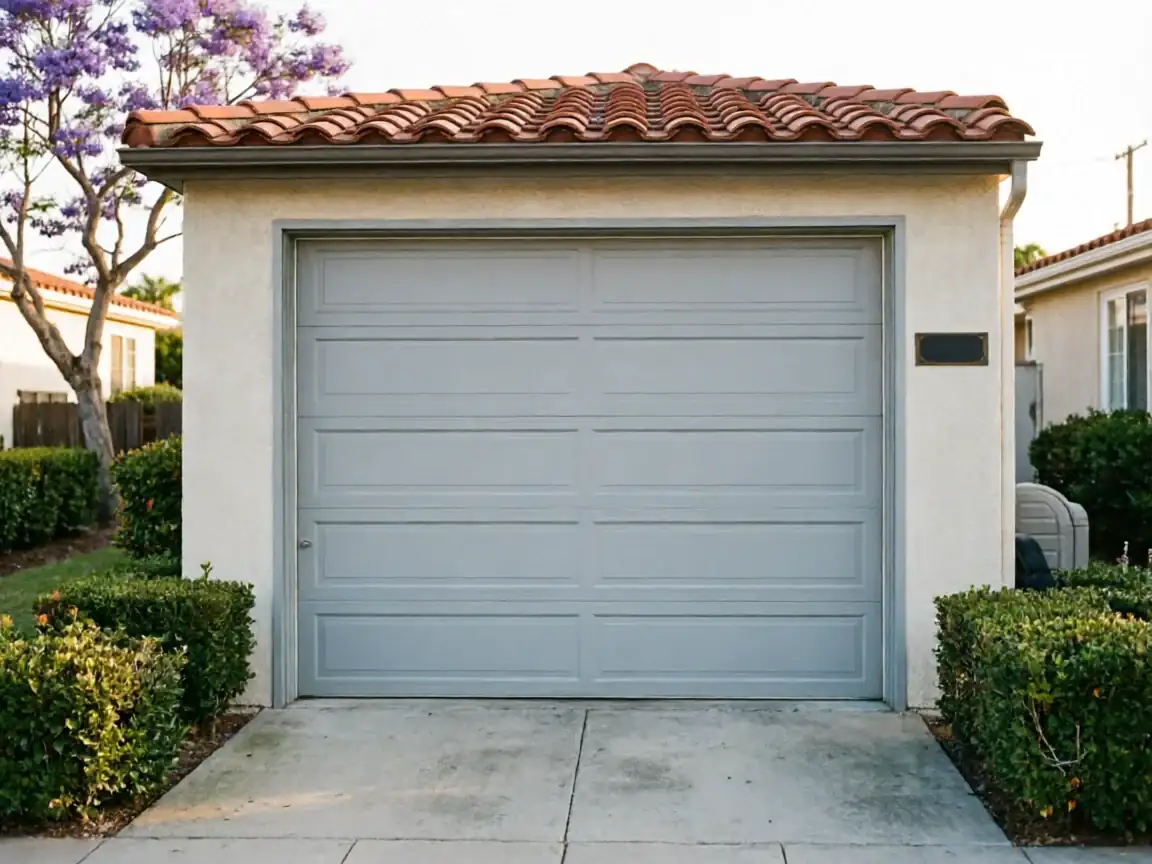
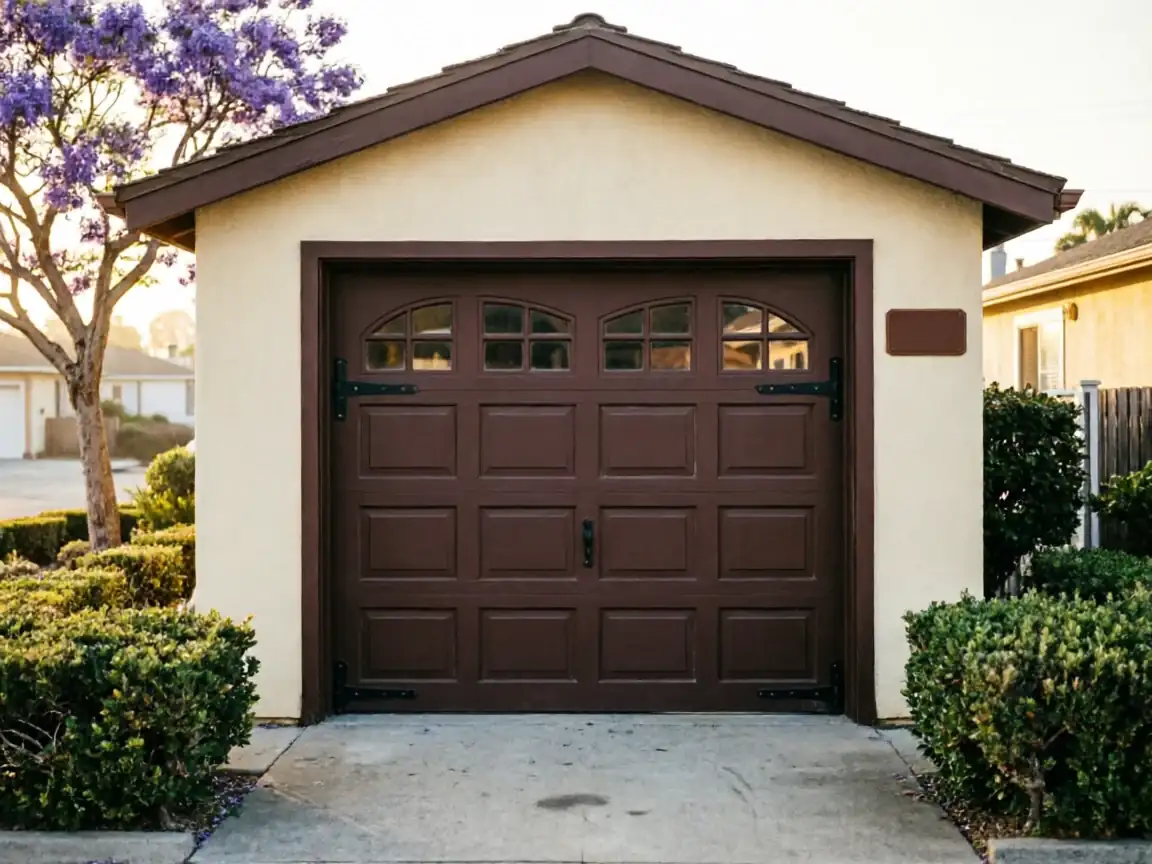
Most of what fails on these older setups is common hardware we carry on the truck. What slows things down is when the door itself is non-standard: an odd panel size, a wood door original to a 1960s build, or an opener model that's been discontinued.
We can't tell you a universal number of hours before we see the door
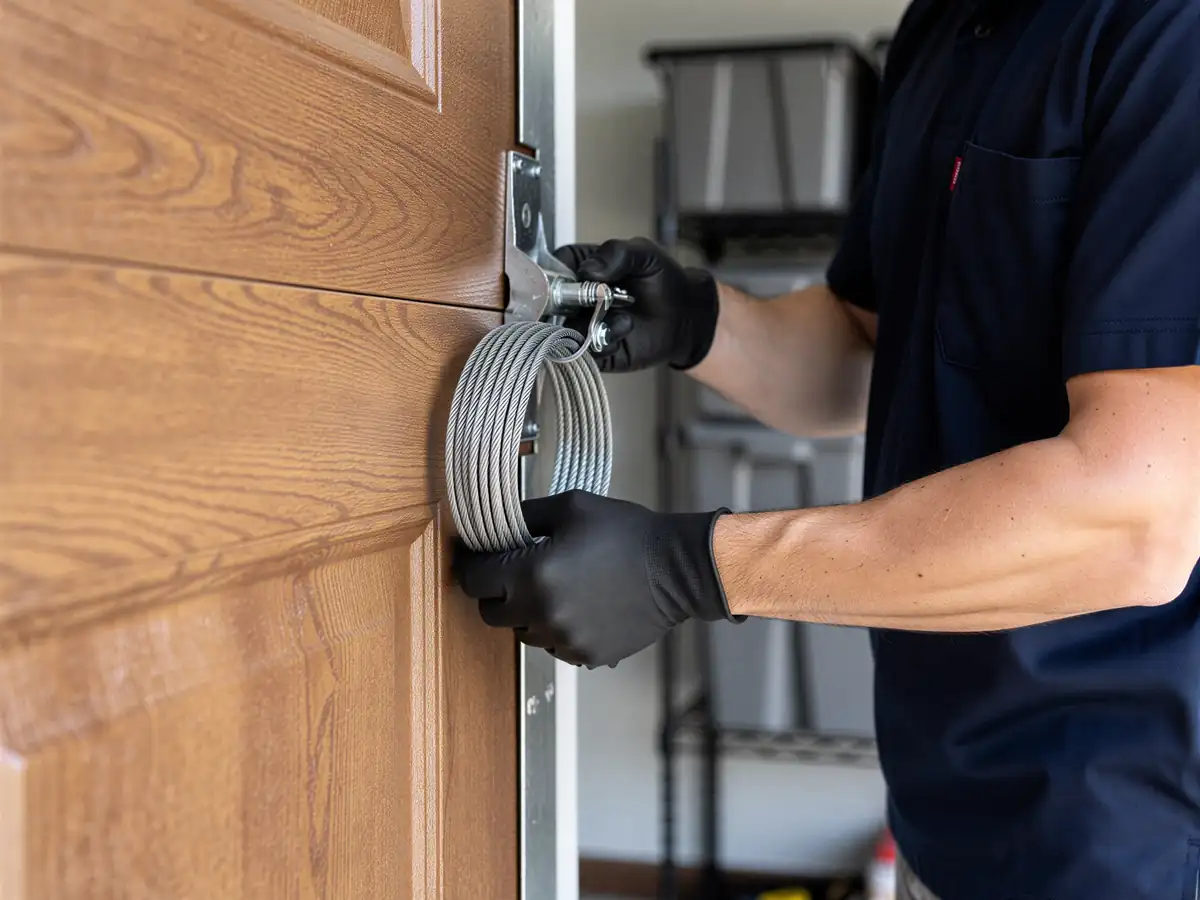
Because "how long it takes" really means "what's actually broken," and that varies more than people expect. A cable that's jumped the drum is a different job than a bent track from someone backing into the door, which is different again from an opener logic board that's just dead.
What we can say is that diagnosis itself doesn't take long
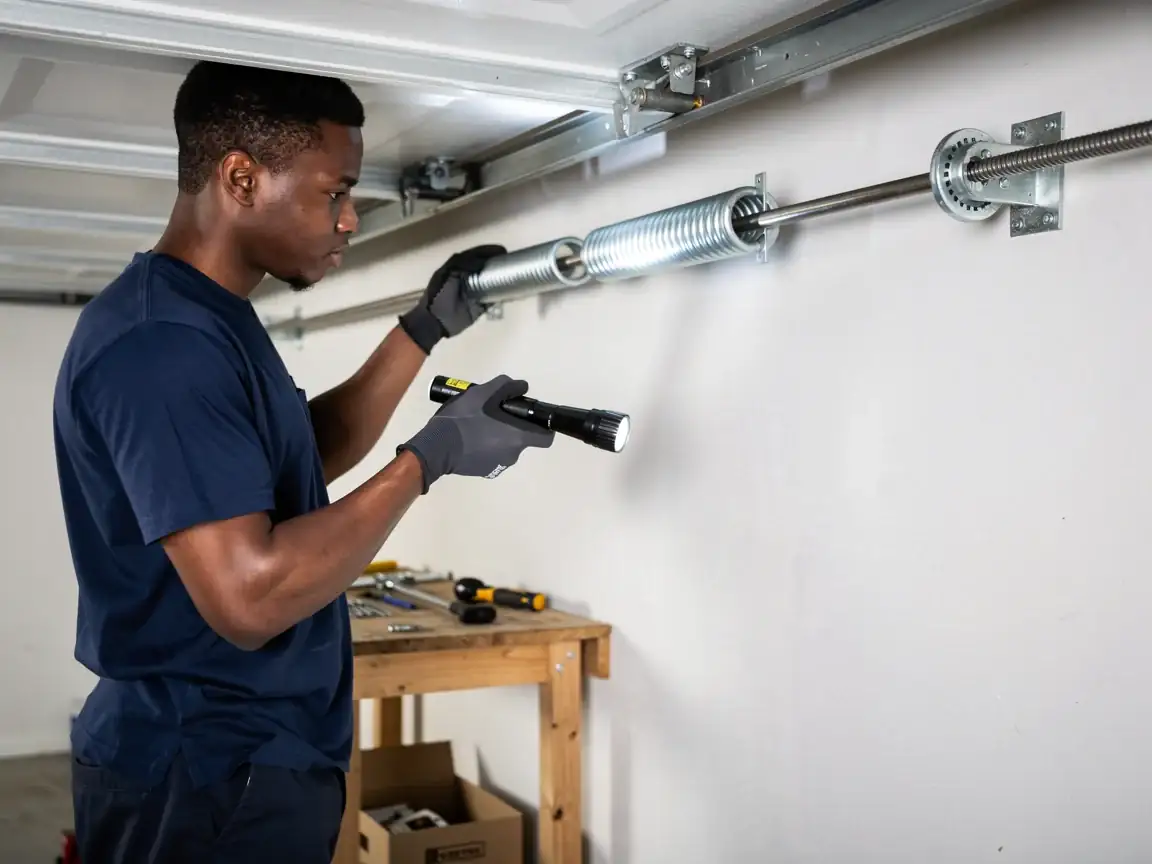
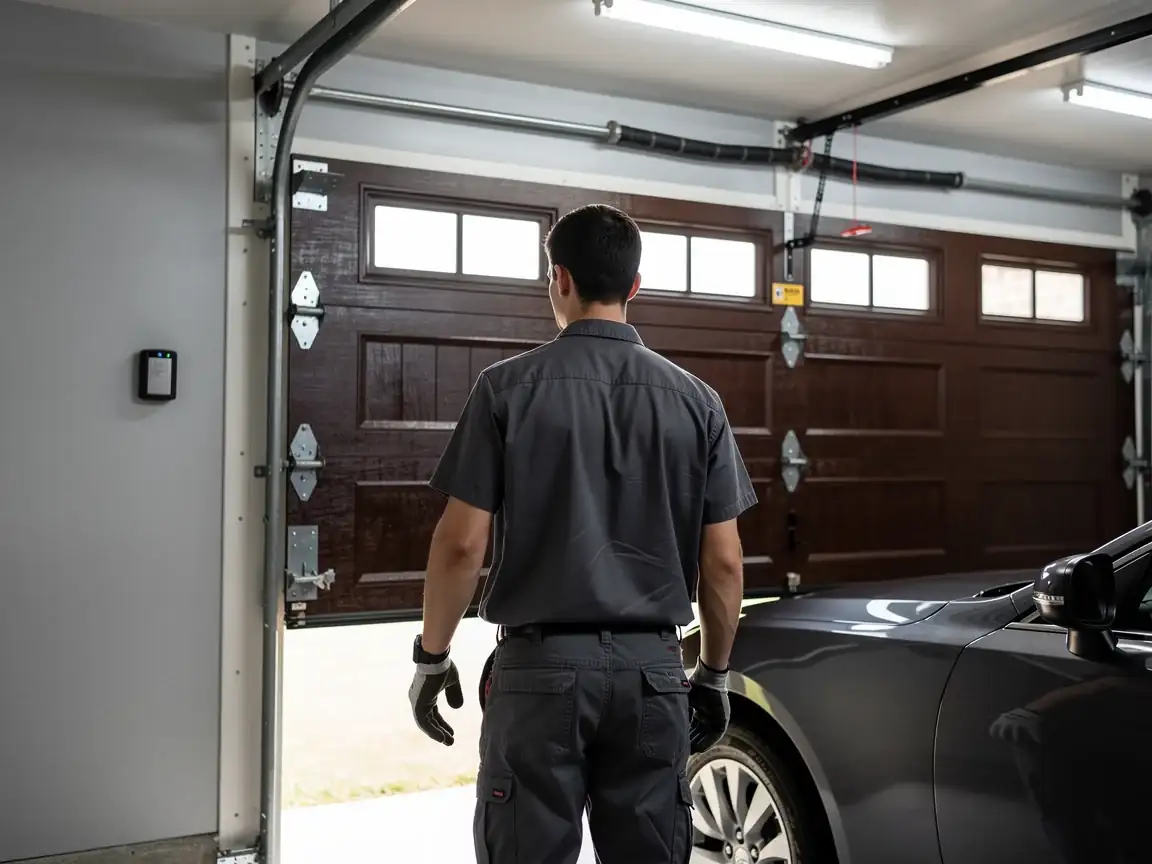
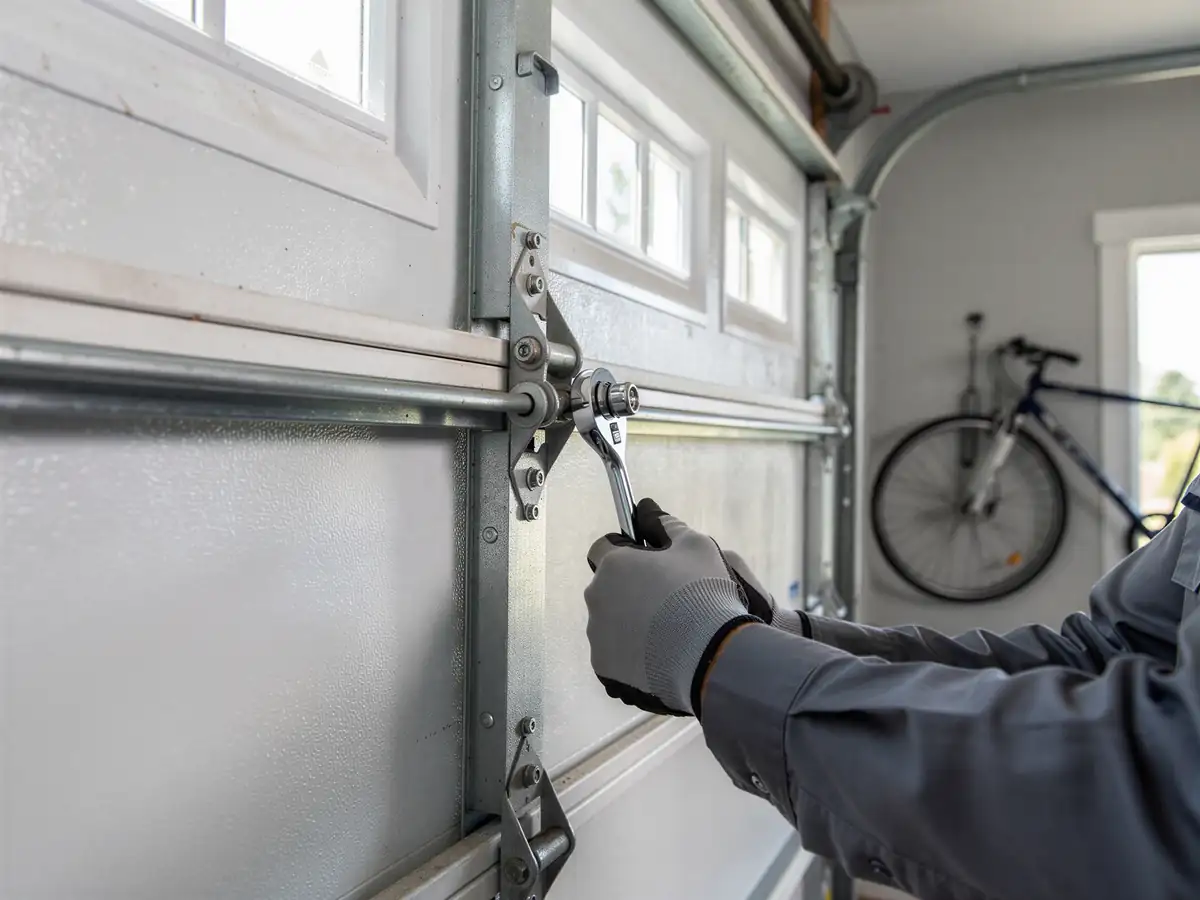
Spring tension, cable wear, roller condition, track alignment, opener force settings - most of that's visible or testable within the first few minutes on site. The time sink is almost always parts, not labor, and that's more likely on older or specialty doors than on anything built in the last ten years.
The Cost of This Job
We're not going to put a number here that isn't grounded in what's actually wrong with your door, because a quoted price with no inspection behind it is just a guess dressed up as a fact. Spring jobs, roller jobs, cable jobs, and opener jobs all carry different parts costs, and a door that's been limping along with mismatched hardware from a previous repair can cost more to sort out than a clean failure.
What we'll say honestly: if your door is original to a house built in that 1960s-70s wave that's common across this market, repair parts for standard torsion springs and rollers are easy to source and reasonably priced. If you've got something unusual - a custom wood door, an odd-width opening, an opener brand that's not common anymore - expect the parts side to cost more and possibly take longer to get in.
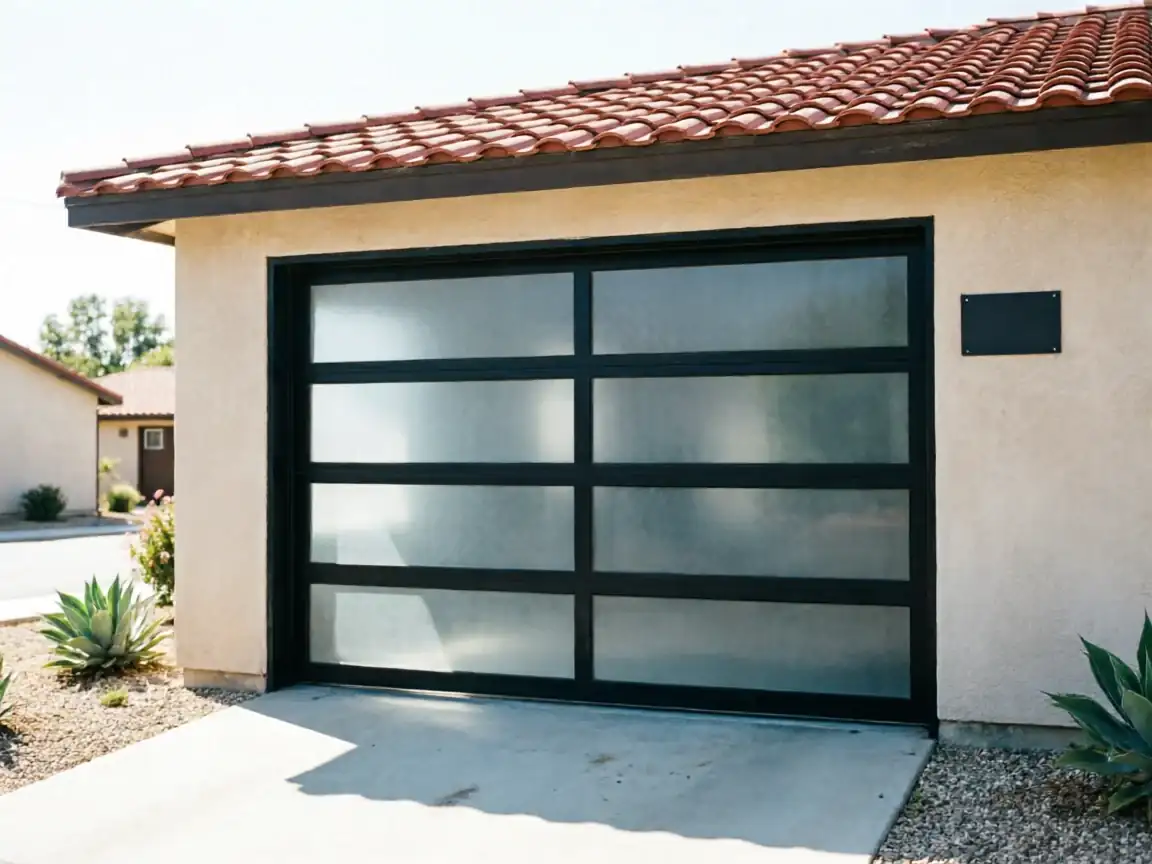
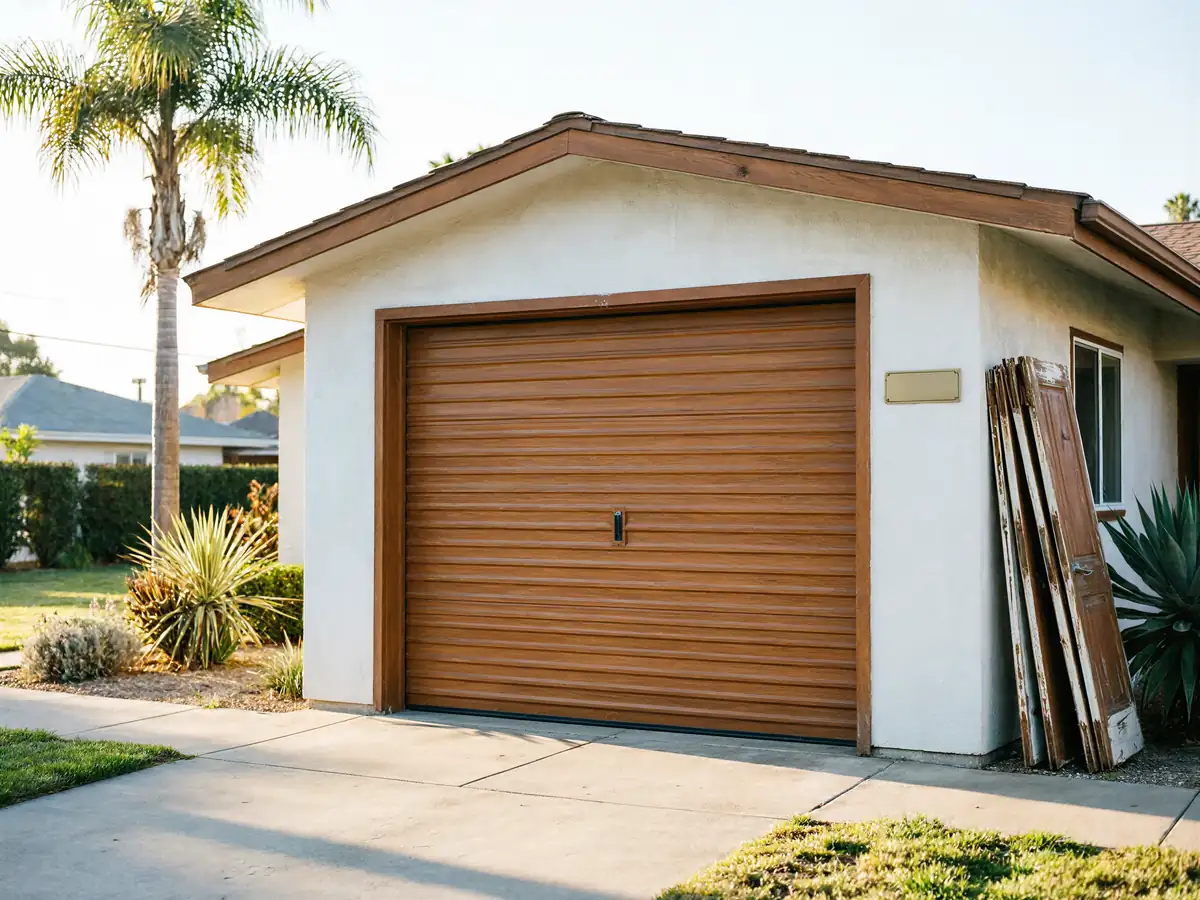
The honest limitation here: we don't do cosmetic panel matching on discontinued door lines. If a single panel on an older door is dented and the rest of the run is sun-faded or simply unavailable anymore, we'll tell you straight that full replacement is the more sensible move rather than chasing a panel that doesn't exist in that finish anymore.
How It Shows Up
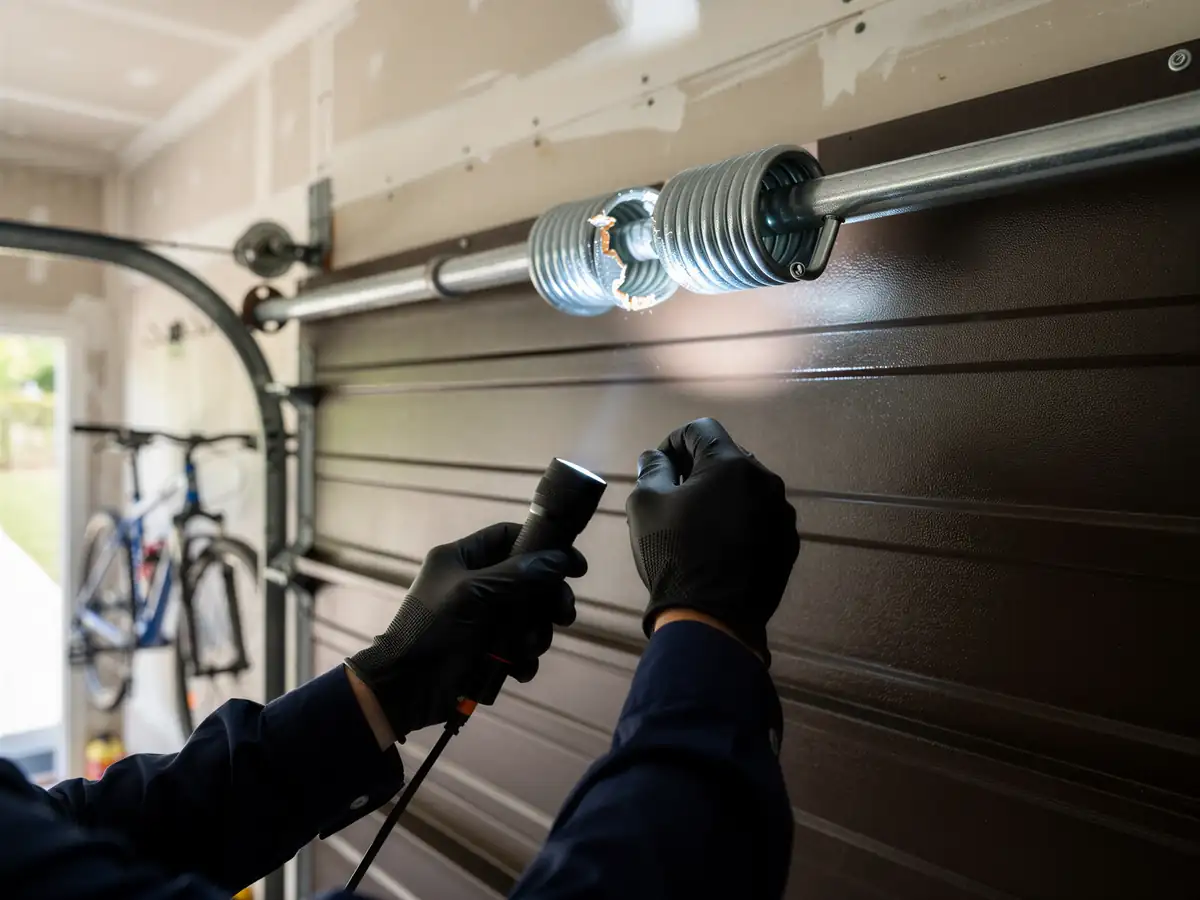
The door doesn't usually fail all at once. It shows up first as a door that's heavier to lift by hand than it used to be - that's spring tension bleeding off. Then it's an opener straining and reversing partway up, because the opener is doing work the spring used to do. Eventually it's a loud bang, usually the spring itself letting go, and the door won't move at all.
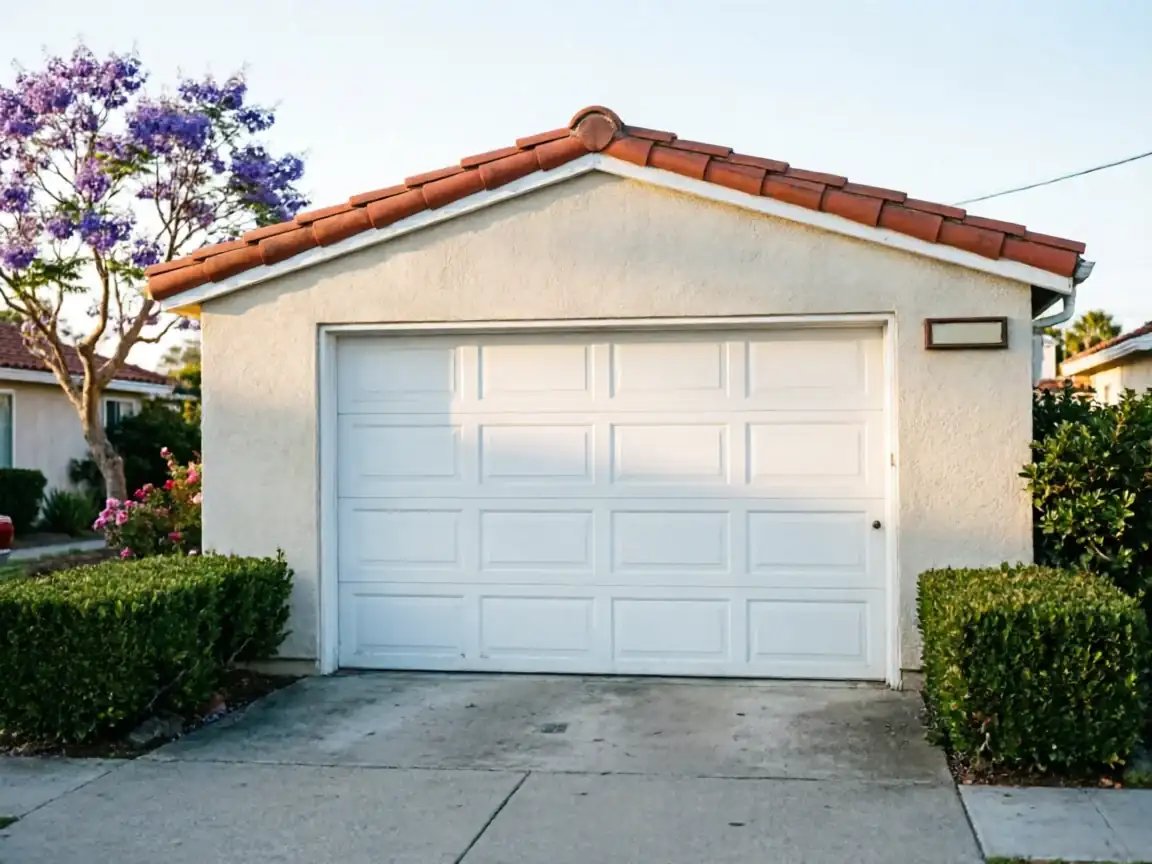
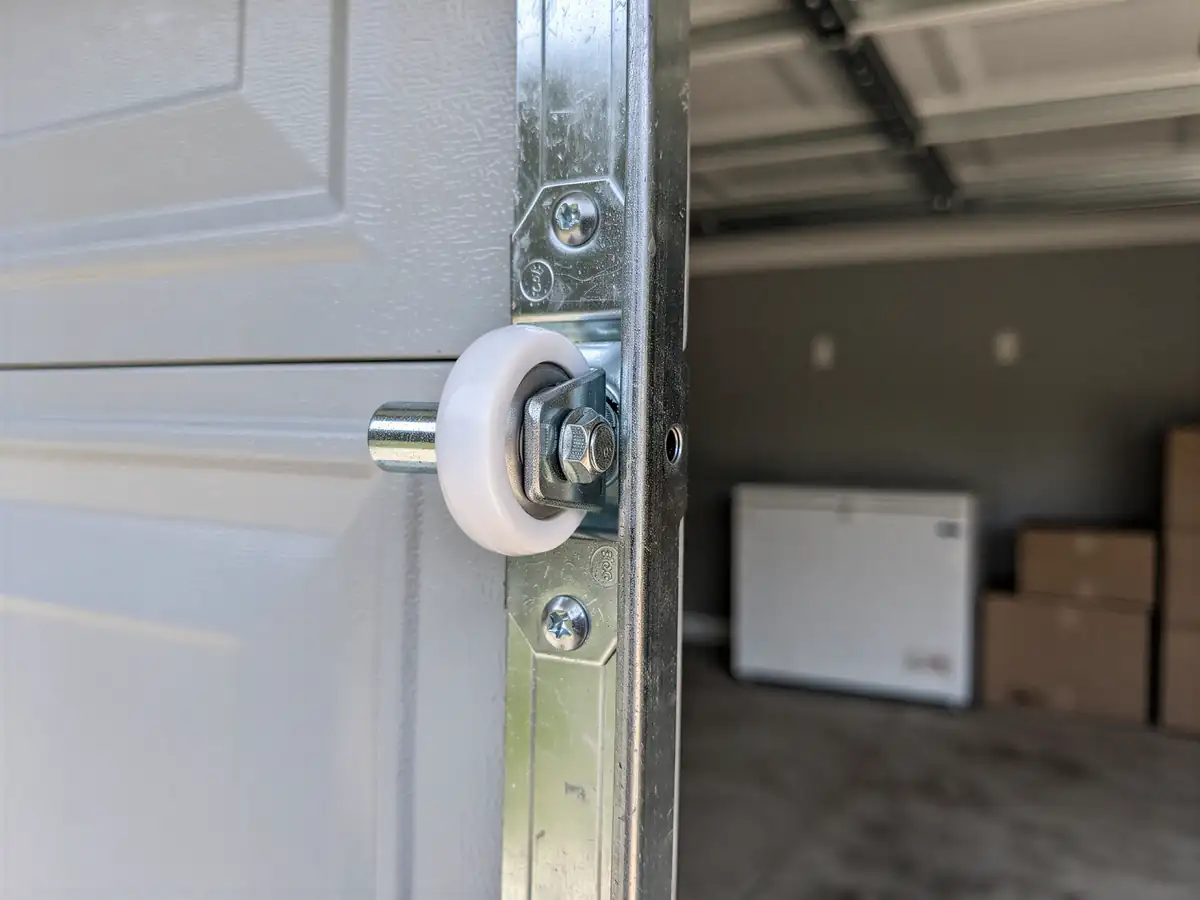
On the cable and roller side, it shows up as noise before it shows up as failure - a grinding or popping sound on the way up or down, rollers that look chalky or cracked where they used to be smooth. Track misalignment shows up as a door that rubs or binds on one side, often worse in the older single-car bays that are more common in this market's earlier housing.
In homes close to the water, including the stretch toward just east of the shoreline, we also see corrosion on exposed hardware faster than you'd expect for a mild climate - not rust from freeze-thaw cycles, but a slow salt-air pitting on springs and end bearing plates that eventually seizes a roller or snaps a cable strand at the drum.