What Changes With the Season
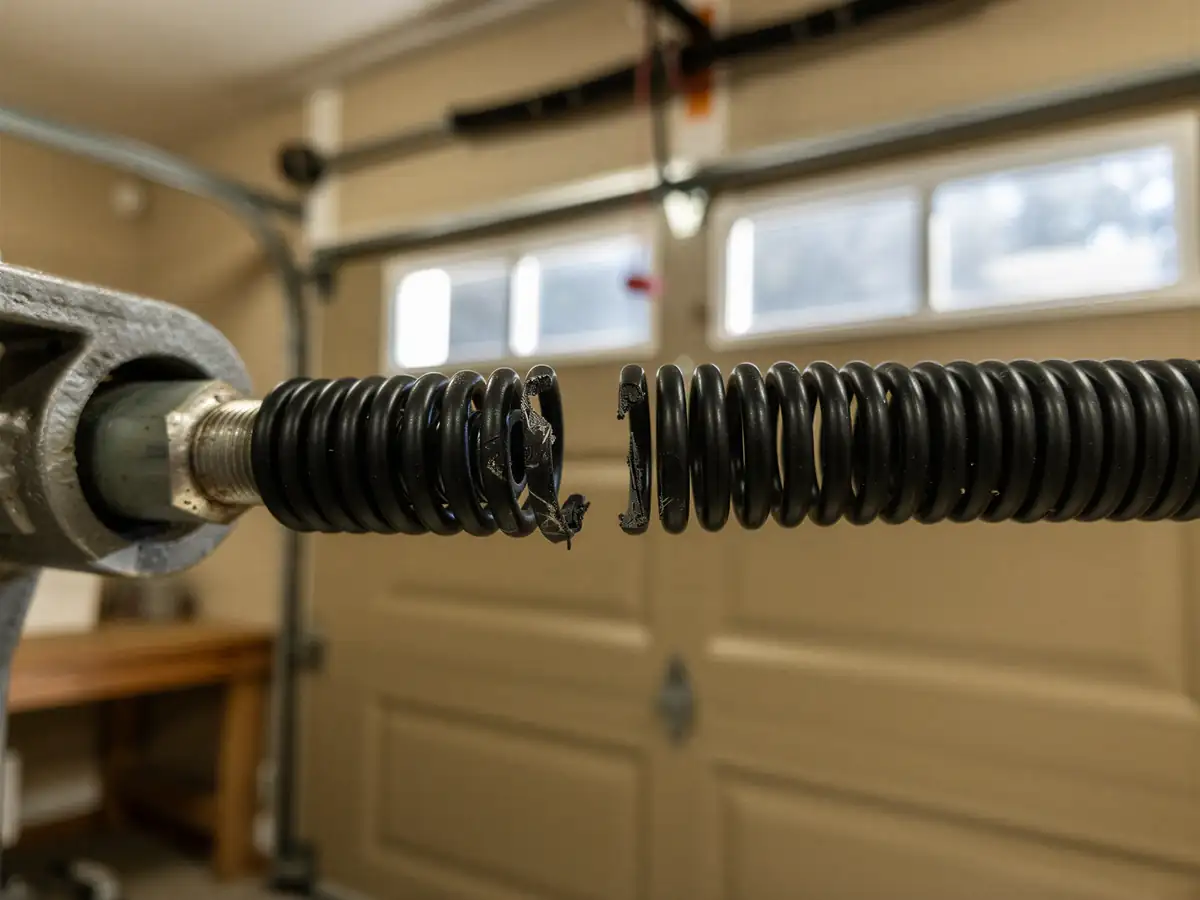
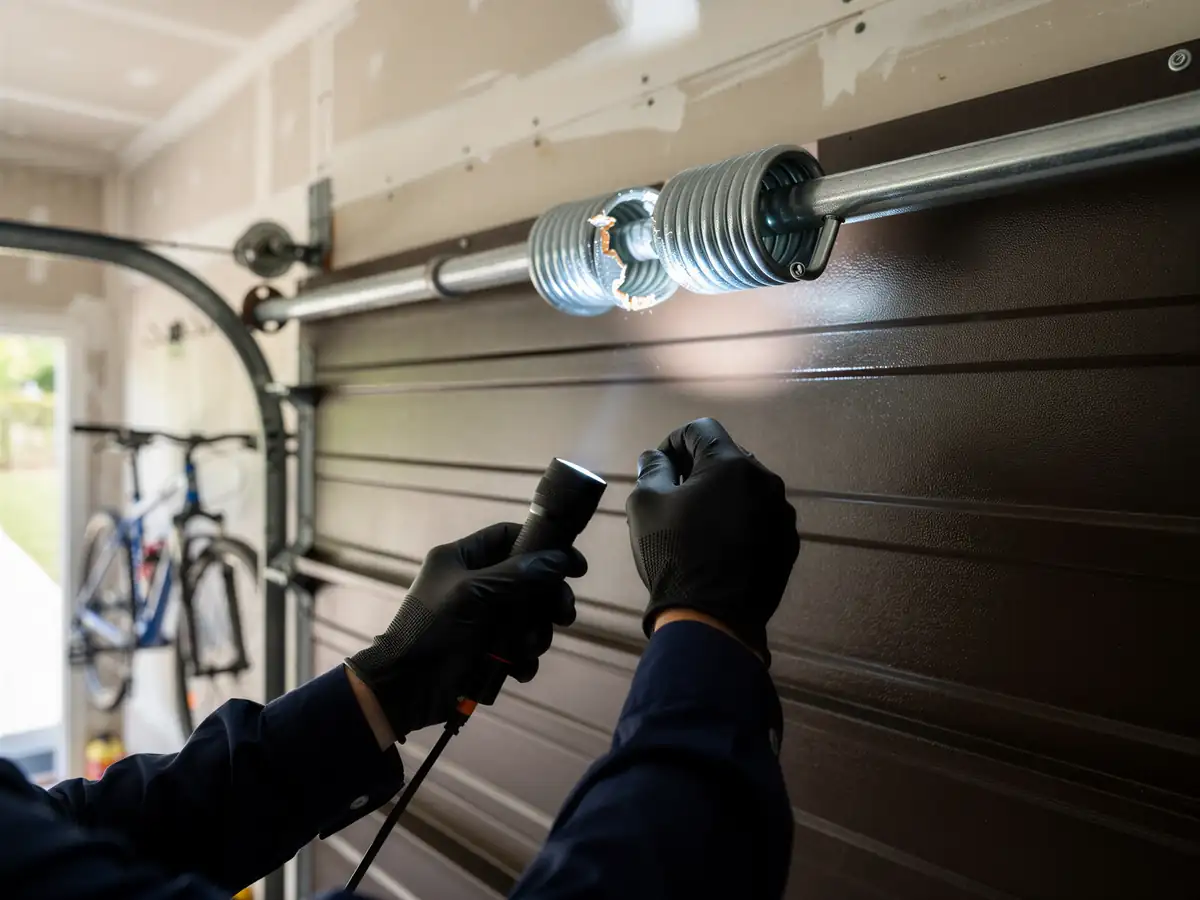
Redondo Beach sits in a mild temperate band, so you're not dealing with the freeze-thaw cycles that crack panels or seize springs overnight the way they do inland or up north. That's the good news for an older door here. The bad news is that mild weather hides problems instead of forcing them. A torsion spring on a house built in the early 1960s doesn't snap from cold the way it might elsewhere; it just fatigues slowly, cycle after cycle, until one day it lets go on a door that seemed fine the week before. Without seasonal extremes pushing wood to swell or steel to contract, owners here tend to go years without a reason to look twice at the hardware. That's exactly when a 50-plus-year-old door earns a second opinion rather than another coat of paint. The mild climate buys you time on cosmetic wear, but it doesn't buy you time on mechanical fatigue, and those are two different clocks running on the same door.
What Is Going On
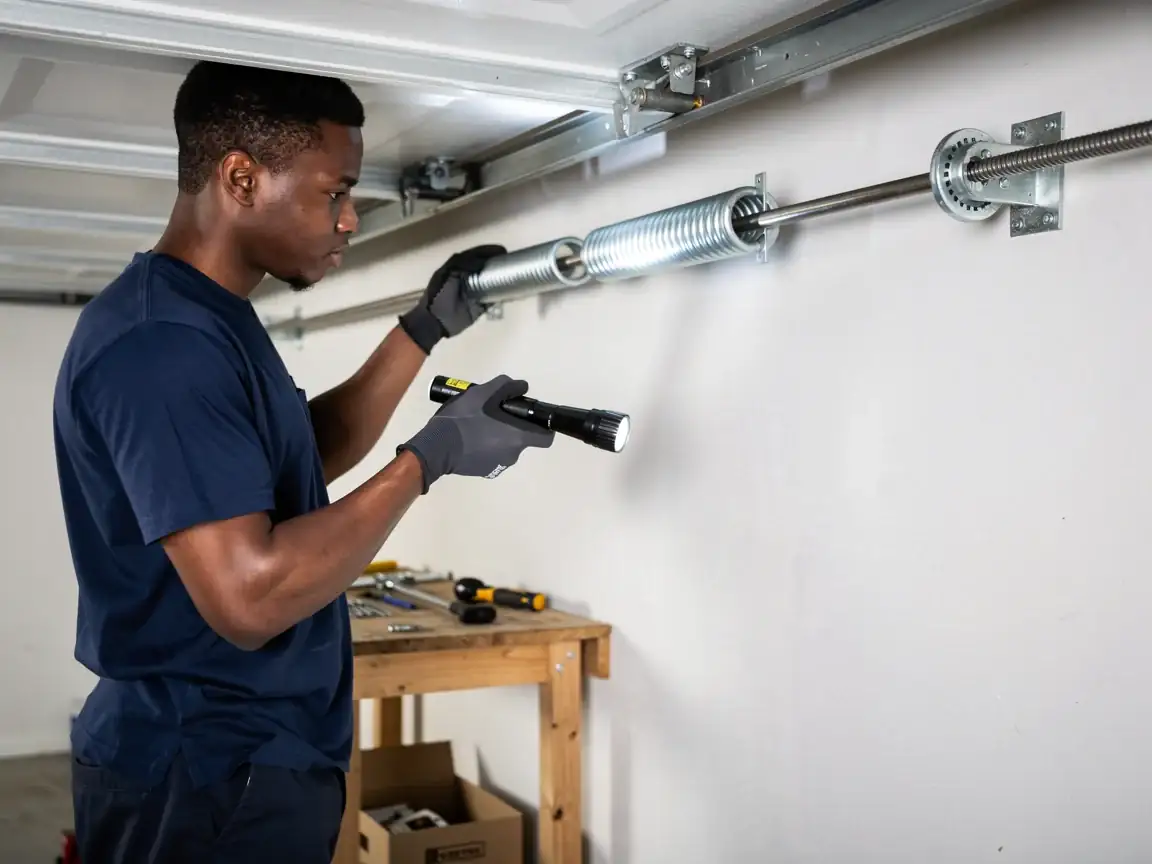
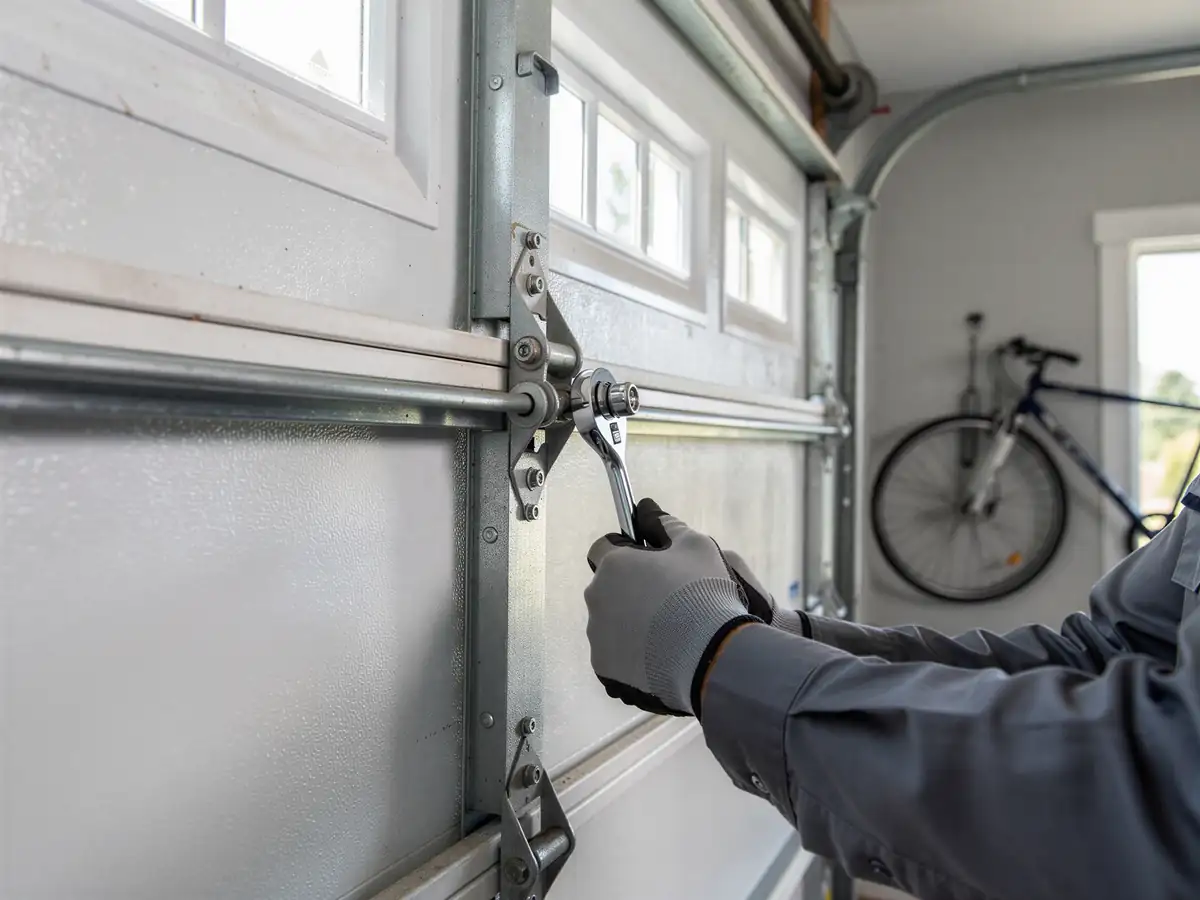
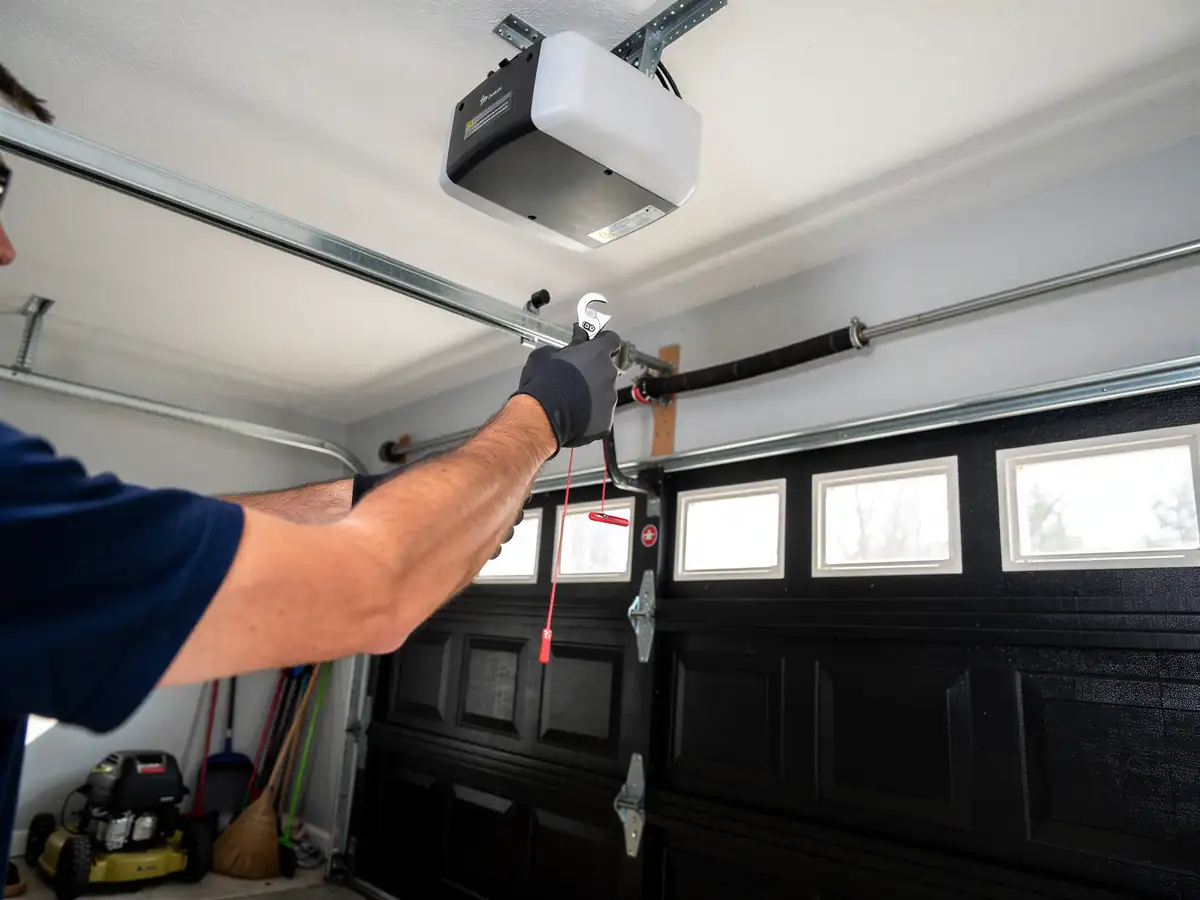
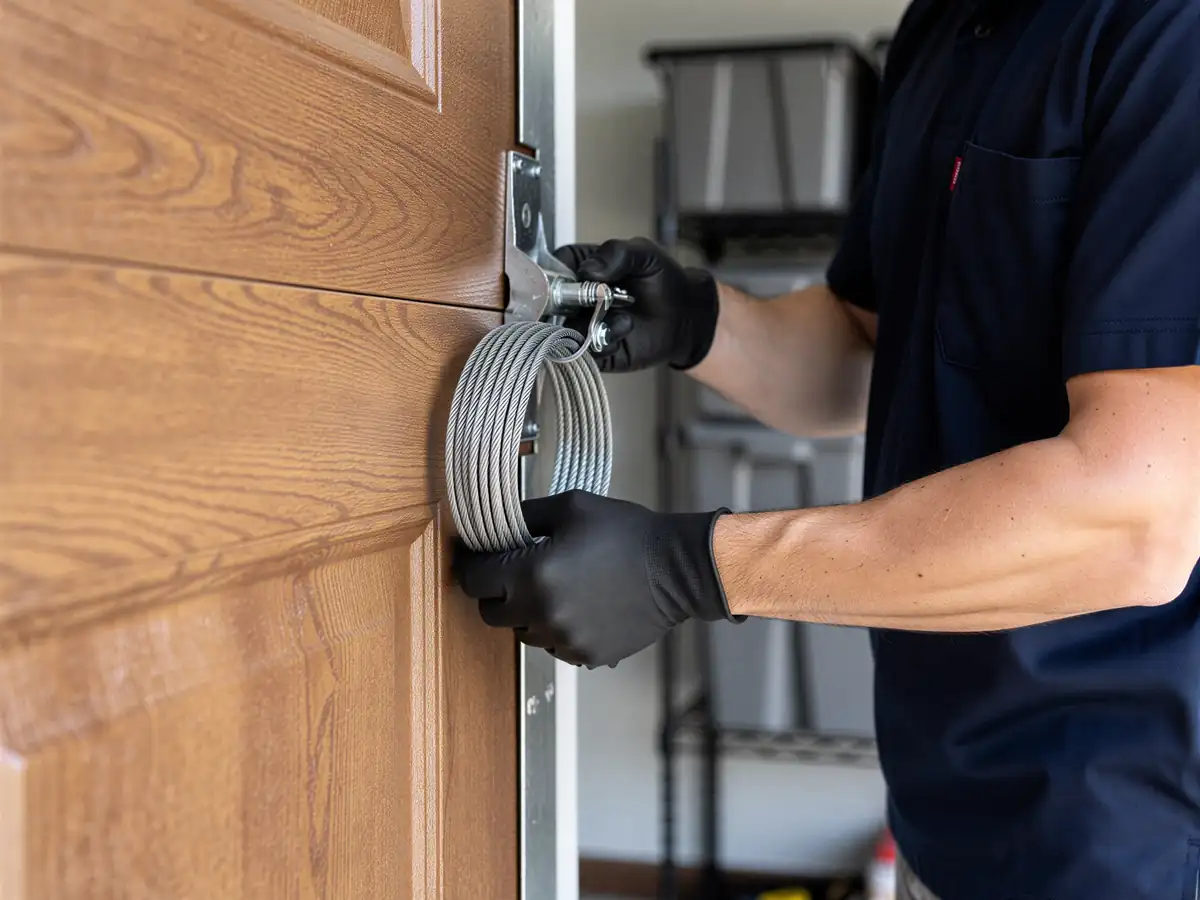
When a door from the 1960s or 70s comes up for a service call, the question isn't whether it's old - it's whether the specific parts failing are worth sourcing for a door that age. A broken torsion spring on a double door is almost always worth fixing regardless of the door's age, because springs are a known part and the labor is the same whether the door is five years old or fifty. Where it stops being worth fixing is when the track is bent beyond pulling straight, when the panel seams have rusted through at the bottom section, or when the opener bracket has been welded or jury-rigged by three different owners before you. On original doors from this era, we also see drum and cable setups that don't match anything currently sold, which means a repair can turn into a full replacement of the moving hardware even if the door panel itself is fine. That's not a sales pitch - it's just what happens when a part hasn't been made in forty years.
When to Get Help
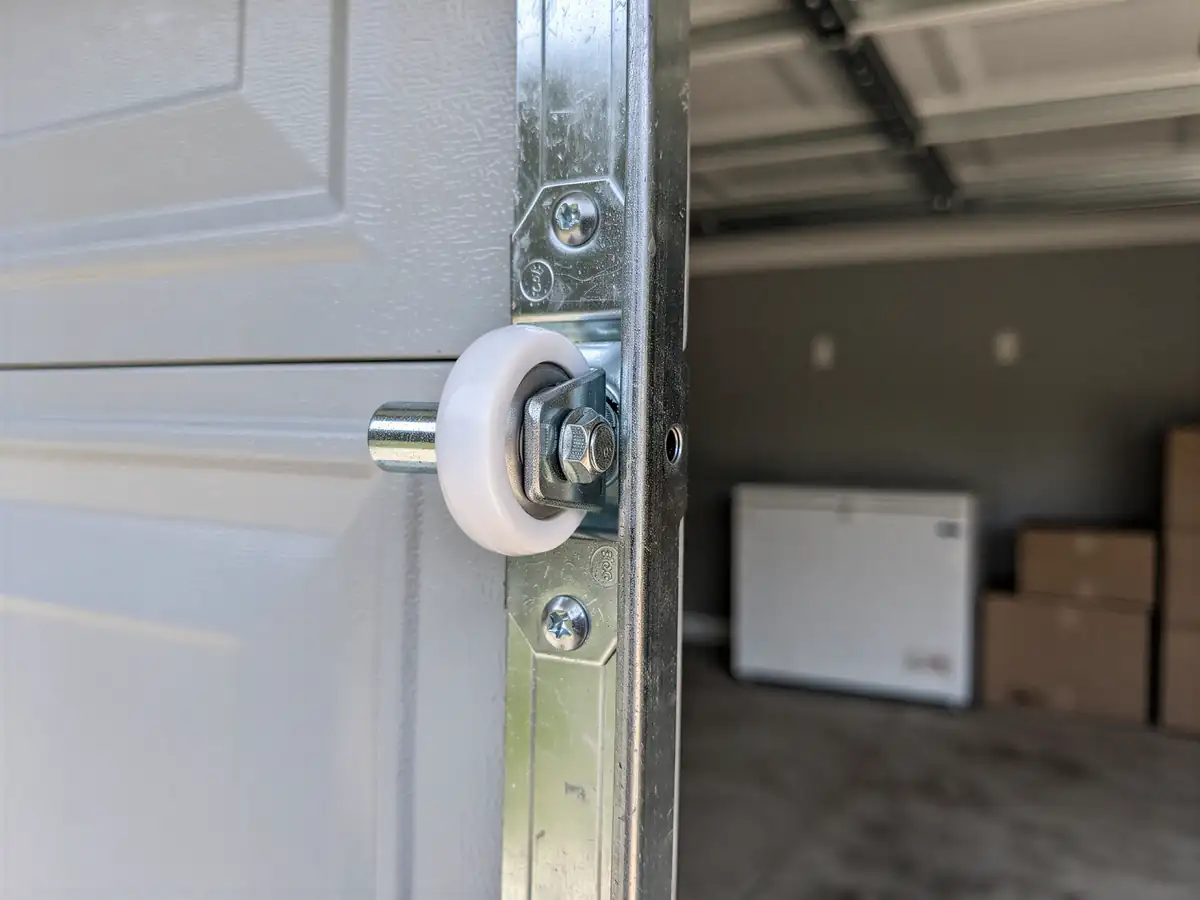
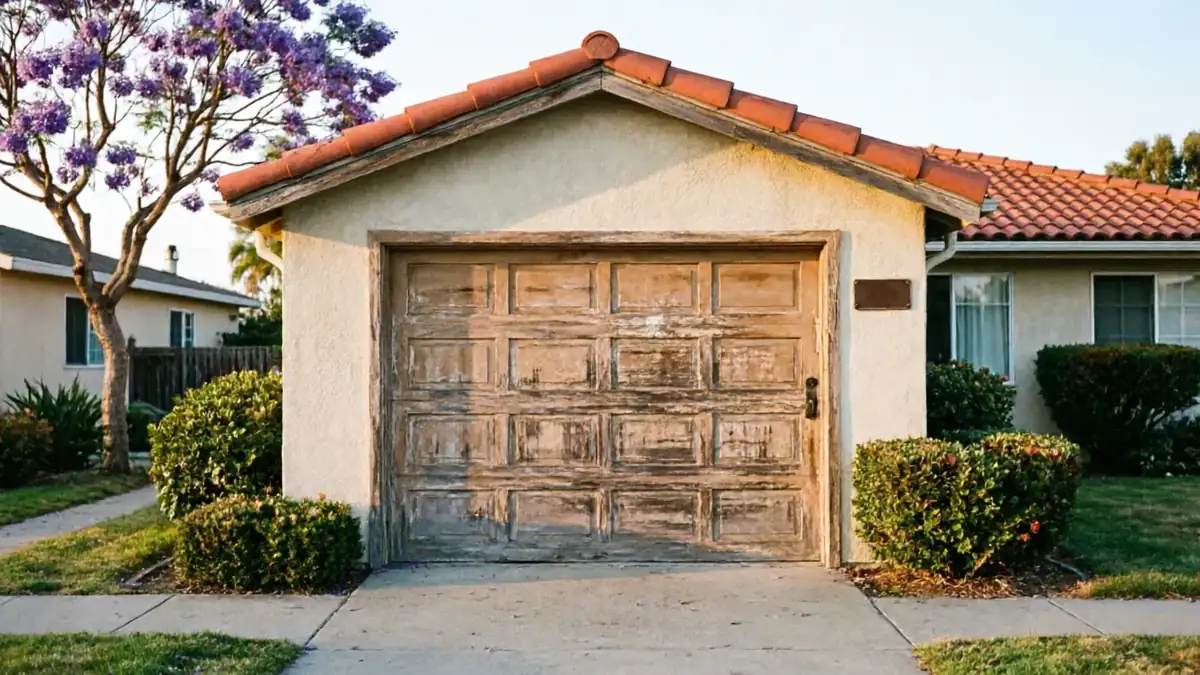
Call before the door fails all the way, not after. If a door from this era is slow to open, drifts to one side, or makes a grinding noise on the way up, that's the spring or the rollers telling you they're near the end, and catching it there is a repair. Catching it after the cable snaps with the door halfway up is a safety call, and on an older door with original hardware it often turns into a bigger job than anyone wanted. We won't tell you to replace a door that's structurally sound just because it's old - a straight panel with good track and a fresh spring can outlast a lot of newer doors. But if you're weighing a repair on a door built when this neighborhood was still filling in with new construction, get it looked at in person. Over the phone, nobody can tell you what forty-plus years of painted-over hardware is actually hiding.