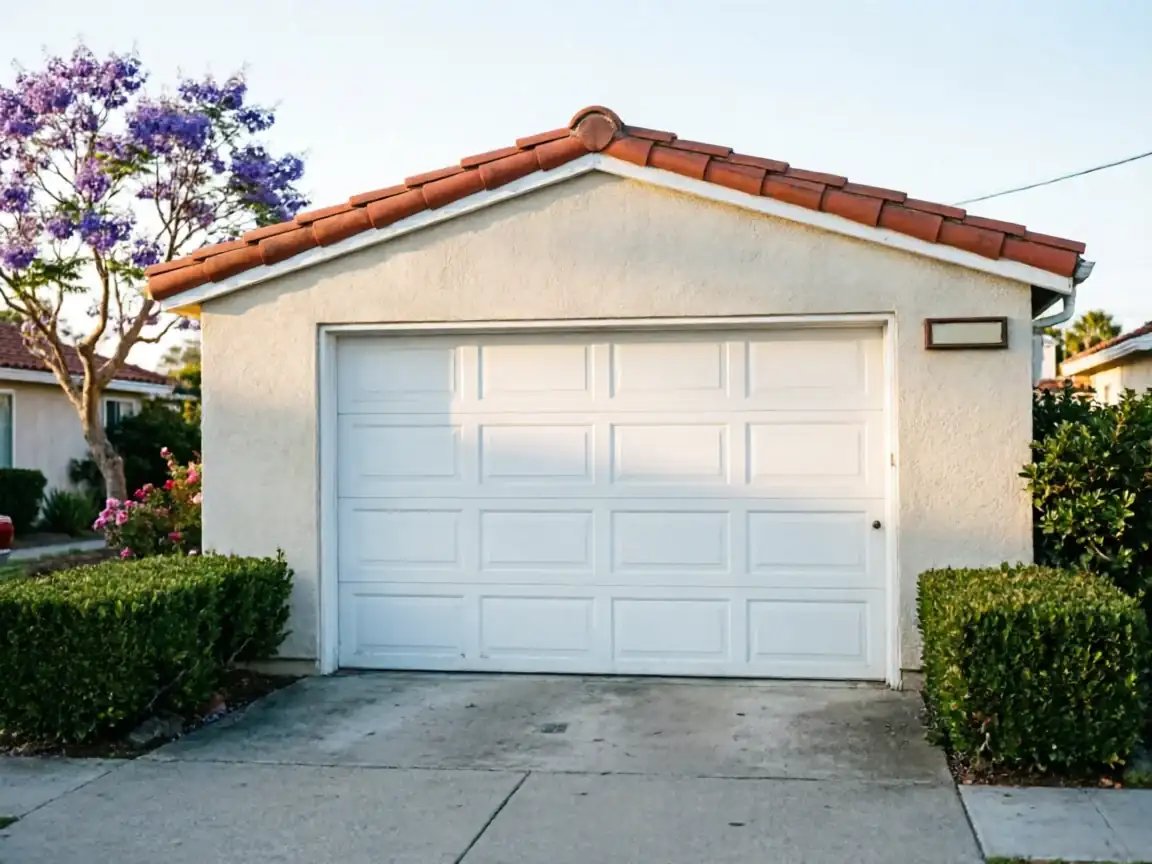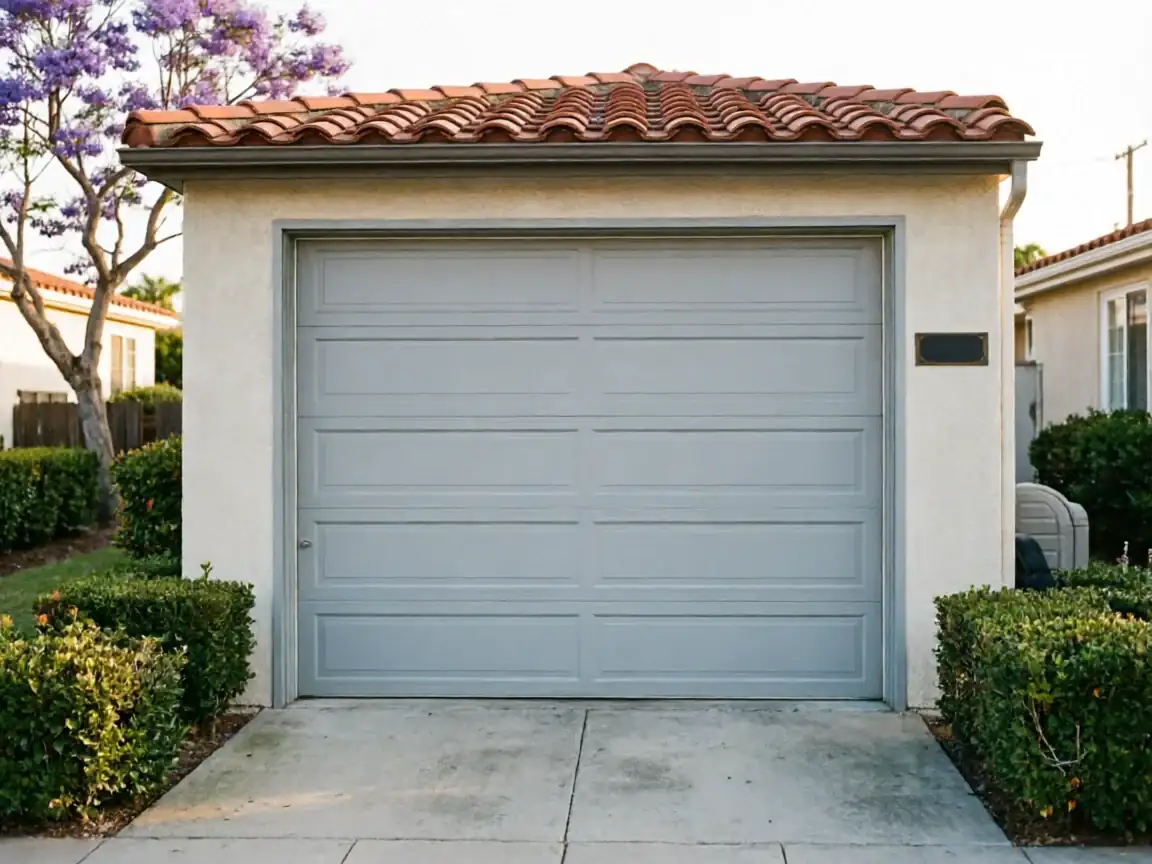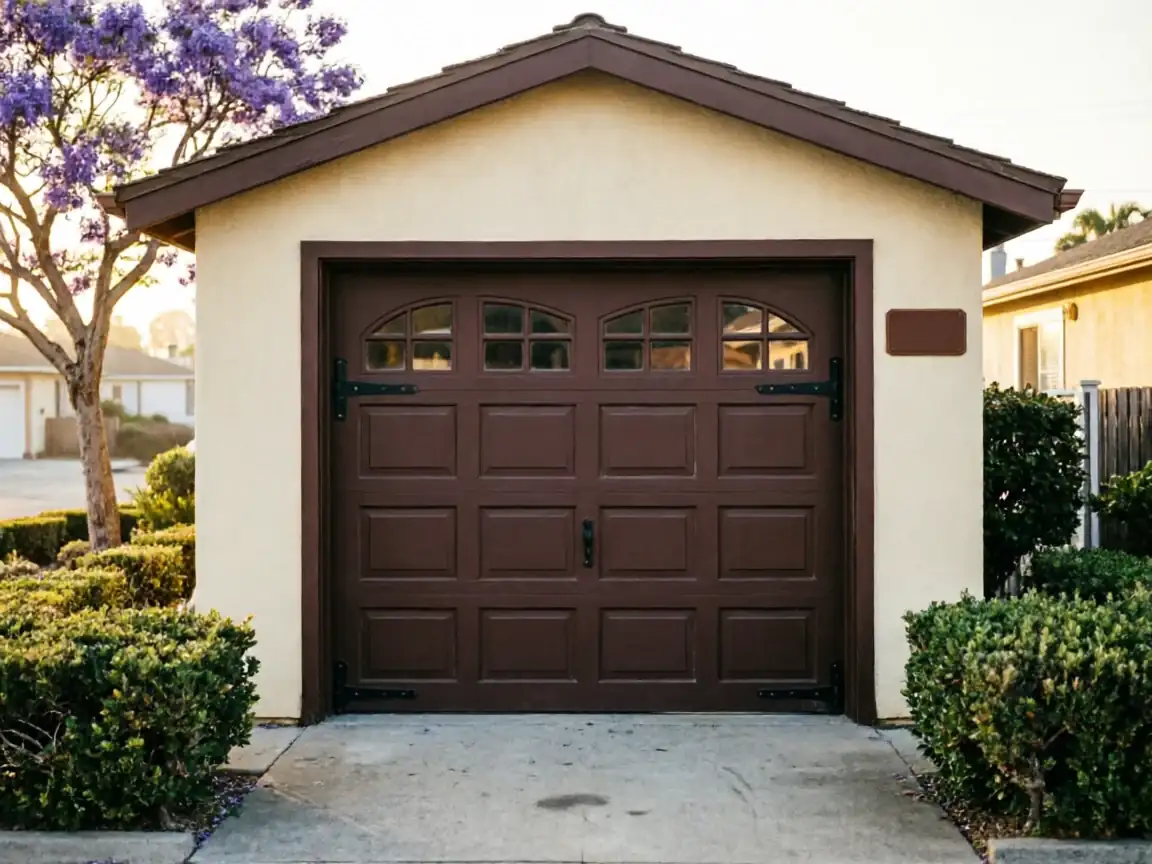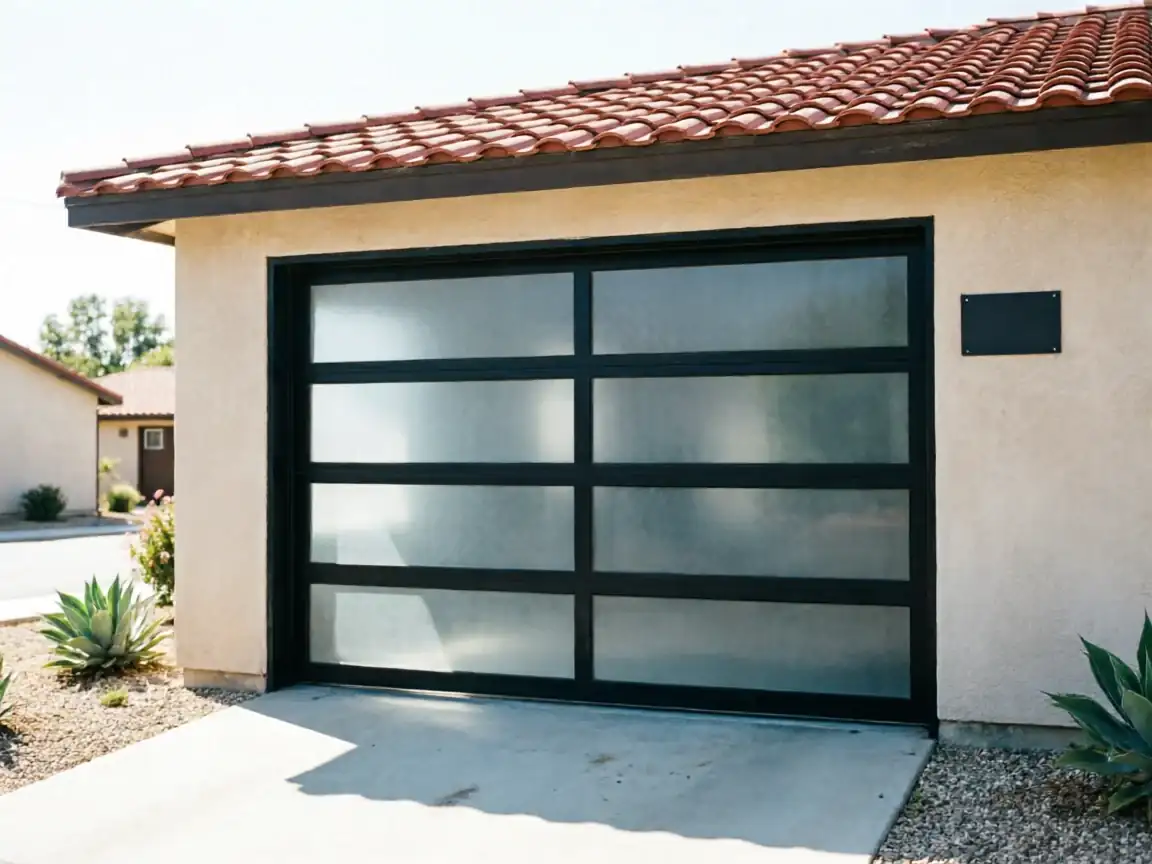
What Causes It Around Here
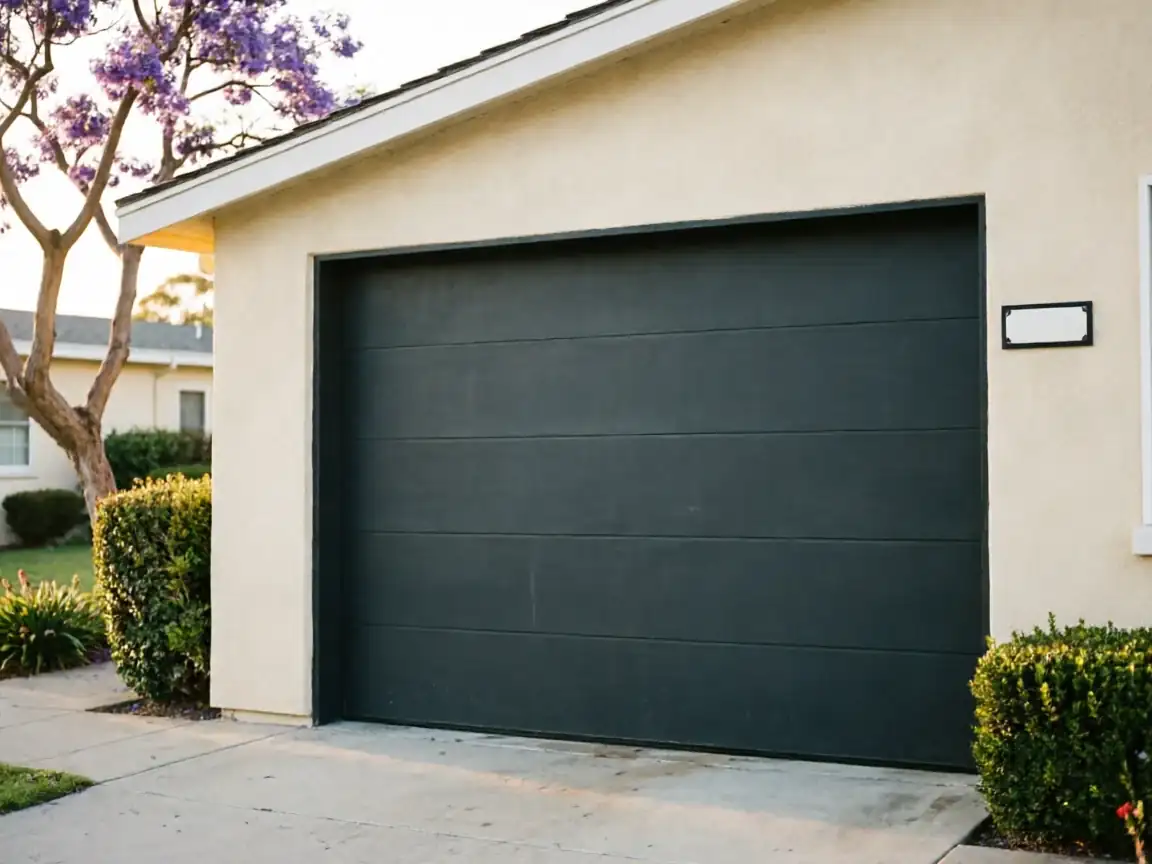
Most of the housing stock in this part of town went up between 1947 and 2012, with the median build year landing around 1963. That matters for installation because a door bought today is built to a standard width and a standard track radius, and a lot of openings framed in the 1960s and 70s weren't. You'll find jambs that are an inch narrower than current spec, headroom that was never meant for a modern torsion setup, and old steel doors half the thickness of what's sold now.
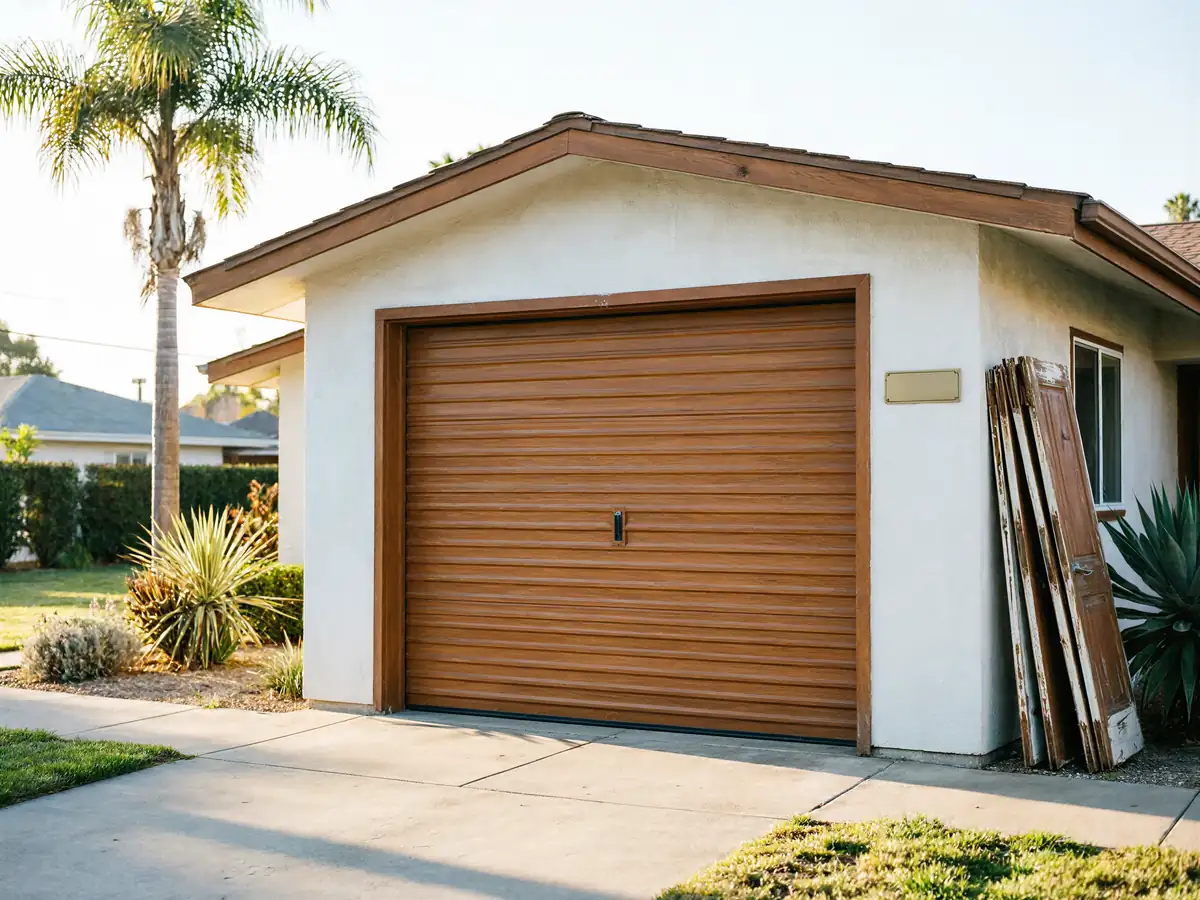
The mild temperate climate here doesn't put the stress on a door that freeze-thaw cycles or heavy snow load do elsewhere. That's a plus, but it also means a lot of these original doors have stayed in service for decades past when they should have been swapped, because nothing ever forced the issue. The panels don't crack from cold, so owners run them until a spring snaps, the track bends, or the opener finally gives out. By then the door, the track, and often the jamb all need attention at once, not just a panel swap.
So the install calls we get aren't usually storm damage. They're age, mismatch, and hardware nobody makes parts for anymore.
How Long It Takes
A straightforward swap
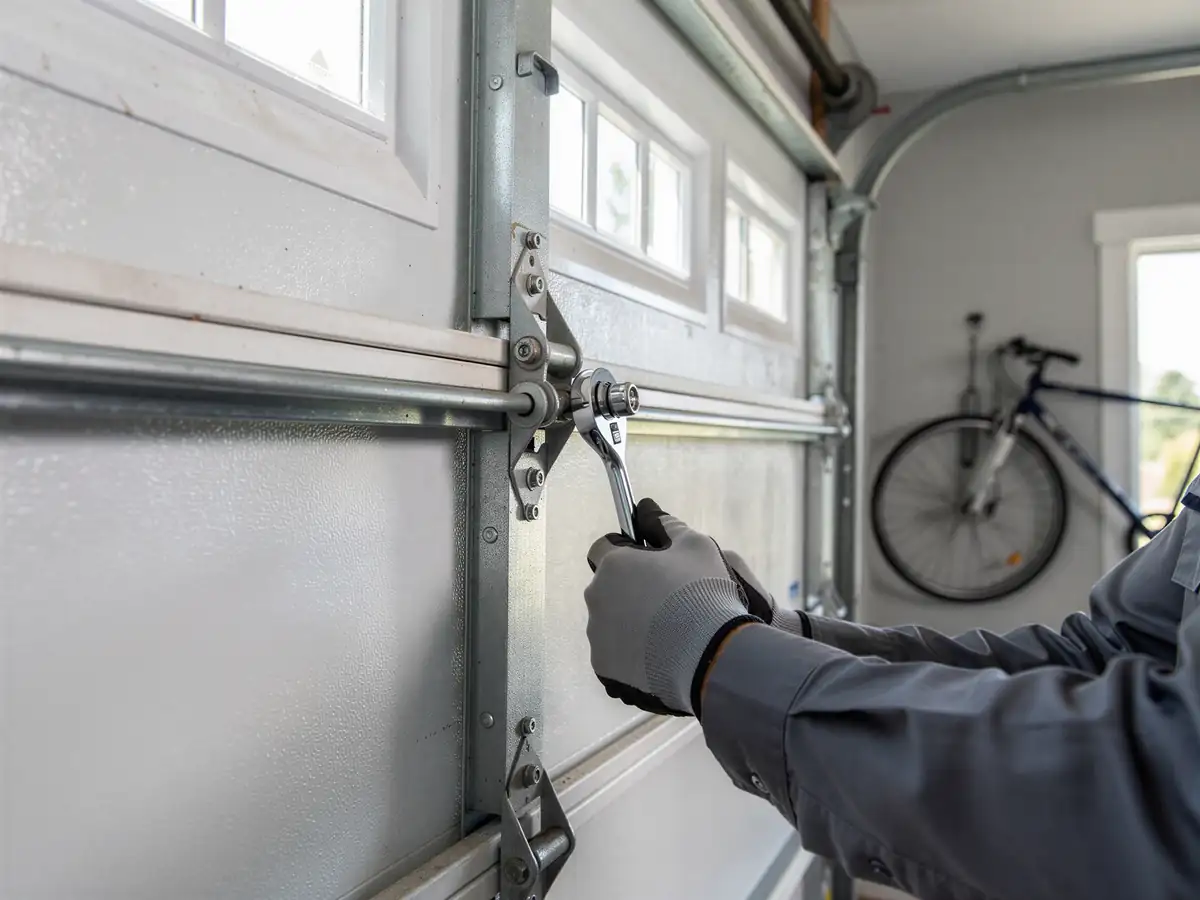
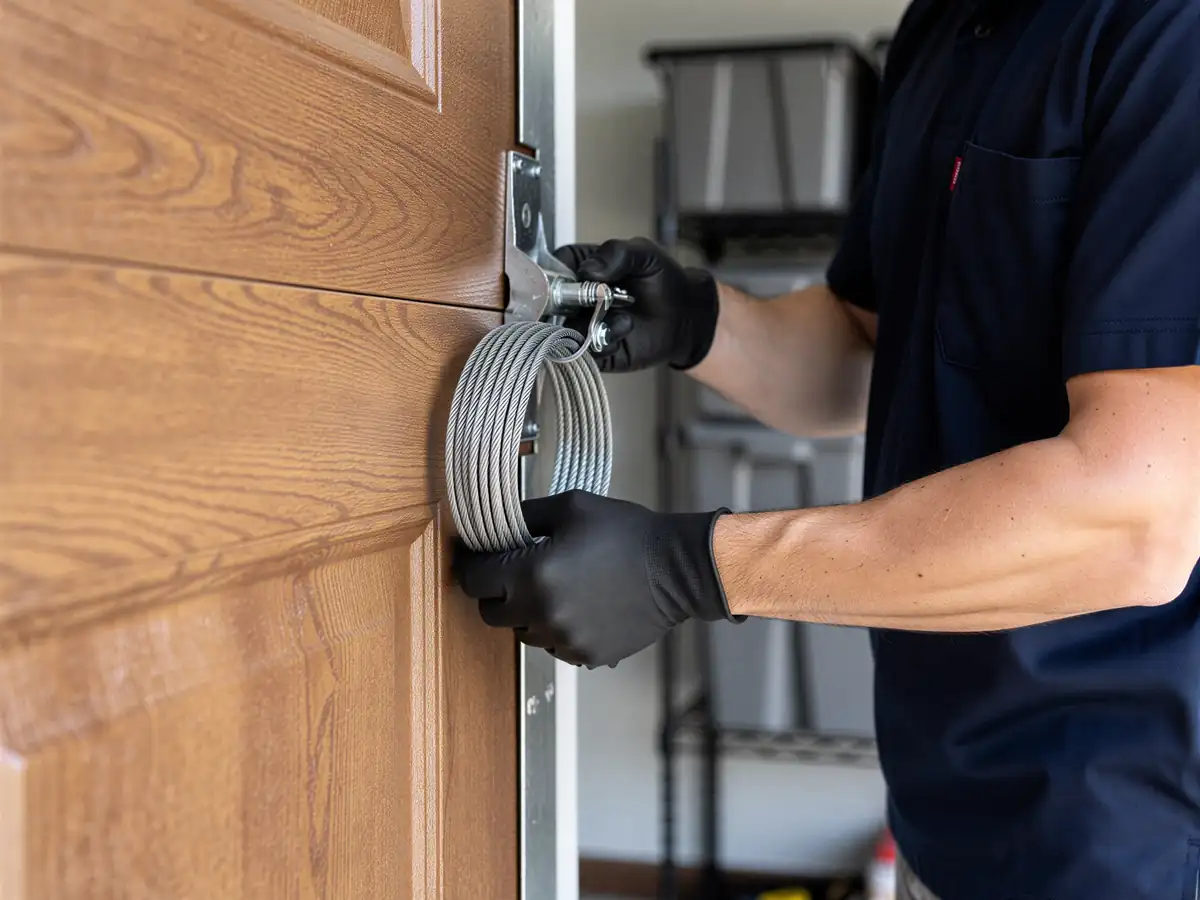
Same width opening, good jamb, door coming out and a new one going in on existing track - usually clears in a morning. Where it runs longer is the houses built to that 1960s-70s standard: if the frame isn't square anymore or the opening needs widening to fit a current door, we're rebuilding part of the jamb before the new door ever goes up. That's a different job, and it takes longer because the carpentry has to be right before the door hardware goes on.
Double doors on older Redondo Beach houses tend to take longer than singles for the same reason
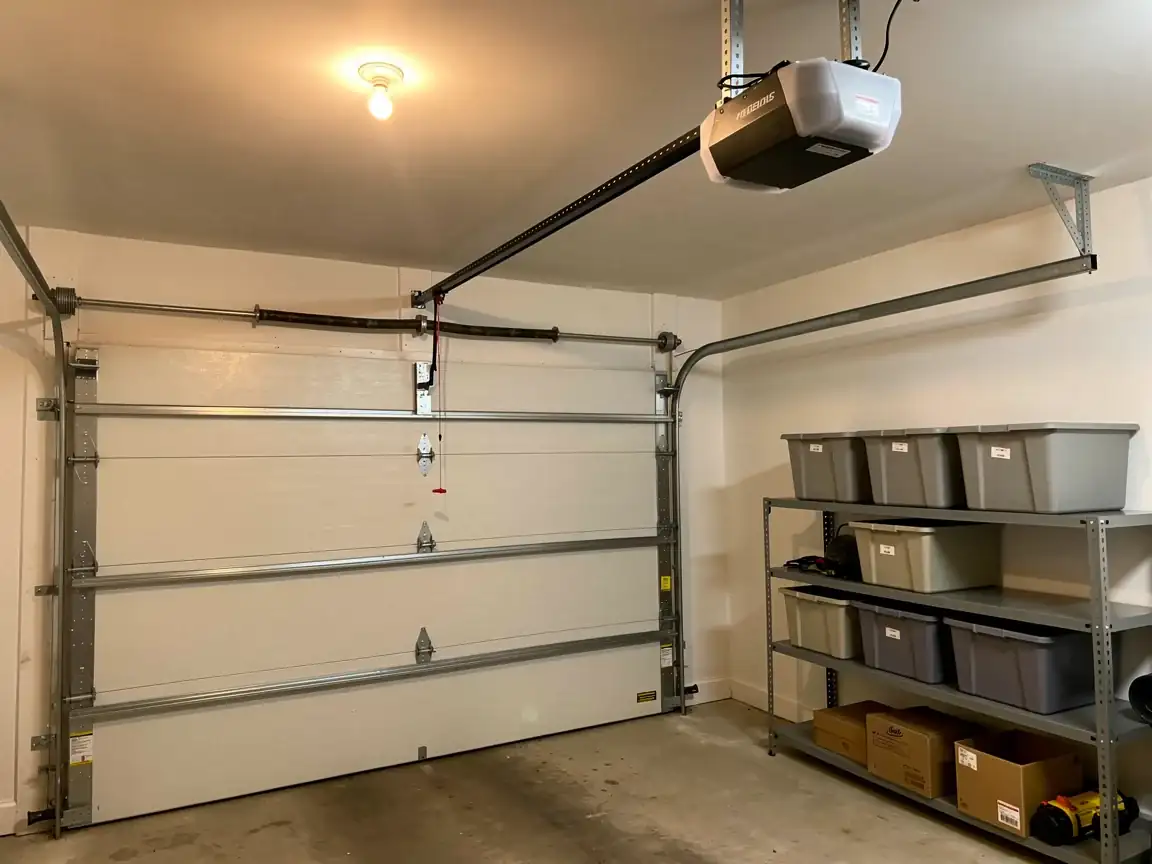
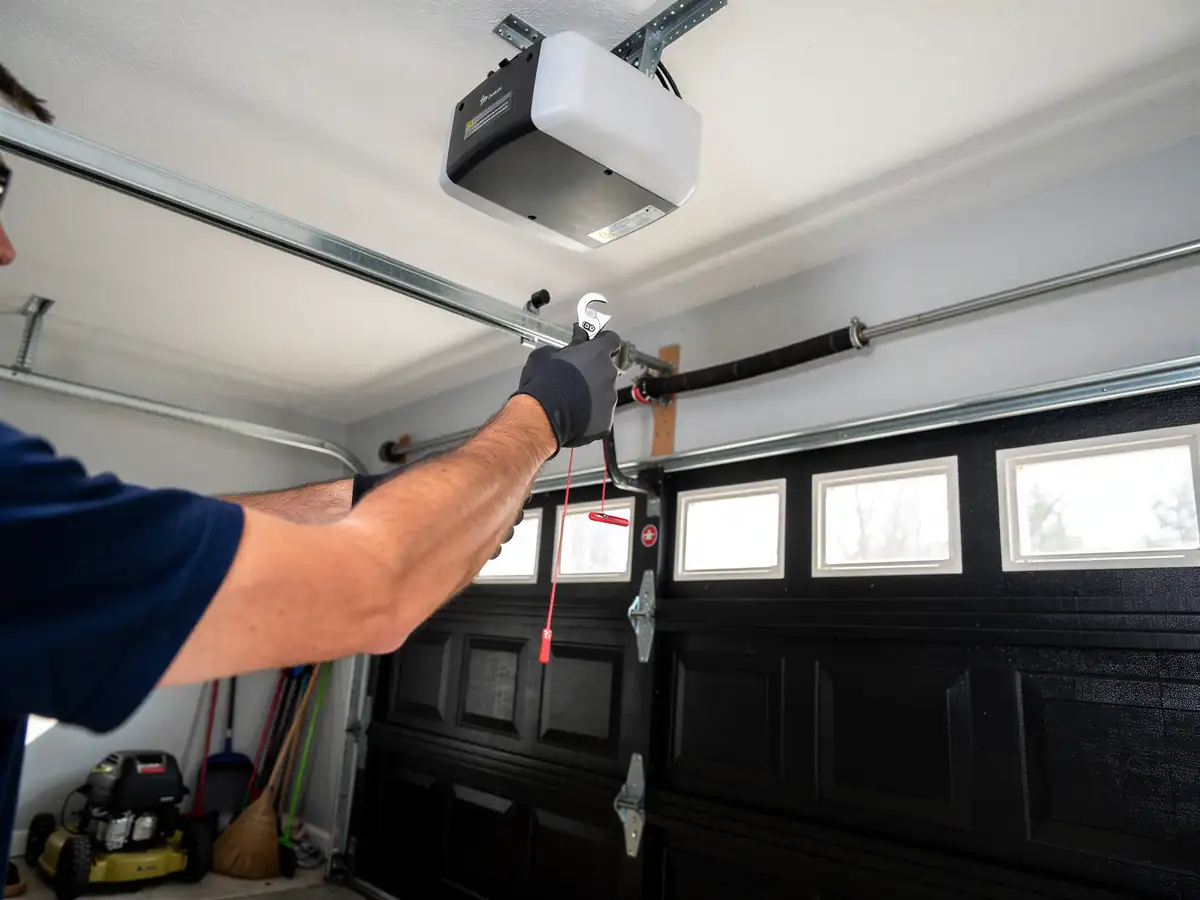
More track, more header weight, and usually an opener that's being replaced at the same time since the old one isn't rated for the new door's weight.
We won't quote a time before we've seen the opening
A house with a clean, square frame from a later build year goes faster than one where the jamb has shifted over sixty years. That's the honest answer: it depends on what's behind the old door, not just what's going in front of it.
The Cost of This Job
We're not going to put a number here that doesn't hold up once we're standing in your driveway. Cost on an install depends on the width and height of the opening, whether the existing track and header can be reused, the door material you pick, and whether the jamb needs rebuilding - and on houses built to the median 1963 standard around here, that last one comes up more than people expect.
What we can tell you is what drives the price up or down. Reusing sound track and a header that's still square keeps the job simpler. A custom width, because the opening was framed before today's standard sizes existed, adds material and labor. Insulated doors cost more than uninsulated ones, and in a mild climate like this one, that's a choice about comfort and noise more than survival - you're not fighting frozen panels either way.
The honest limitation: we don't price installs over the phone past a rough range, because two houses on the same block can have completely different openings behind the same style of door.
How It Shows Up
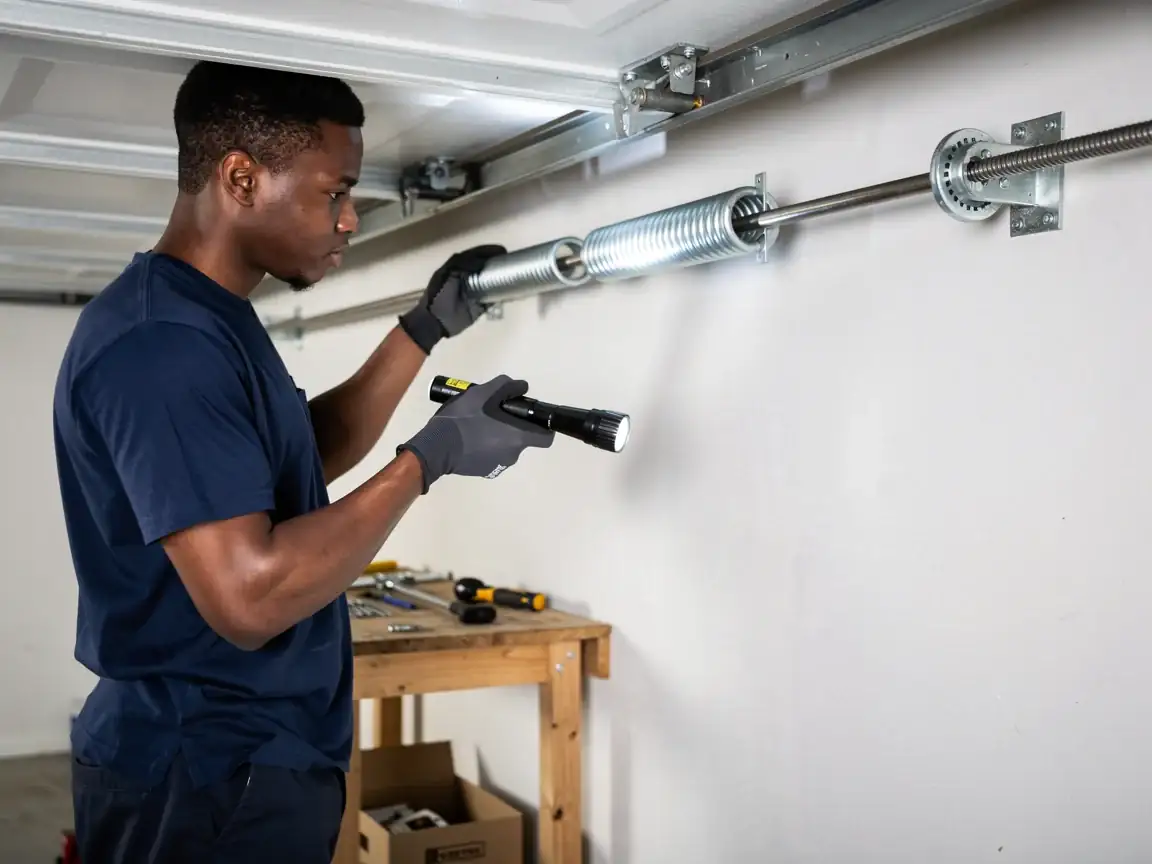
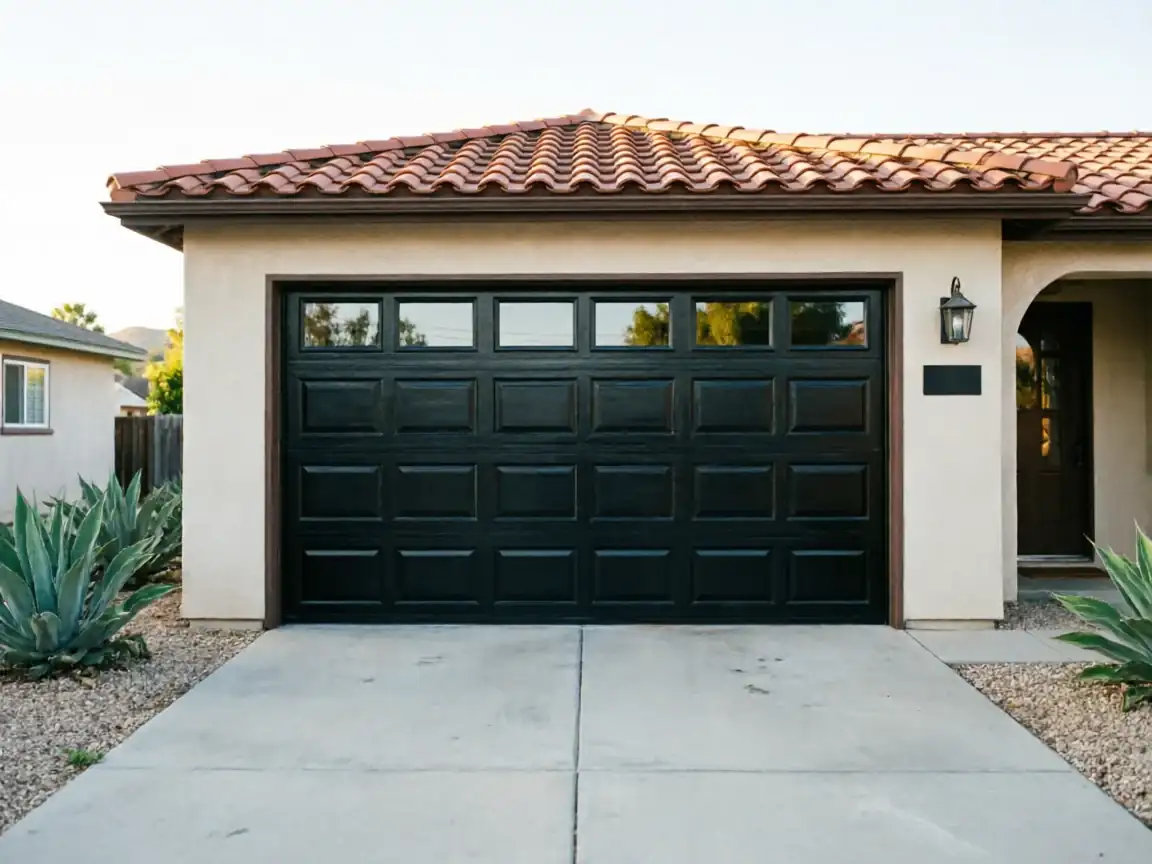
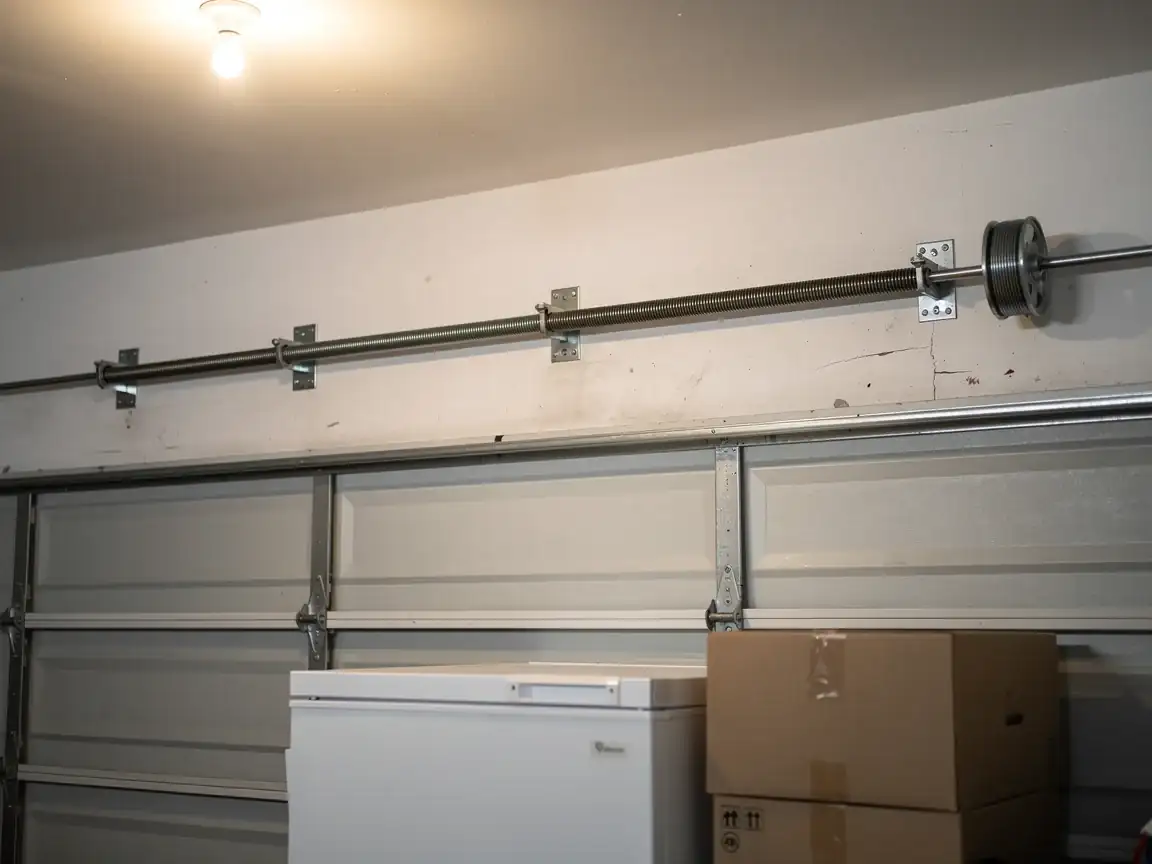
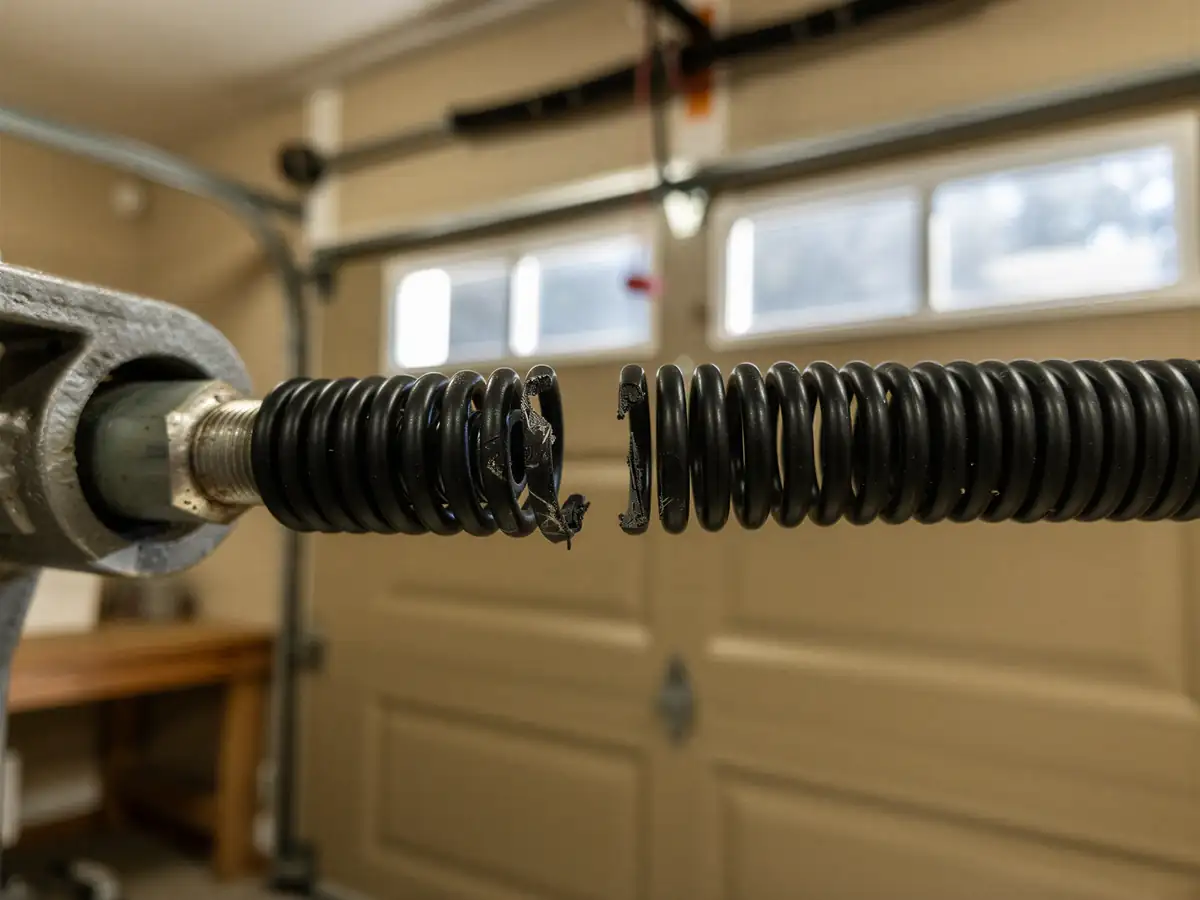
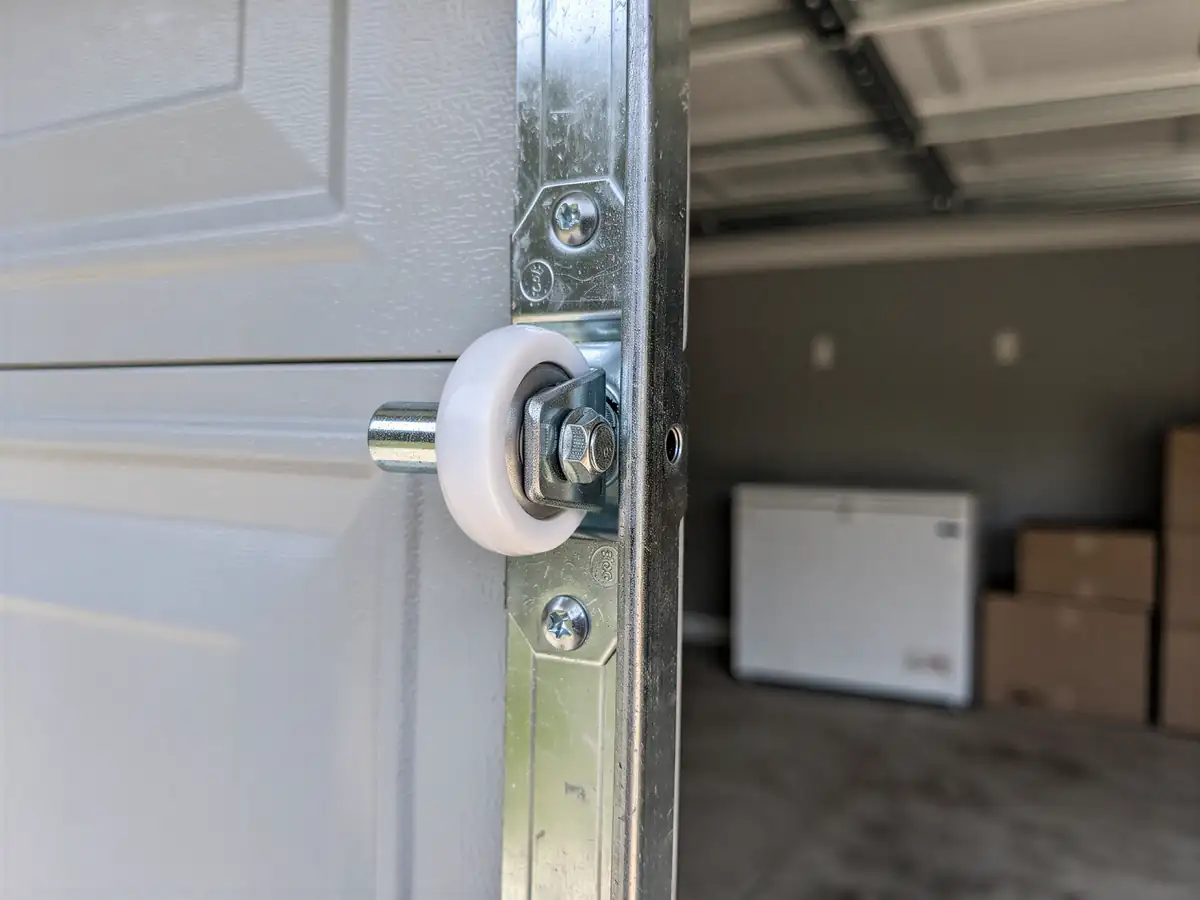
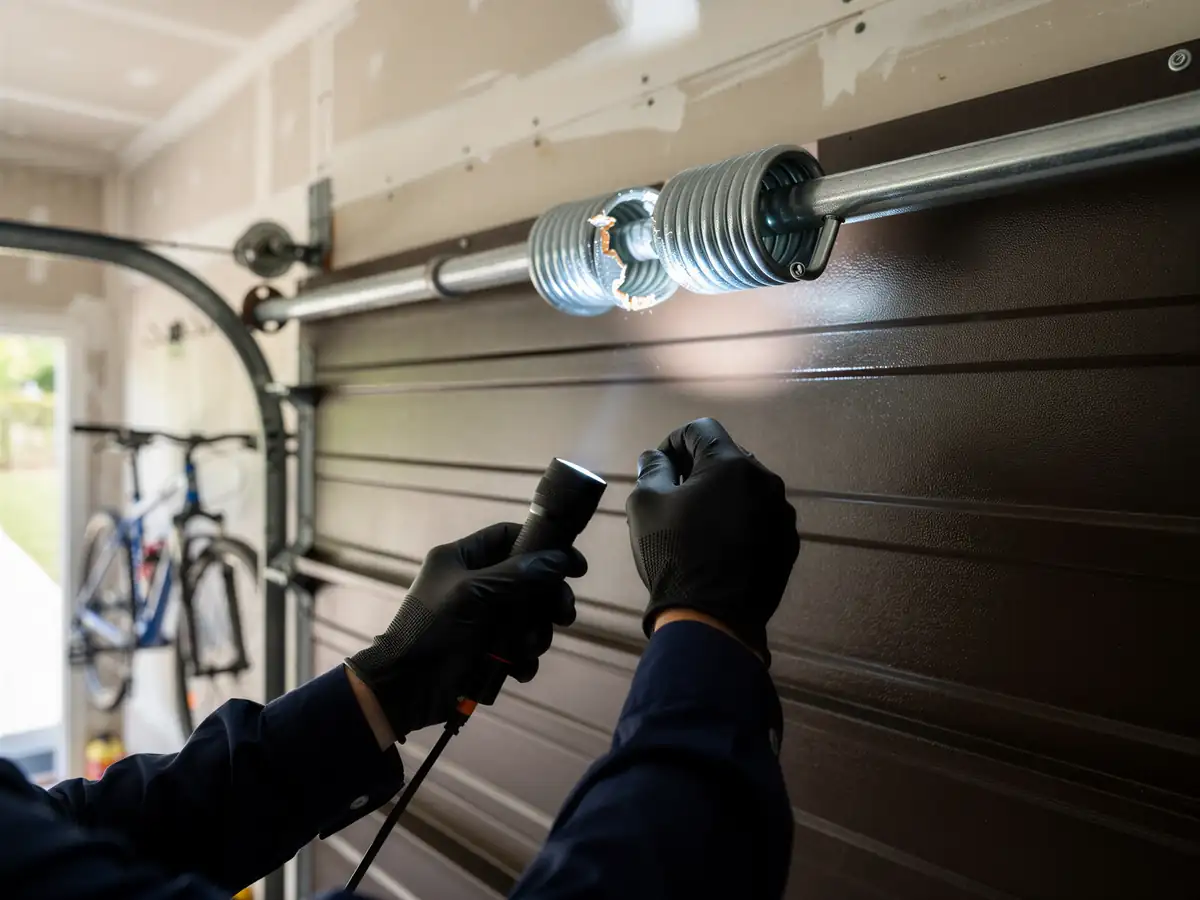
The door that needs installing, not repairing, usually tells you before it quits outright. The panel face is pitted or delaminating from age rather than weather - in this climate it's not rust from salt or frost, it's just decades of sun and use. The track doesn't line up square anymore because the jamb has settled, something common in the older frames from the 1960s and 70s stock that makes up most of this area. Rollers are the metal kind nobody uses now, and the spring is sized for a door half the weight of what you'd buy today.
Sometimes it shows up as an opener that can't be matched to the door - you replace the motor and the door still doesn't move right, because the whole system was built around a panel that's not built anymore. Sometimes it's simpler: the door works fine but it's the one thing stopping a window or room addition, because the current opening won't take a modern door without framing changes.
Either way, if you're calling about a repair and the estimate keeps growing past parts and labor into jamb work, that's usually the sign it's an install job now, not a fix.