Serving Redondo Beach, CA & nearby
(424) 237-3672
Redondo Beach, CA

Why Your Garage Door Sensors Keep Drifting Out of Alignment

Redondo Beach homes built mostly in the 1960s and 70s see sensor drift from slab settling and old brackets, not freeze-thaw cycles. Here's what actually moves them.

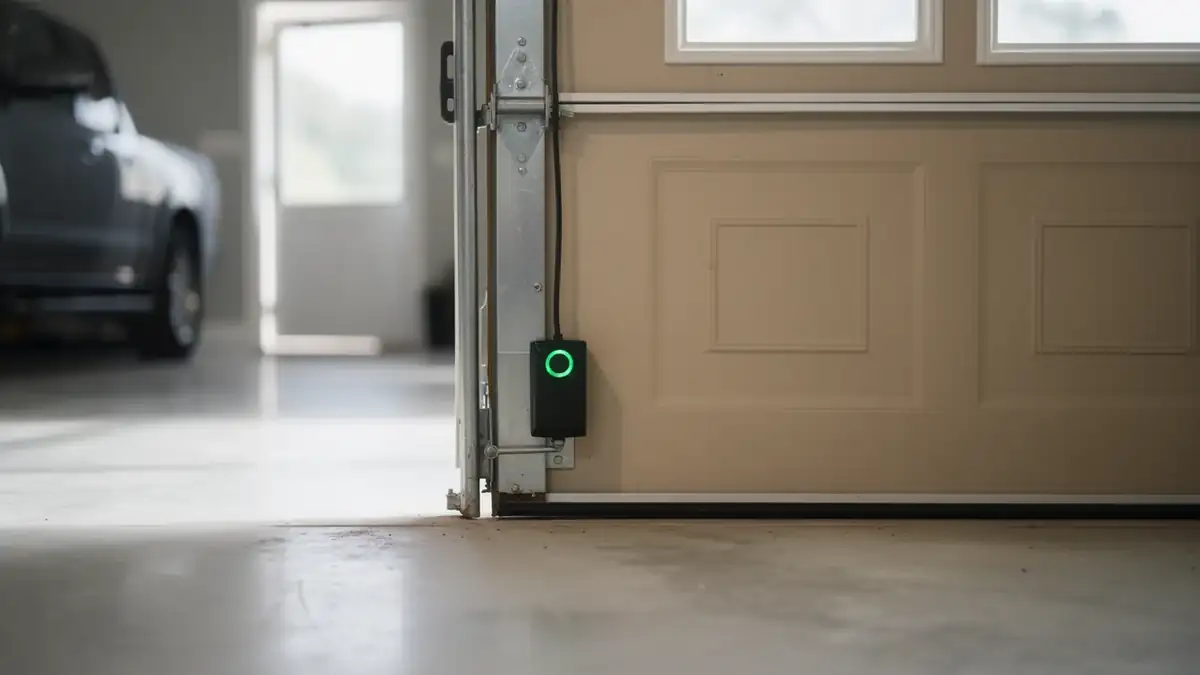
A black smart garage door opener is attached to a tan garage door.

What Changes With the Season

Redondo Beach sits in a mild temperate band, so you're not dealing with the freeze-thaw swings that crack driveways and shrink metal brackets in colder parts of the country. That's the good news. The less obvious news is that mild weather doesn't mean no movement - it just means the movement is slower and easier to ignore. A sensor bracket here doesn't get yanked out of true by a hard freeze in January. It creeps, a hair at a time, from sun exposure on the bracket side of the door, from routine vibration every time the door cycles, and from small shifts in the slab underneath it. Because there's no dramatic seasonal event to blame, a lot of owners don't think to check alignment until the door starts reversing on its own. In a harsher climate the cause would be obvious. Here it isn't, which is exactly why it gets missed.

What Local Conditions Do

The service area's housing stock runs from 1947 to 2012, with a median build year of 1963, and that matters more than most people think. A garage built in the early 1960s has had sixty-plus years for its concrete slab to settle, usually unevenly, since one side of a slab almost always settles faster than the other. That slow tilt pulls at whatever is bolted to the track and the door jamb - including the photo-eye sensors. Add in that a lot of these original garages have had at least one driveway reseal or a jamb repaint over the decades, and each of those jobs is a chance for someone to bump a bracket half an inch without noticing. None of this is dramatic. It's cumulative. A door that worked fine for years can start drifting simply because the slab finally moved enough, or because a bracket that was never perfectly square to begin with finally gave up the last few degrees it had left.

What Is Going On

When a sensor is out of alignment, the door won't close, or it closes and immediately reverses, and the opener's light usually blinks a pattern to tell you. The two sensors have to be looking at each other in a dead straight line, a few inches off the floor. If one bracket has crept even a little - from slab settling, from a bump, from a loose screw that's been loose for years - the beam clips the edge of the other sensor's lens instead of hitting it square, and the door reads that as an obstruction. On an older house, the fix is sometimes as simple as loosening the wing nuts and nudging the bracket back to level. Sometimes the bracket itself is bent or the mounting hole in the old wood jamb has worn oblong from decades of tiny shifts, and in that case realignment won't hold - the bracket needs a new, solid mounting point before it'll stay put.

When to Get Help

If the sensors have a light haze or a cobweb across the lens, clean them first - that's a five-minute fix, not a service call. If they're clean, aimed at each other, and the door still won't close, or it closes and reverses every time, that's a job worth having looked at rather than guessed at from a ladder. We don't recommend forcing a misaligned bracket back into place with pliers on an older wood jamb - on houses from the early 1960s, the wood around that mounting hole is often soft enough that forcing it just enlarges the hole further and the bracket won't hold the next time someone brushes past it. That's one we'd rather remount properly than patch twice. If your door is reversing and you can't tell whether it's the sensors, the track, or something else, call before you keep running the opener against it - repeated reversals put wear on the opener's gears that has nothing to do with the sensors themselves.
How it works

From “it’s stuck” to “it’s fixed”

A man and a woman stand in a driveway, looking at their phones.

Tell us what’s wrong

Describe the symptom - won’t open, loud bang, opener runs but the door won’t move.

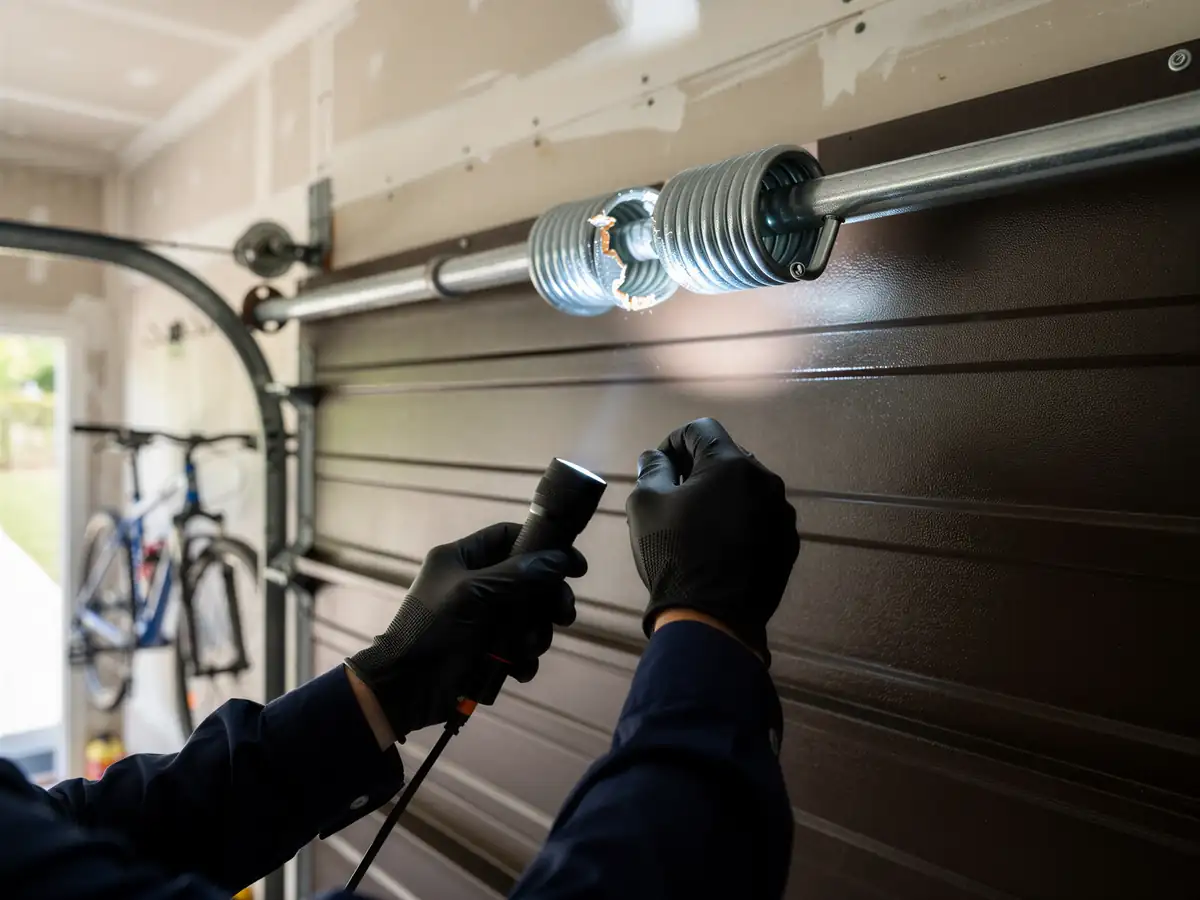
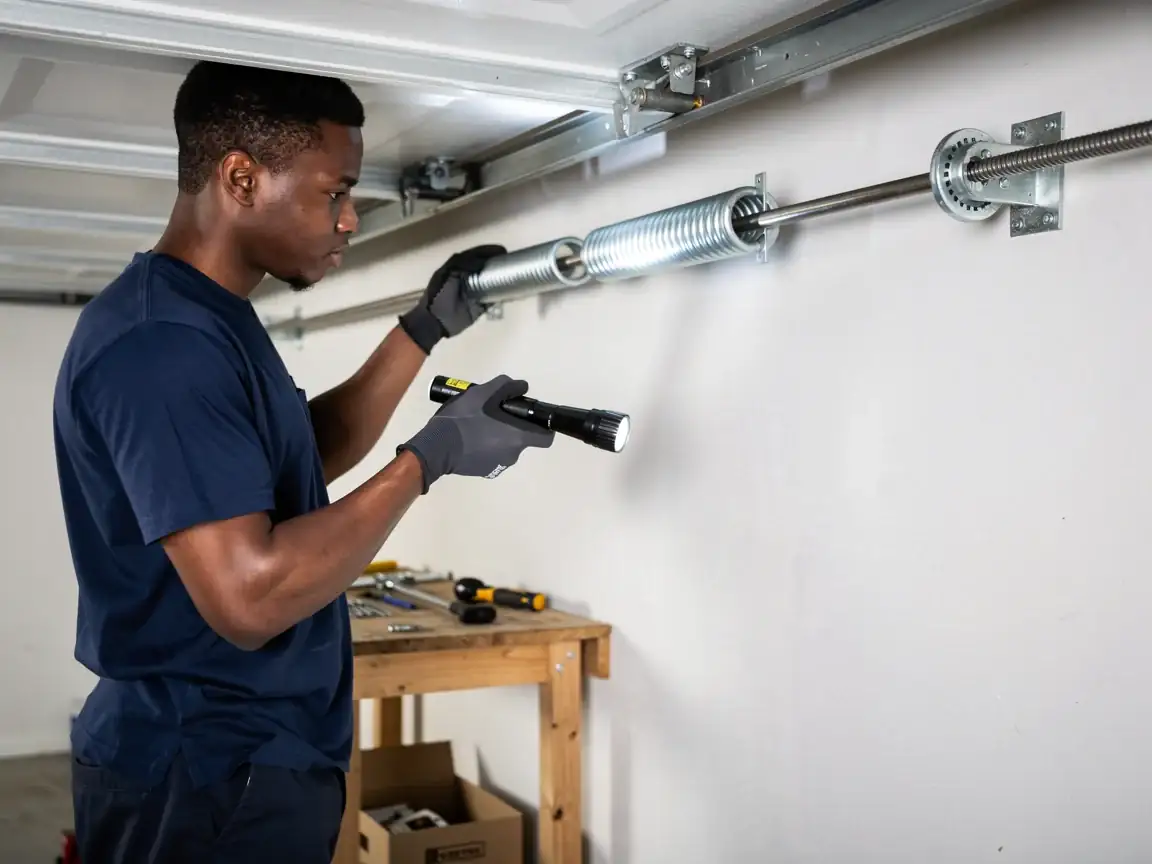
A technician holds a flashlight and works on a garage door torsion spring.

On-site diagnosis

A technician tests the door under power and by hand and finds what actually failed.

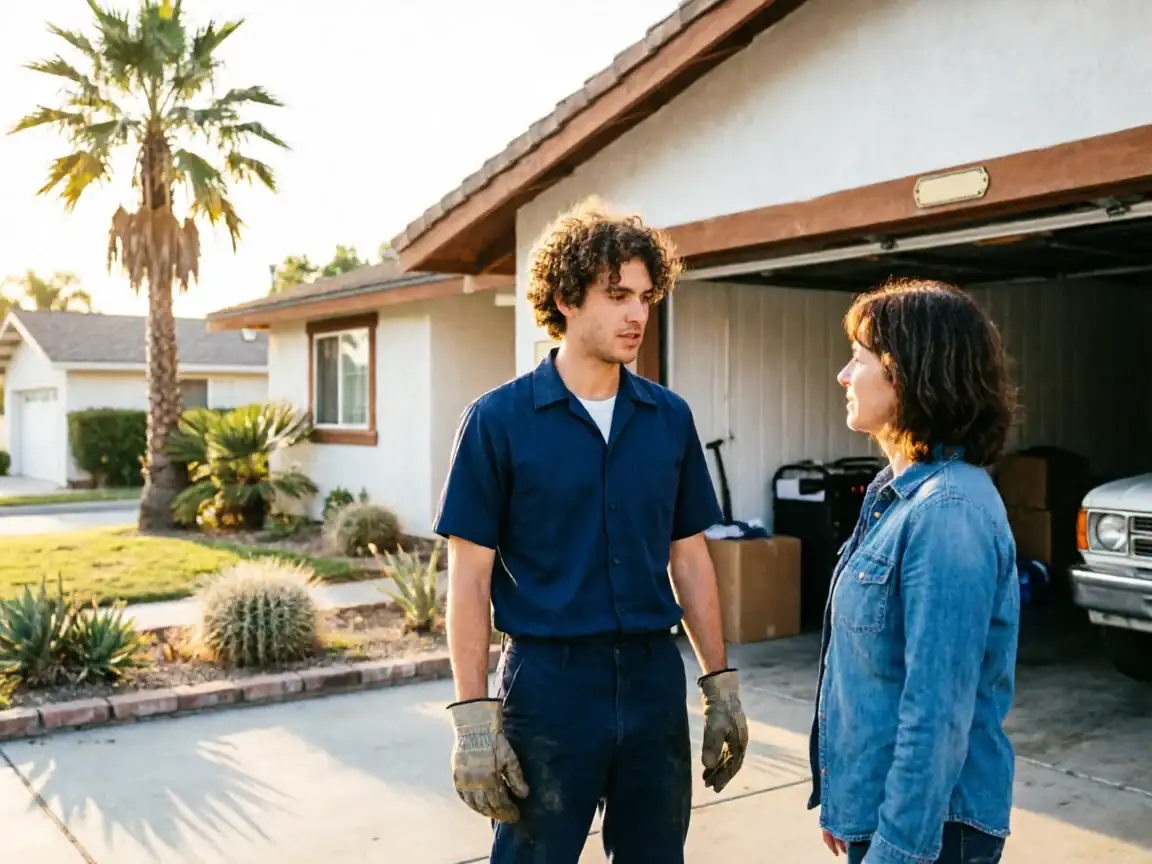
A technician in work clothes talks to a woman in front of a house with an open garage.

Clear, up-front plan

You get the fix that’s needed and what drives the cost - before any work starts.

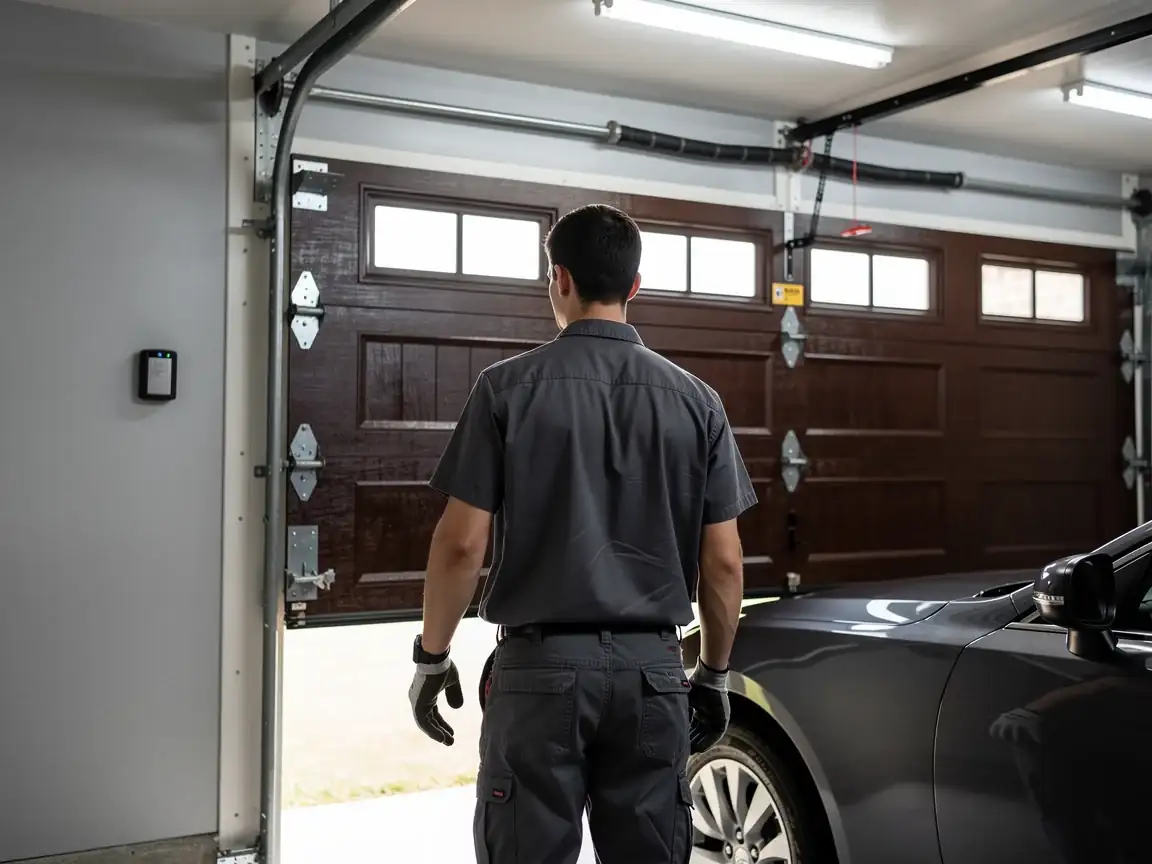
A technician stands in a garage looking at a brown garage door with windows.

Repaired & tested

The repair is done, the door is set true and tested, and the work area left clean.

Not sure which repair your door needs in Redondo Beach, CA? Describe what it’s doing - every job starts with a diagnosis.

How we work

What to expect

Diagnosis firstEvery visit starts by finding what actually failed - not a pre-written parts list.
The right part for the doorSprings and openers matched to the door’s weight and age, so the fix holds up.
Straight answersWhen a repair makes more sense than a replacement - or the reverse - you hear it plainly.
Clean, careful workTension released safely, hardware set true, the door tested under power before we leave.
What we do

Garage Door Services

Repair and installation work for Redondo Beach homes and businesses.

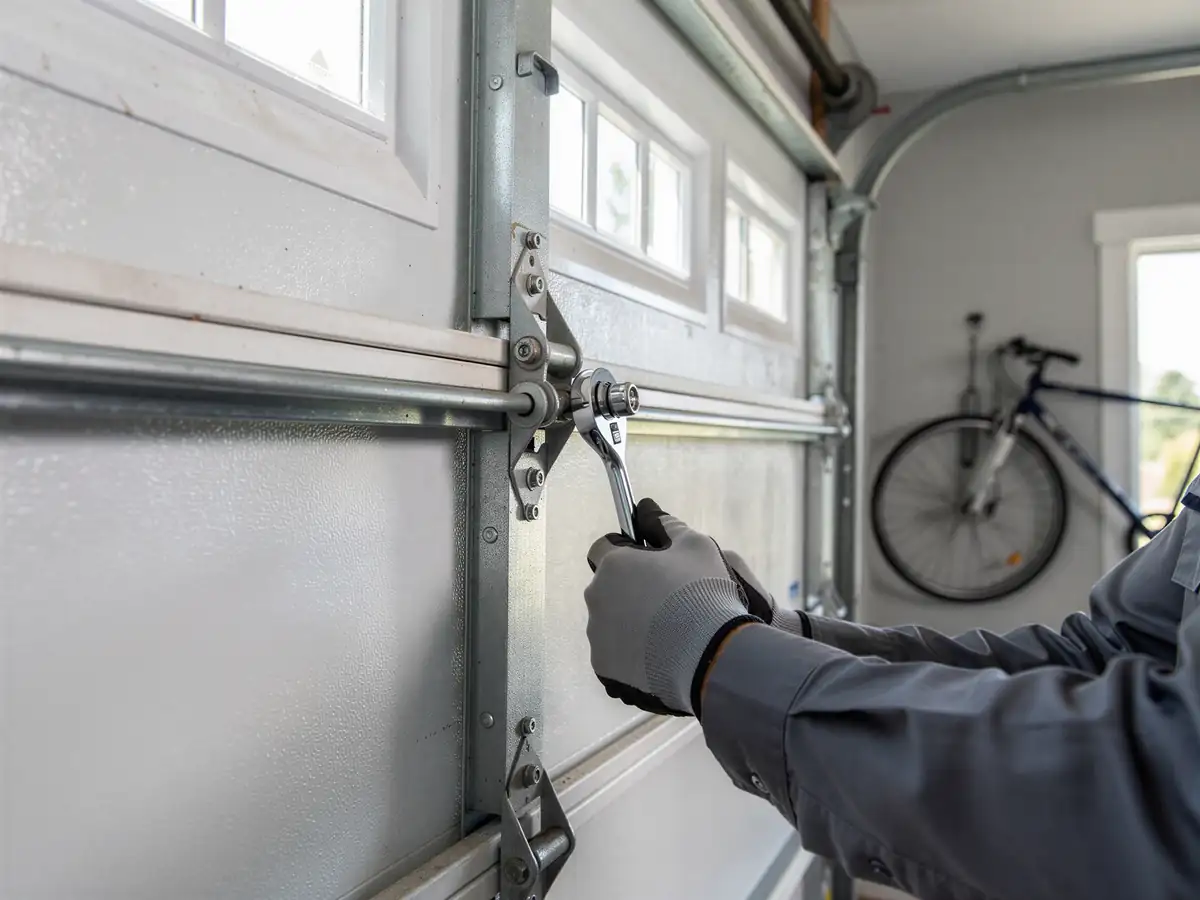
A technician in gray gloves uses a wrench to adjust a garage door hinge.

Garage Door Repair

Springs, openers, and tracks fail differently in Redondo Beach's 1960s-era homes. See what breaks first, how long repairs take, and what drives the cost.

Learn more
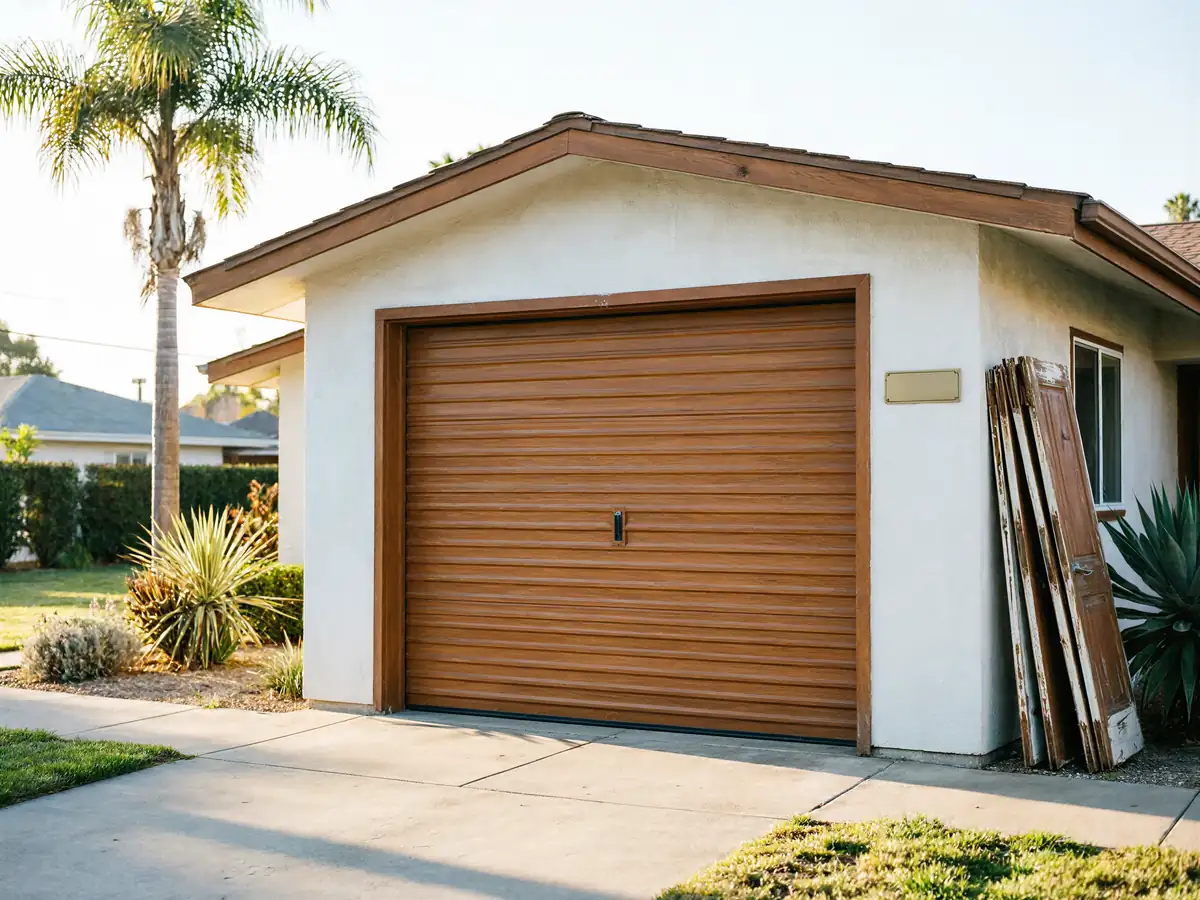
A brown garage door is on a white house with a palm tree.

Garage Door Installation

Redondo Beach homes built in the 1960s and 70s often need wider openings and new track for a modern garage door. Here's what installation really involves.

Learn more
A black garage door with windows is on a house with a red tile roof.

Garage Door Service

Garage door service for Redondo Beach homes built mostly in the 1960s and 70s. We work on original torsion hardware, worn rollers, and springs past their life in this mild coastal climate.

Learn more
A technician adjusts a garage door torsion spring with a wrench.

Opener Installation

Opener installation and replacement for Redondo Beach homes built mostly in the 1960s and 70s, where original chain-drive units are reaching the end of their duty cycle.

Learn more
A broken black torsion spring is visible against a tan garage door.

Spring Repair

Broken torsion or extension spring in Redondo Beach? Here's why it happens, how long the fix takes, what drives the cost, and the warning signs to watch for.

Learn more
A technician wearing black gloves holds a coiled garage door cable next to a brown garage door.

Cable Repair

Cable repair for garage doors in Redondo Beach, CA, where homes built from 1947 to 2012 run older cable drums and mild coastal air that corrodes them.

Learn more
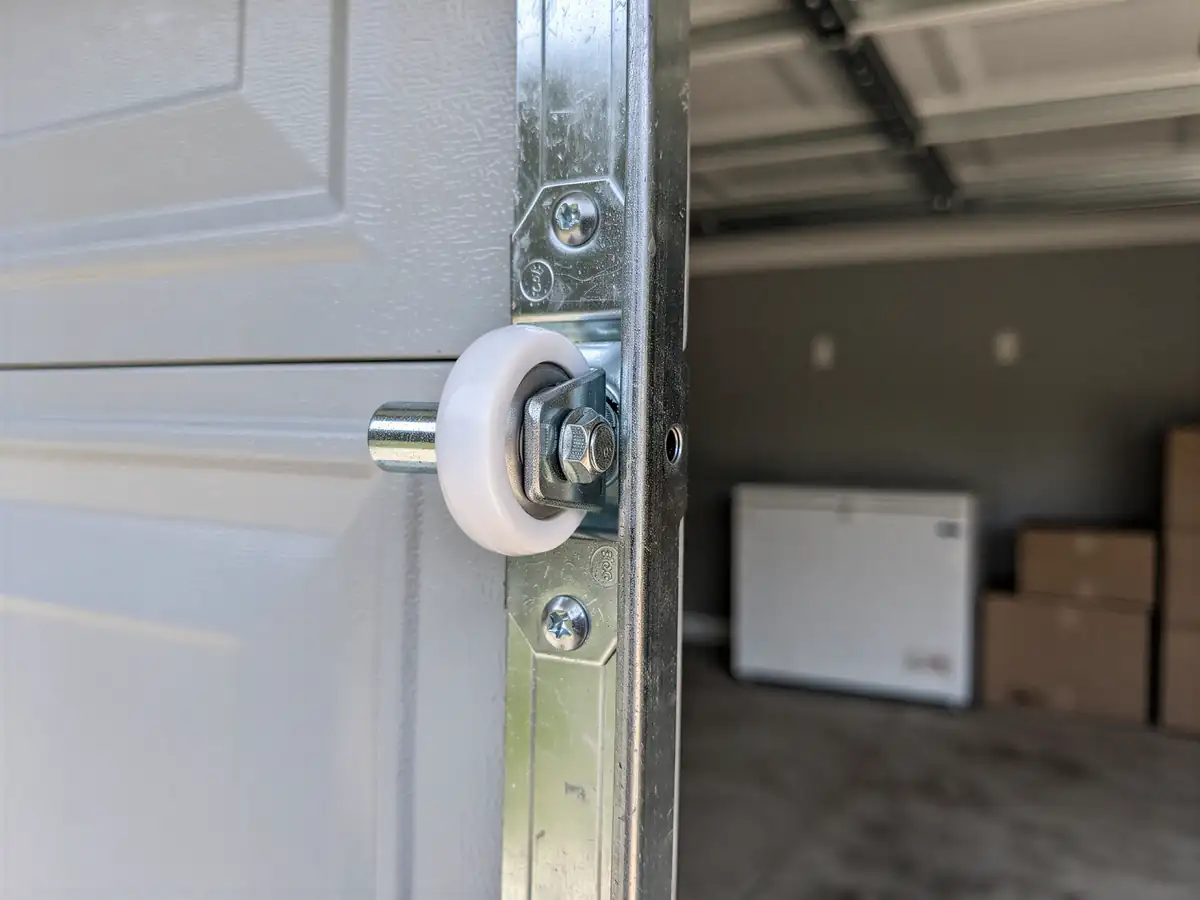
A white garage door roller is attached to a metal track.

Roller Replacement

Roller replacement for Redondo Beach garage doors built mostly in the 1960s and 70s. We cover rollers, tracks, and what drives wear in this housing stock.

Learn more
A technician shines a flashlight on a broken garage door torsion spring.

Emergency Garage Door Repair

Spring snaps, cable off the drum, opener dead at 11pm. Redondo Beach Garage Door Pros handles emergency calls across the South Bay service area, day or night.

Learn more
Questions

Frequently asked

Straight answers about garage door repair in Redondo Beach. Still unsure? Ask us directly.

Why do my garage door sensors keep drifting even though nothing hit them?

On older Redondo Beach garages, built mostly in the 1960s and 70s, the slab under the track settles slowly over decades, and that tilt gets transferred to whatever's bolted nearby, including the sensor brackets. There's rarely one dramatic cause - it's small, cumulative shifts, which is why it can seem to happen for no reason.

Does the coastal climate here cause sensor problems?

Not the way cold climates do. Redondo Beach sits in a mild temperate band without big freeze-thaw swings, so you won't get the sudden seasonal misalignment that colder regions see. Drift here tends to be slow and mechanical - settling, loose brackets, old mounting points - rather than weather-driven.

Can I fix sensor alignment myself?

Often yes. Loosen the wing nuts, level both sensors to the same height, aim them at each other, and tighten. If the bracket itself is bent or the mounting hole in an old wood jamb has worn loose, realignment won't hold and the bracket needs a proper fix instead.

How do I know if it's the sensors or something else?

If the opener's light blinks a set pattern when the door reverses, that usually points to the sensors. If the door struggles to move at all, or binds partway, that's more likely the track or springs, not the sensors - worth mentioning when you call so the right tools get loaded on the truck.

Ready to get your garage door sorted?

Request a QuoteCall