Serving Redondo Beach, CA & nearby
(424) 237-3672
Redondo Beach, CA

Openers and Power Cuts in Redondo Beach Homes

How aging openers in Redondo Beach's 1960s-70s housing stock behave during power cuts, and what the mild coastal climate does and doesn't do to them.

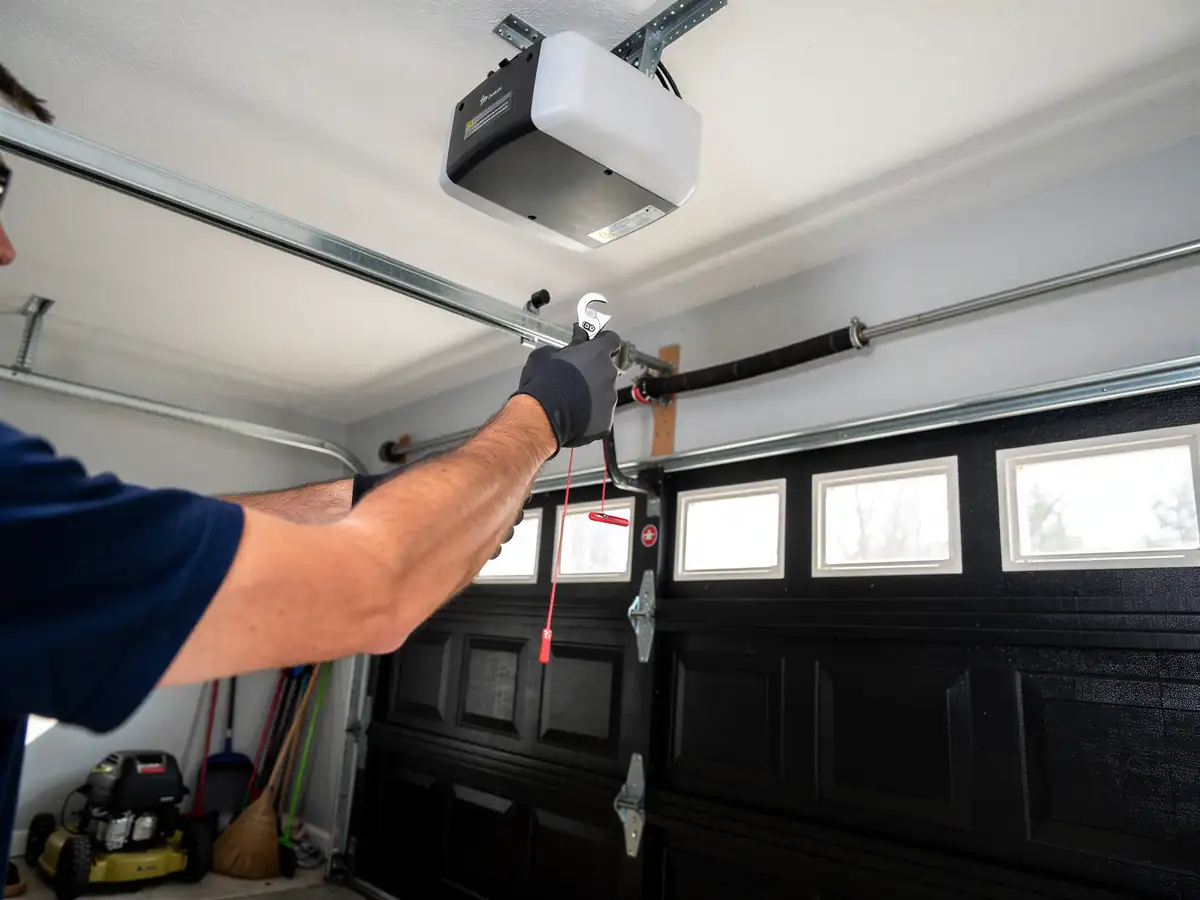
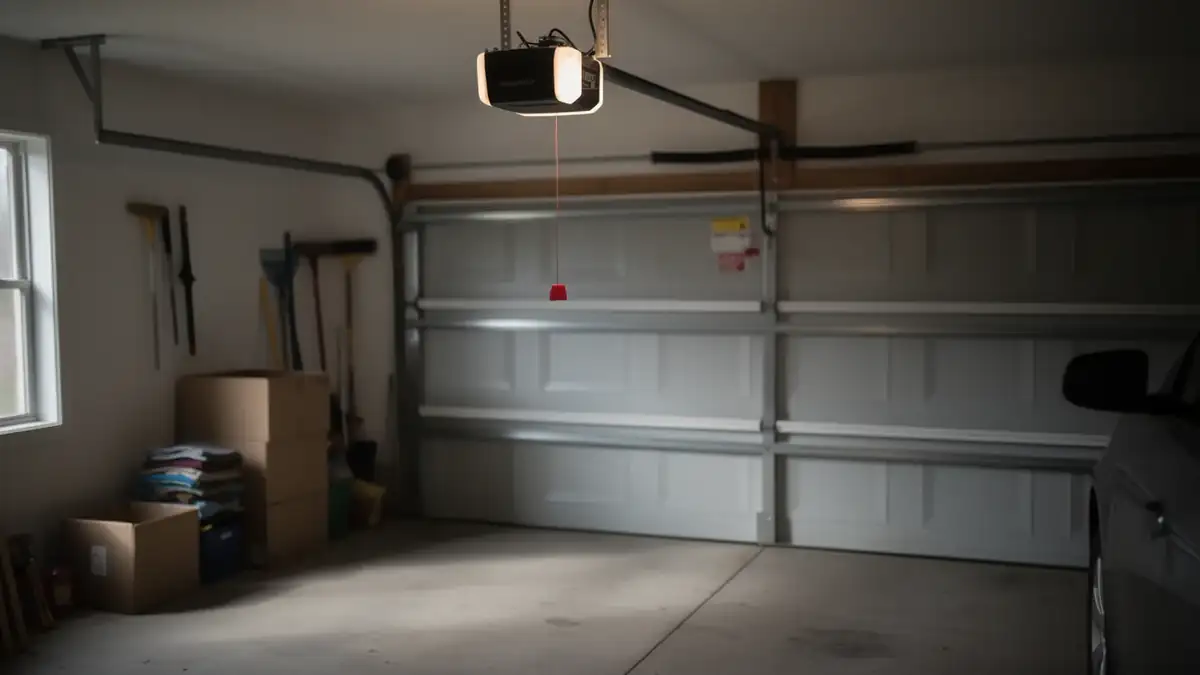
The garage door opener is lit, hanging above a closed garage door.

What Changes With the Season

Redondo Beach sits in a mild temperate band, so you don't get the freeze-thaw cycles that crack opener housings or seize chain-drive gears the way a cold-winter town does. That's the good news. The less obvious part is that mild, steady weather means an opener here rarely gets a dramatic failure trigger - no sudden cold snap, no attic that hits 140 degrees in July. Instead, parts wear down slowly and quietly, and homeowners often don't notice until the unit just stops responding. A power cut doesn't care about the season, but what the power cut exposes does. An opener that's been limping along on a tired circuit board for years will often fail to recover cleanly once power comes back, where a newer unit resets itself without a second thought. We don't see seasonal spikes in opener calls the way some regions do - what we see instead is age catching up with units that never got a hard weather event to force the issue sooner.

What Local Conditions Do

Housing in this service area was mostly built between 1947 and 2012, with the median landing around 1963, and most of the stock across the 41 named communities nearby dates to the 1960s and 70s. That matters for openers specifically: a lot of garages still run units installed as second or third replacements on the original rail brackets, wired into circuits that predate the grounded, dedicated-outlet setups newer openers expect. When the power cuts out and comes back, these older setups are more likely to need a manual reset at the wall switch, and some won't reconnect to remotes without help. With 147,195 owner-occupied houses across the area, a meaningful share of them are running openers old enough that they were never built with battery backup in mind at all - backup power wasn't standard when the unit went in, and nobody's retrofitted it since.

What Is Going On

When power drops, a garage door opener without battery backup just stops - whatever position the door was in, it stays there, and the trolley disengages from the chain or belt only if you pull the manual release cord. That part is true everywhere. What's specific to this area is how often that scenario plays out on original or early-replacement hardware from homes built in the 1960s and 70s, where the opener was never swapped out even as everything else in the garage got updated. Those units tend to have mechanical limit switches instead of digital ones, so after an outage they sometimes lose track of where the door's travel limits are and need to be reset manually rather than auto-recalibrating. At a median household income of $92,920 for the service area, replacing an aging opener with a battery-backup model is a one-time cost that often works out cheaper than repeated after-hours calls to reset a unit every time the power blinks.

When to Get Help

Call if the door won't respond at all after power's restored, if the opener runs but the door doesn't move, or if you hear the motor straining without the door lifting - that last one is often a spring problem, not an opener problem, and pushing a weak opener to compensate for a bad spring just burns out the motor faster. If your outlet or breaker keeps tripping specifically when the opener runs, that's electrical, not garage door - we don't do panel or wiring work, and you'll want an electrician for that part before anyone touches the opener itself. One thing we won't do is recommend replacing an opener that's working fine just because it lacks battery backup; if the unit resets cleanly after outages and the manual release works, there's no reason to swap it out early. Call when it stops resetting cleanly, not before.
How it works

From “it’s stuck” to “it’s fixed”

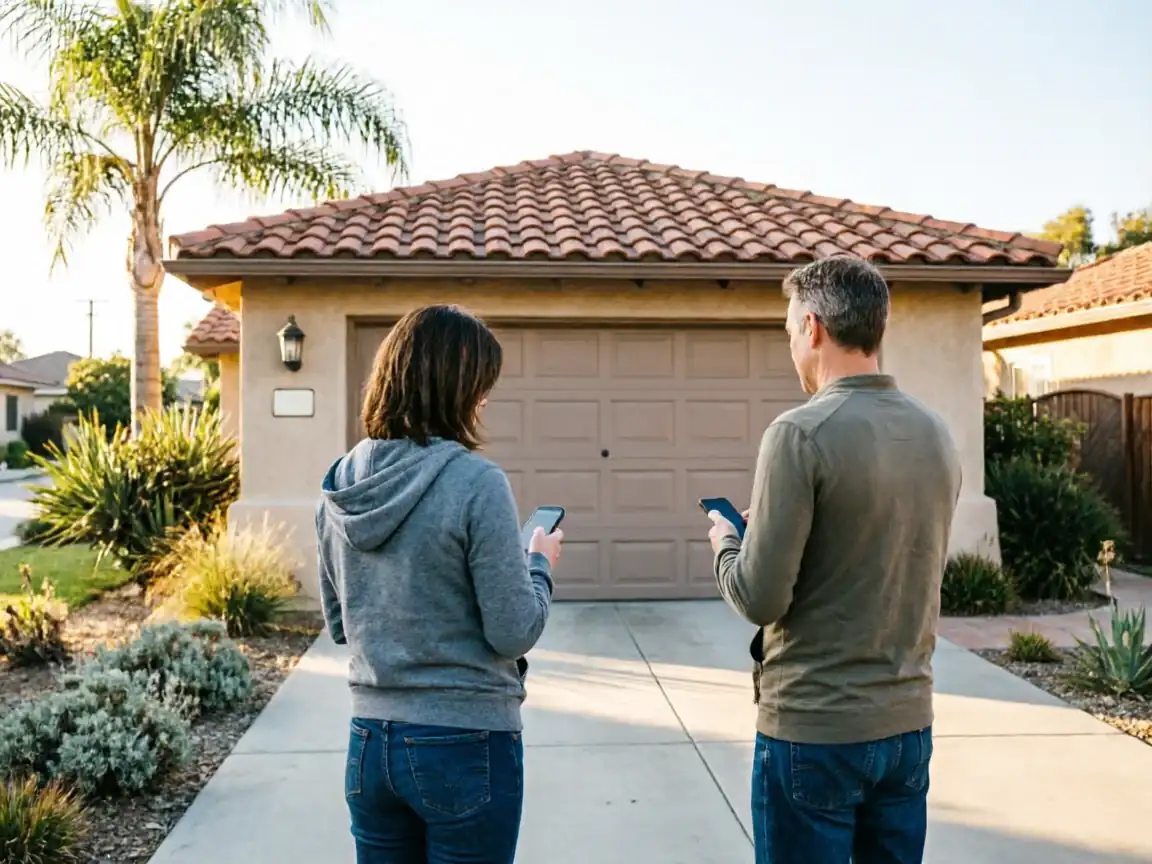
A man and a woman stand in a driveway, looking at their phones.

Tell us what’s wrong

Describe the symptom - won’t open, loud bang, opener runs but the door won’t move.

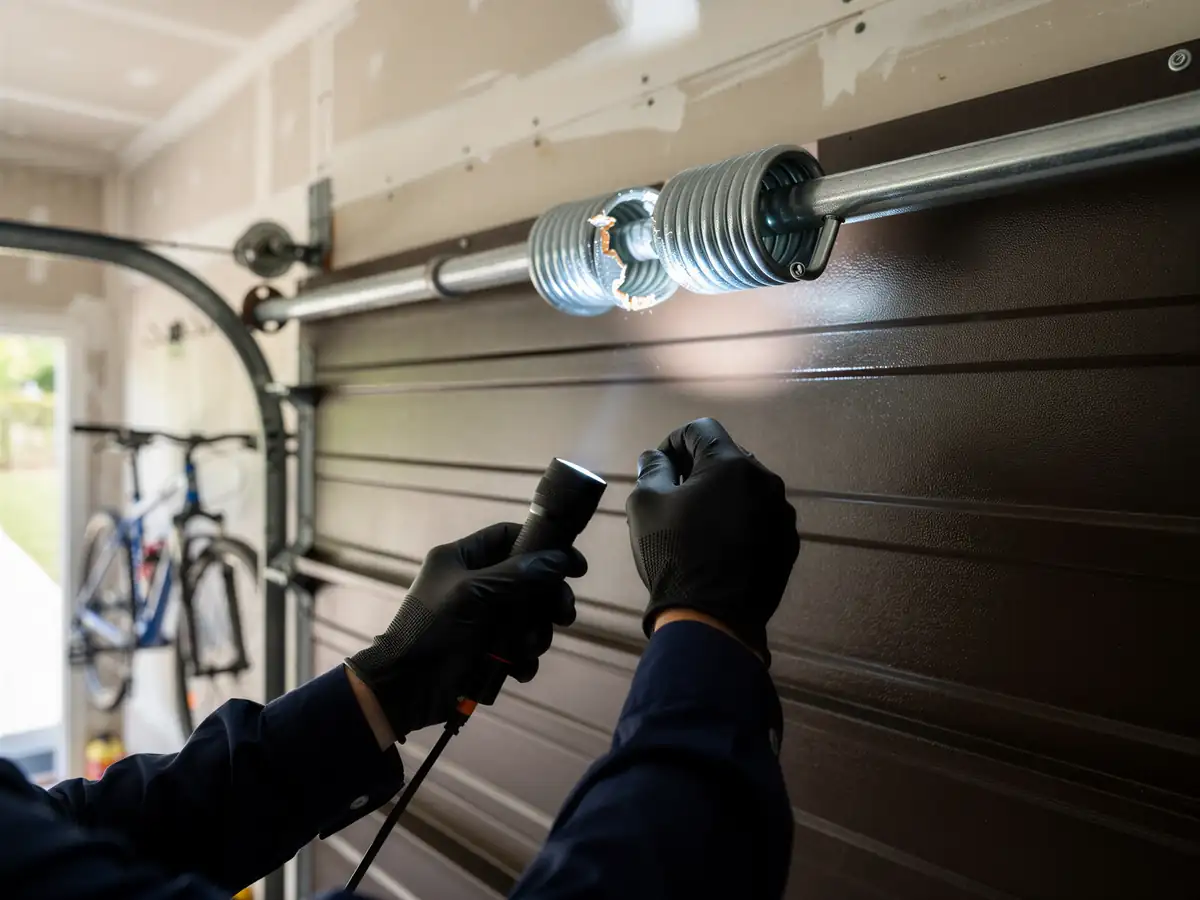
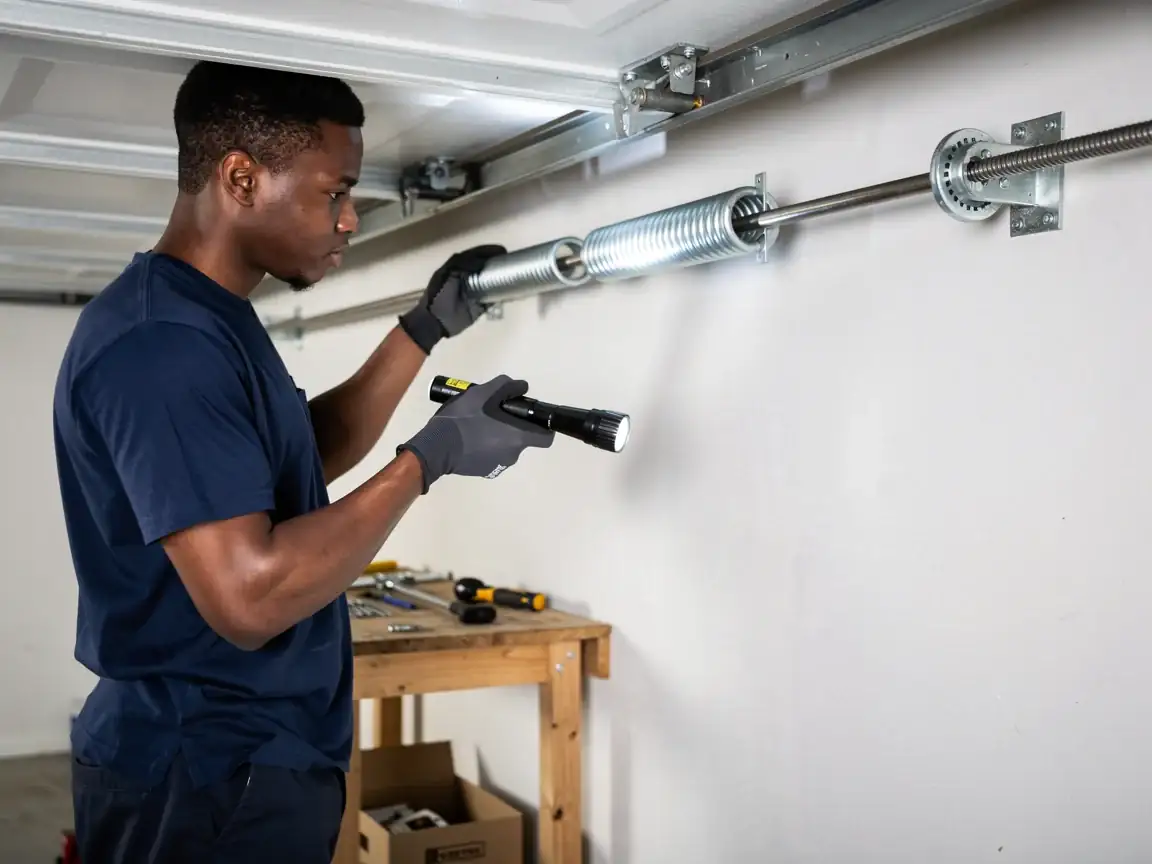
A technician holds a flashlight and works on a garage door torsion spring.

On-site diagnosis

A technician tests the door under power and by hand and finds what actually failed.

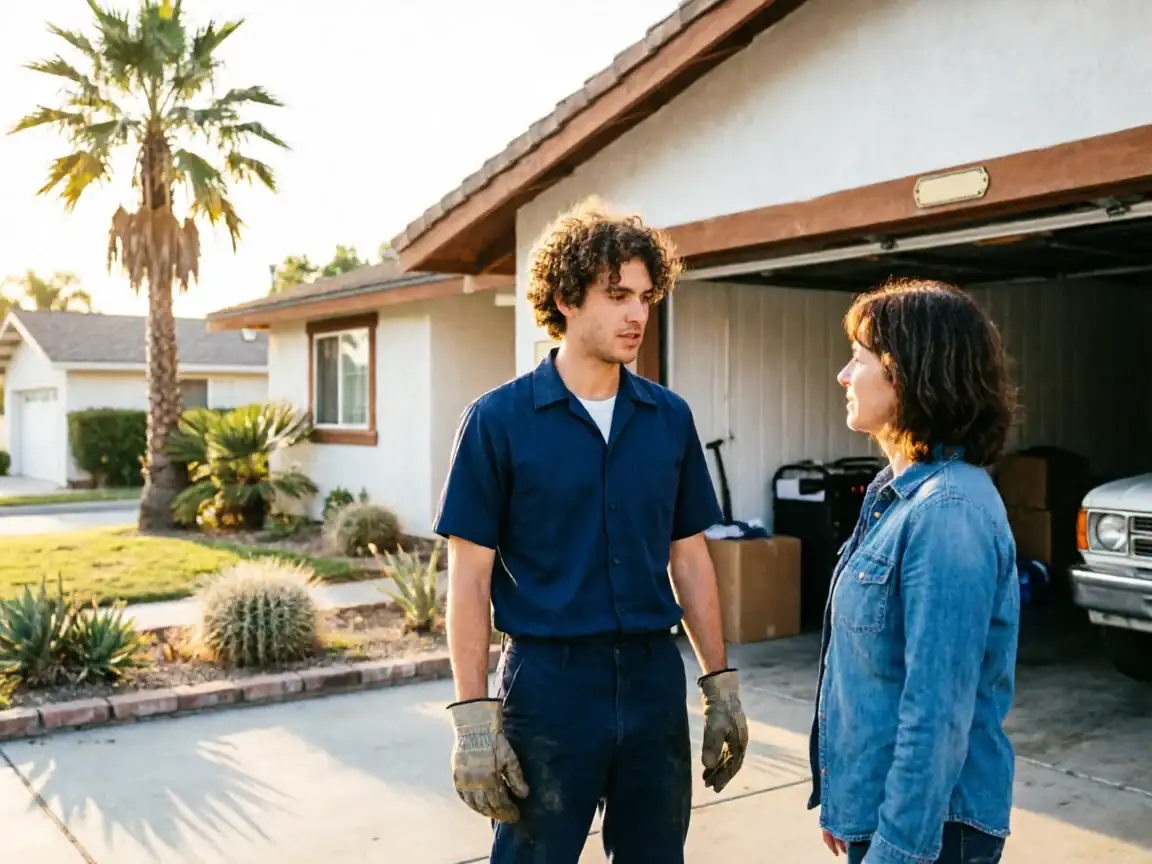
A technician in work clothes talks to a woman in front of a house with an open garage.

Clear, up-front plan

You get the fix that’s needed and what drives the cost - before any work starts.

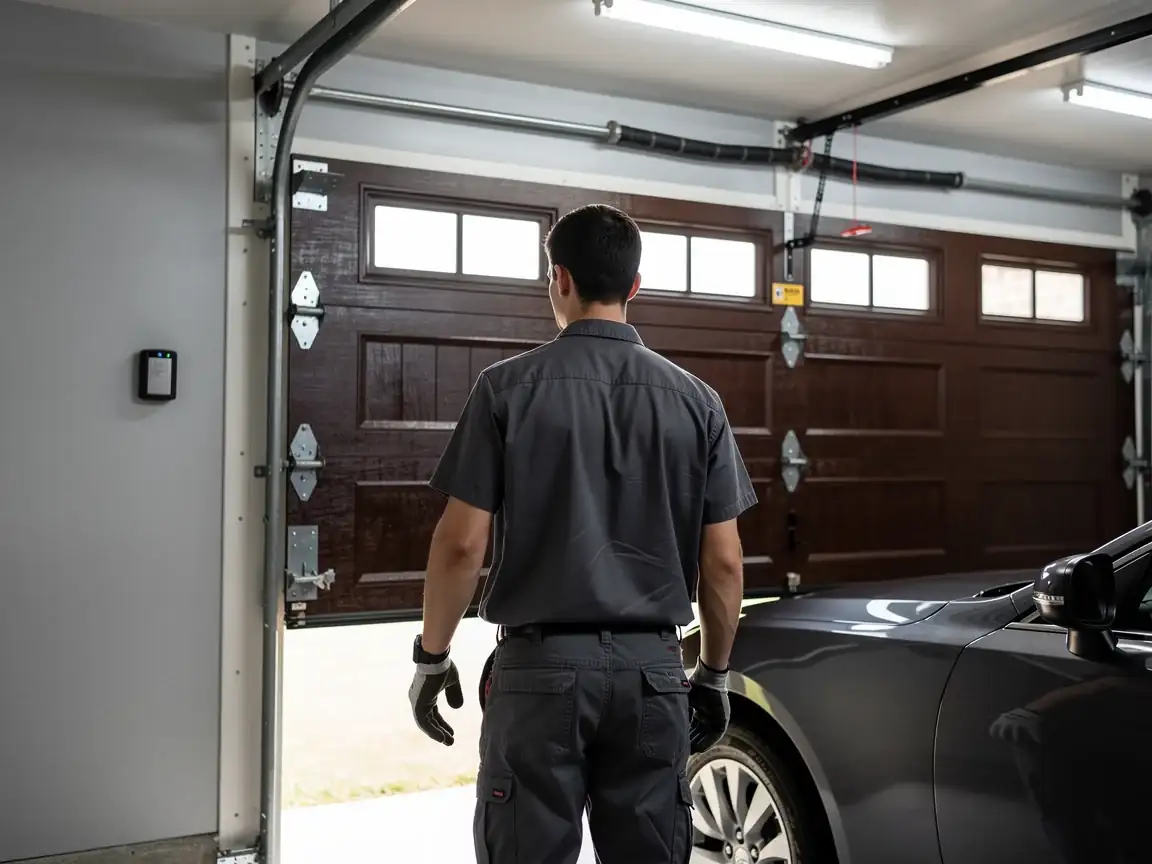
A technician stands in a garage looking at a brown garage door with windows.

Repaired & tested

The repair is done, the door is set true and tested, and the work area left clean.

Not sure which repair your door needs in Redondo Beach, CA? Describe what it’s doing - every job starts with a diagnosis.

How we work

What to expect

Diagnosis firstEvery visit starts by finding what actually failed - not a pre-written parts list.
The right part for the doorSprings and openers matched to the door’s weight and age, so the fix holds up.
Straight answersWhen a repair makes more sense than a replacement - or the reverse - you hear it plainly.
Clean, careful workTension released safely, hardware set true, the door tested under power before we leave.
What we do

Garage Door Services

Repair and installation work for Redondo Beach homes and businesses.

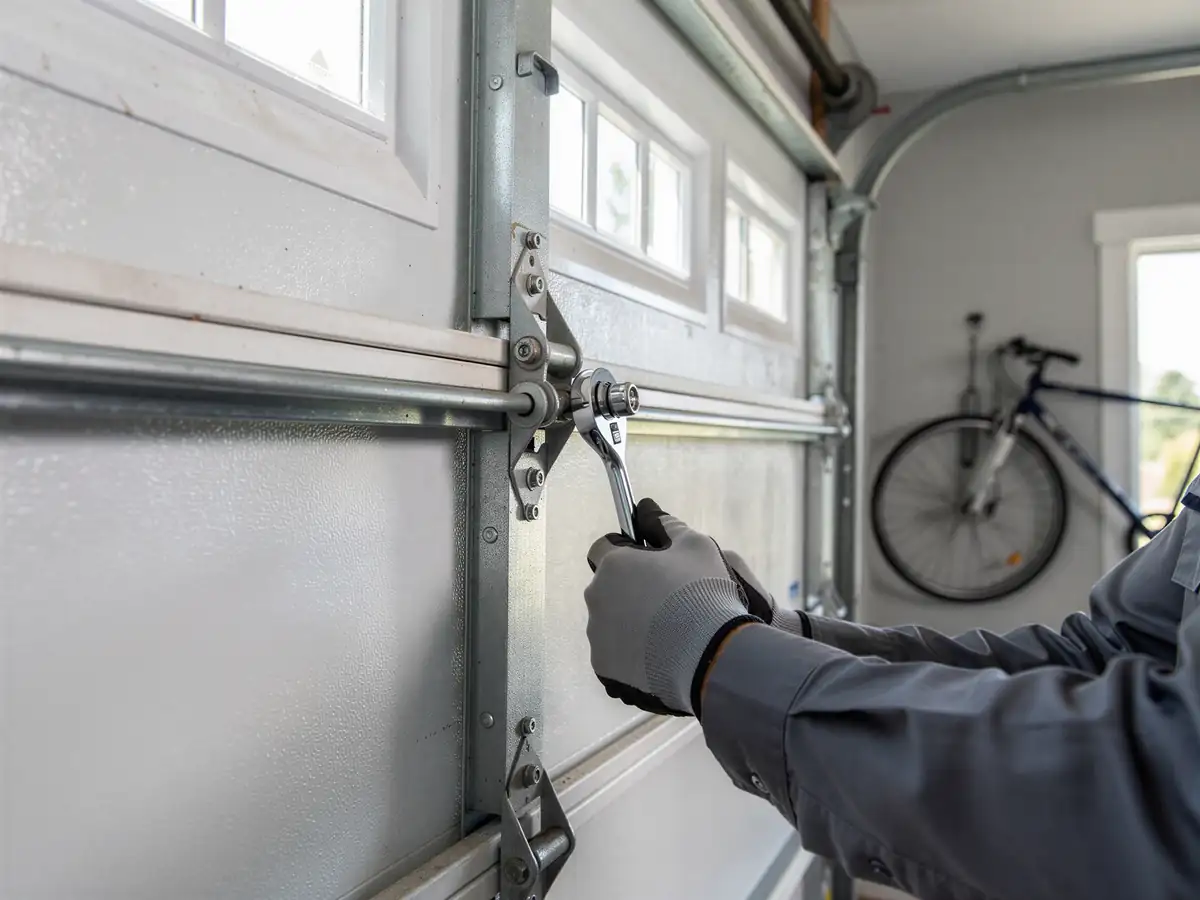
A technician in gray gloves uses a wrench to adjust a garage door hinge.

Garage Door Repair

Springs, openers, and tracks fail differently in Redondo Beach's 1960s-era homes. See what breaks first, how long repairs take, and what drives the cost.

Learn more
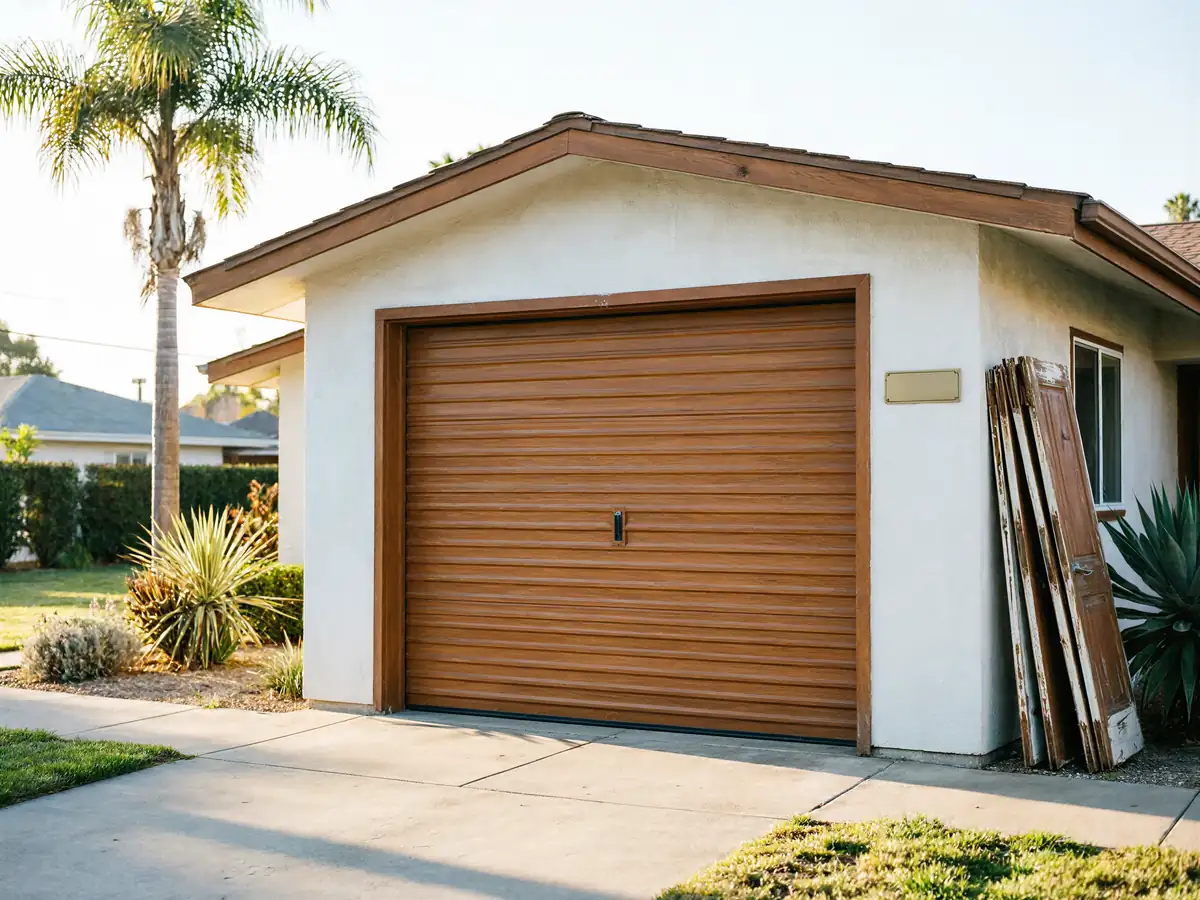
A brown garage door is on a white house with a palm tree.

Garage Door Installation

Redondo Beach homes built in the 1960s and 70s often need wider openings and new track for a modern garage door. Here's what installation really involves.

Learn more
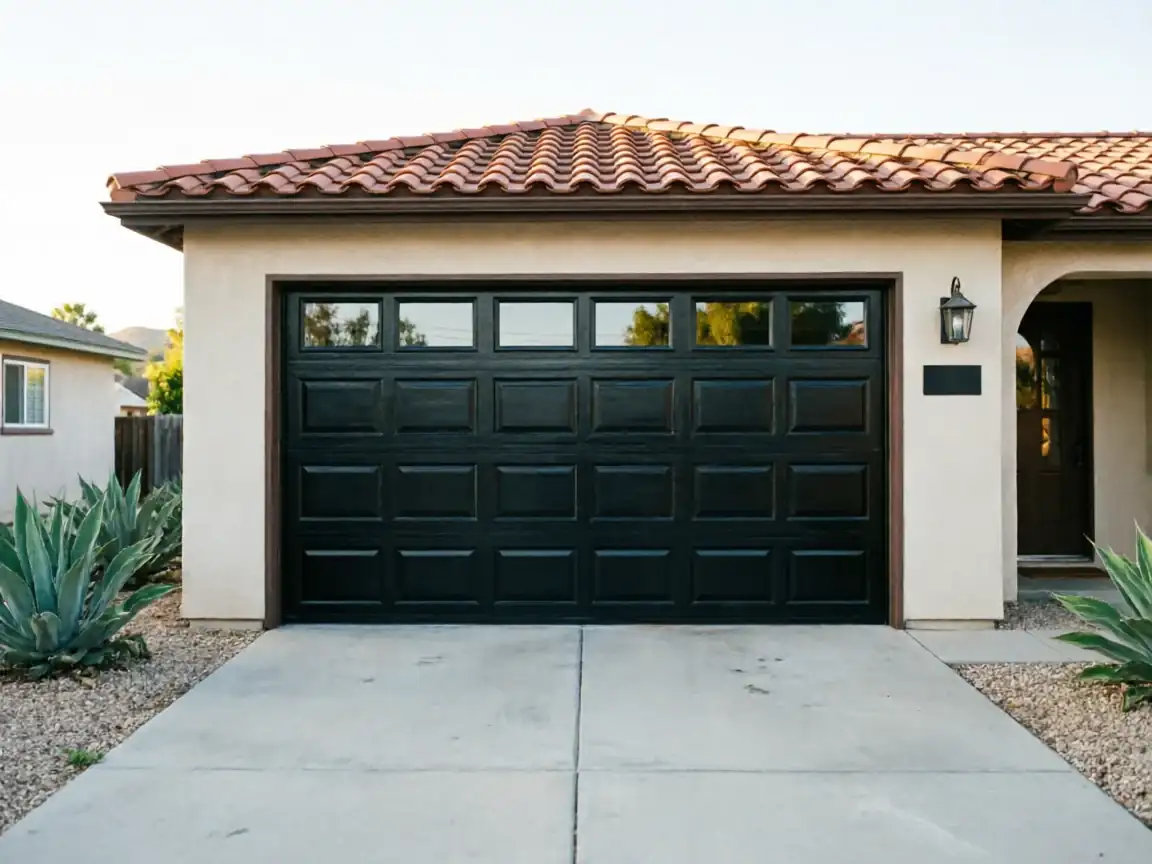
A black garage door with windows is on a house with a red tile roof.

Garage Door Service

Garage door service for Redondo Beach homes built mostly in the 1960s and 70s. We work on original torsion hardware, worn rollers, and springs past their life in this mild coastal climate.

Learn more
A technician adjusts a garage door torsion spring with a wrench.

Opener Installation

Opener installation and replacement for Redondo Beach homes built mostly in the 1960s and 70s, where original chain-drive units are reaching the end of their duty cycle.

Learn more
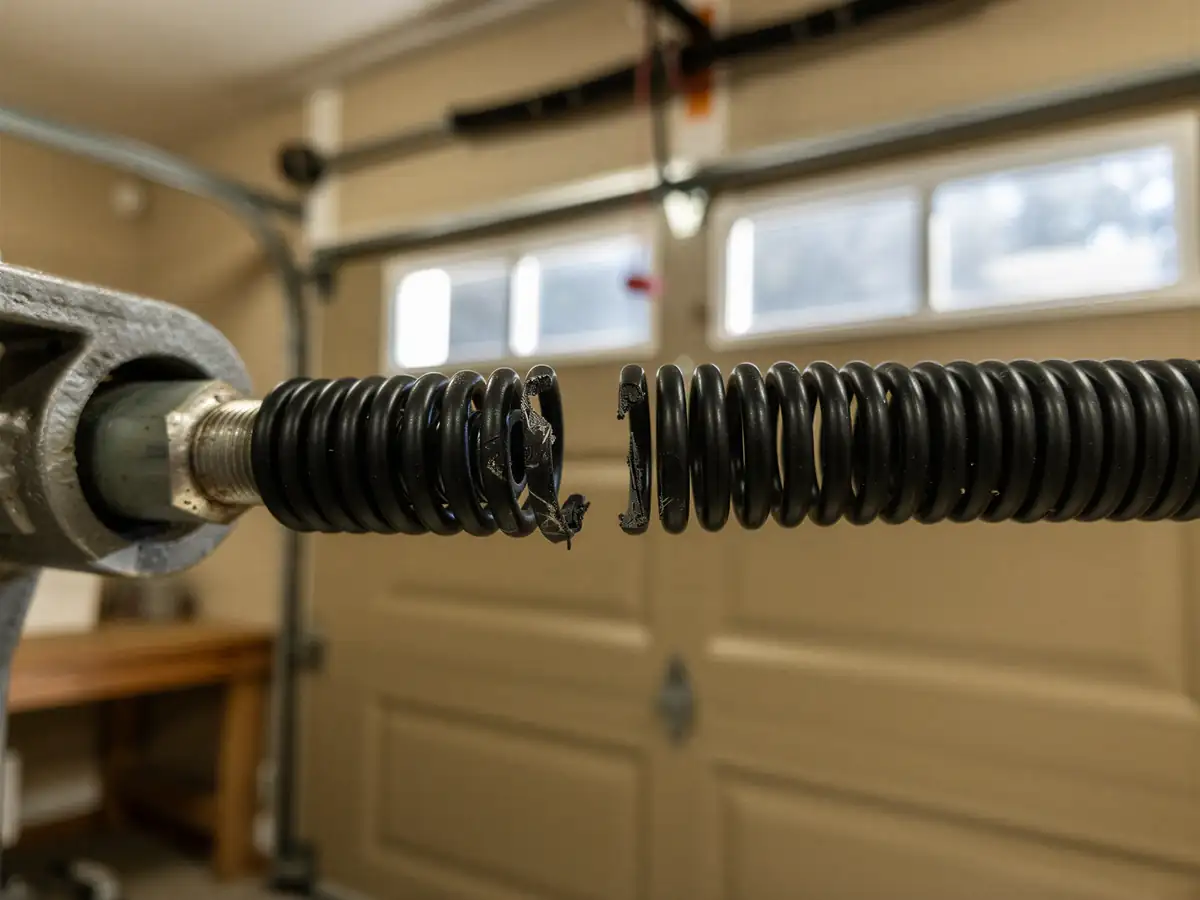
A broken black torsion spring is visible against a tan garage door.

Spring Repair

Broken torsion or extension spring in Redondo Beach? Here's why it happens, how long the fix takes, what drives the cost, and the warning signs to watch for.

Learn more
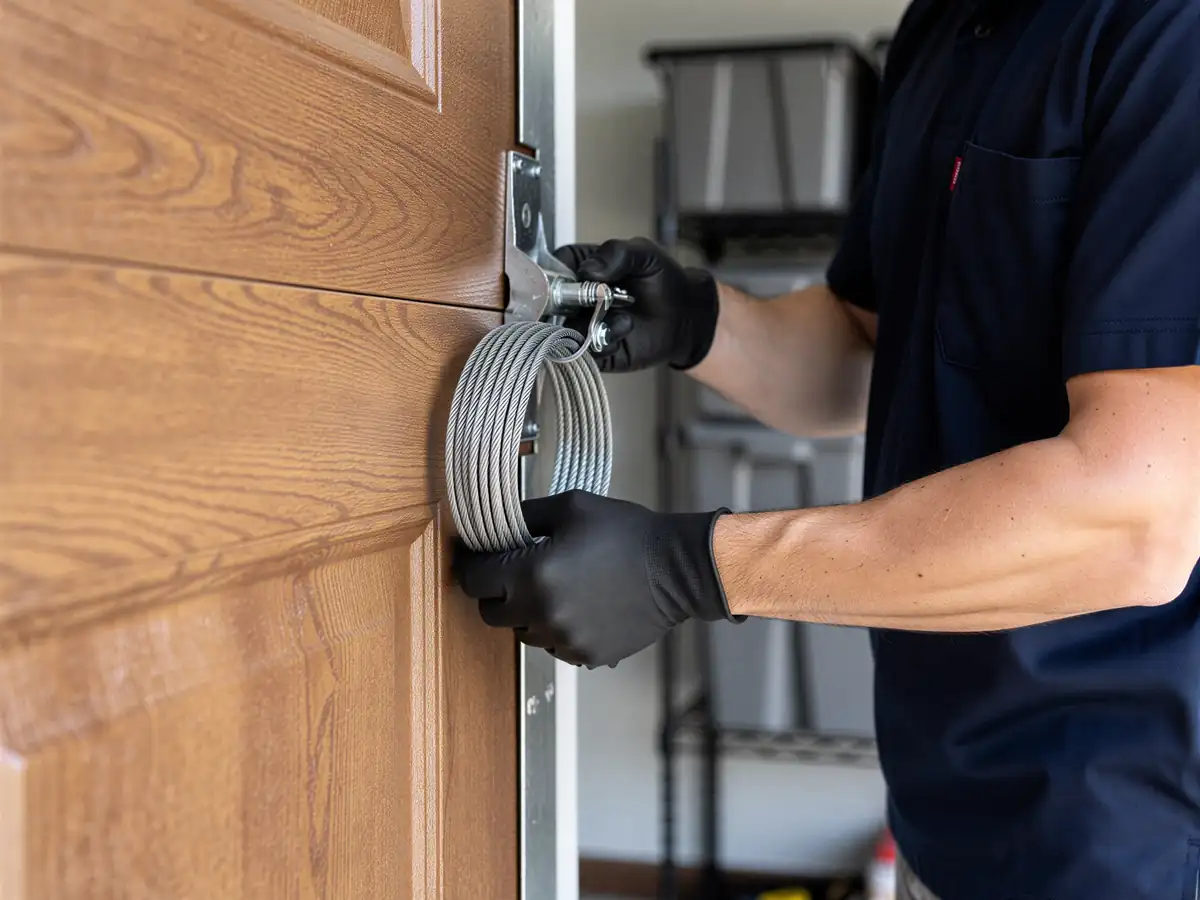
A technician wearing black gloves holds a coiled garage door cable next to a brown garage door.

Cable Repair

Cable repair for garage doors in Redondo Beach, CA, where homes built from 1947 to 2012 run older cable drums and mild coastal air that corrodes them.

Learn more
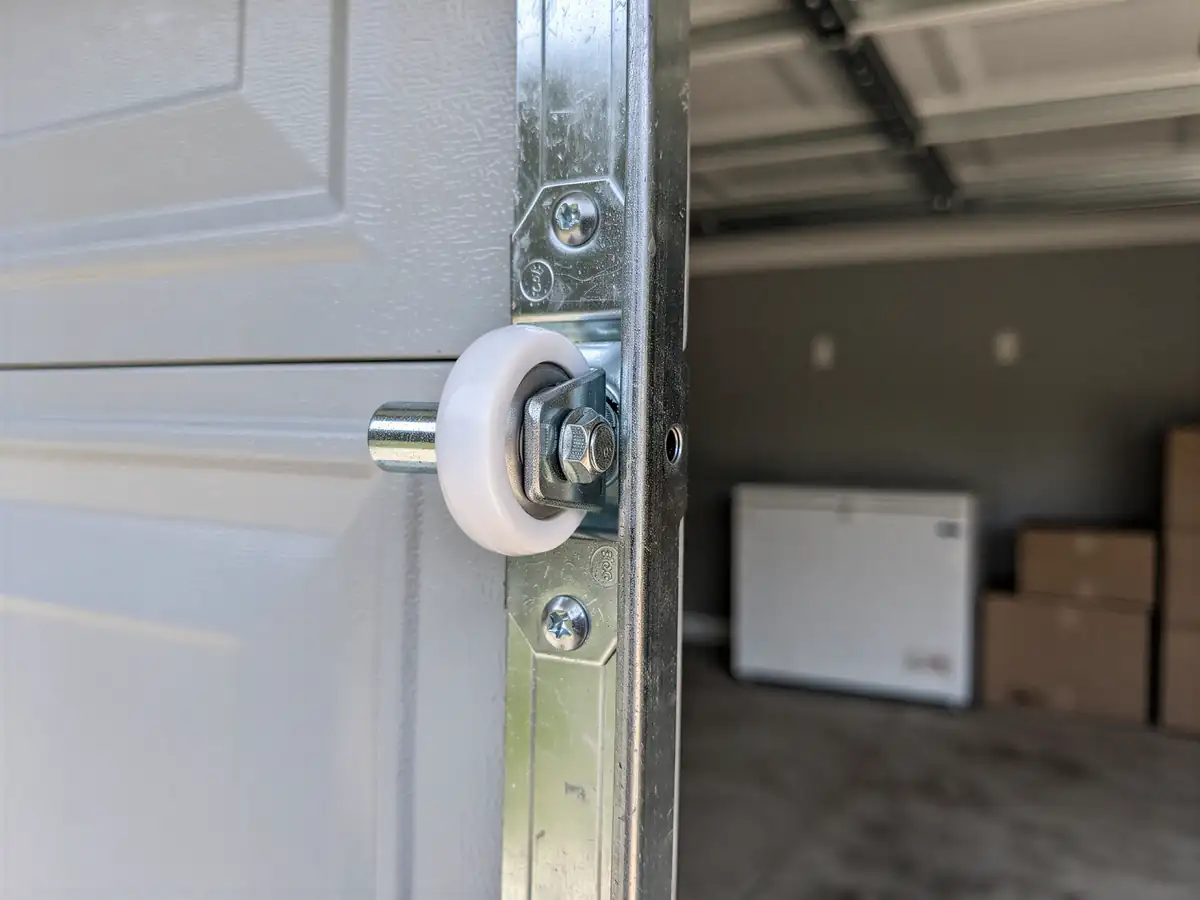
A white garage door roller is attached to a metal track.

Roller Replacement

Roller replacement for Redondo Beach garage doors built mostly in the 1960s and 70s. We cover rollers, tracks, and what drives wear in this housing stock.

Learn more
A technician shines a flashlight on a broken garage door torsion spring.

Emergency Garage Door Repair

Spring snaps, cable off the drum, opener dead at 11pm. Redondo Beach Garage Door Pros handles emergency calls across the South Bay service area, day or night.

Learn more
Questions

Frequently asked

Straight answers about garage door repair in Redondo Beach. Still unsure? Ask us directly.

Why won't my garage door opener work right after the power comes back on?

Older openers, especially the mechanical-limit-switch kind common on original installs from the 1960s and 70s, can lose track of the door's travel limits during an outage. You'll often need to manually reset the limits or reprogram the remote. Newer units with digital controls usually recover on their own.

Should I add battery backup to my existing opener?

If your opener already has a battery backup slot, yes - it's usually a straightforward add. If it's an older unit built before backup power was standard, retrofitting isn't really possible, and replacing the whole opener is the more practical route if outages are a recurring annoyance for you.

Does the coastal weather here cause extra opener problems?

Not in the way cold or extreme heat does elsewhere. The mild climate here means openers don't face hard freeze or heat-spike stress. Most failures we see are tied to age and original wiring rather than weather events.

Ready to get your garage door sorted?

Request a QuoteCall