What Changes With the Season
Redondo Beach sits in a mild temperate band, and that matters more for garage doors than people think. In places with real winters, steel contracts in the cold and springs that are already fatigued will snap on the first hard freeze of the year. That cycle doesn't happen here. What you get instead is a steadier, slower kind of wear - the same door working the same way almost every day of the year, with no seasonal spike in failures to watch for.
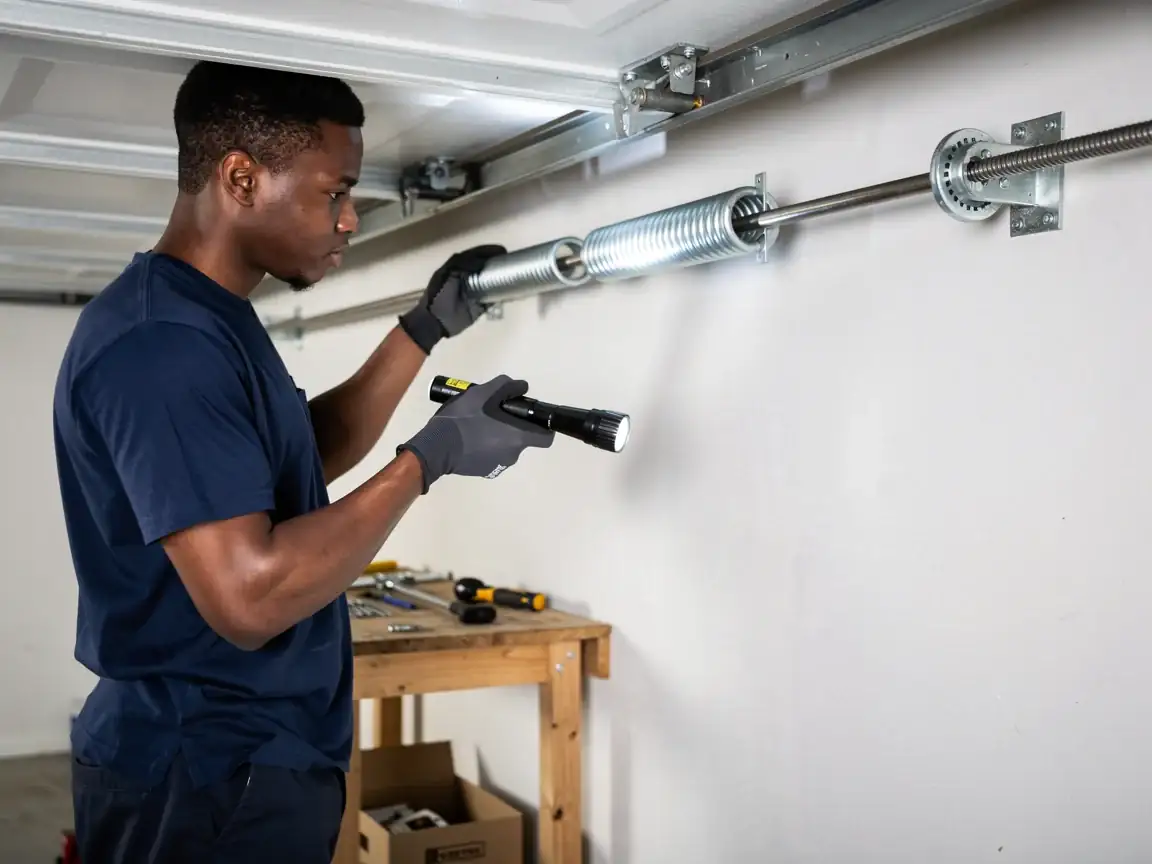
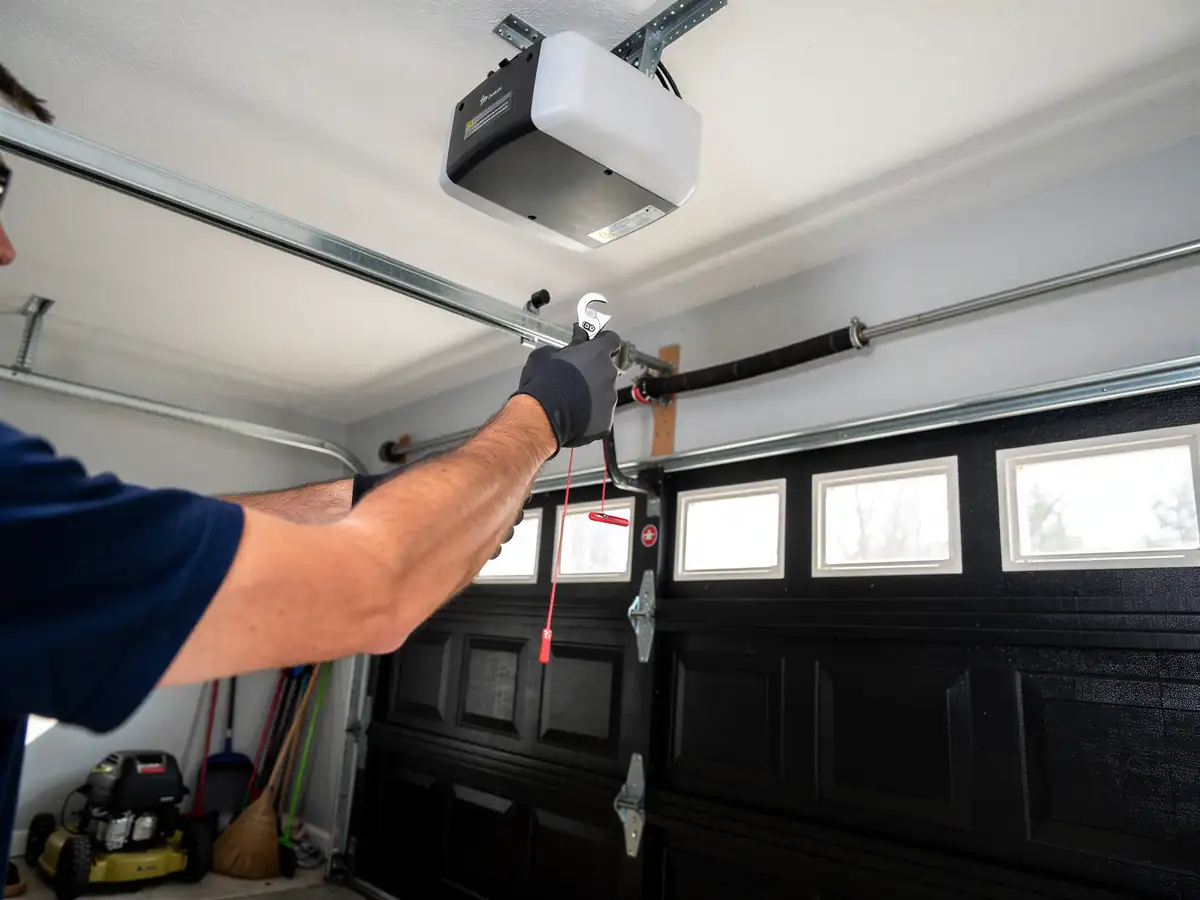
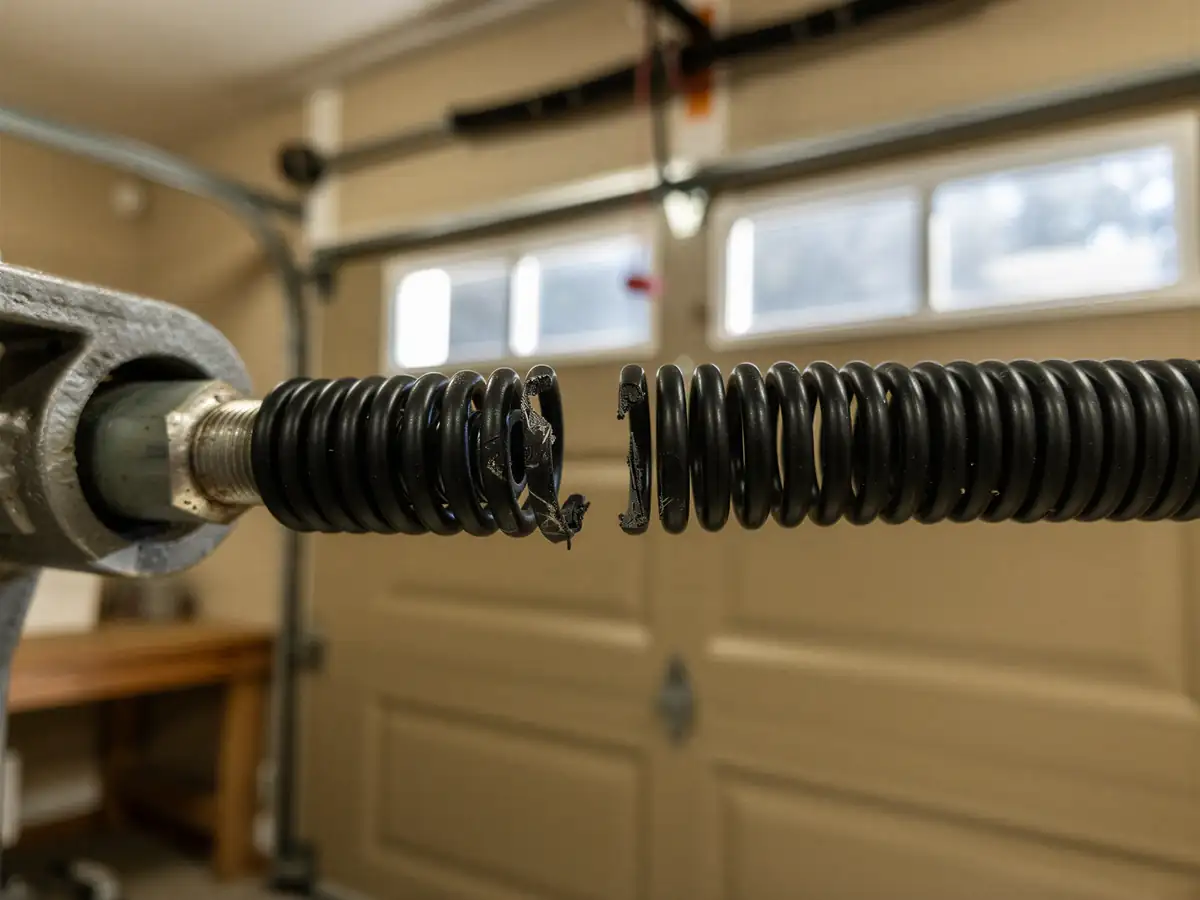
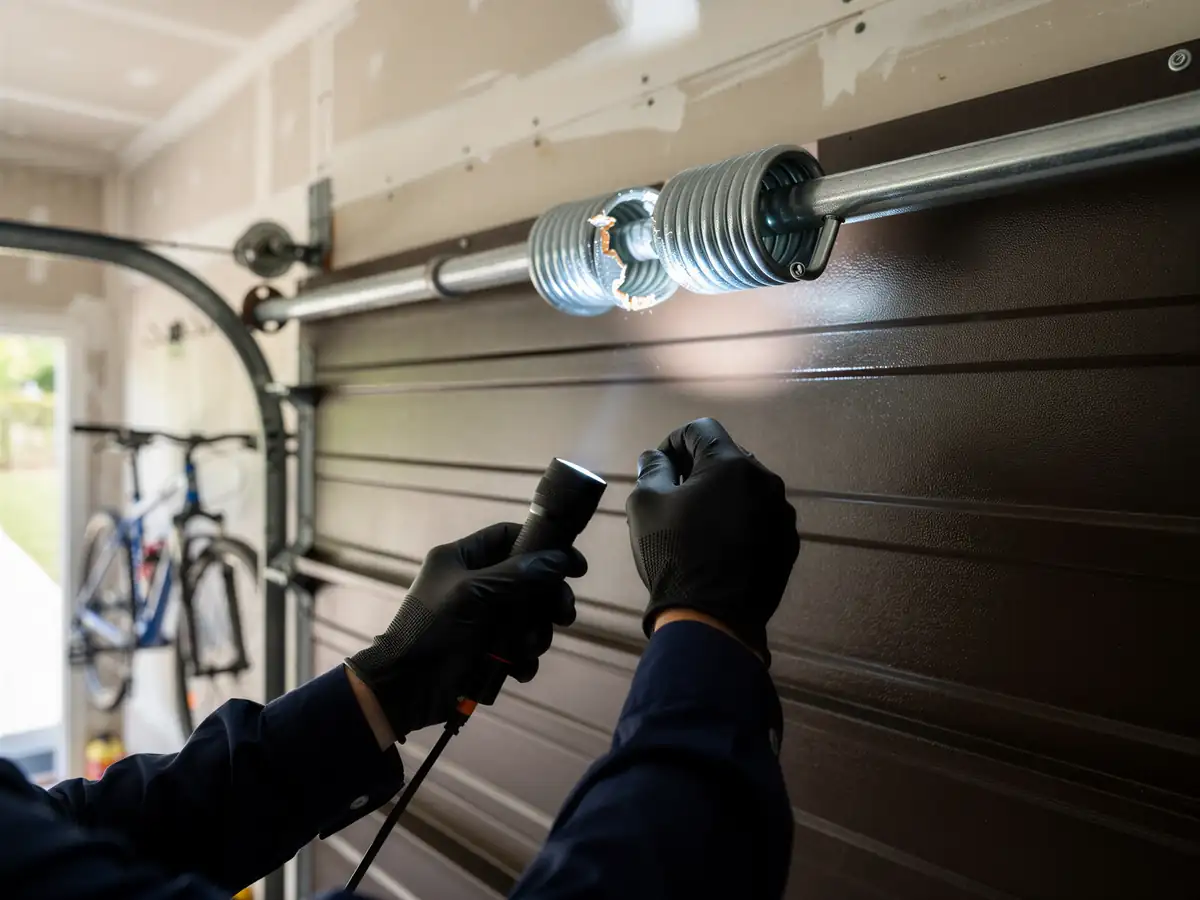
That sounds like good news, and mostly it is. But it also means owners here don't get an obvious signal to pay attention. A torsion spring with 10,000 cycles left on it doesn't announce itself with a dramatic cold-snap failure. It just goes, usually on an ordinary Tuesday, usually when someone's in a hurry. If you're deciding whether to replace a door versus keep patching it, don't wait for a weather event to force the decision - there isn't going to be one. Go by the age and condition of the hardware instead.
The one real seasonal shift worth noting: doors get opened and closed more in warmer stretches as garages double as workshop or storage access points. More cycles on old rollers and worn track means more chances for something to bind.
What Local Conditions Do
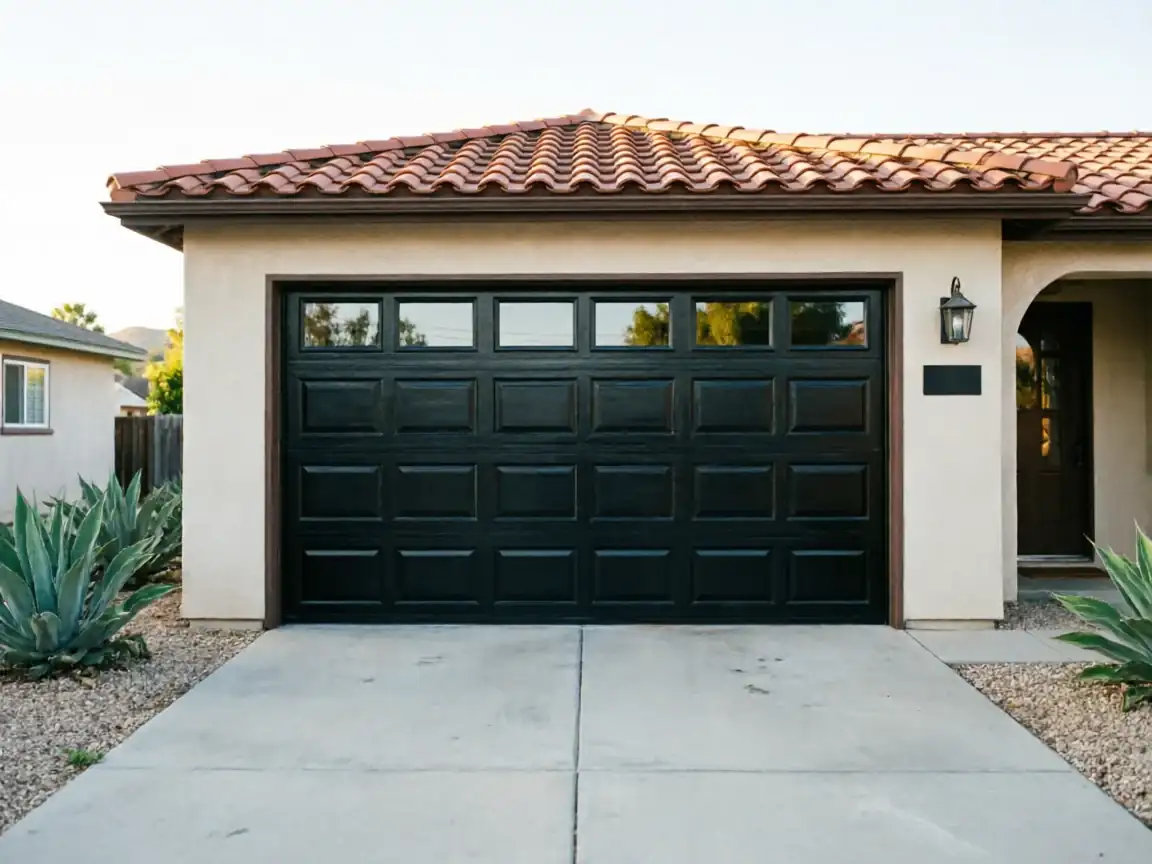
Housing in this part of the South Bay mostly went up between 1947 and 2012
With the median build year landing around 1963. Across the broader service area, the bulk of the stock is 1960s-70s construction. That's the detail that actually drives replacement decisions here - not storms, not humidity, just age.
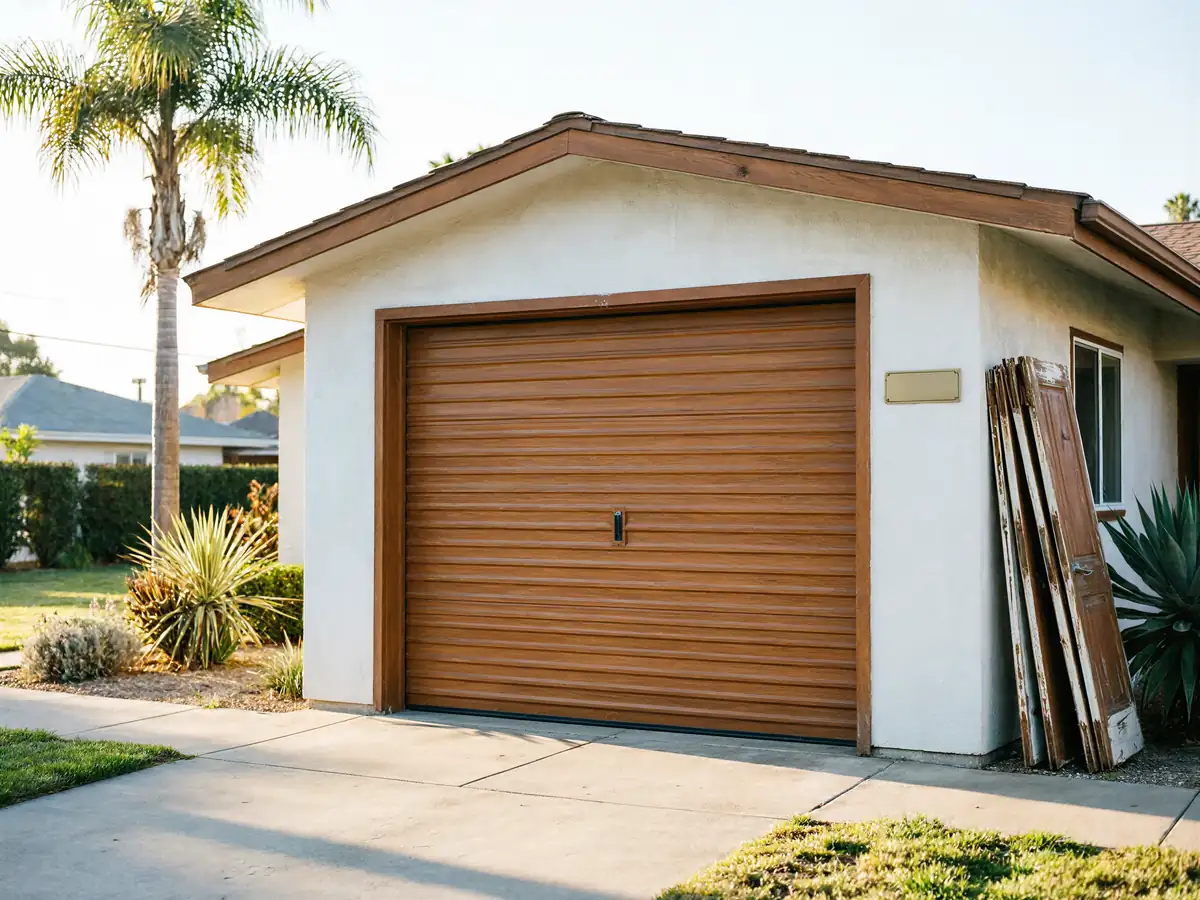
A garage built in 1963 was almost certainly fitted with a single-piece or early sectional door on hardware that nobody stocks new parts for anymore
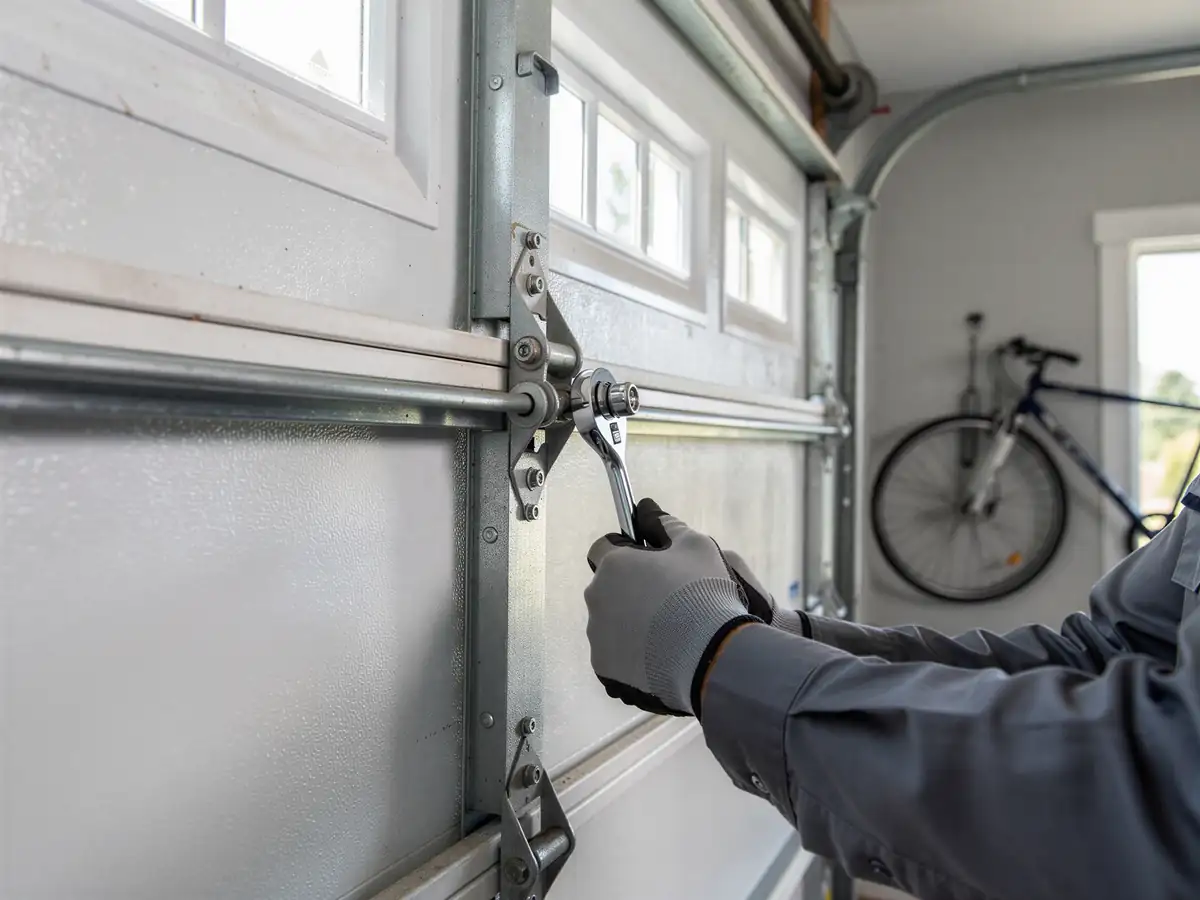
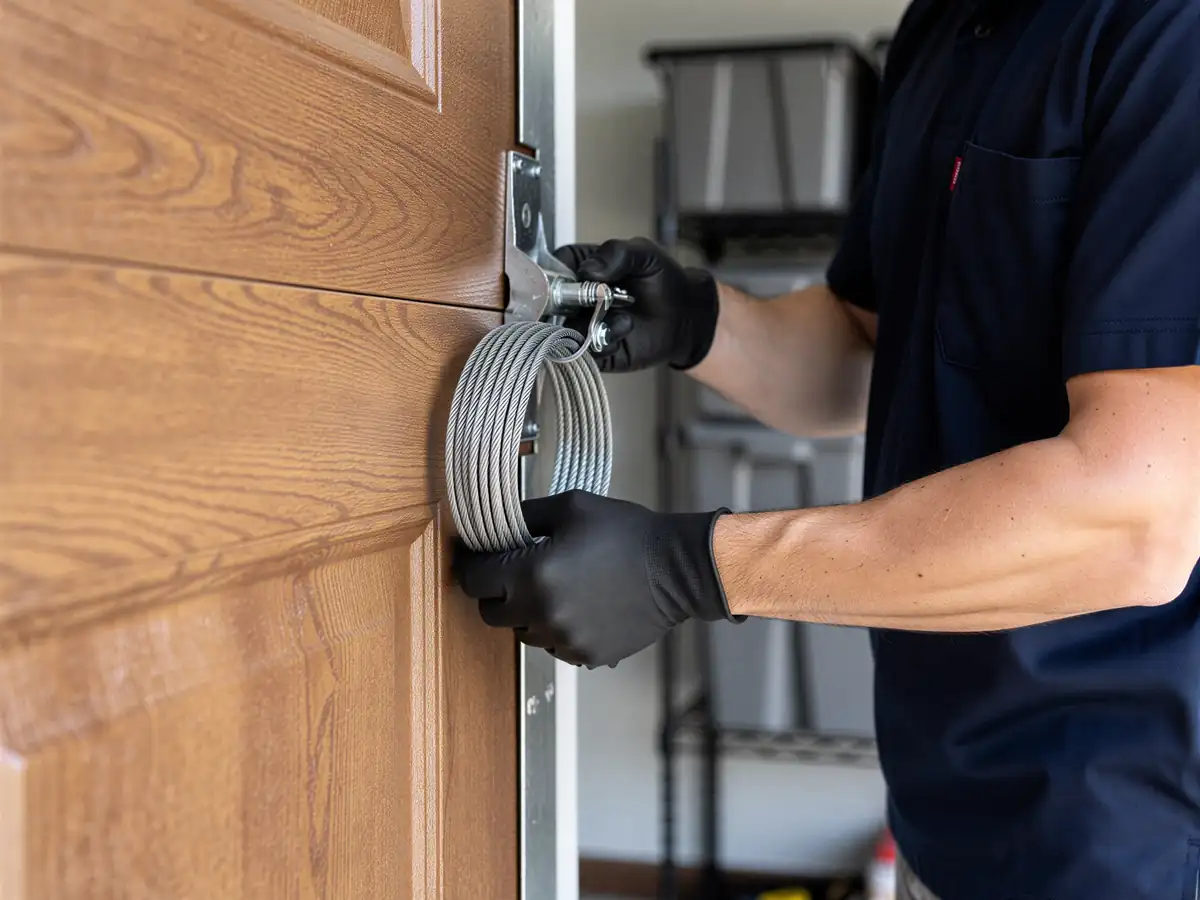
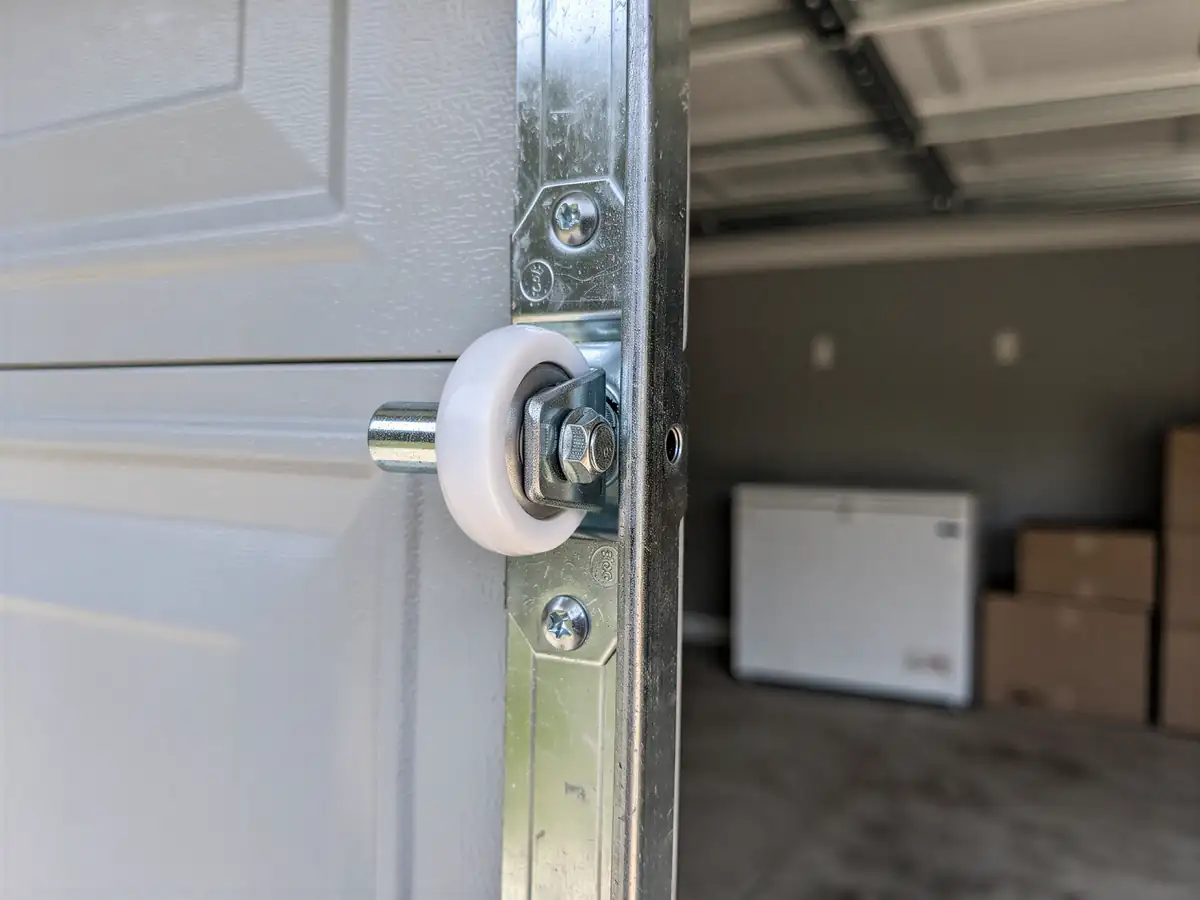
Torsion springs, rollers, and track from that era are sized differently than what ships today. When one of those original systems finally gives out, patching it gets harder and more expensive than just replacing the whole door and opener as a unit.
If your house is from that mid-century wave
The opening itself may also be narrower or shorter than current standard sizes, which affects what you can install without framing work. That's worth measuring before you shop, not after you've picked a door you like. Newer construction in the area, built closer to 2012, tends to have standard modern openings and doors that are still well inside their service life - those houses are candidates for upgrades like insulation or quieter openers rather than full replacement.
What Is Going On
The service area here covers 41 named communities, from a mile southeast to places like Culver City and Beverly Hills further out, and the housing age varies block by block more than people expect. A street built in the early 1960s can sit a few blocks from one finished decades later, and the doors on each will be at completely different points in their life.
Across the service area there are roughly 452,101 households and 147,195 owner-occupied houses, with a median household income of $92,920. That's relevant mainly because it means most replacement decisions here are discretionary, not emergency triage - owners have room to choose a door on fit and looks, not just whatever's cheapest and in stock.
What that adds up: there's no single story for 'what's going wrong with garage doors in Redondo Beach.' It's a mix of original 1960s hardware finally wearing out, mismatched replacement parts from past quick fixes, and a smaller number of newer doors just needing routine upkeep. Knowing which bucket your house falls into starts with knowing roughly when it was built.
When to Get Help
If your door is original to a house built anywhere near the 1963 median for this area, and the spring, opener, or track has never been swapped, that's a strong sign to think about full replacement rather than another repair. Mixing a new motor to a 60-year-old track rarely goes well, and parts for that era aren't something we keep on the truck - ordering them can add real time to a job that should be quick.
On the other hand, if the door is from a later build phase, say built within the last couple of decades, a single broken spring or a bent panel is usually a straightforward repair, not a replacement conversation.
One limitation worth being upfront about: we can't always tell you over the phone whether a given door is repairable or not. Hardware that looks fine from inside the garage can be hiding wear on the drum or shaft that only shows up once we've got the door open. If you're not sure which category your situation falls into, that's a reasonable thing to ask us to look at in person rather than guess.