What Causes It Around Here
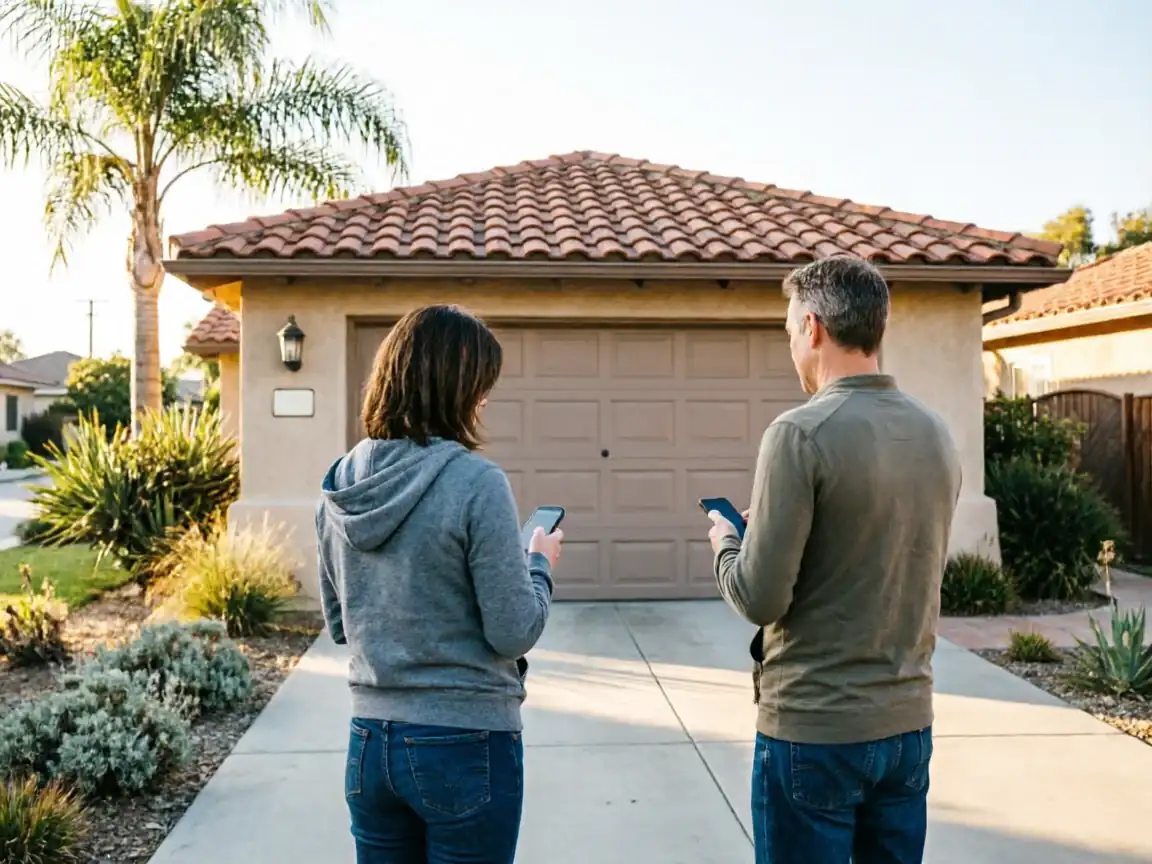
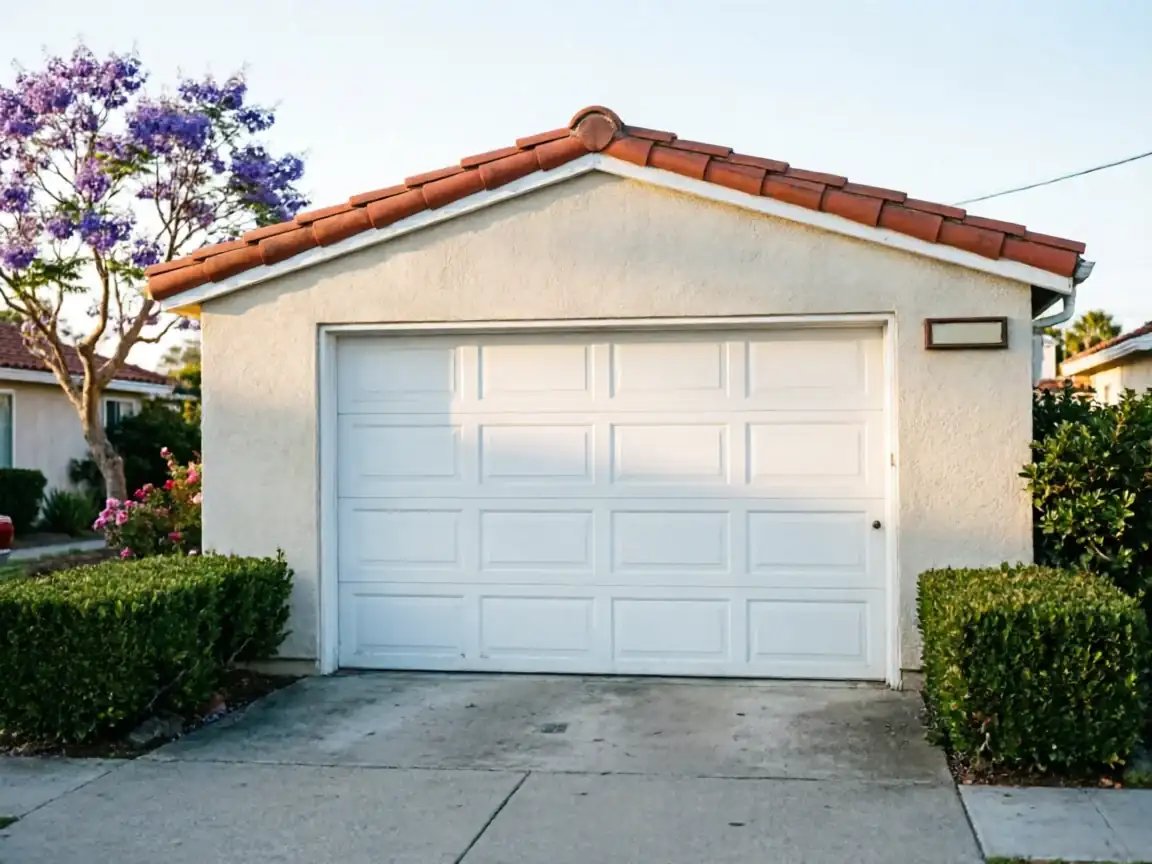
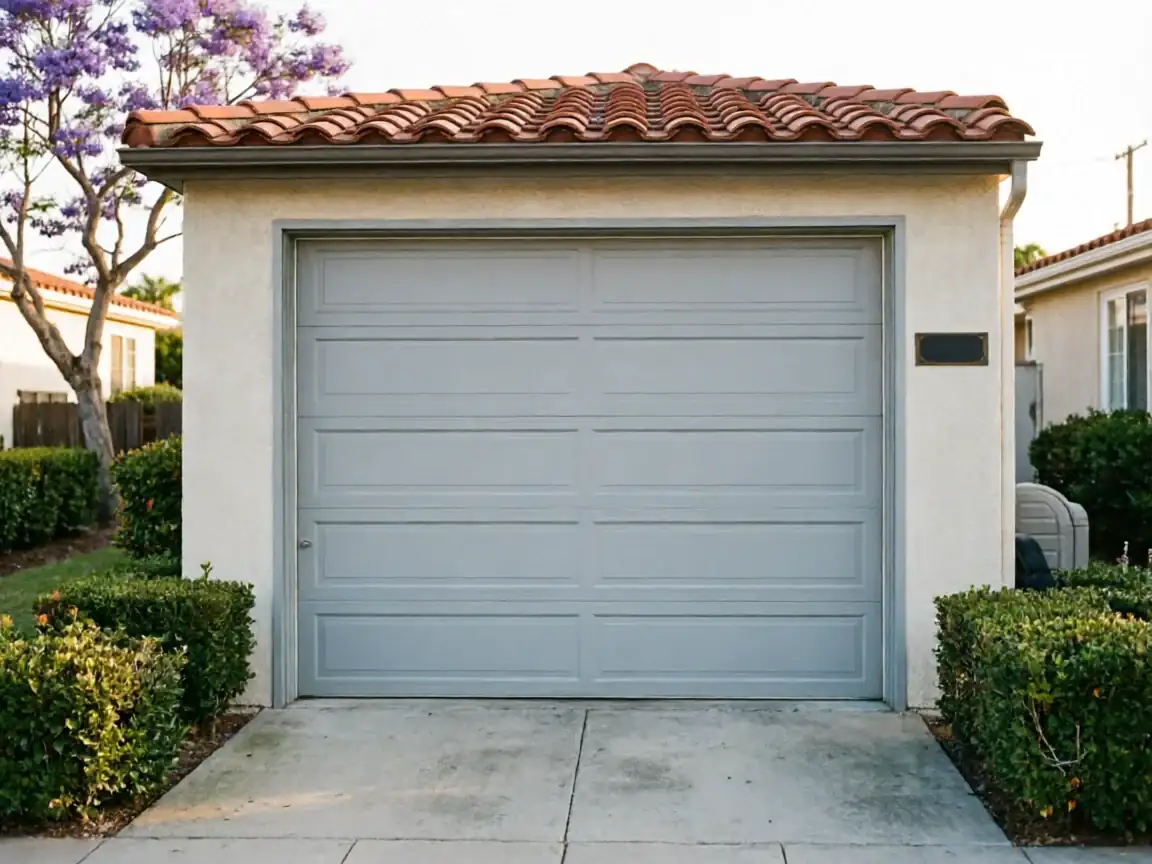
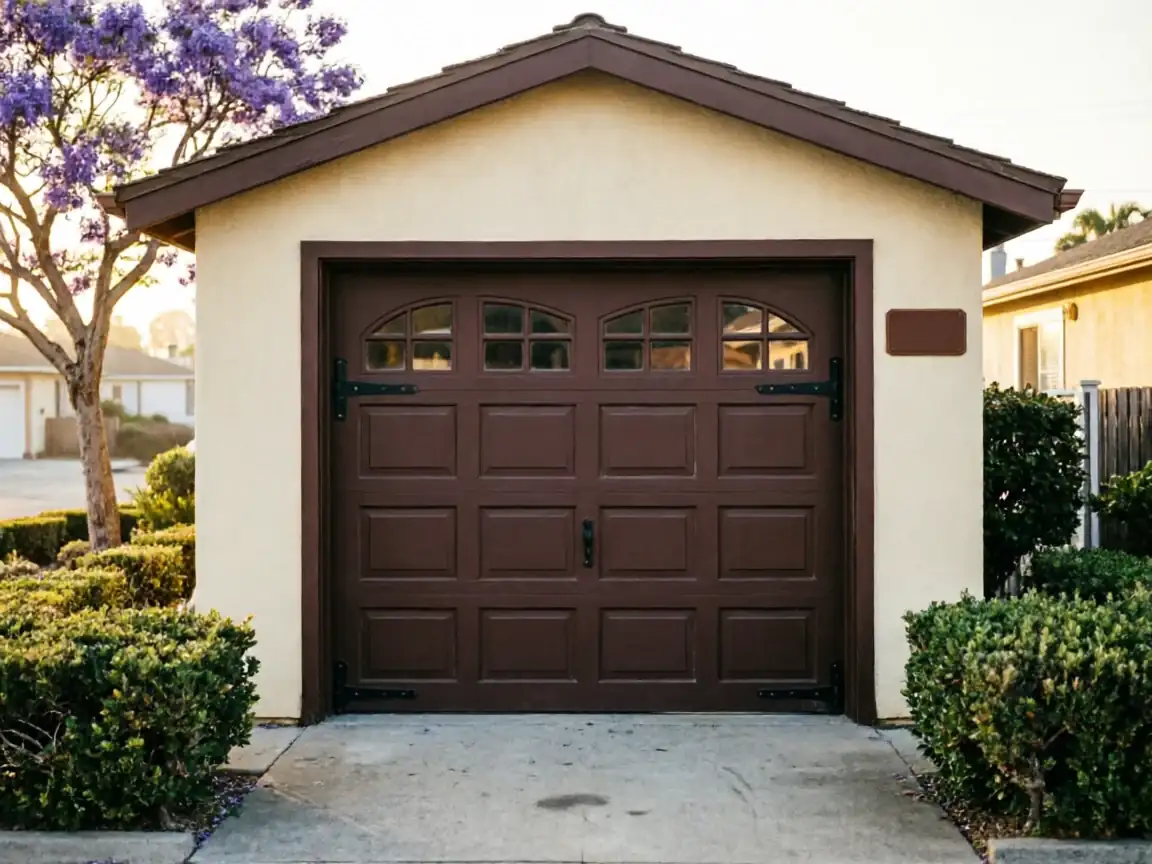
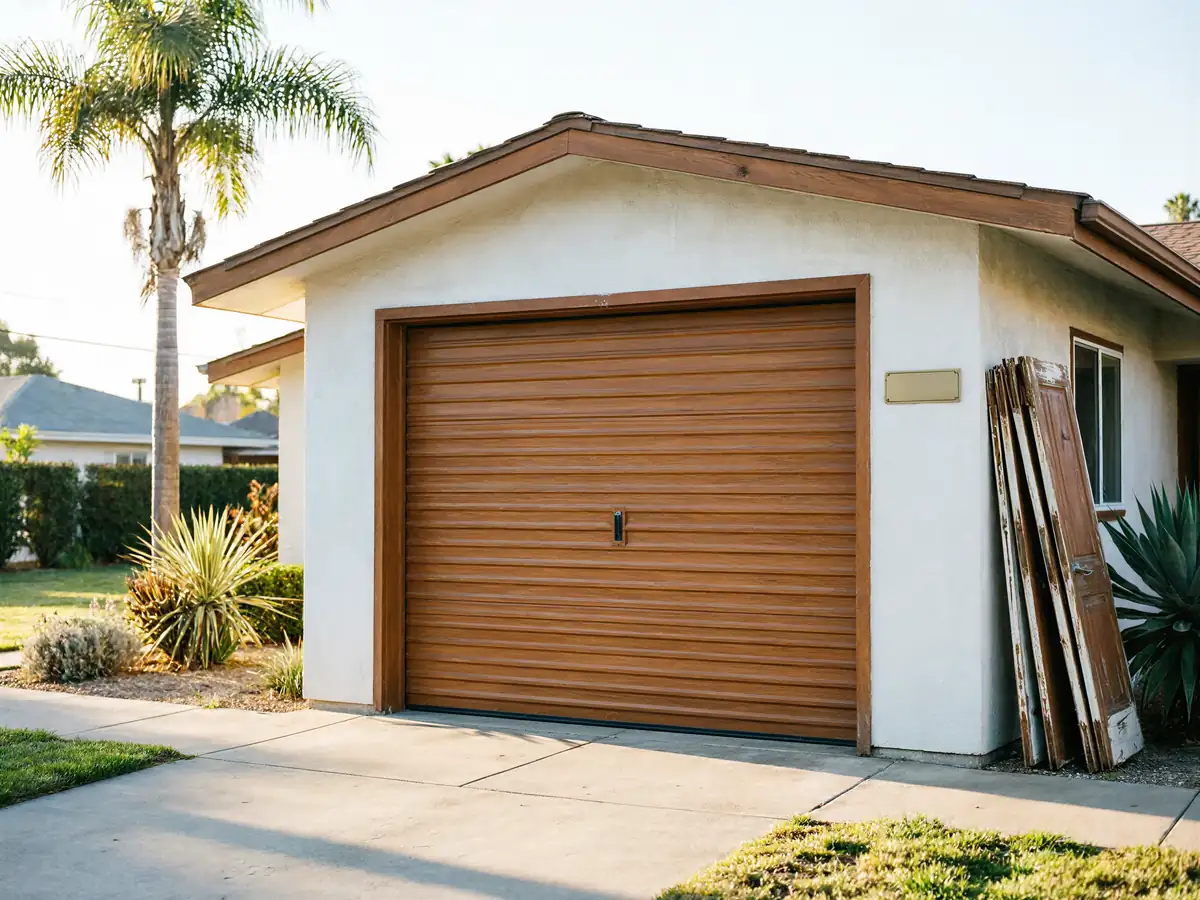
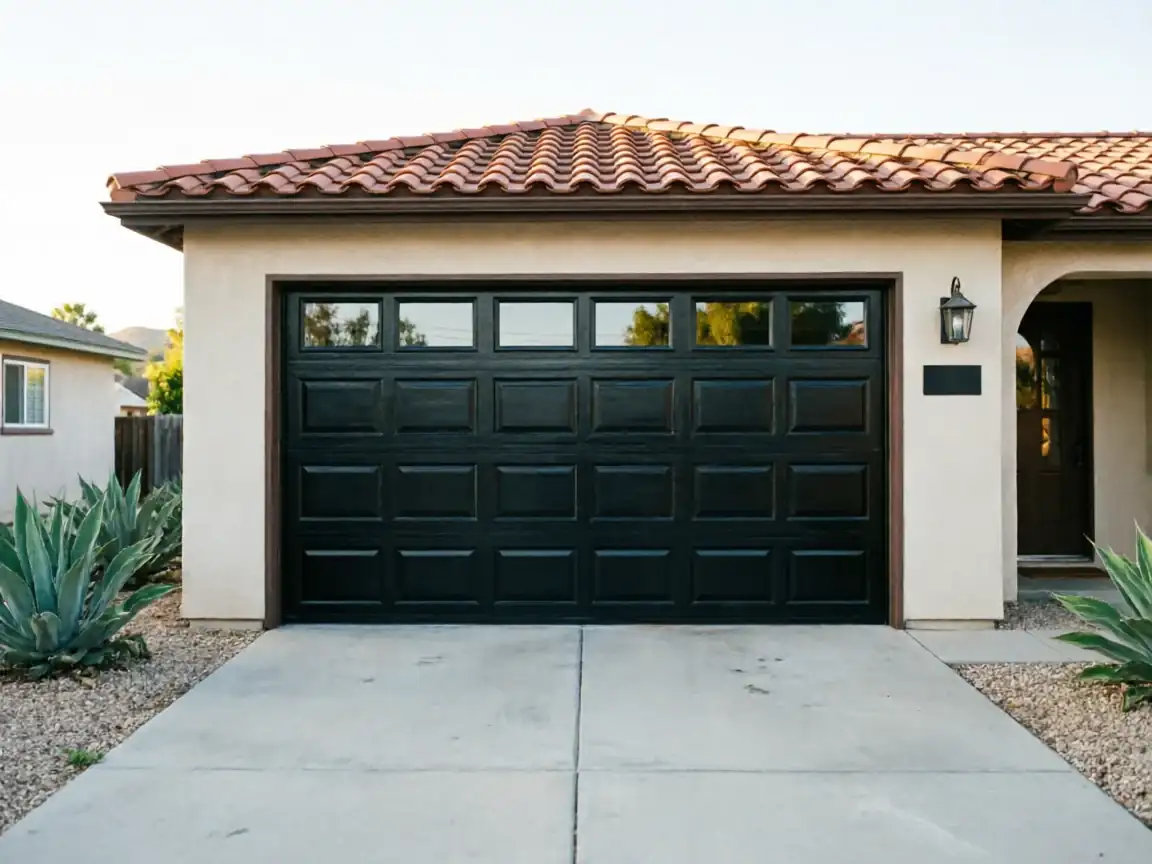
Most houses in Gardena went up around 1964, right in the middle of the service area's 1947-2012 build window. That year matters more than people think. A house from 1964 almost always came with a torsion spring sized for the original door weight, and that spring has been doing the same job for sixty years of openings and closings, whether anyone's touched it or not.
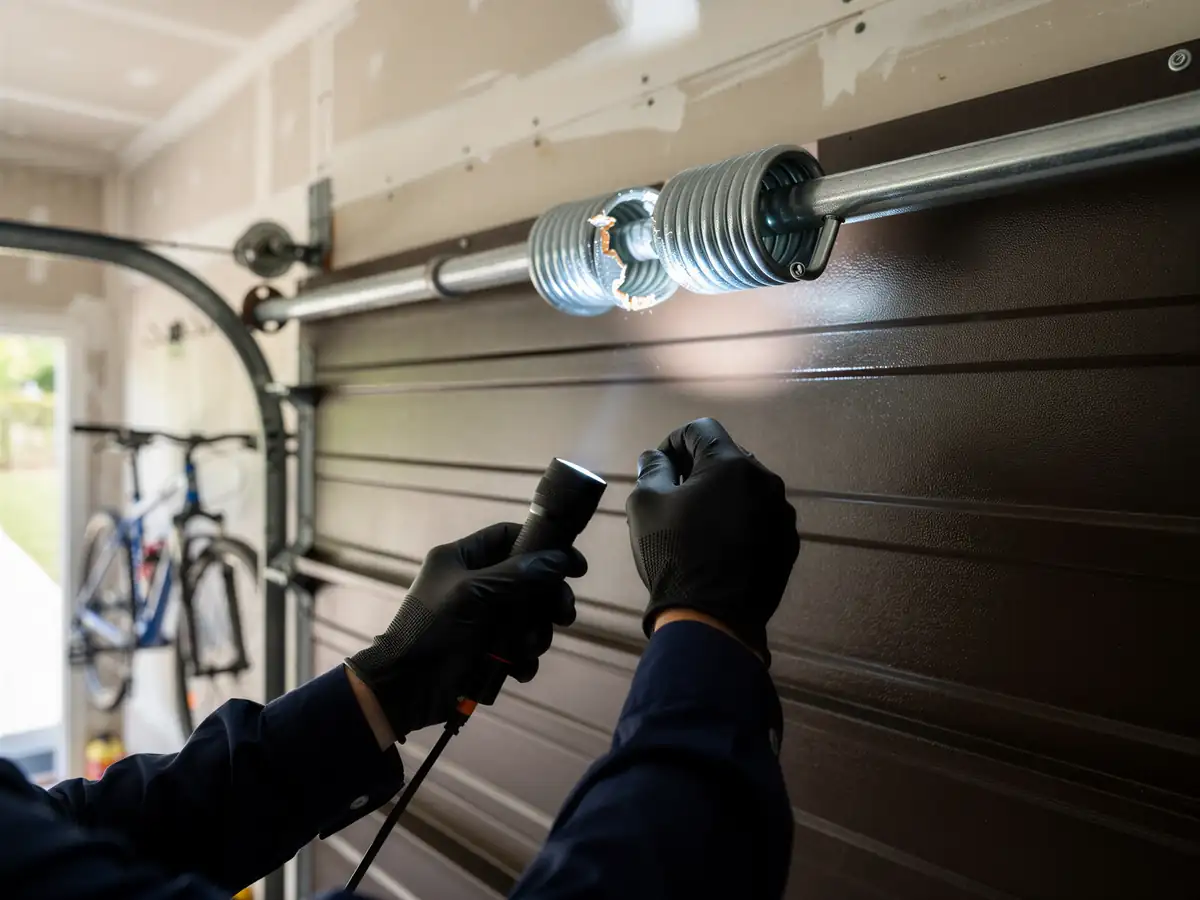
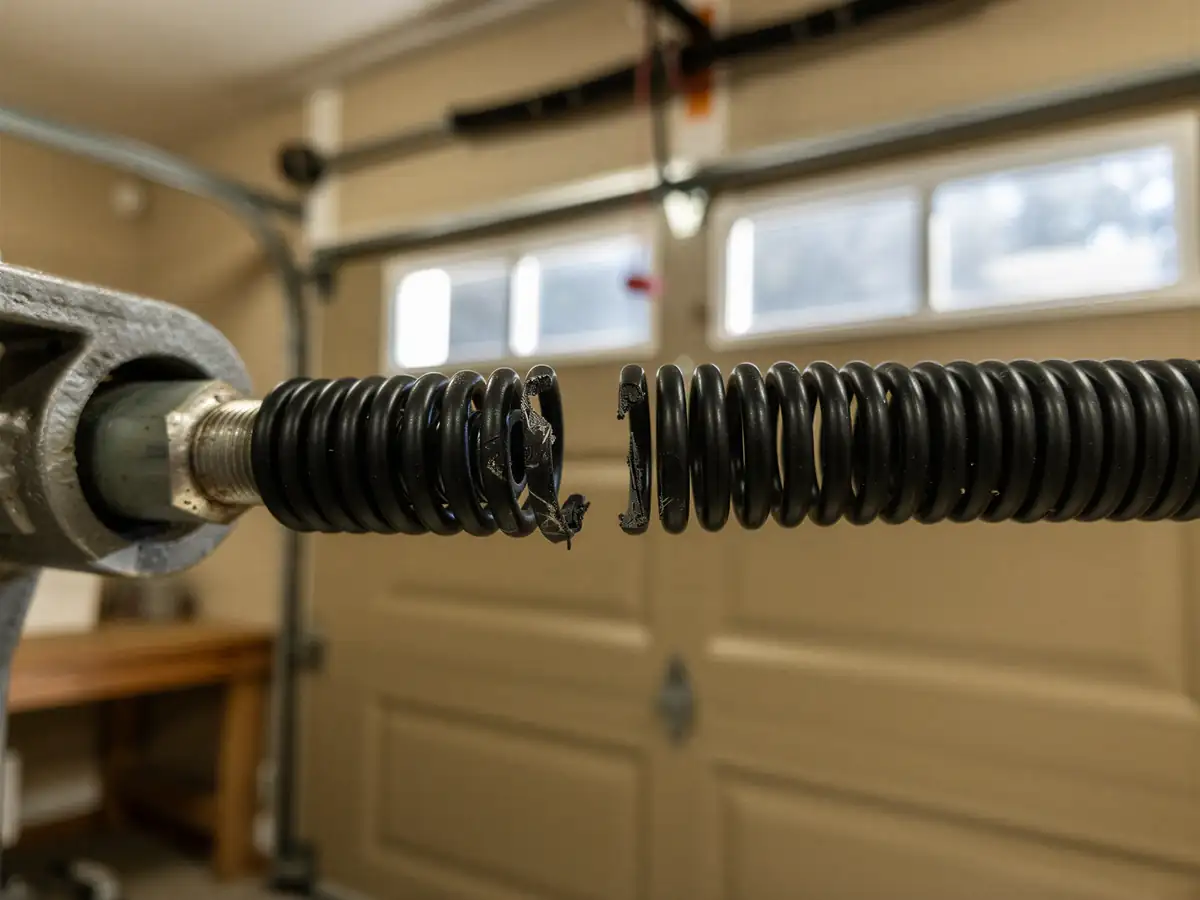
Springs don't fail from age sitting still, they fail from cycles. A spring rated for 10,000 cycles doesn't care what year it is, it cares how many times the door has gone up. On a house this old, the odds are good nobody's replaced that spring once, which means it's either past its rated life already or close to it. The mild climate here doesn't speed that up with rust the way a wetter region would, so when a Gardena spring goes, it's almost always fatigue snapping clean through, not a slow rusted-out failure you can see coming.
Where This Job Goes Sideways
The mistake we see most with houses this age is someone replacing one spring on a two-spring door and leaving the other original
The new spring is stronger than the sixty-year-old one still on the other side, so the door racks sideways on the track every time it opens. It looks fixed for a week, then it isn't.
The second way this goes sideways is sizing
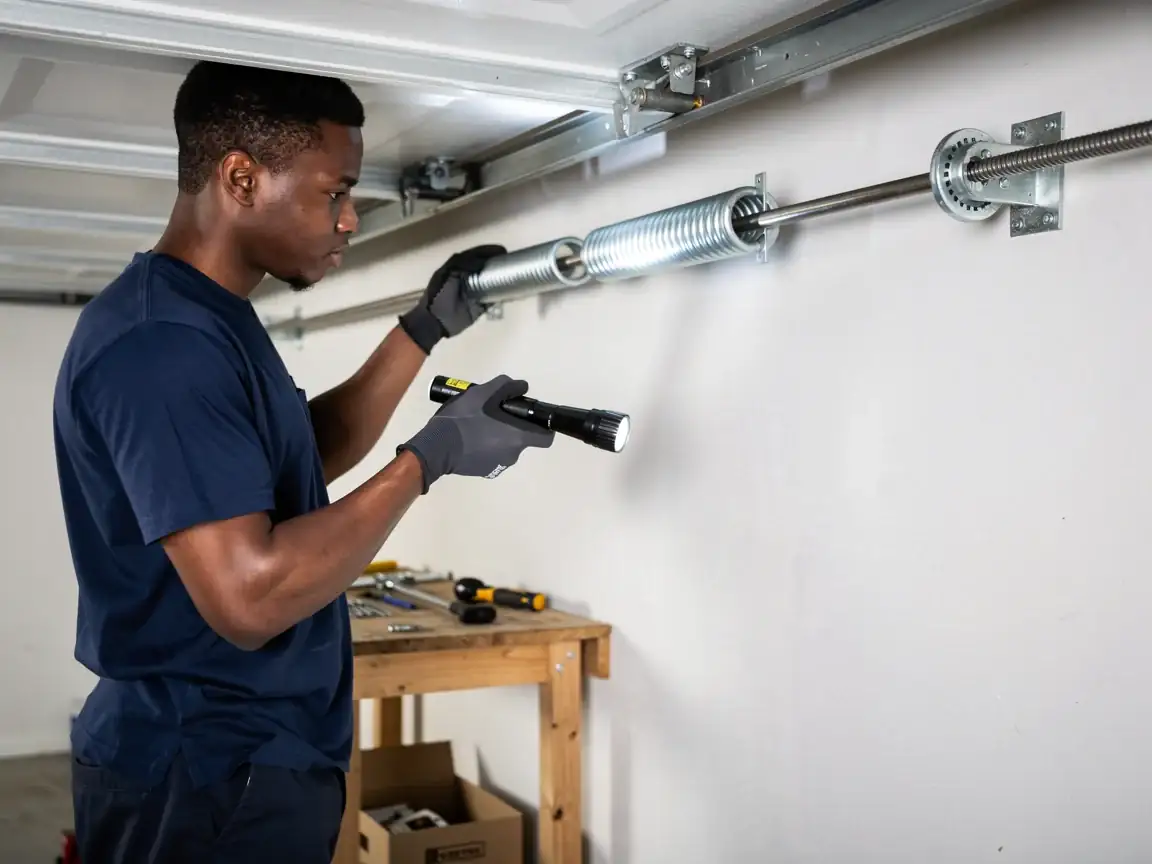
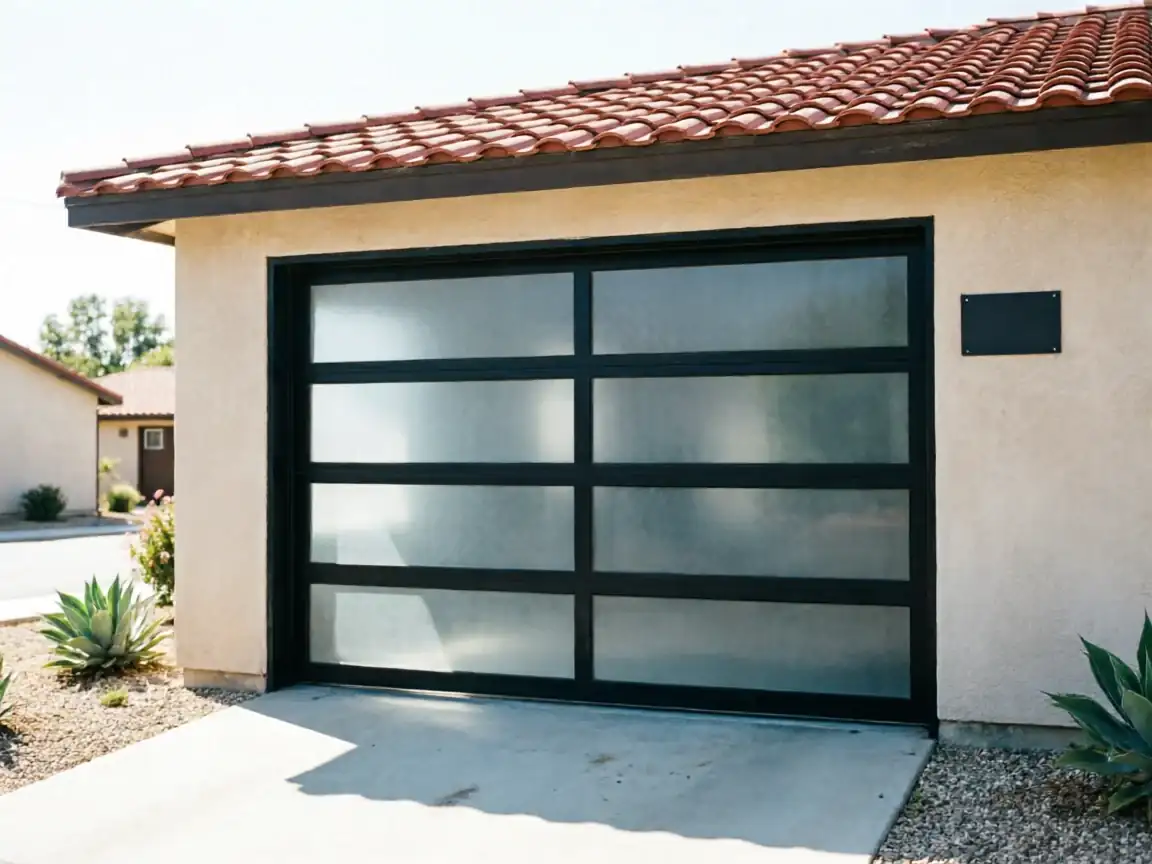
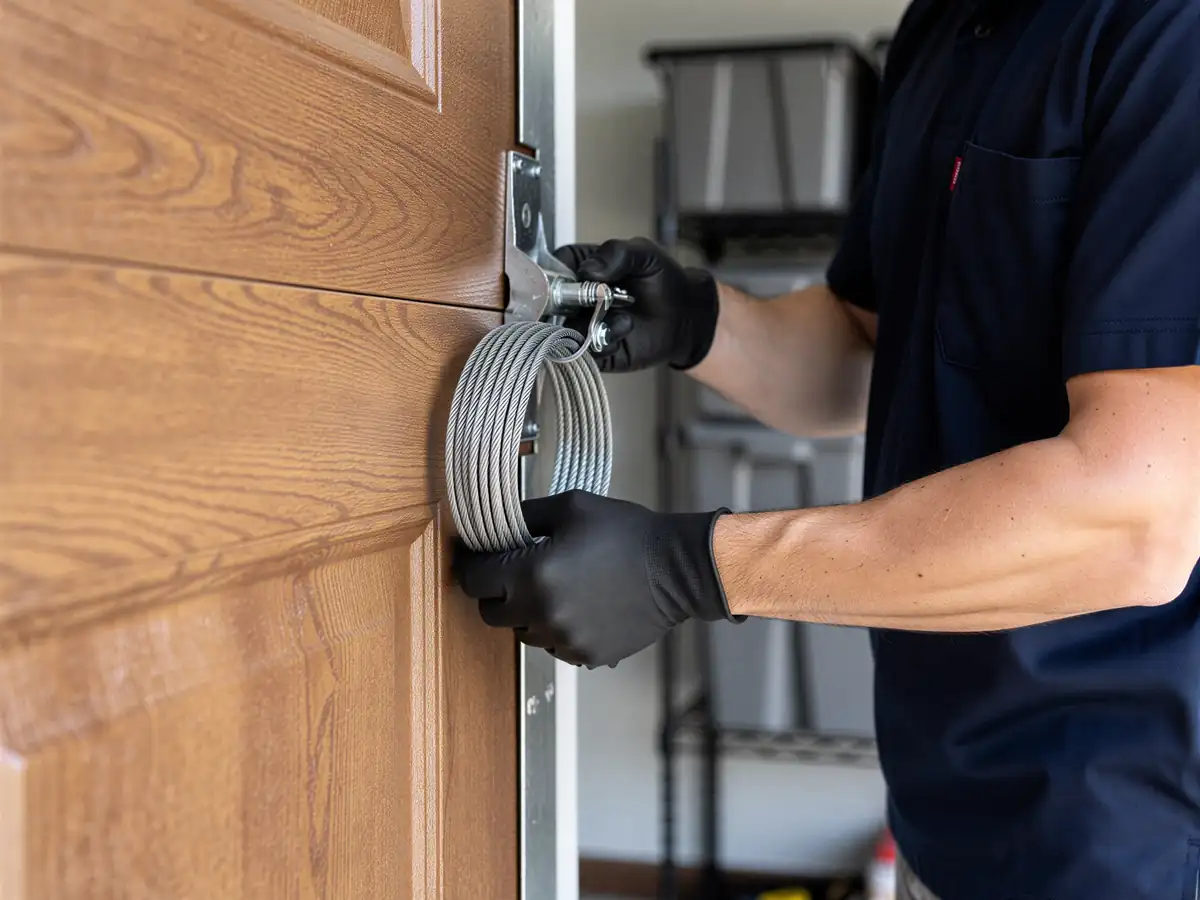
A door this old may have been upgraded once already - heavier insulated panels on original hardware, or a replacement door on a spring sized for the lighter original. Measuring wire gauge and inside diameter off the spring that's there, instead of guessing from the door's age, is the only way to get it right the first time. Get the wind count wrong and the door either won't lift all the way or slams down too hard, and both wear out the opener faster than the spring problem you started with.
Parts We Carry
We stock torsion springs in the wire gauges and winding lengths that match houses built through the 1960s and 70s, which covers the bulk of what's on the ground in Gardena. We also carry extension springs for the older straight-track setups still found on some of these original garages, since not every house from that era got converted to torsion hardware.
We run the truck out from Redondo Beach, about six miles to Gardena, so the parts that matter are the ones already on the truck, not ones we have to order and come back for. That said, we don't carry every spring made. A door with an unusual width or a commercial-grade opener might need a part we order in, and we'll tell you that up front rather than make you wait on-site for a guess.
Can You Do This Yourself
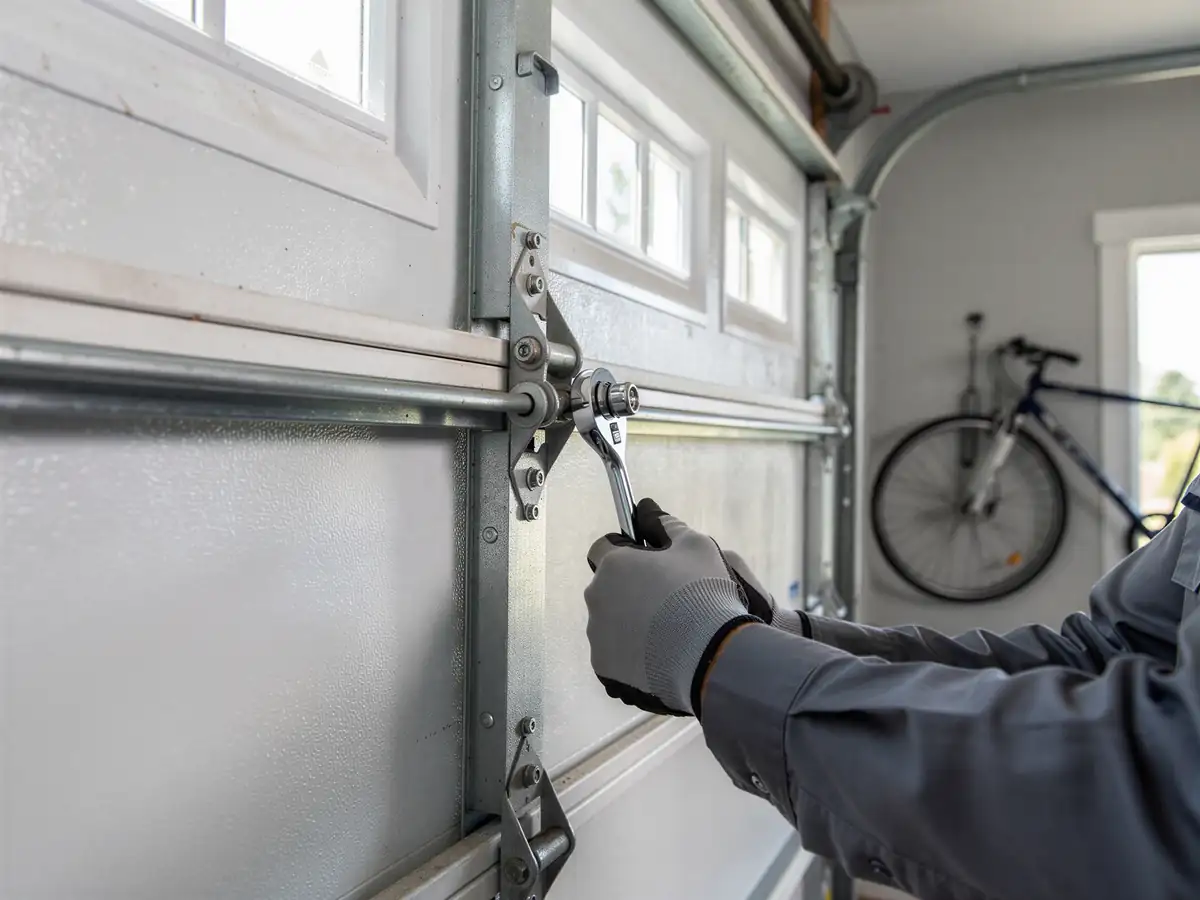
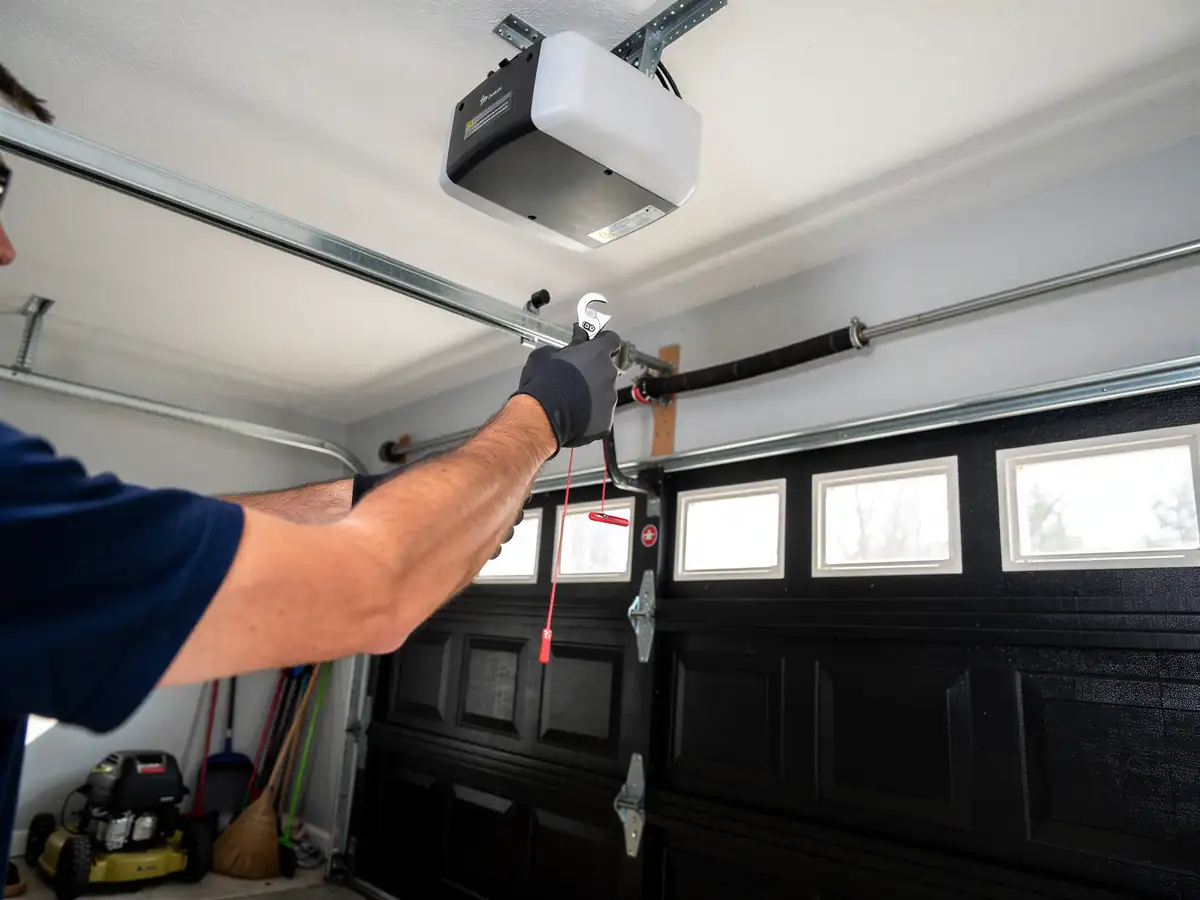
No, and this is the one place we'll say that flatly. A torsion spring holds enough stored force to break fingers or worse if the winding bars slip, and extension springs can fire the length of a garage if they let go under load. This isn't a caution label exaggerating the risk - it's the actual physics of a coiled steel spring under 150+ pounds of tension.
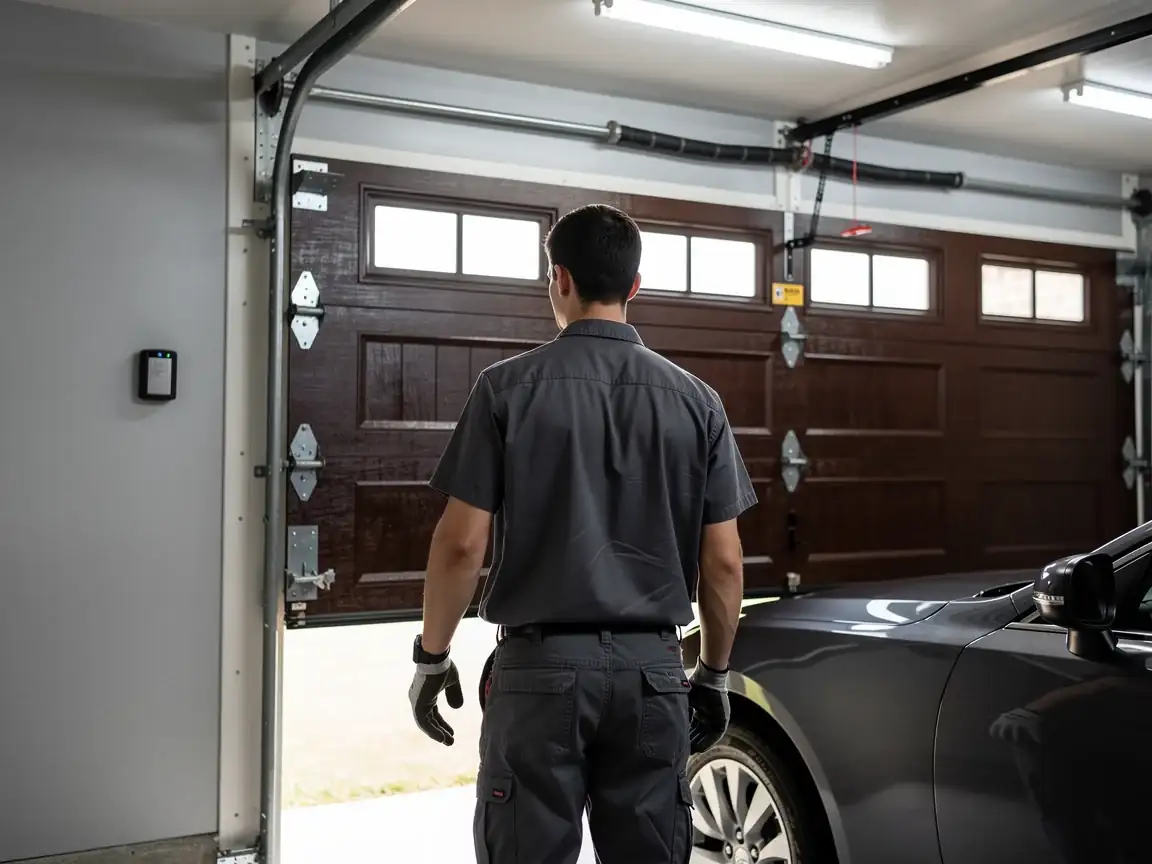
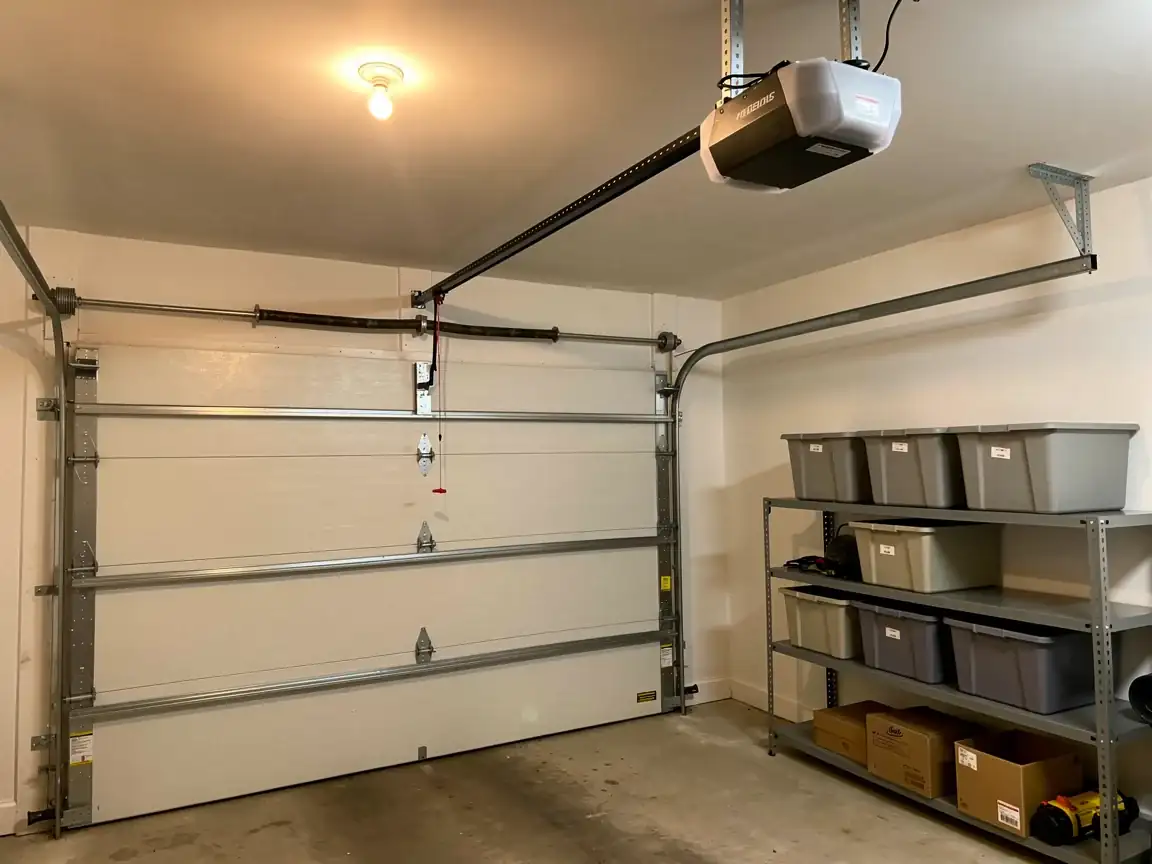
What a homeowner can reasonably do is diagnose it: if the door won't budge, feels unbalanced, or you can see a visible gap in a coil, that's a torsion spring. If the spring is stretched out along the top of the door above the horizontal track, that's extension. Knowing which one it is before you call saves a trip for the wrong part, but the wind and tension work itself isn't a weekend job, even for someone handy.