What Causes It Around Here
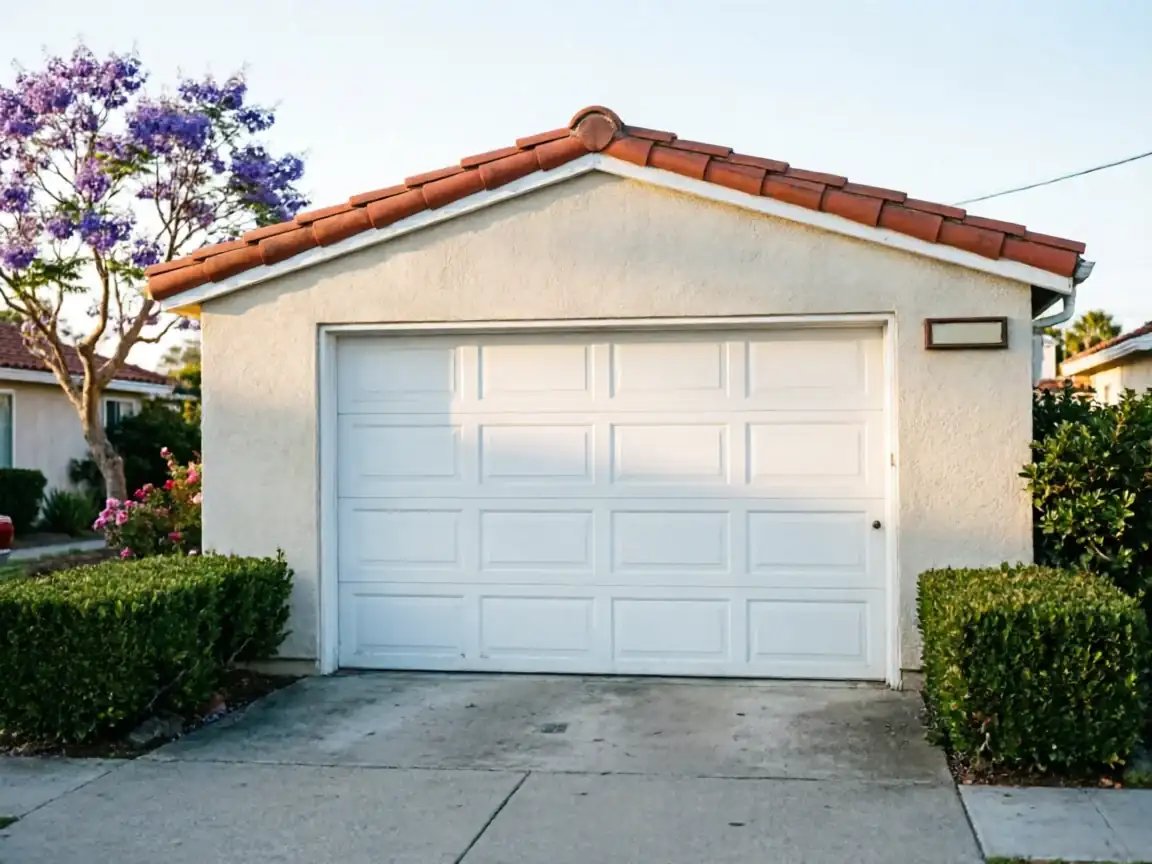
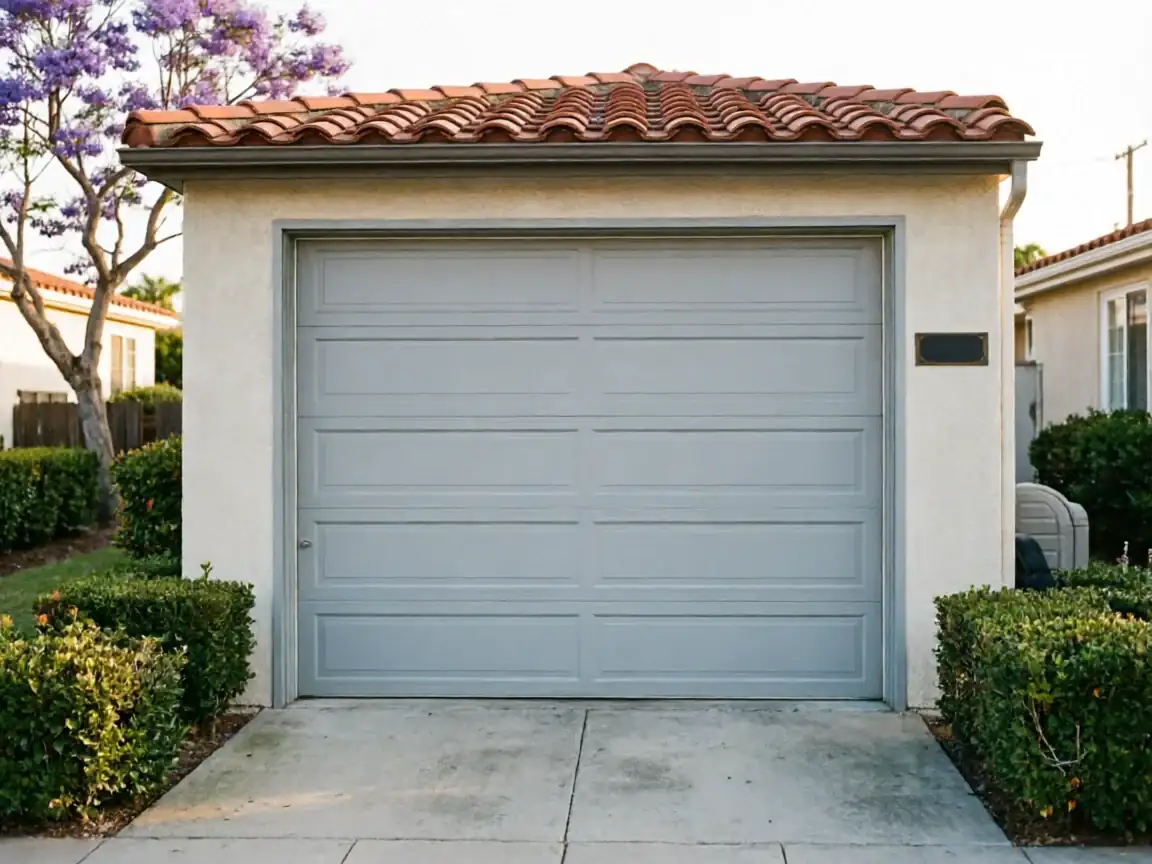
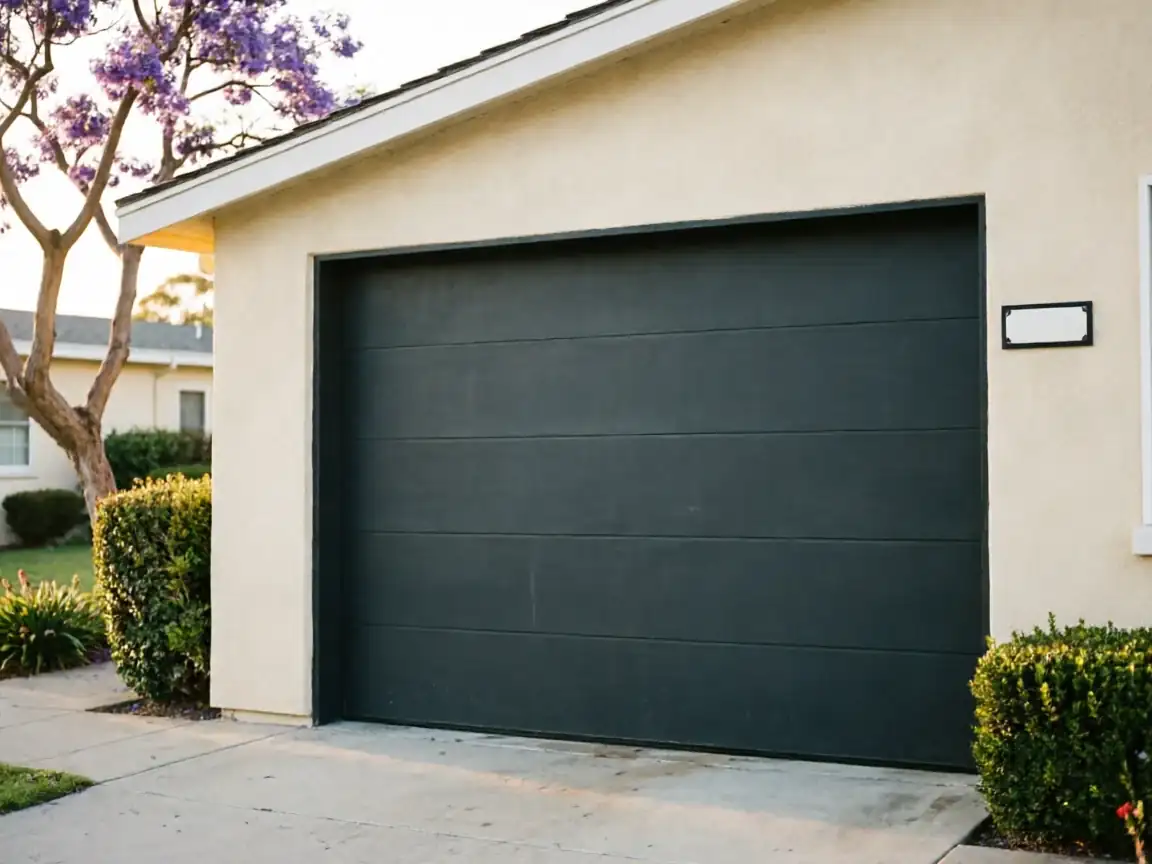
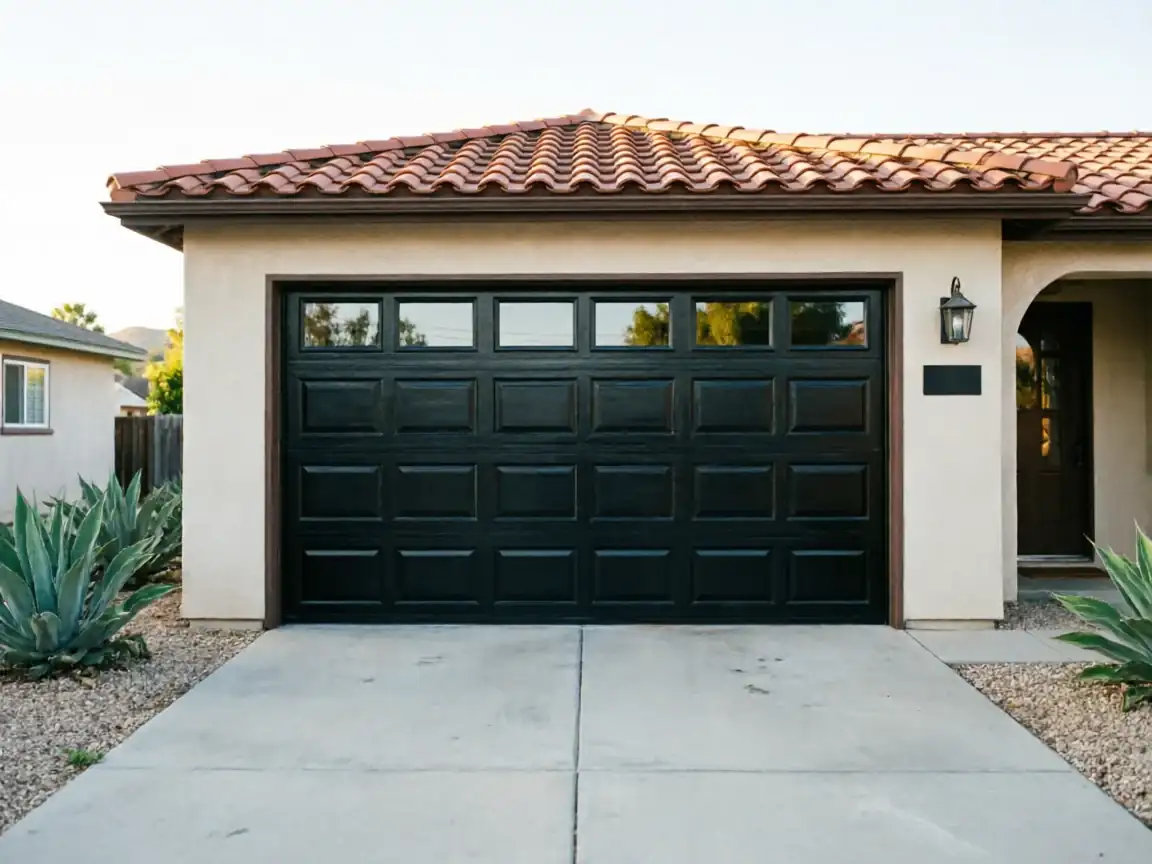
Walk through Gardena and most garages date to around 1964, give or take a few years on either side. That's the sweet spot for steel sectional doors - single-layer panels, no foam core, hung on torsion springs sized for a lighter door than what you'd see on anything built after the mid-80s. A lot of these are still the original door, or a straight swap-in replacement from the 80s or 90s that used the same track and spring specs because nobody bothered to upsize it.
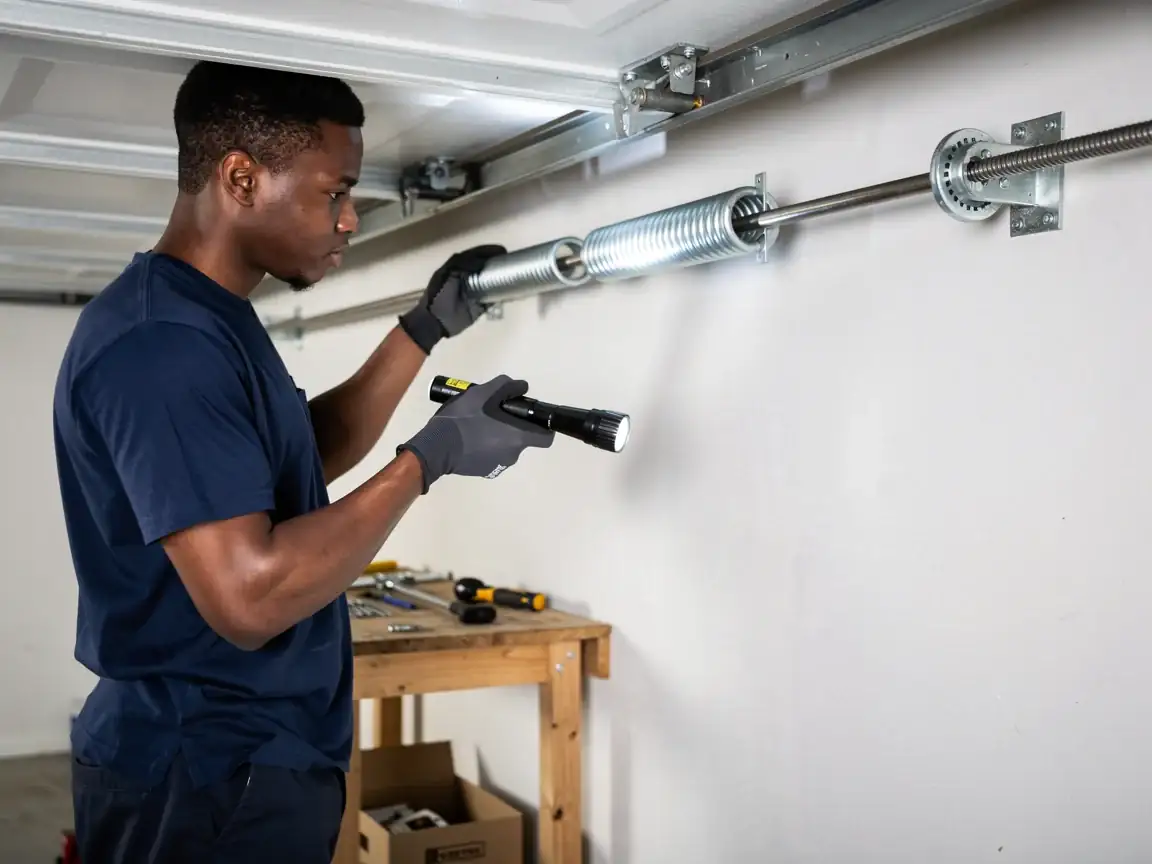
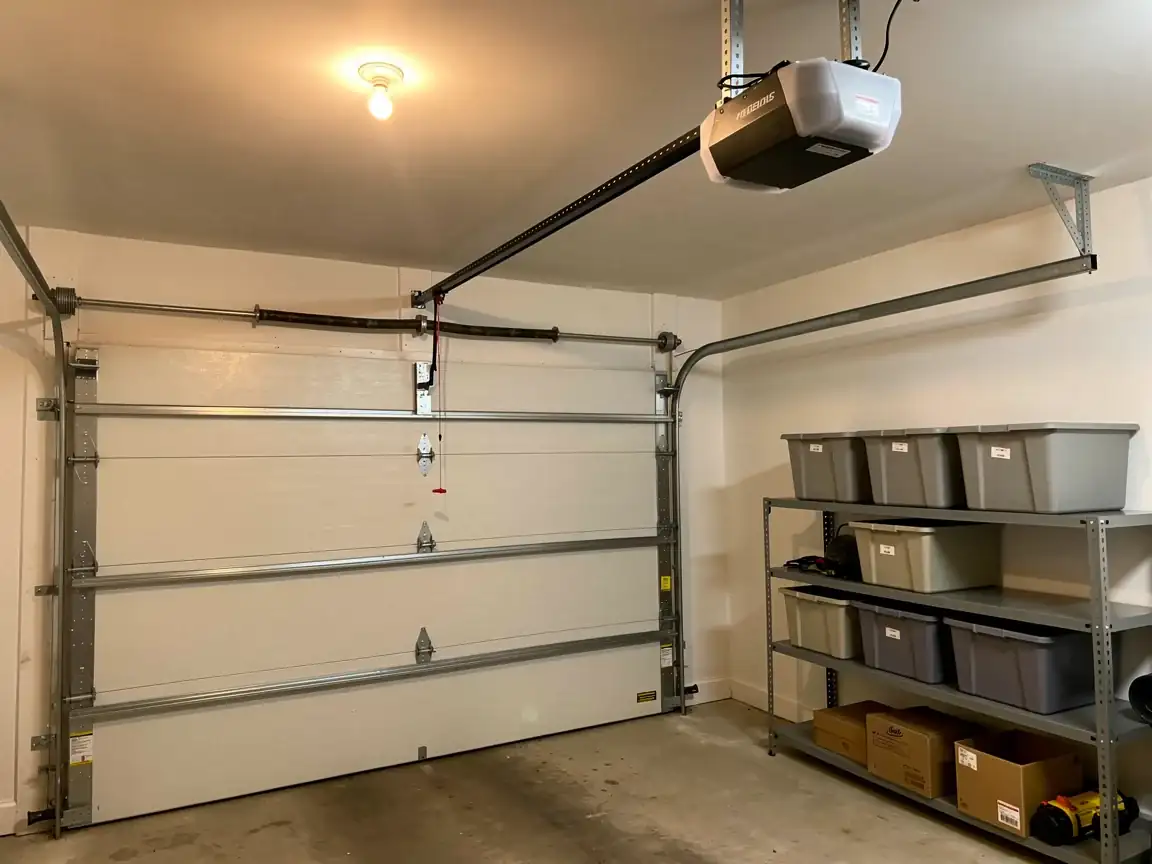
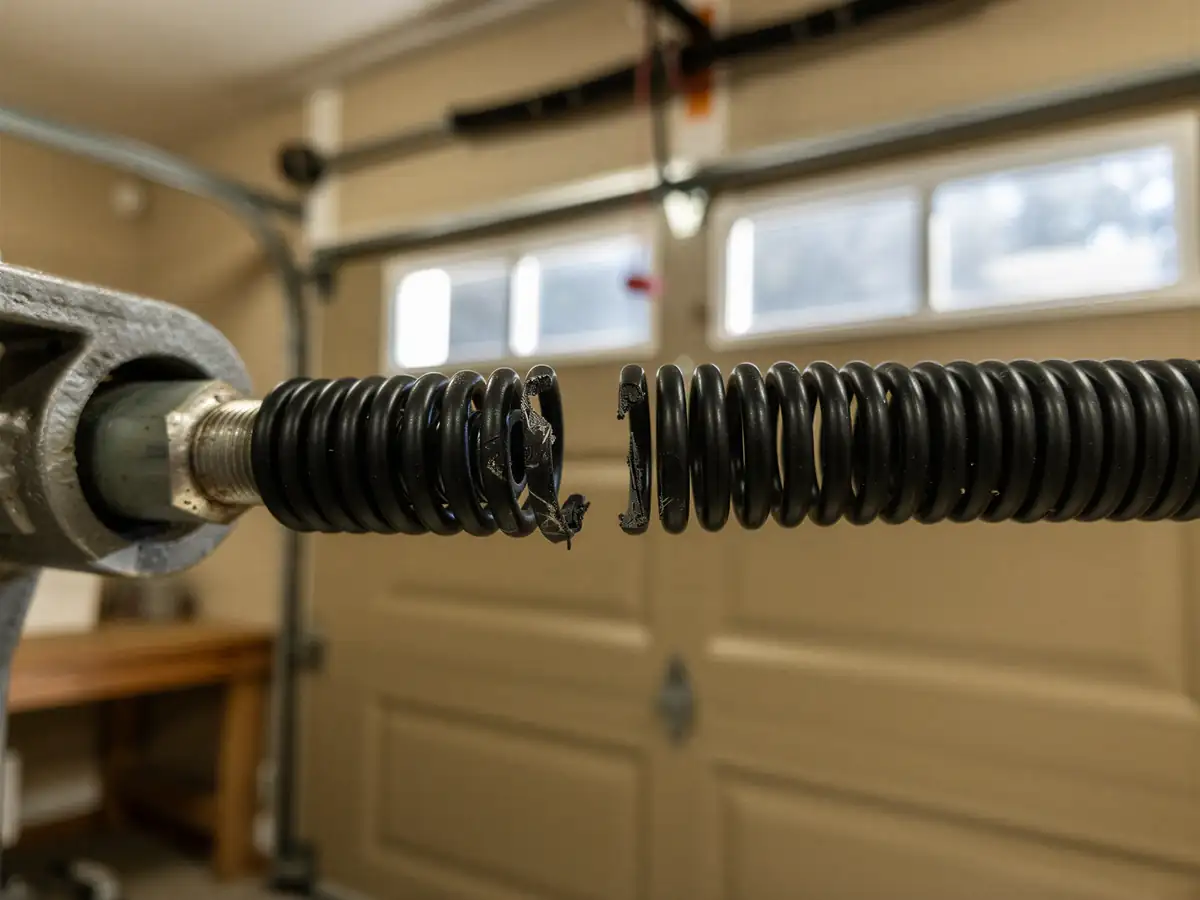
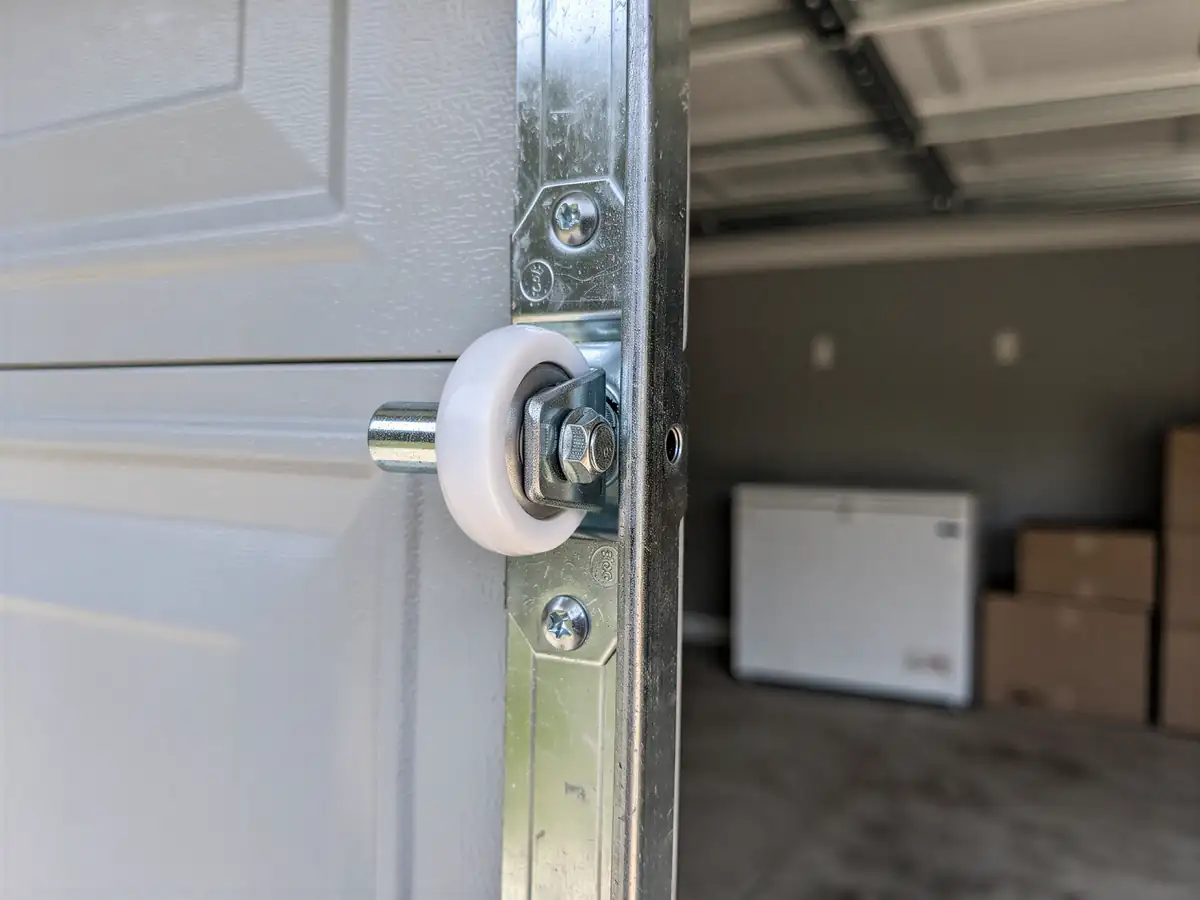
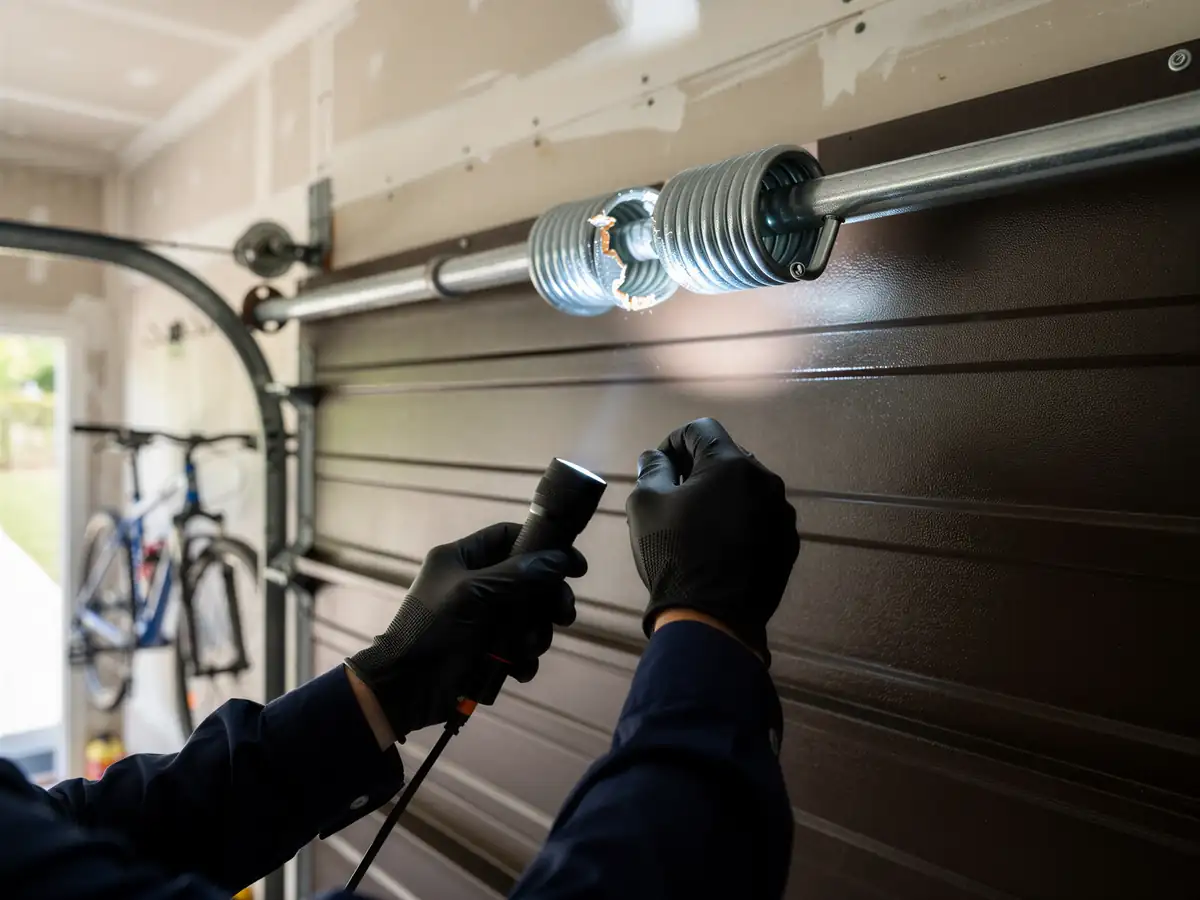
The failure pattern follows from that. Sixty-year-old torsion springs don't fail because of weather - the climate here is mild, no deep freeze, no monsoon humidity swings, so the spring itself isn't fighting the elements. It fails from cycle count. A spring rated for roughly 10,000 cycles and run twice a day for six decades has done its job and then some. Same story with the rollers: steel or cheap nylon from that era, now grooved and loud, dragging on tracks that were never realigned.
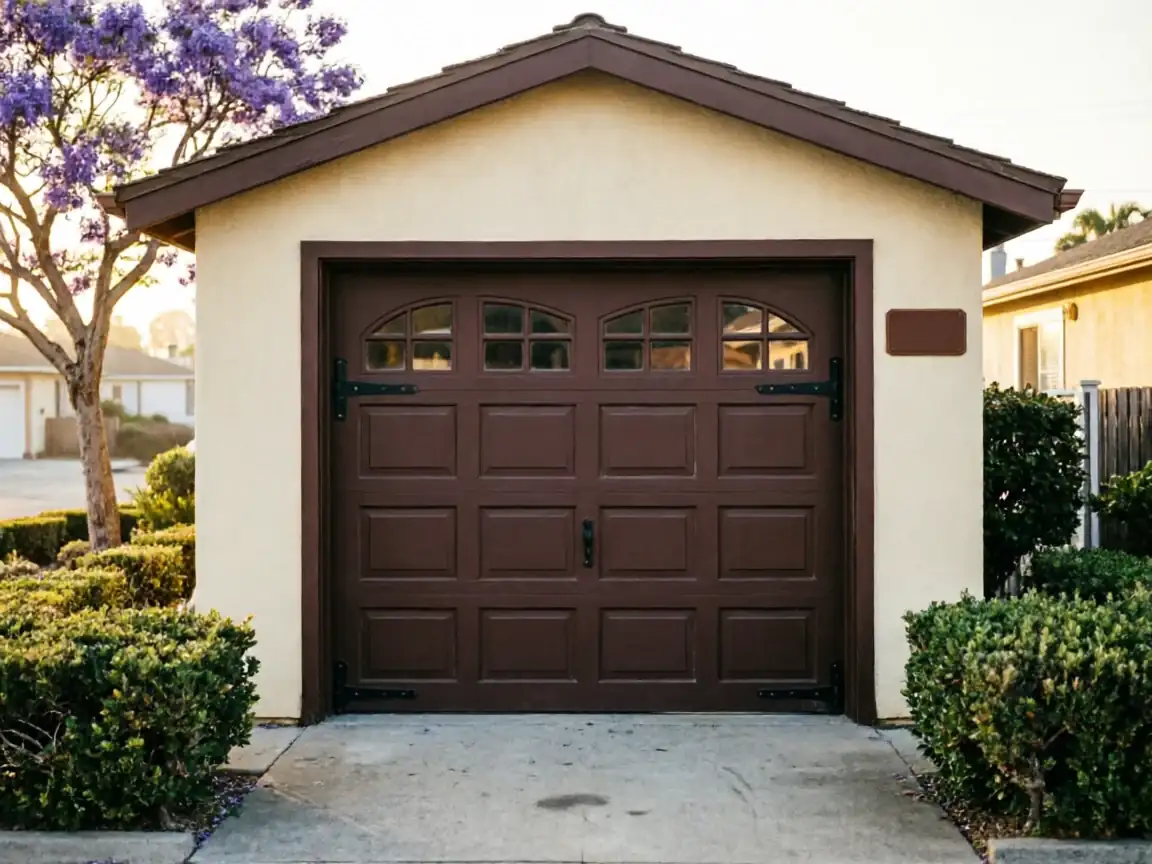
The other thing that era brings is narrower garage openings - plenty of Gardena garages were built for a single car before households added a second vehicle, so you'll see single 8-foot or 9-foot doors doing double duty, which stresses the opener more than it was built for.
Where This Job Goes Sideways
The call that starts as "my door won't open" in a house this age is almost never just the opener
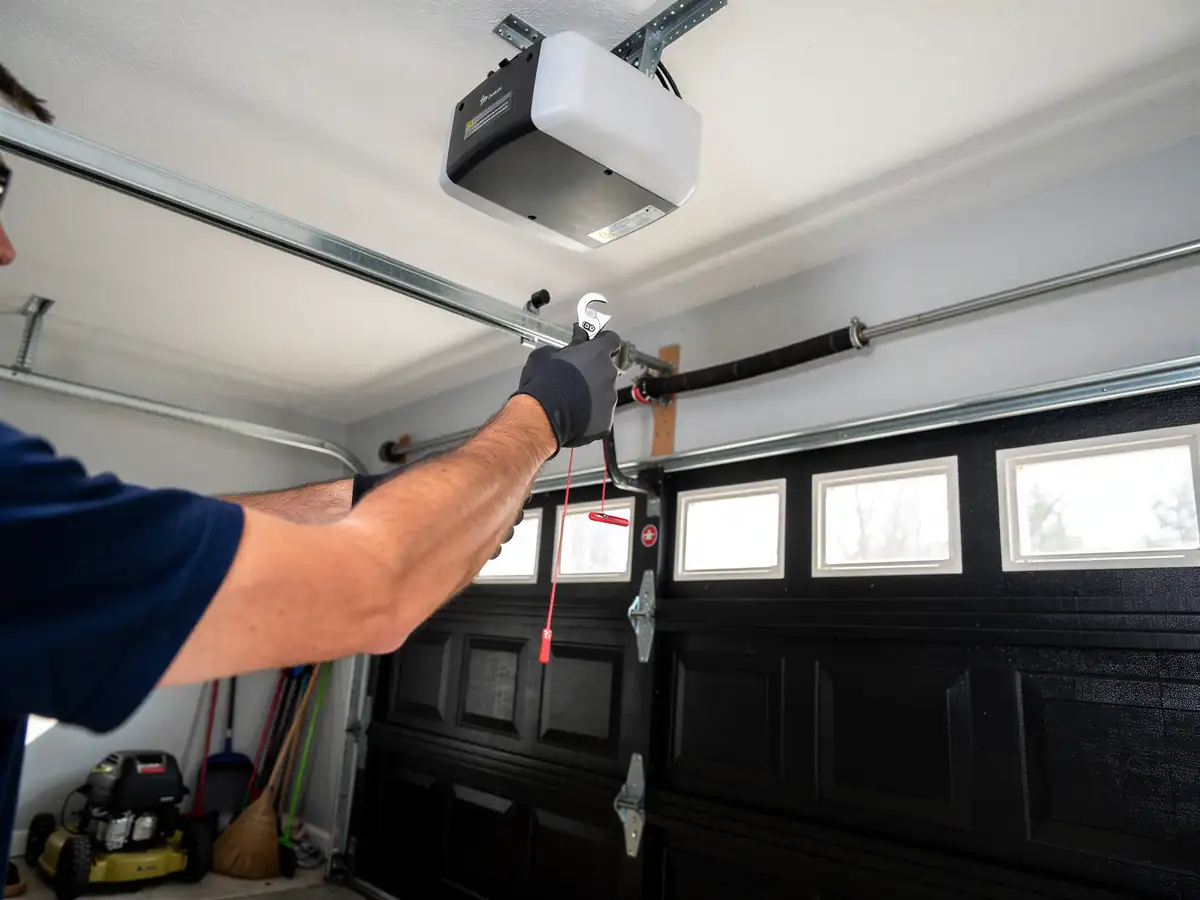
If the opener is straining or reversing, the torsion spring is usually carrying less than it should, and the motor's been compensating for months before it finally trips the circuit. Replace the opener alone and the new one fails the same way inside a year.
The other place this goes wrong is the track
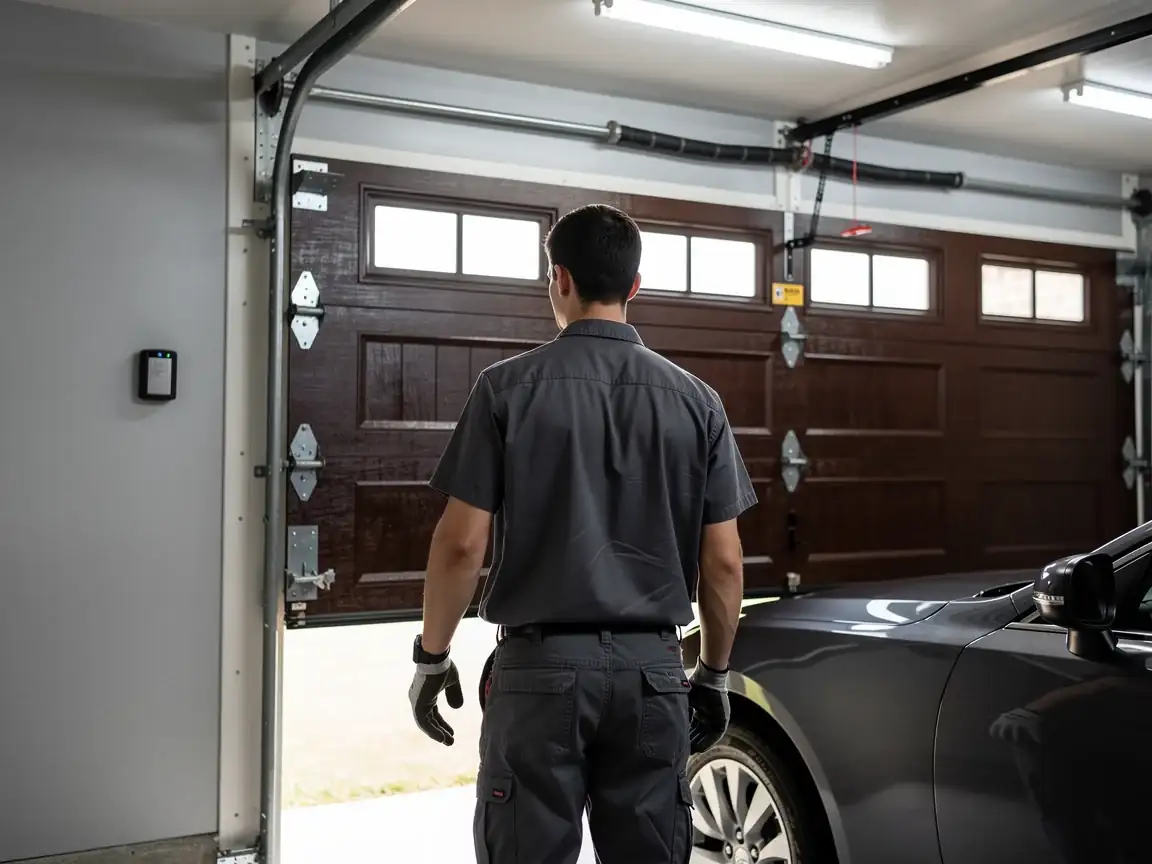
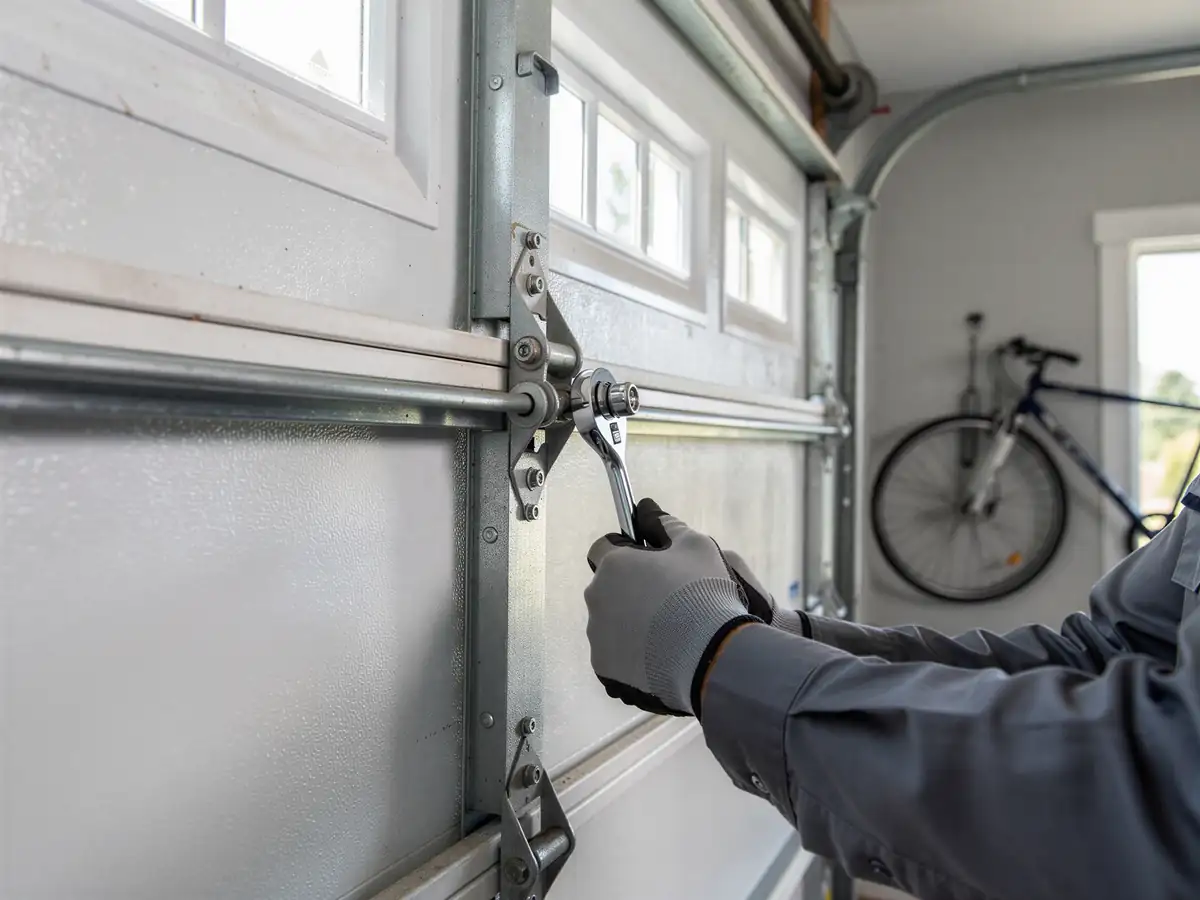
Original track brackets in houses from the early 60s were fastened to framing that's shifted slightly over decades - not failed, just settled - and a door that's been limping on worn rollers has usually walked the track out of true. Bolt on a new spring and leave the track bent, and you've fixed the symptom, not the job.
We won't quote a repair without looking at the spring, the track, and the rollers together on a door this old
One part replaced in isolation on a 60-year-old system is the fastest way to a callback.
Parts We Carry
For doors from this era we stock torsion springs in the sizes that actually show up on original 1960s hardware - not just the modern standard spec, since a lot of these openings and drum sizes predate current defaults. We carry steel rollers in sealed-bearing versions to replace the original steel-on-steel rollers, which is the single biggest noise fix on a door this age.
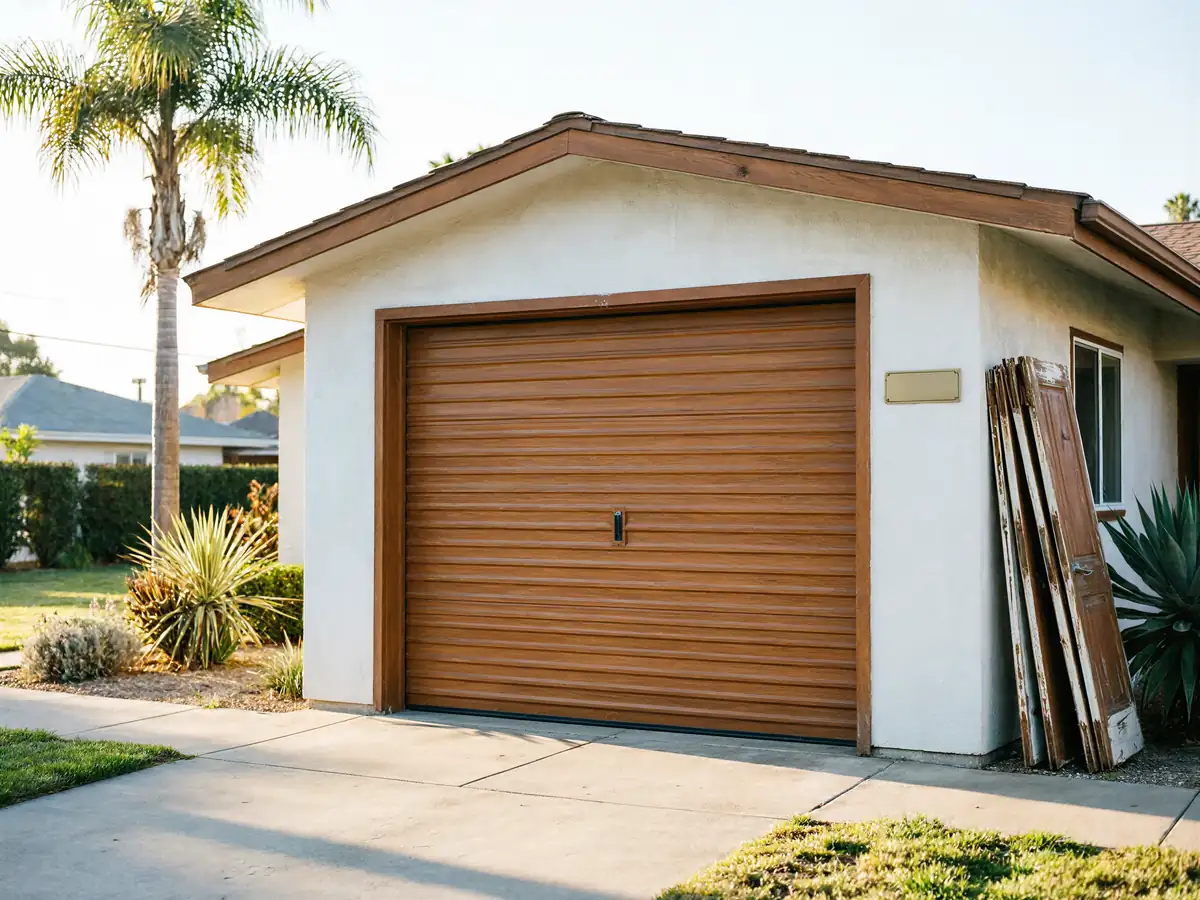
One honest limitation: if the door itself is the original wood or wood-composite panel from the 60s and it's delaminating or warped, we don't stock replacement panels for discontinued models that old. At that point we're talking full door replacement, not a panel swap, and we'll tell you that up front rather than order a part that won't match.
Can You Do This Yourself
Rollers, yes - if the track is straight and the door is balanced, swapping worn rollers is within reach for most homeowners with the door disconnected from the opener and basic hand tools.
Torsion springs, no. A door built in 1964 was almost certainly set up with a single spring sized for the lighter panel weight of that era, and winding one of those under tension without the right bar and a clear idea of the turn count is how people end up in the ER, not just back at the hardware store. This is the one repair on a 60-year-old door we'd tell you to leave alone even if you're handy with everything else in the garage.