What Causes It Around Here
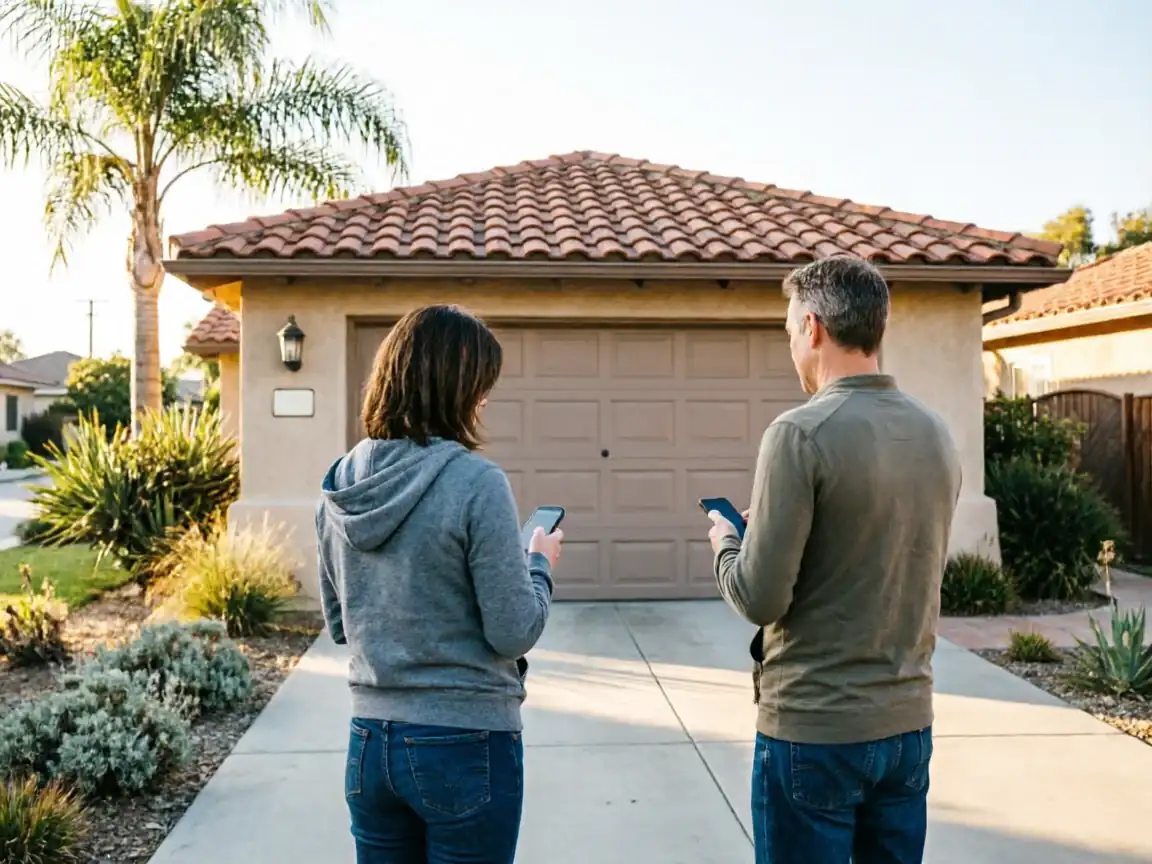
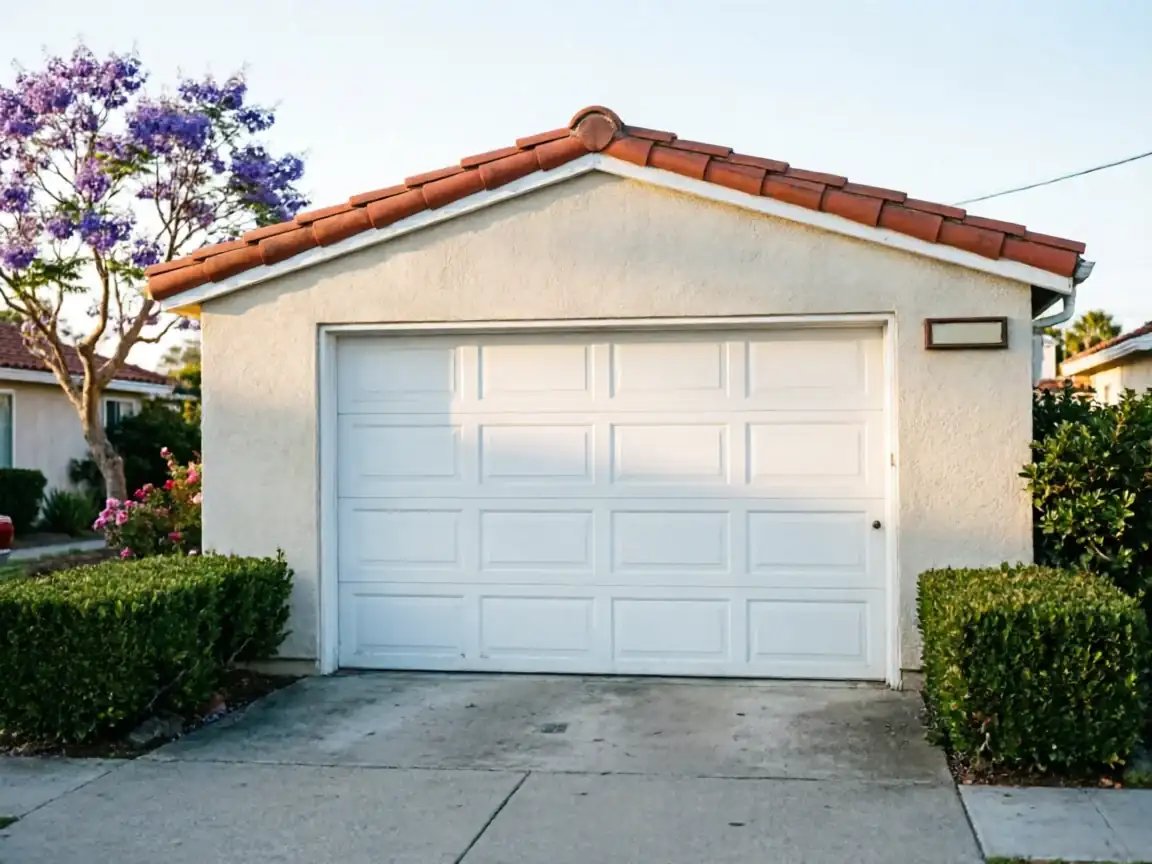
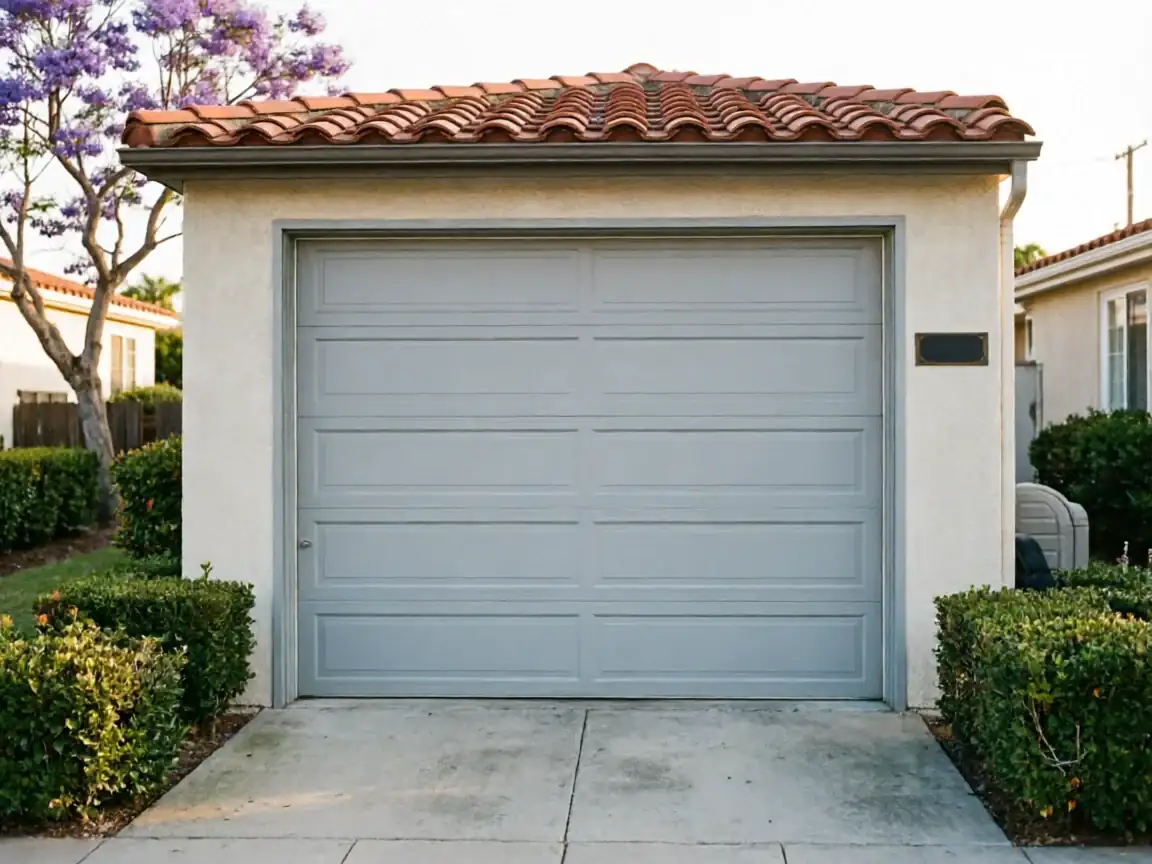
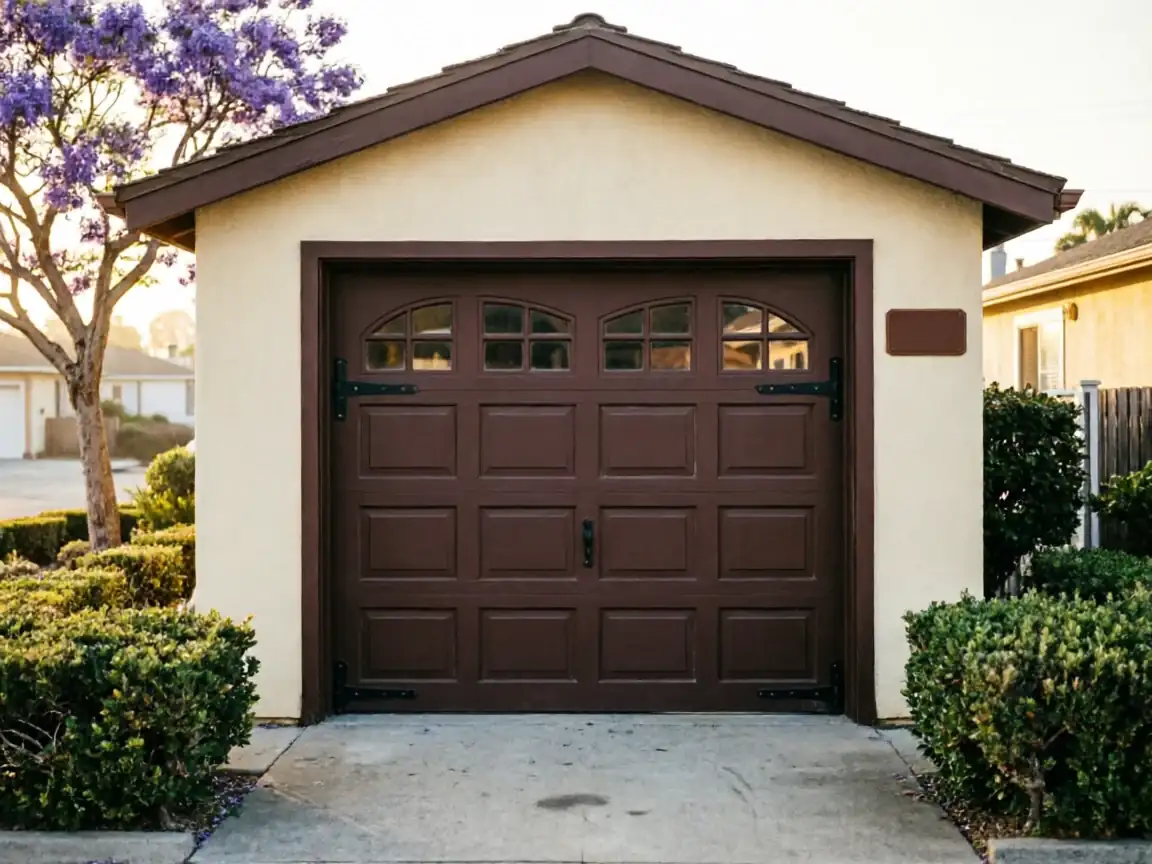
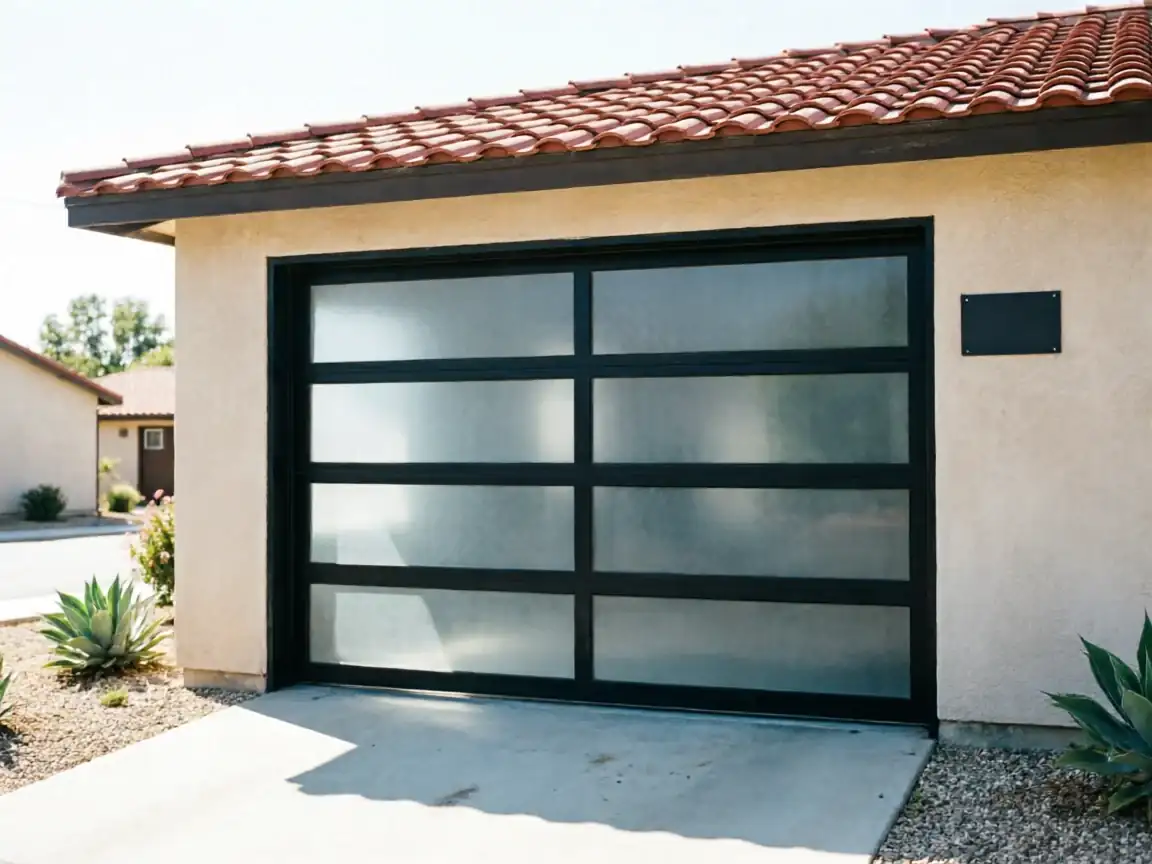
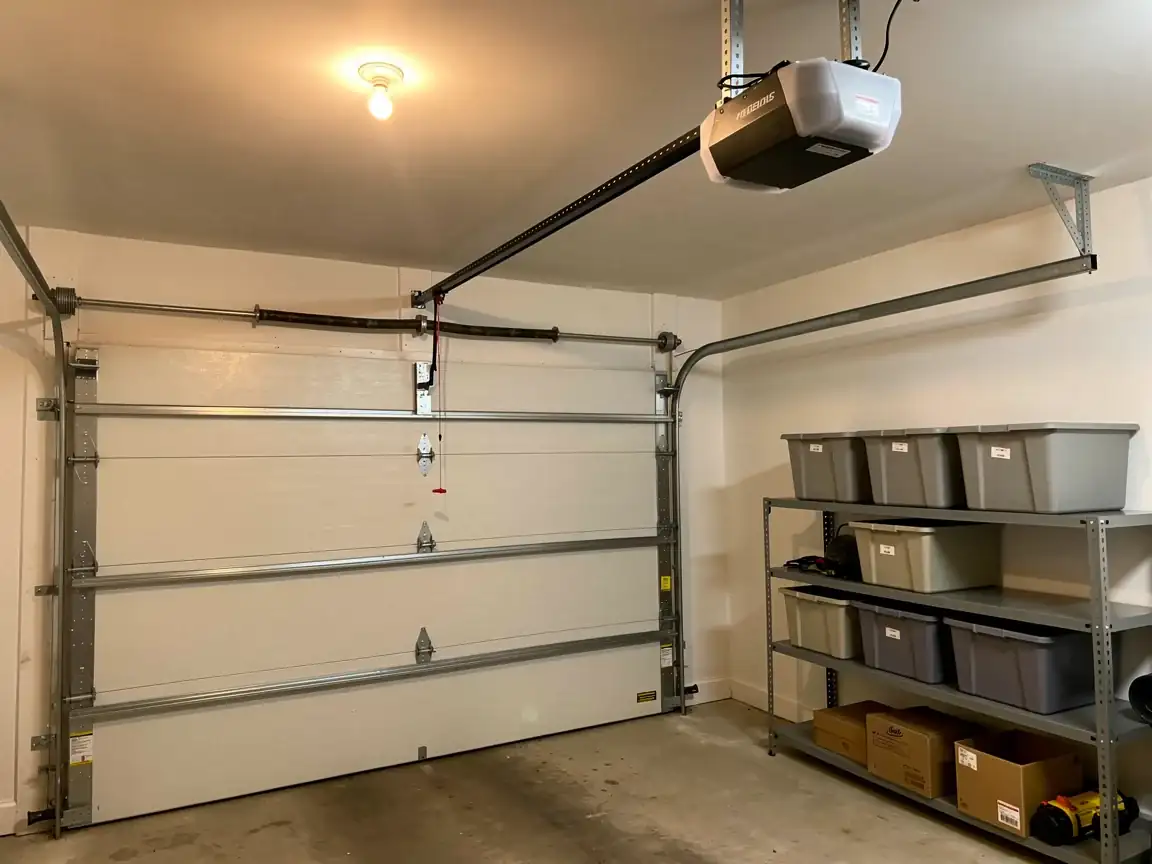
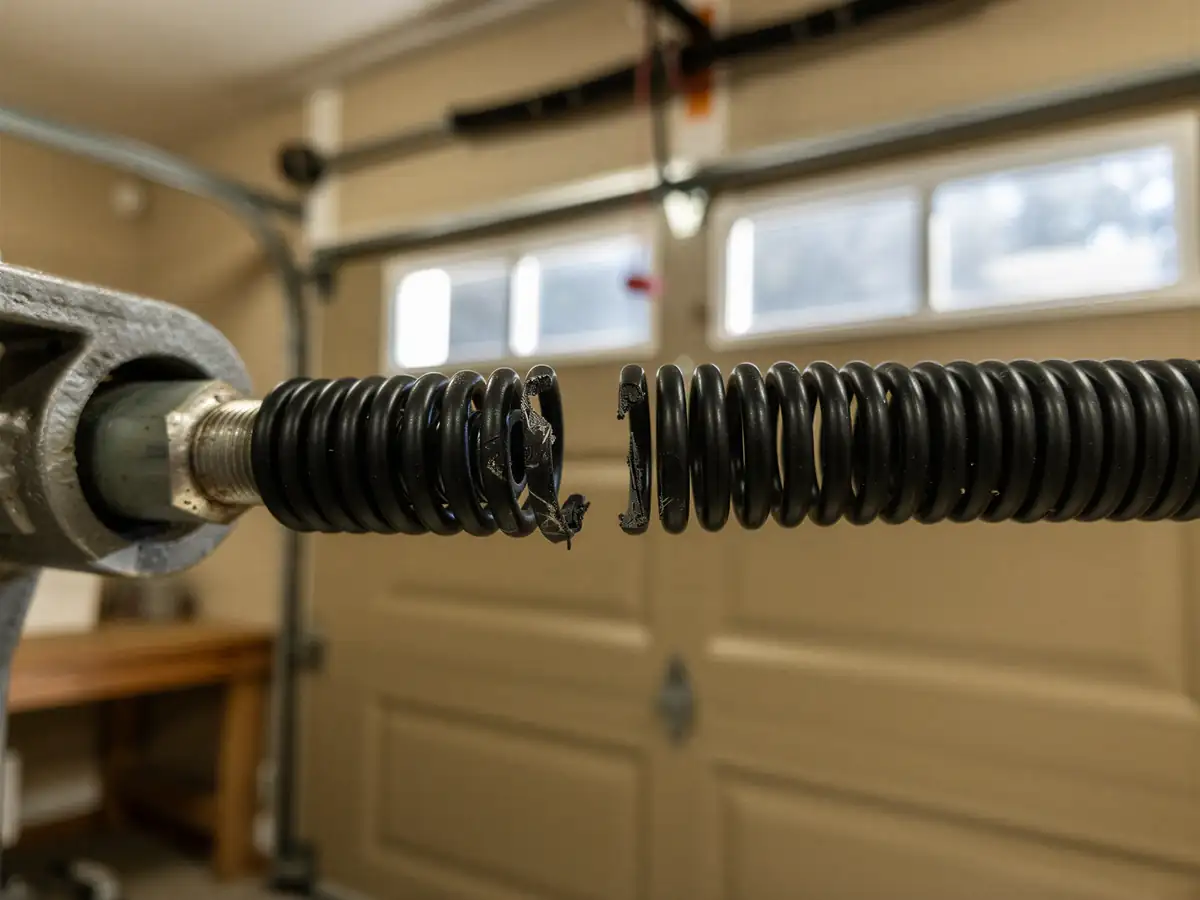
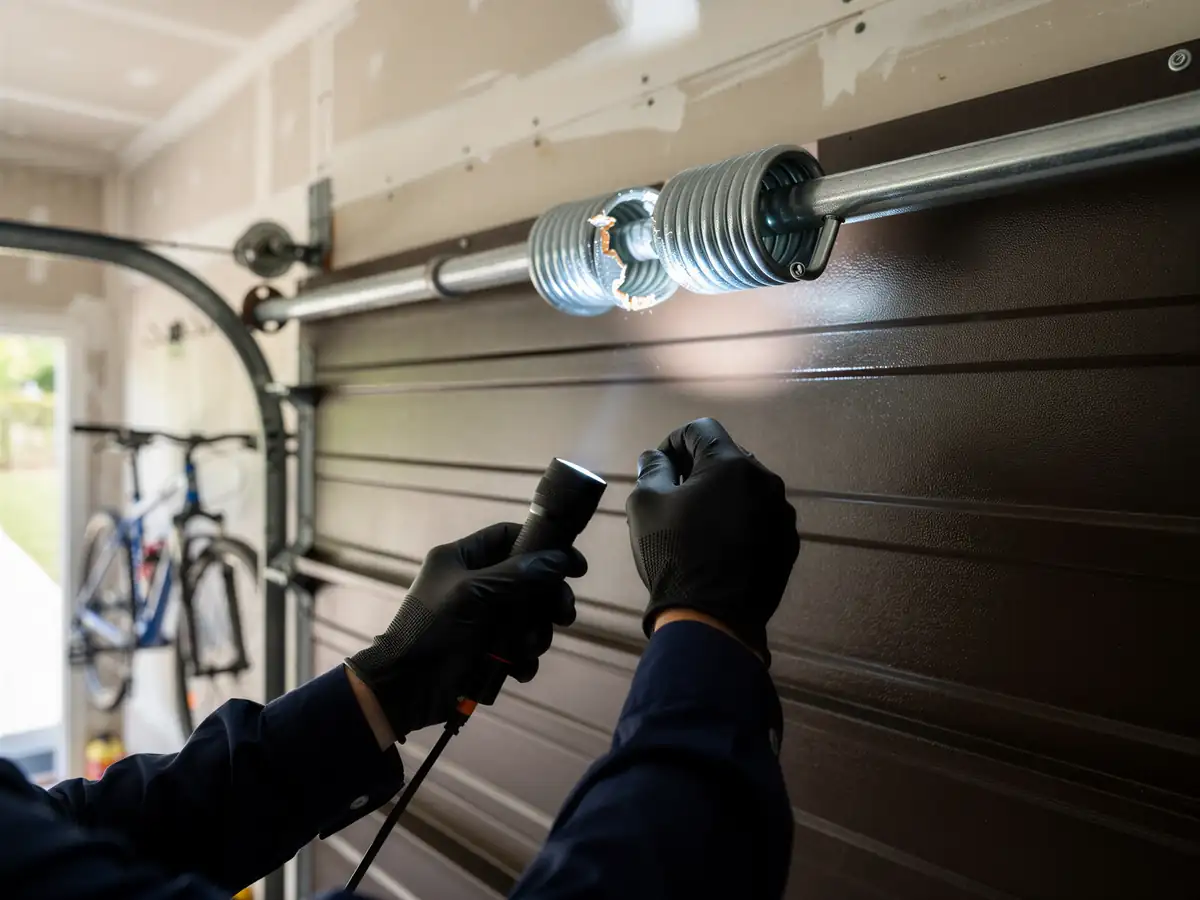
Gardena's housing stock centers on 1964, which puts most garages here squarely in the same build window as the rest of this part of the South Bay - 1960s and 70s construction, per the broader area data. What that means on a service call: a lot of these doors still carry hardware nobody has touched since the house was framed. The torsion spring on a double door from that era was sized for a lighter, often single-layer wood or early steel panel, not the heavier insulated doors people swap in now without rebalancing the spring to match. We see original lift cables, original drums, sometimes original hinges, all running past their expected cycle count because nothing ever failed hard enough to force a replacement.
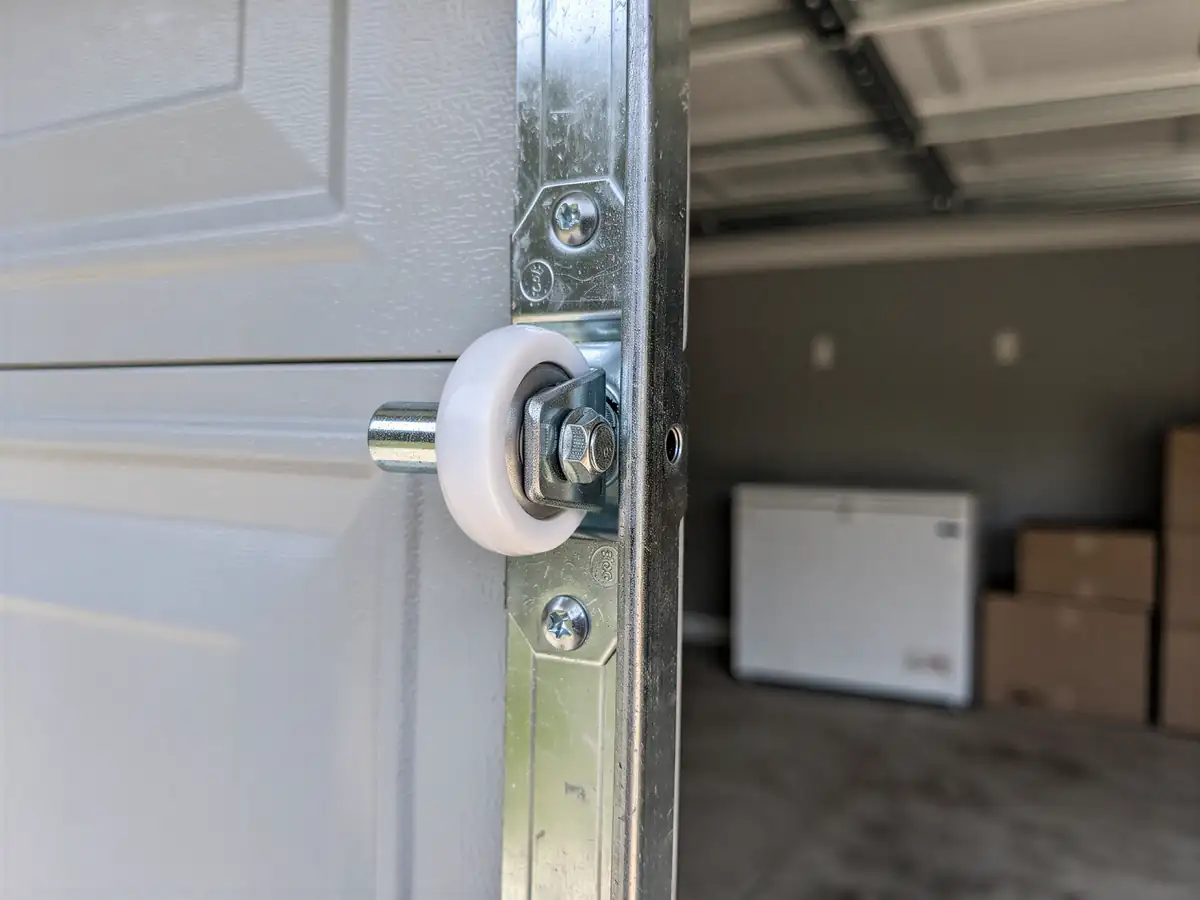
The mild temperate climate here helps, honestly. You're not dealing with freeze-thaw cracking or the extreme humidity swings that chew through galvanized coatings faster. Rust shows up, but slower than it would somewhere colder or wetter. What actually brings a door down in Gardena is usually just fatigue - a spring that's done its 10,000 cycles, a roller that's worn its track groove uneven, a cable strand that's been fraying under a paint job nobody noticed. None of that is dramatic. It's just old parts finally quitting.
Where This Job Goes Sideways
The call that starts as "the door won't open" on a house this age is rarely just the one part
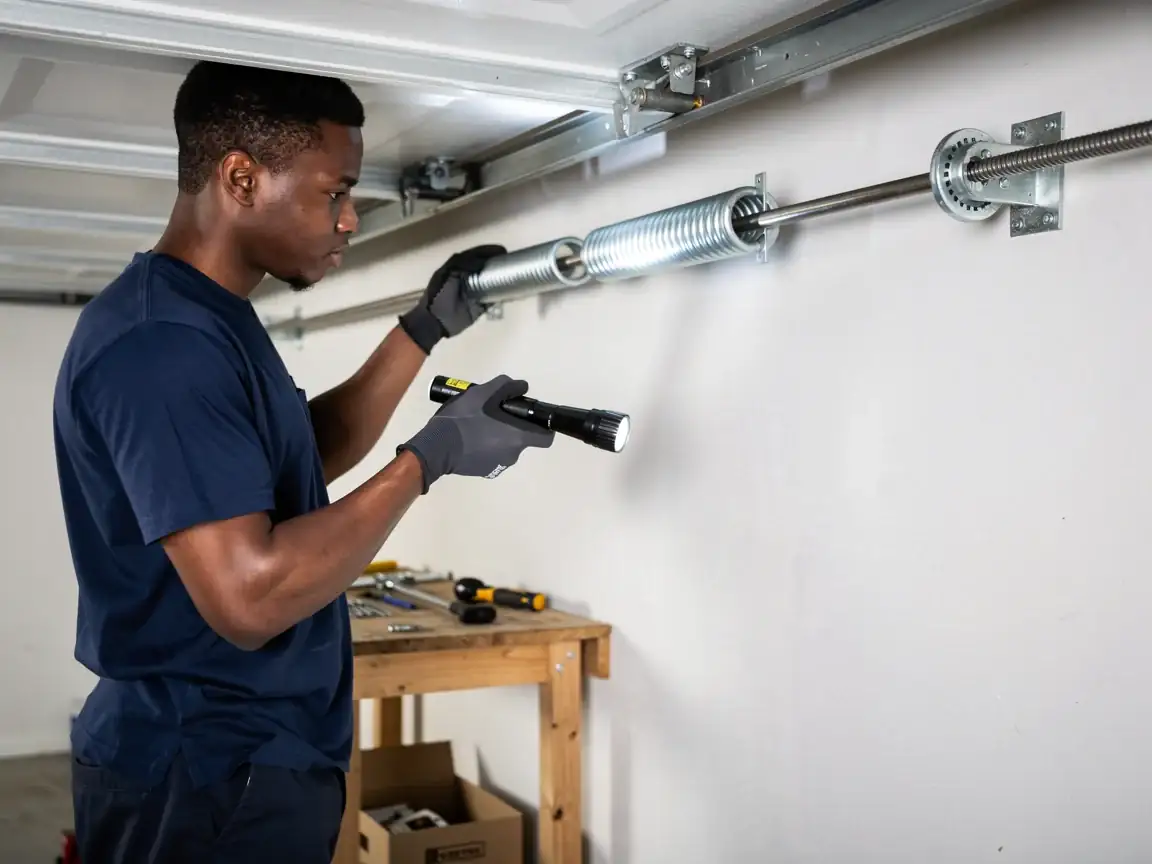
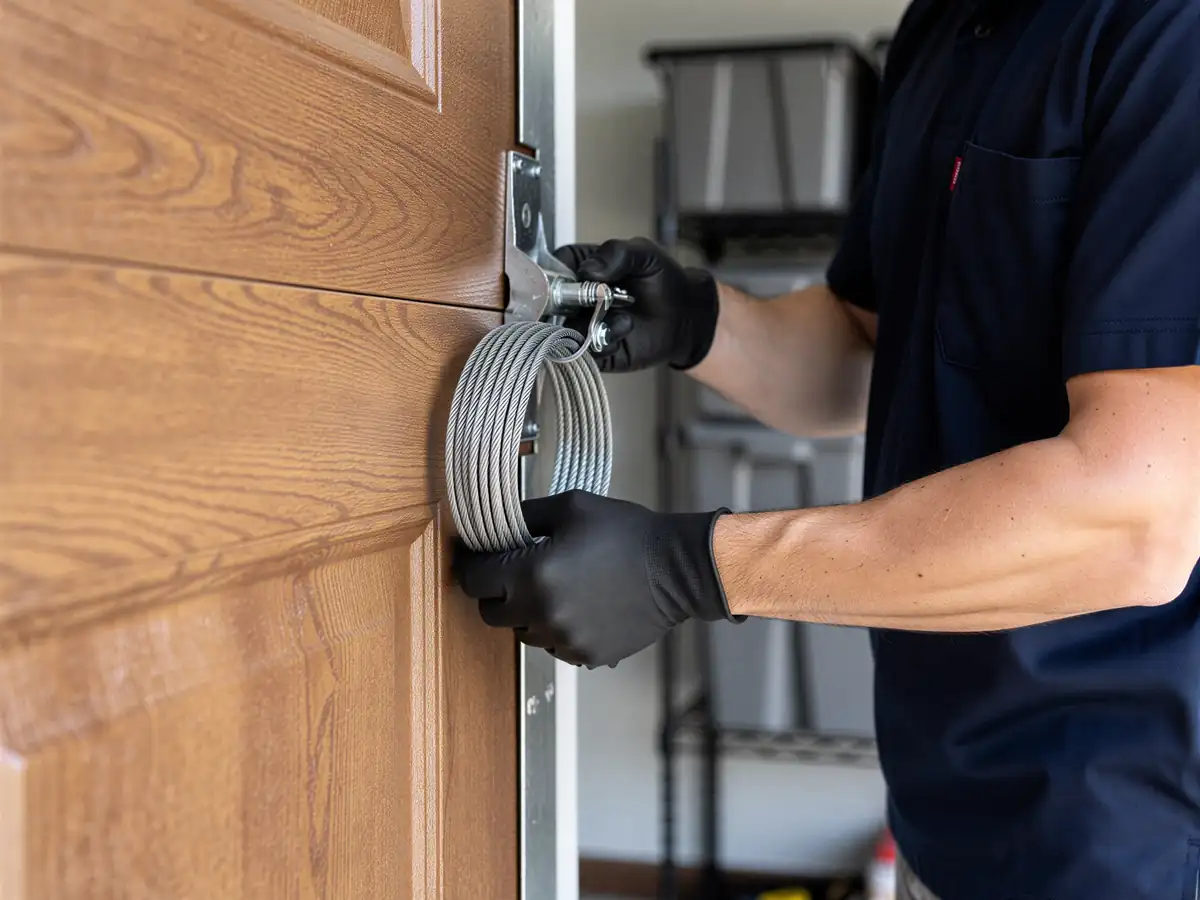
If the spring is original to a 1964 build, the drums and bearing plates holding it are too, and once you're in there replacing a torsion spring you're often looking at a cable that's one bad wind away from snapping and a center bearing that's seized dry. We've opened up more than one job that was quoted as a spring swap and turned into a full torsion assembly because the hardware around the failed part had worn in sympathy with it.
The other place it goes sideways is opener mounting
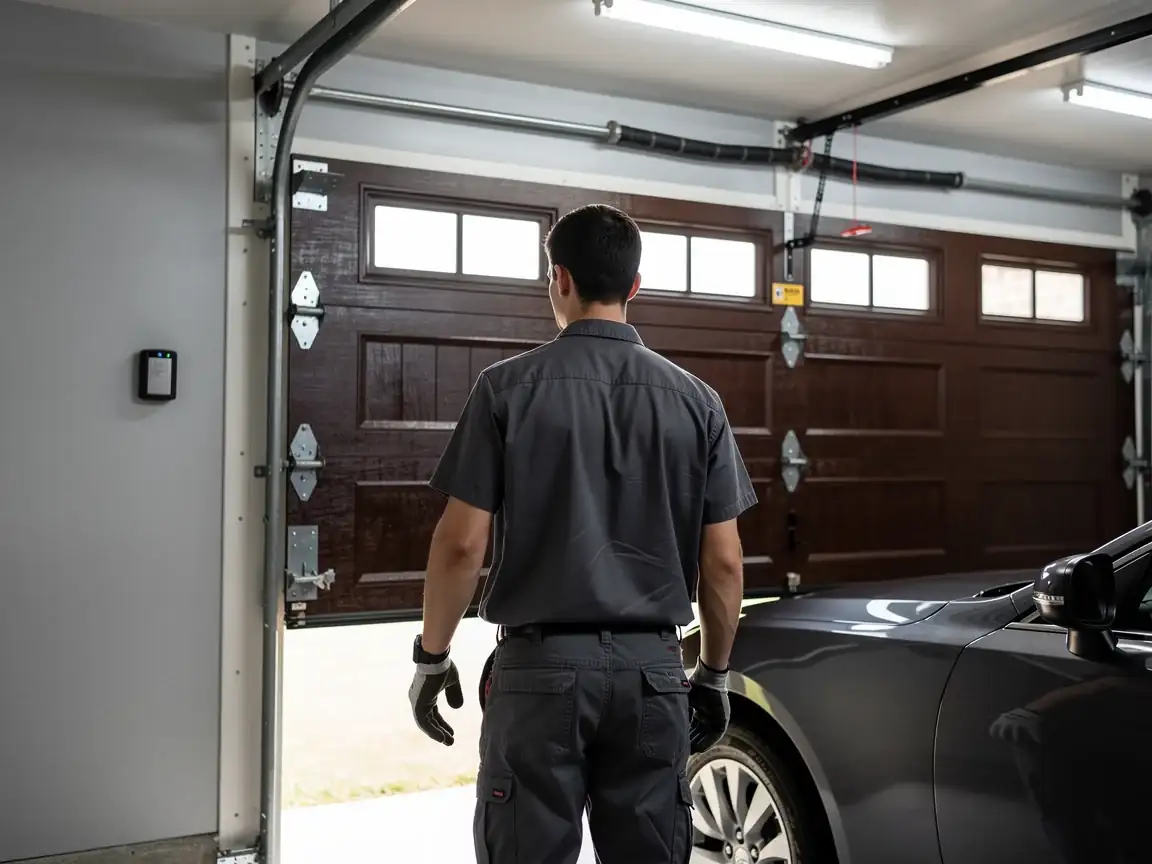
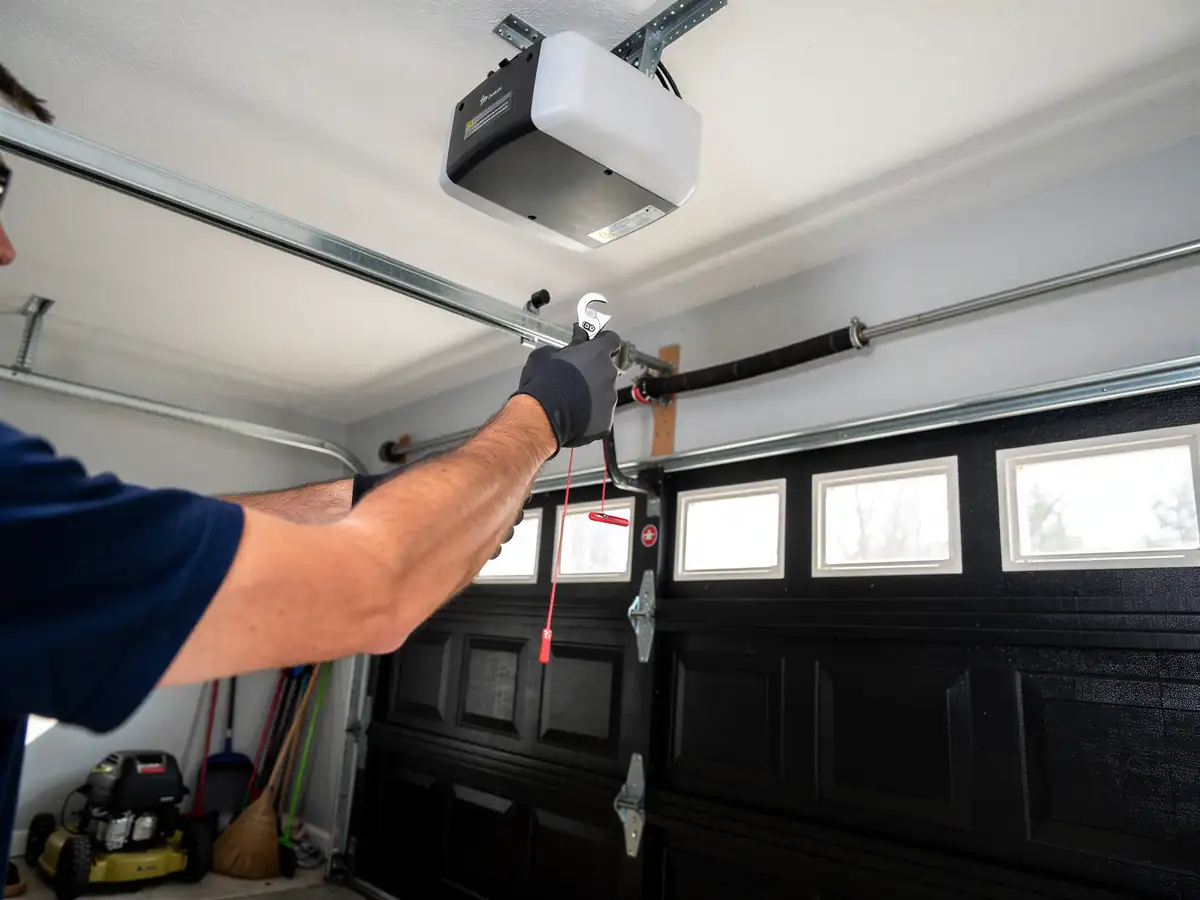
A lot of these garages got openers added well after the house was built, bolted to a header or rafter that was never engineered for the load, or wired through a switch setup that's been patched more than once. We won't bolt a new opener to bad backing and call it done - if the mount isn't sound, that's a separate repair before the opener repair means anything. It's not the job anyone wants to hear about, but it's the honest one.
Parts We Carry
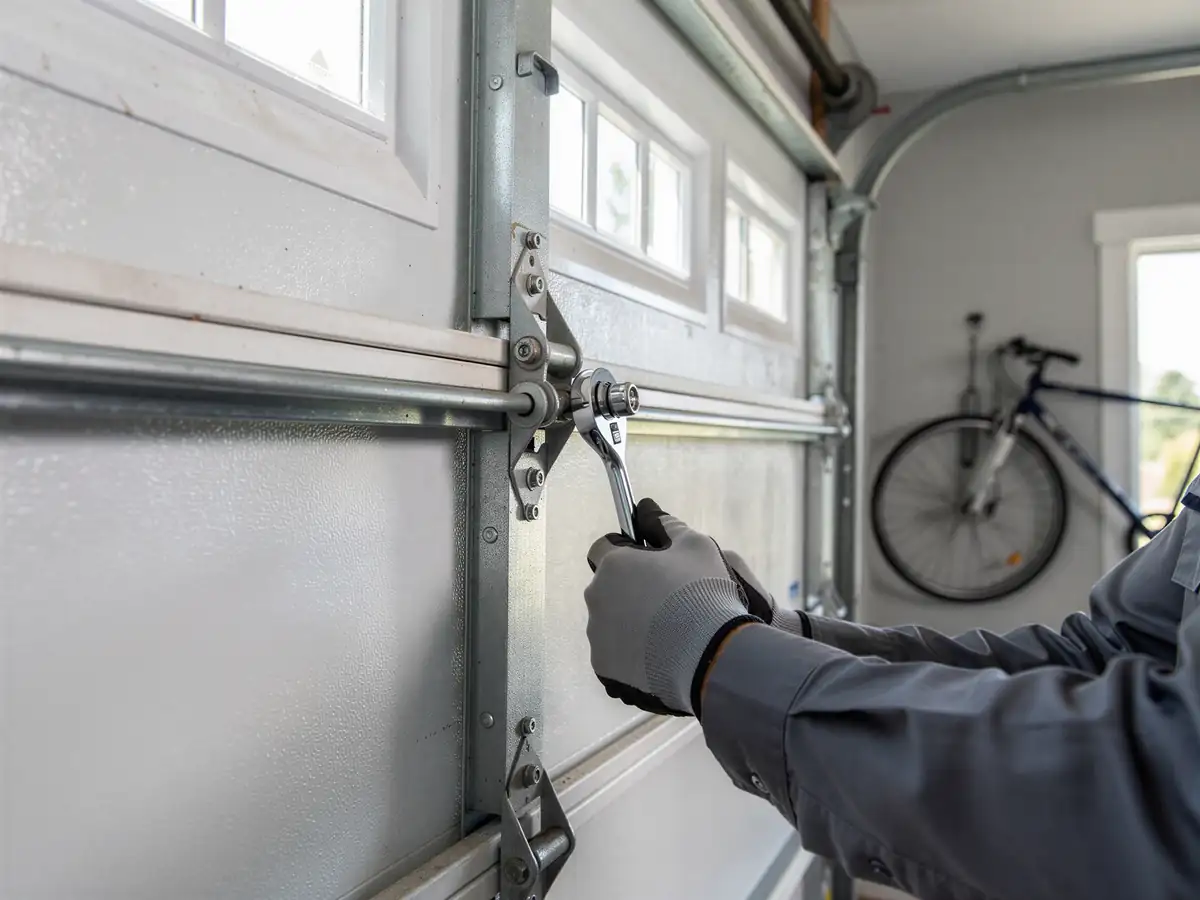
For the torsion springs common to Gardena's housing era, we carry a working range of sizes on the truck rather than guessing and reordering - doors from the 1960s and 70s tend to use a narrower band of spring wire diameters than newer construction, which actually works in our favor on a same-visit fix. We stock standard lift cables, center and end bearing plates, and the rollers that fit the steel track sizing still common on these older single and double-car openings.
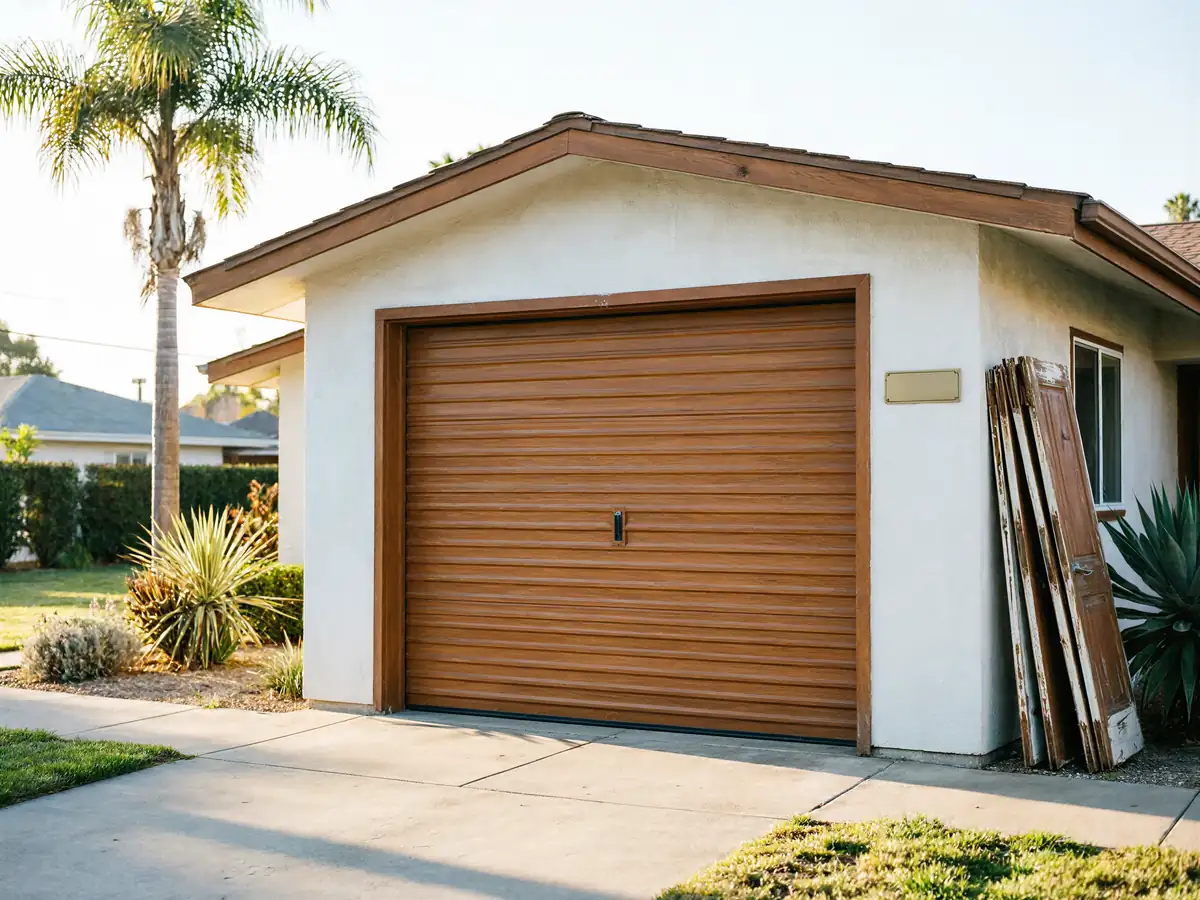
Where we run into limits: if a door is original enough that the track or the panel itself is a discontinued profile, we're not going to pretend a universal part is a perfect match. Some of these older one-piece or early sectional doors use hardware that simply isn't manufactured anymore, and in that case the honest repair is often a full door replacement rather than a patch that won't hold. We'll tell you straight when that's where you've landed instead of selling a part that'll fail again in a year.
Can You Do This Yourself
Rollers and weatherstripping, sure - those are reasonable DIY on a door this age, and replacing worn rollers yourself can buy time before anything bigger fails. Torsion springs are a different matter. A spring sized for a door built around 1964 is under real load, and winding or unwinding it with the wrong bar or no bar at all is how people end up in the emergency room, not just frustrated. That's not a scare line, it's just physics - the spring doesn't care how careful you are if the tool's wrong.
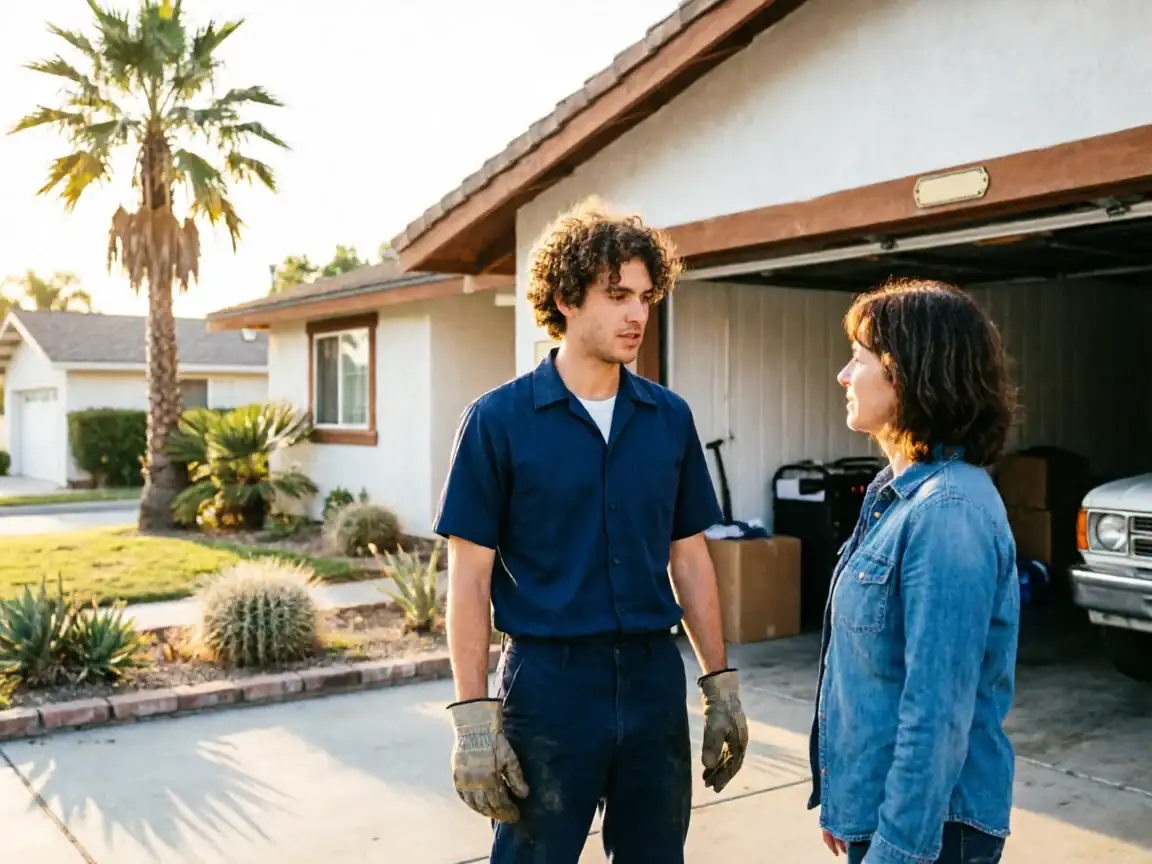
If the opener is original or near-original and it's the circuit board or the motor that's gone, diagnosing that without pulling the cover and testing it is mostly guesswork. We'd rather you call for that one than buy three parts trying to find the right one. We come from Redondo Beach, about 6 miles out, so there's a short travel window built into any visit - plan around that rather than expecting a same-hour drop-in.