What Causes It Around Here
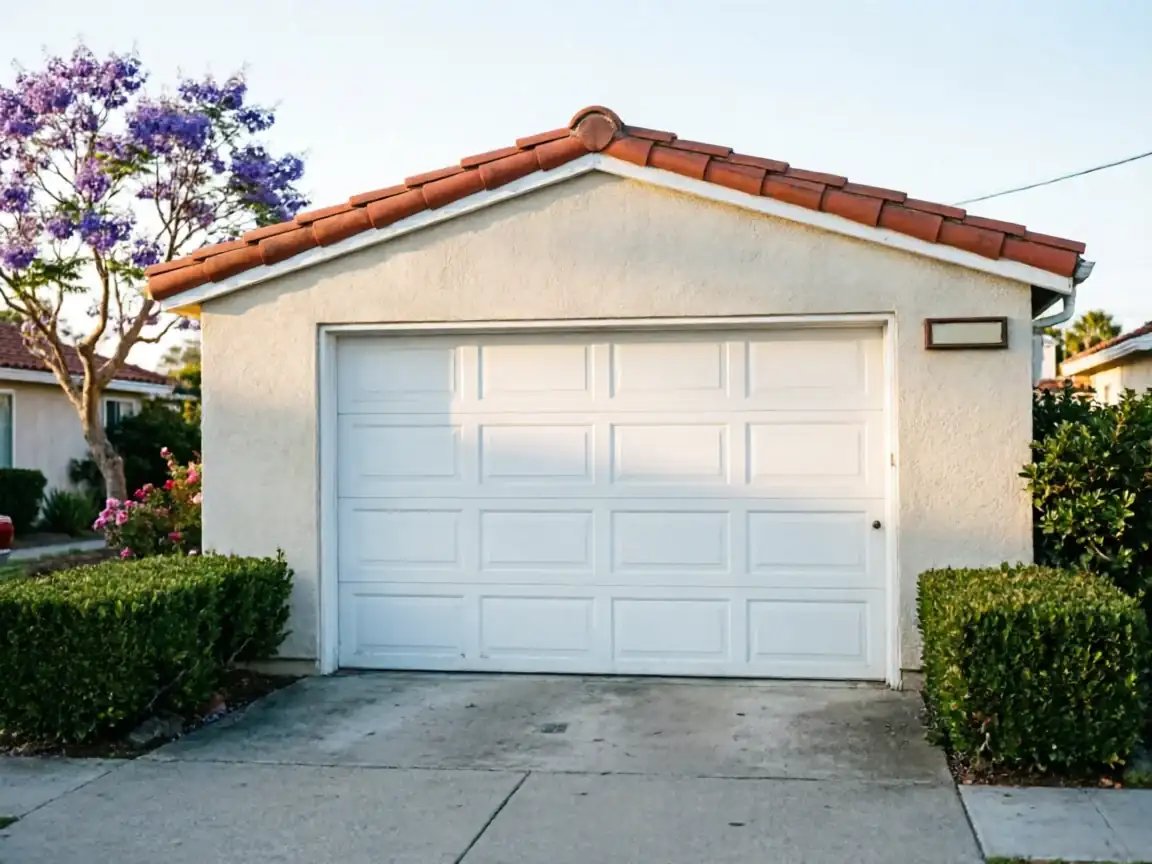
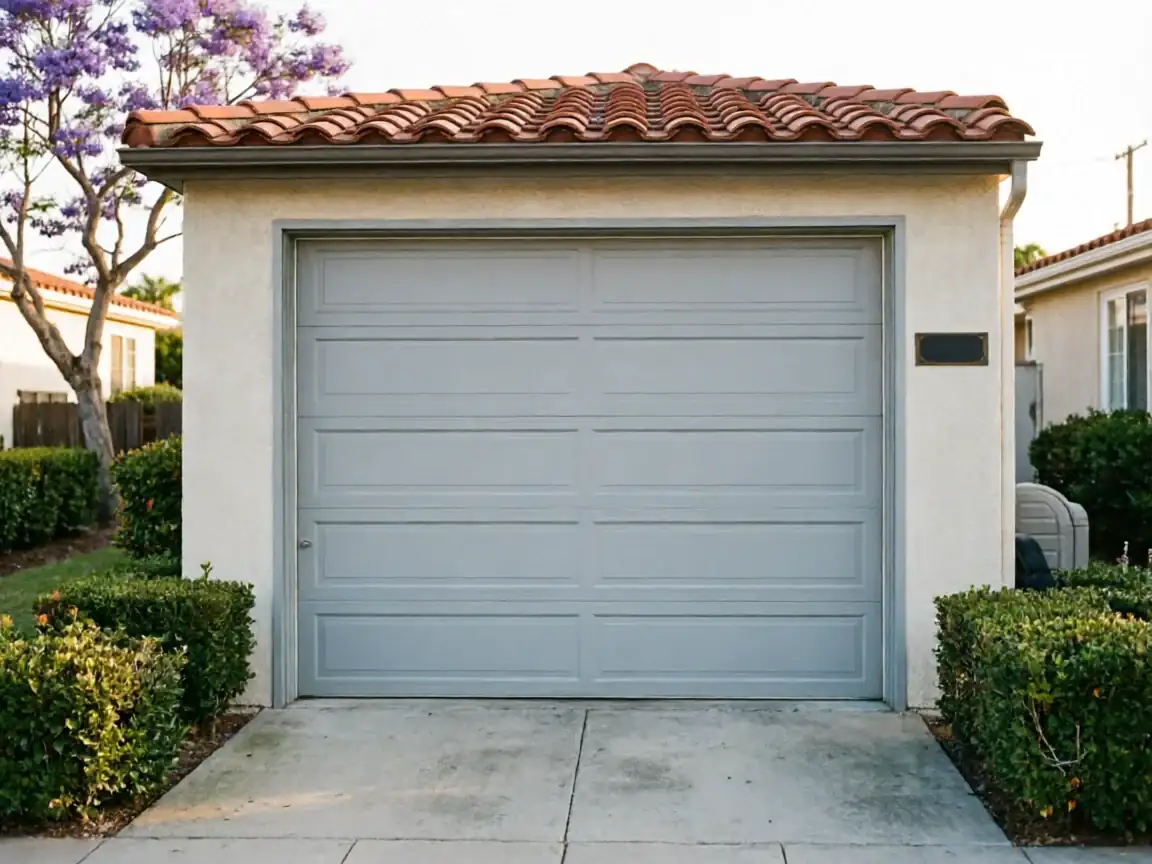
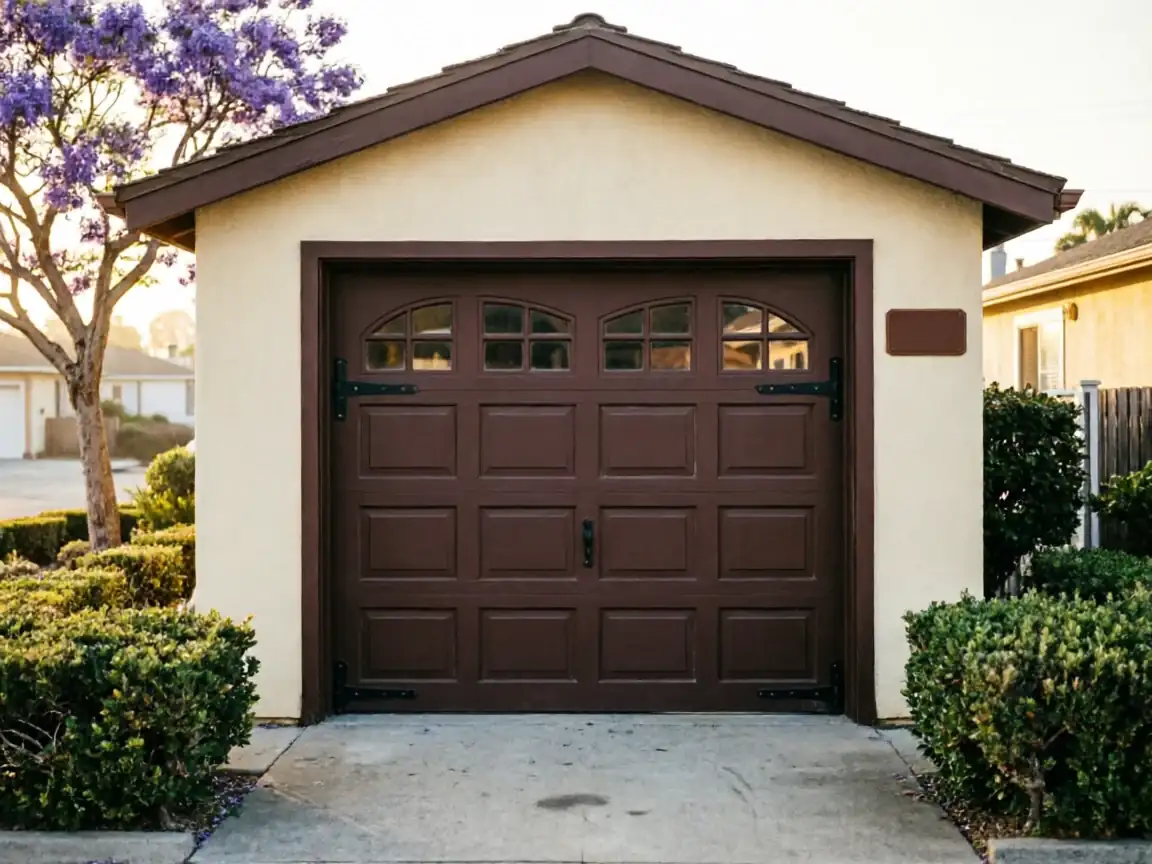
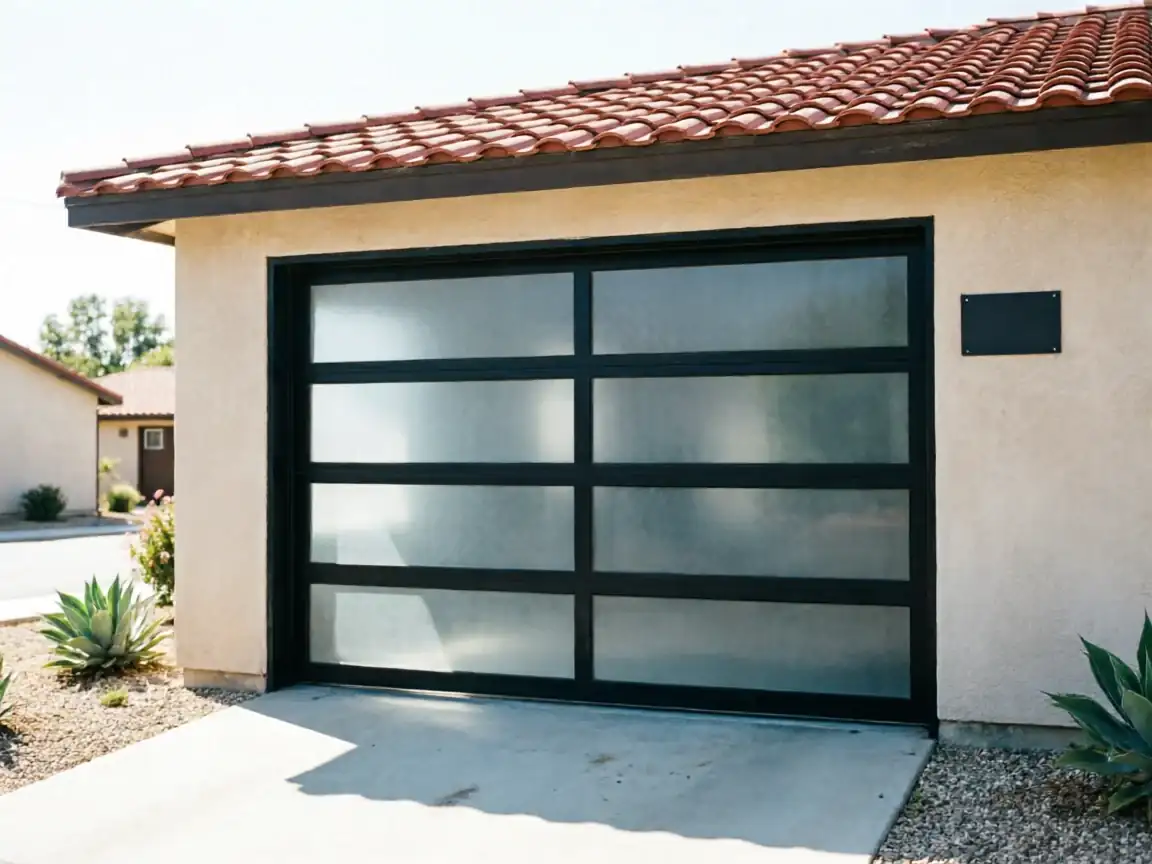
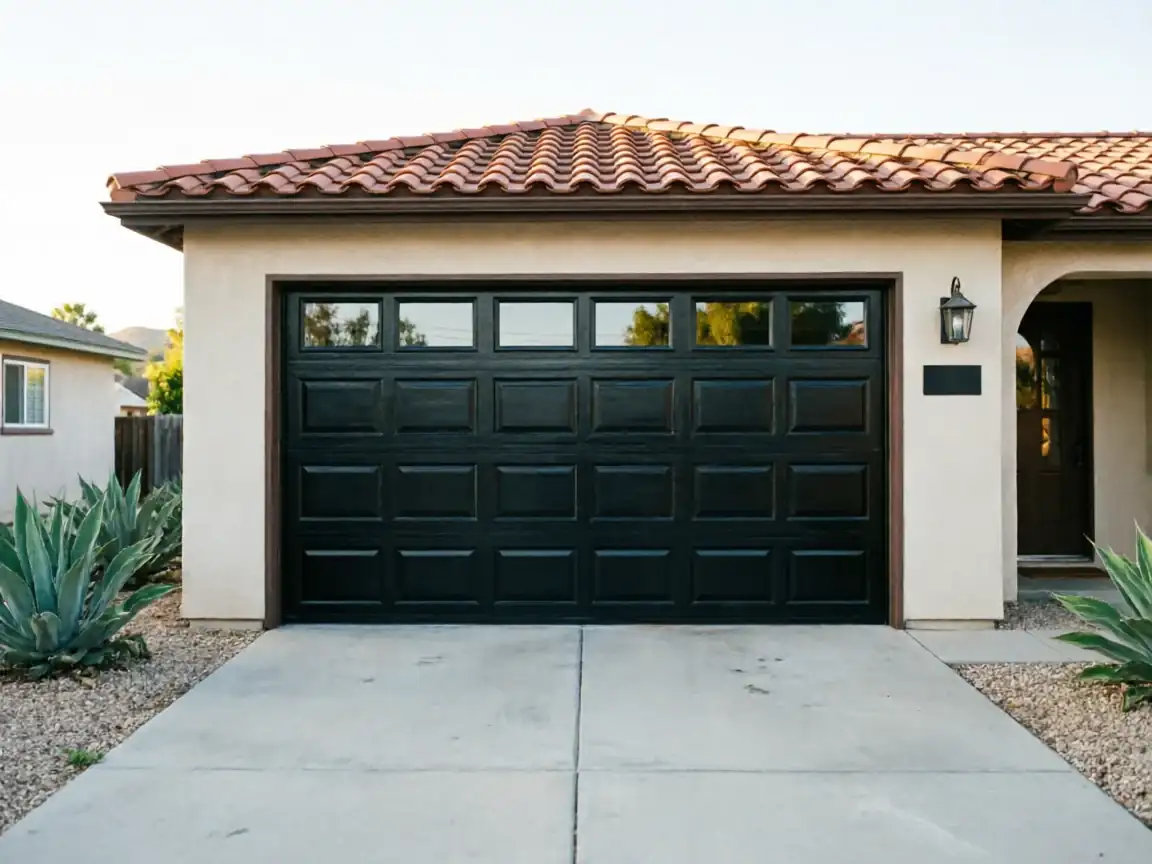
Gardena's housing stock centers on 1964, which puts it almost dead center in the service area's broader 1947-2012 build range. That's not a coincidence of record-keeping - it means the garages here were framed, hung, and hardwared during the same wave as most of the rest of the territory we cover out of Redondo Beach, and they're aging out together.
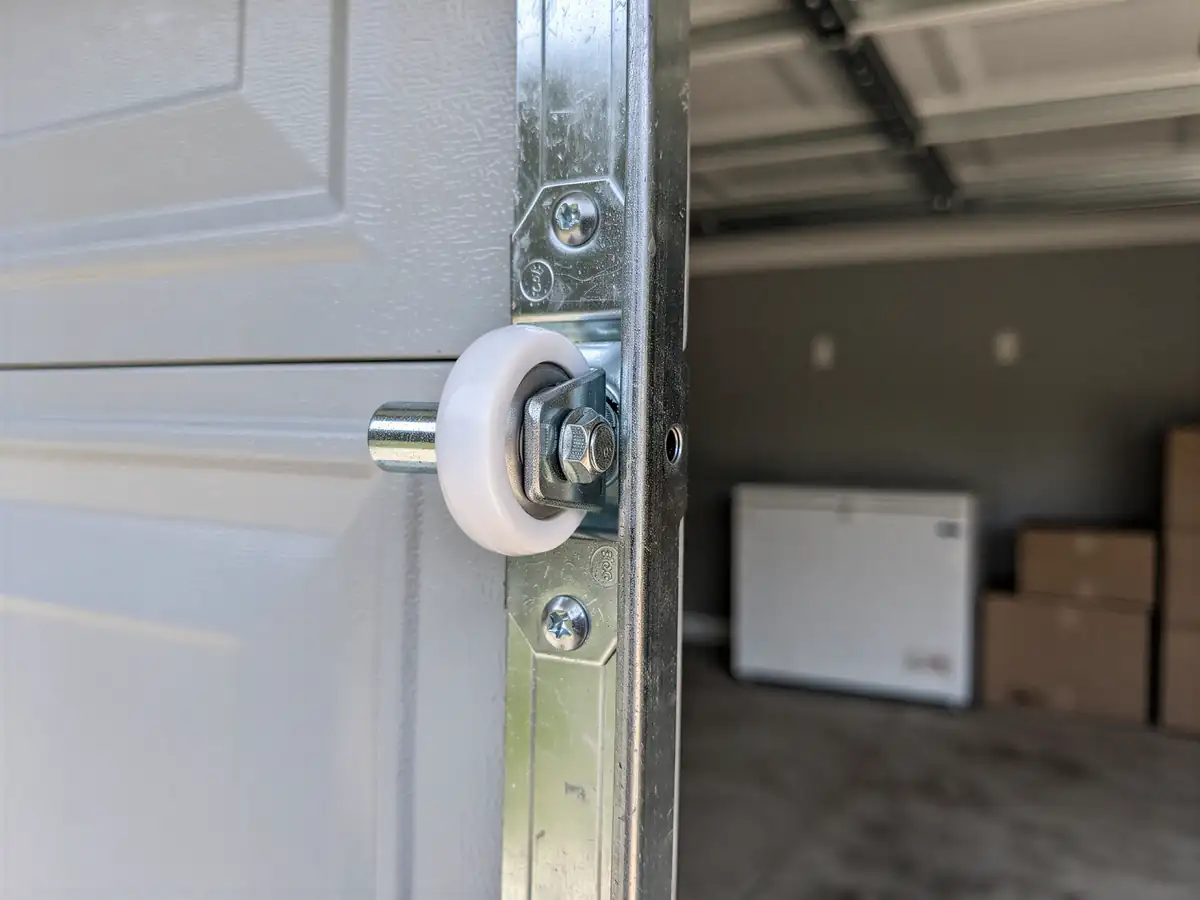
Most of those doors came with steel rollers riding in stamped-steel tracks, the standard setup for that era. Fifty-plus years of cycles on steel rollers means flat spots, dry bearings, and a door that chatters or hangs up partway through the run. The region's mild temperate climate hasn't rusted these out the way a wetter or colder place would - the wear here is mechanical, not weather-driven. Rollers just wear down from use, not from sitting out in salt air or freeze-thaw cycles.
At $79,291, median household income in Gardena runs noticeably below the $92,920 figure for the wider area we serve. That gap matters on this specific job: a roller swap is one of the cheaper garage door repairs there is, and for a lot of these houses it's the right call instead of pulling the whole track or replacing the door.
Where This Job Goes Sideways
The roller swap itself is simple
Where it goes sideways is when a homeowner - or a handyman - assumes a worn roller is the whole problem and doesn't check what's underneath it. On a door built in the 1960s or 70s, the track itself has often racked out of alignment over the decades, and dropping new rollers into a bent track just buys you a few quiet weeks before the noise comes back.
The other place it goes wrong is matching roller type to the hardware already on the door
Older Gardena garages frequently still run the original stem length and roller stem diameter, which doesn't always match what's on the shelf at a hardware store. Put the wrong stem in a worn hinge hole and you get a roller that walks out of the track under load - usually on the heaviest door in the house, usually at the worst time.
We don't carry a stocked branch in Gardena; we run the job from Redondo Beach, six miles out
That means we load the rollers, bearings, and hinge hardware most likely to match this area's housing stock before we leave, rather than discovering a mismatch on site and driving back.
Parts We Carry
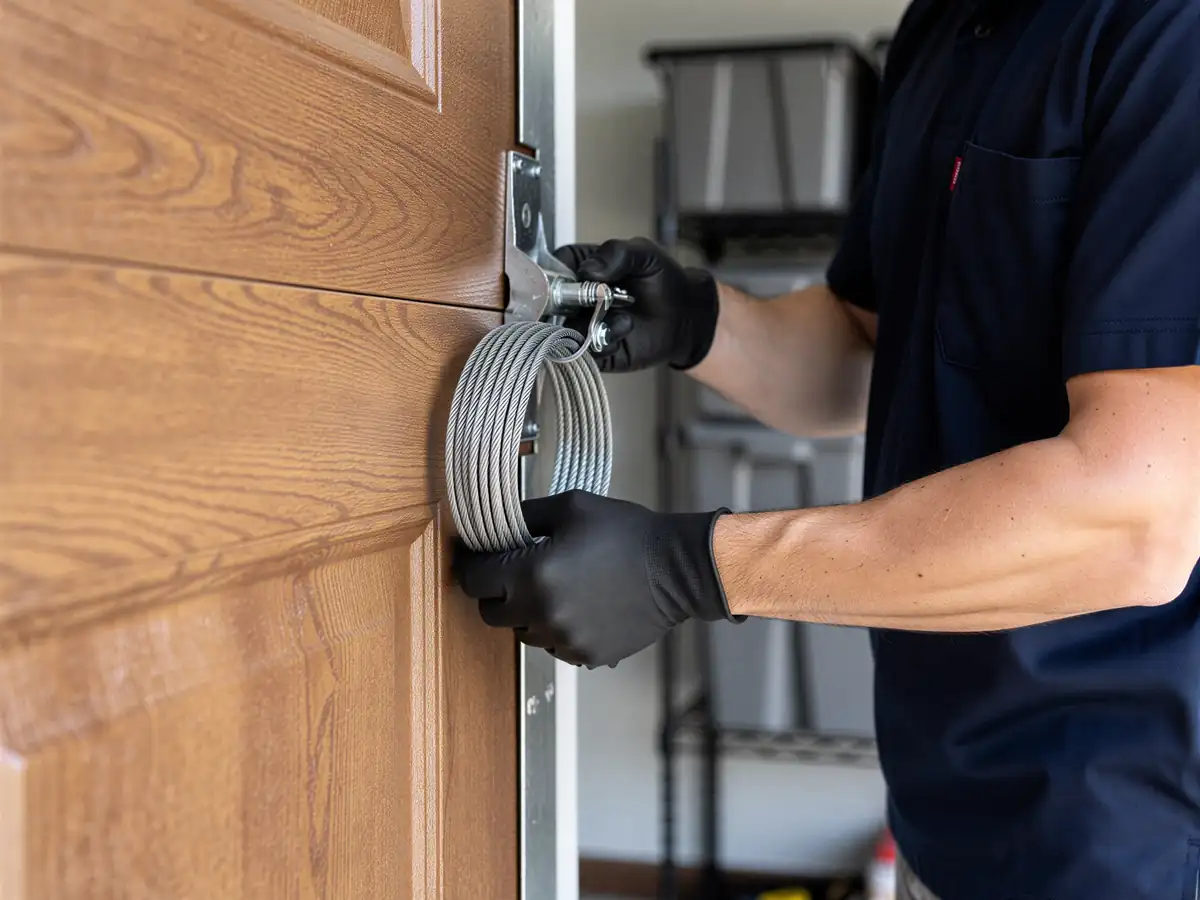
For Gardena's housing stock, that mostly means steel rollers with sealed bearings as a direct swap for the original equipment, and nylon rollers with sealed bearings where a homeowner wants quieter operation and is willing to trade a little stiffness for it. Both come in the stem lengths and diameters that match 1960s and 70s track hardware, which is what's on the great majority of these doors.
We also carry the matching hinges and center bearing brackets, because a roller rarely fails alone - the hinge hole it rides in has usually worn oblong by the time the roller itself is shot, and putting a new roller in a worn-out hinge just moves the rattle, it doesn't fix it.
What we don't stock on the truck is anything custom - odd-size commercial track rollers or rollers for doors that have already been retrofitted with non-standard hardware. If a previous repair put something unusual on the door, that's a call-ahead item, not a same-visit swap.
Can You Do This Yourself
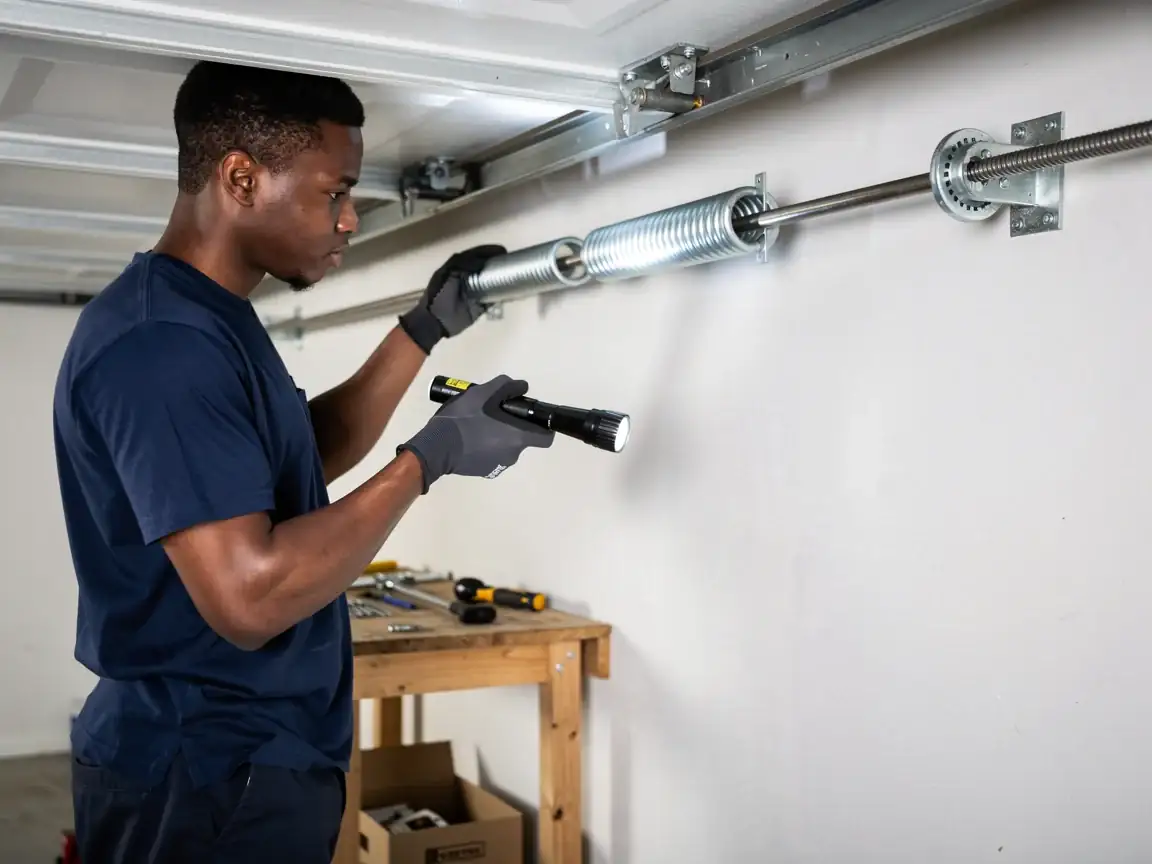
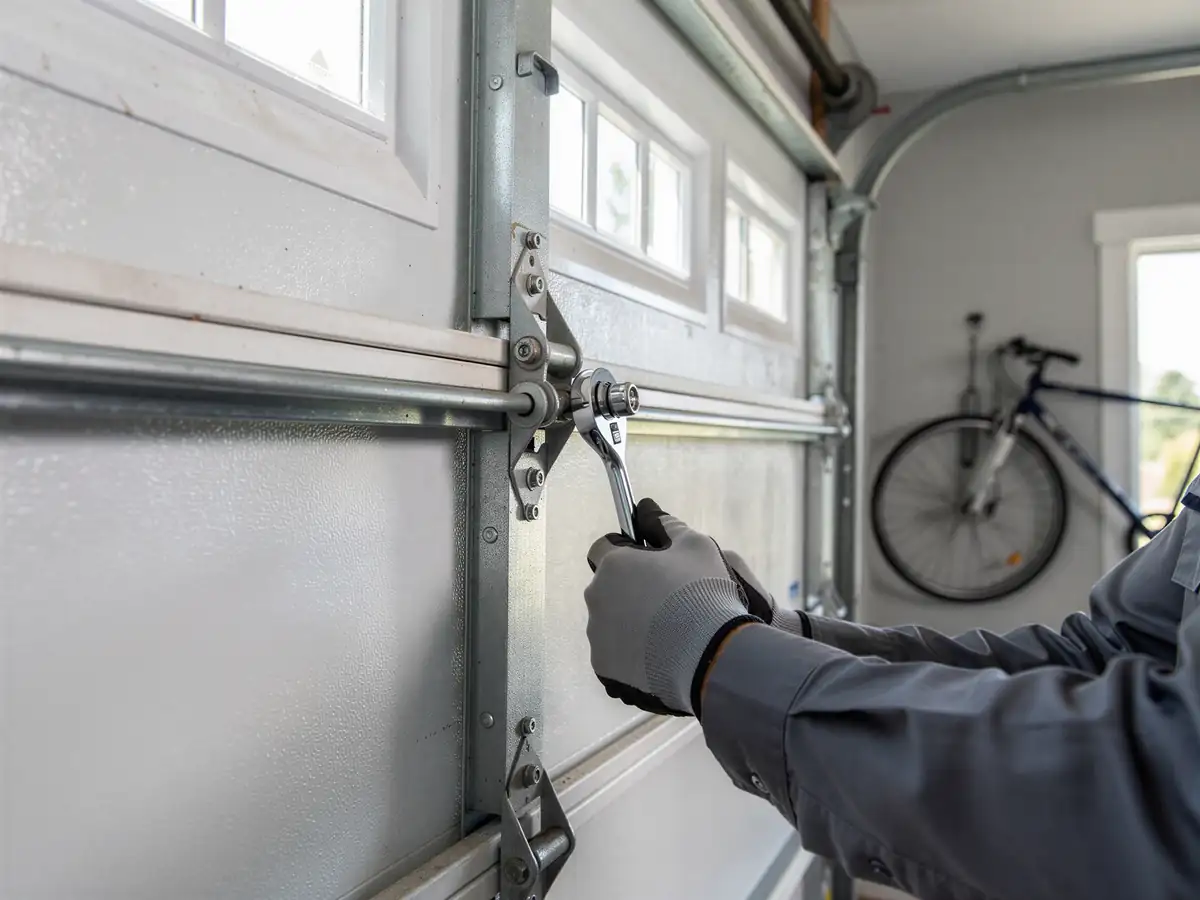
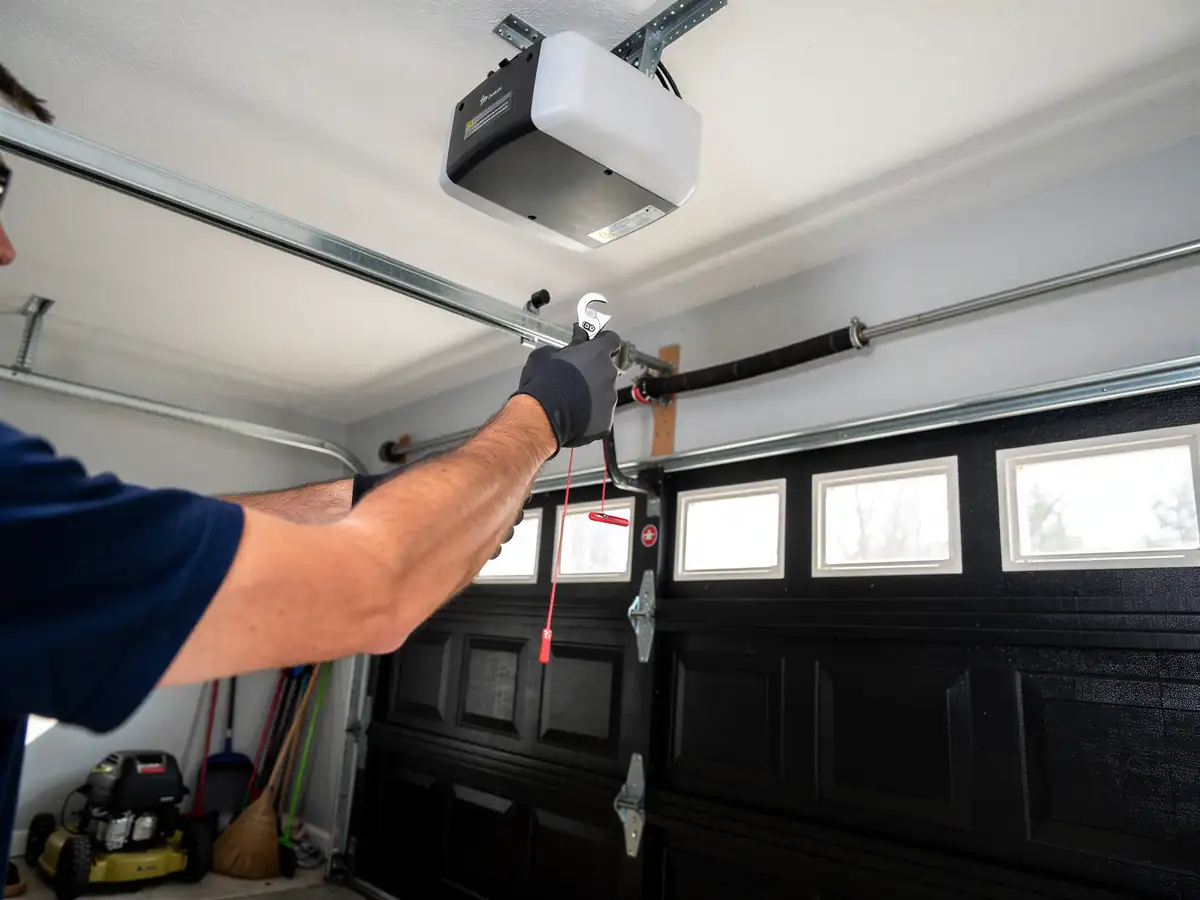
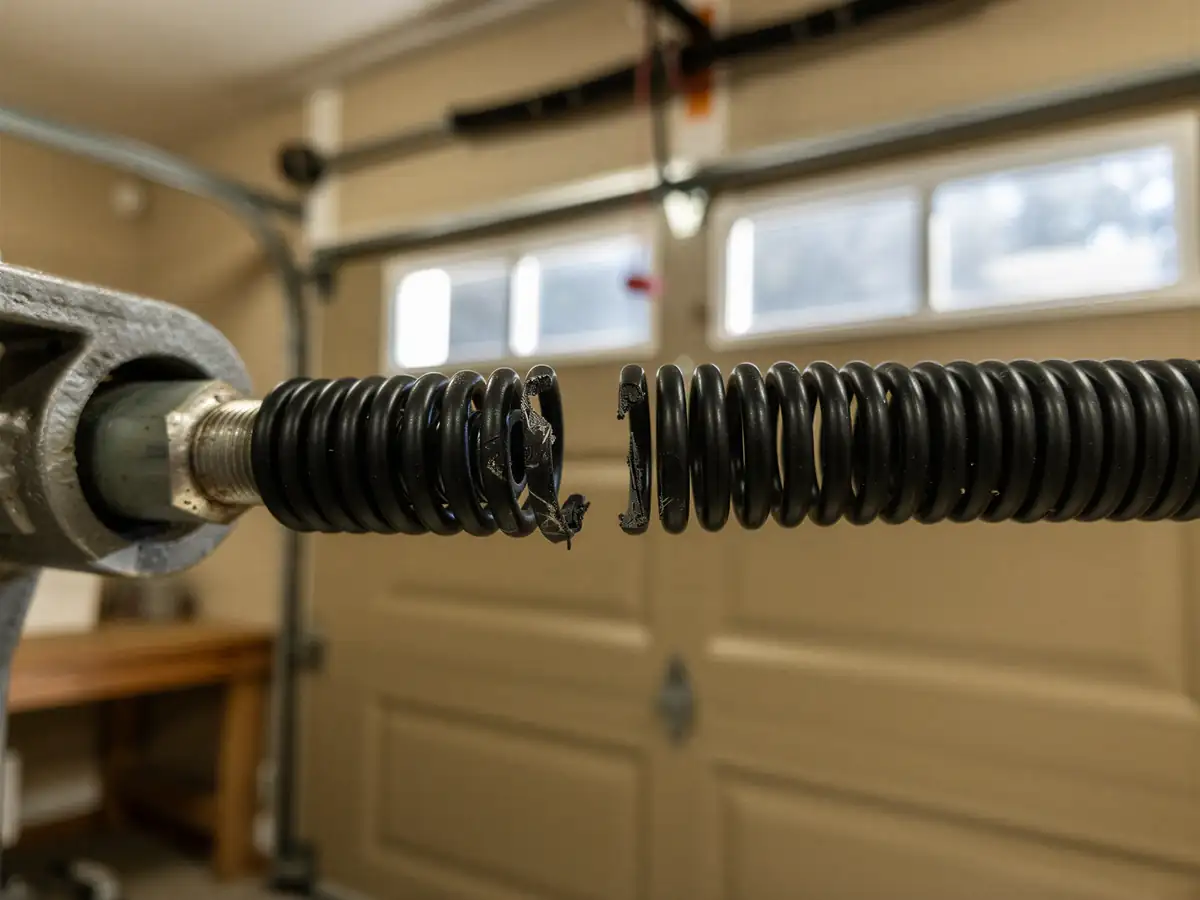
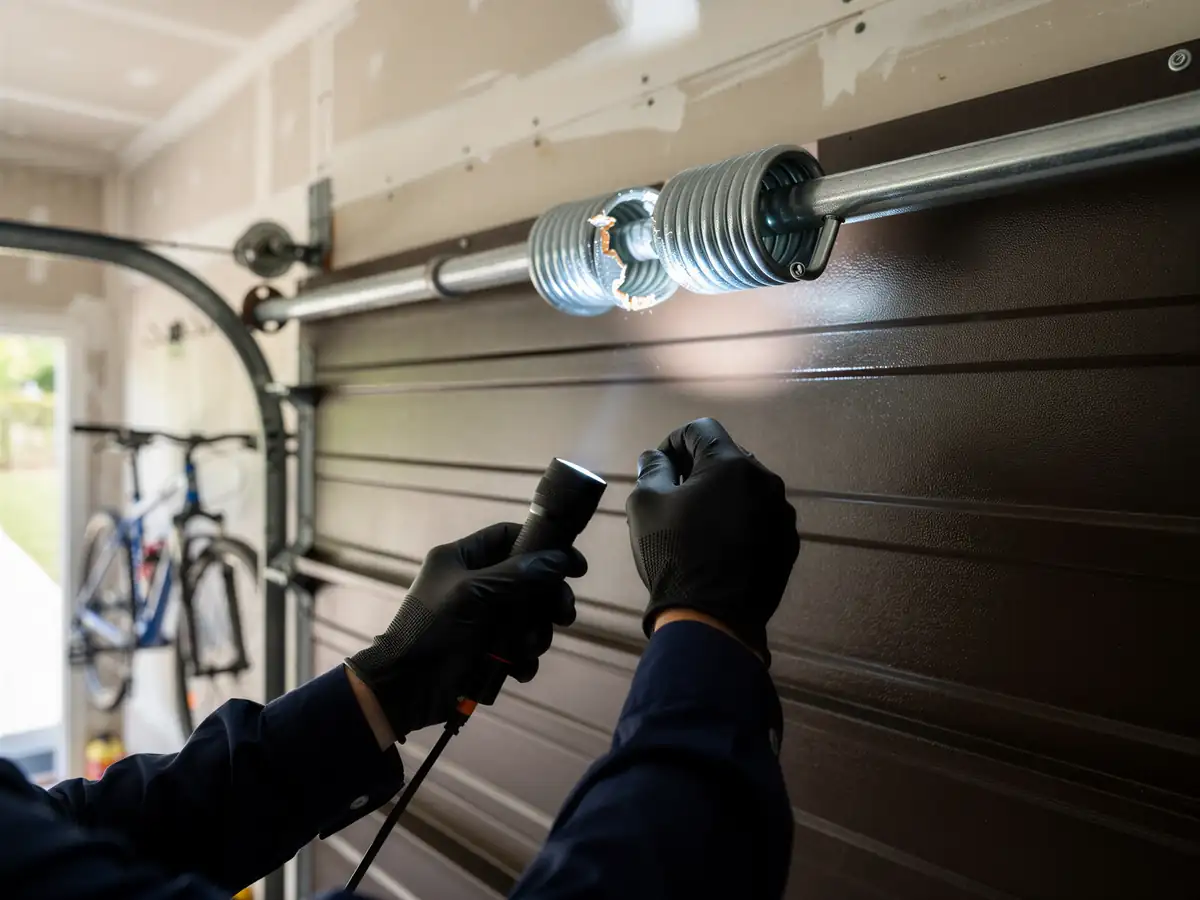
Replacing bottom rollers on a door that's down and disconnected from the opener is within reach for someone comfortable with hand tools - it's a few bolts, a bracket, and a roller stem. The two rollers at the top of the door, the ones riding near the spring under tension, are a different matter. That's where fingers get caught and where a mistake on a torsion system can put real force into a small space fast.
Given that most doors in Gardena are now running original or near-original hardware from the 1964-era build wave, there's also a decent chance what looks like a simple roller job turns up a bent track or a worn-out hinge once you're in there. If you start the job yourself and find either of those, that's a reasonable point to stop and call it in rather than keep working on hardware that's past matching with store-bought parts.