What Causes It Around Here
Start with the money, because it decides more than the hardware does. Gardena's median household income is $79,291, noticeably below the $92,920 median across the wider service area we work in. That gap matters when an opener dies: a $79,291 household is a lot more likely to ask us to repair a tired unit one more time than to green-light a full replacement with a battery backup and smart-phone app, and we don't push back on that. We quote both and let the number decide.
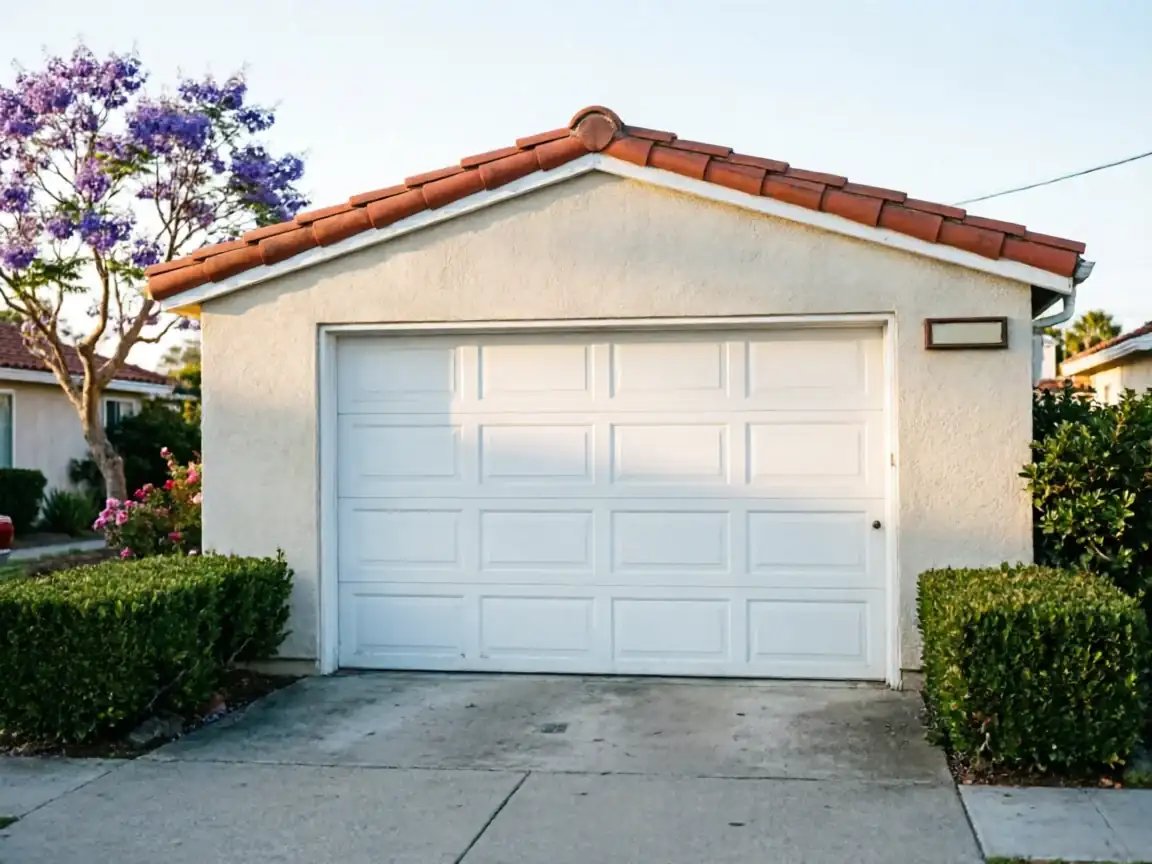
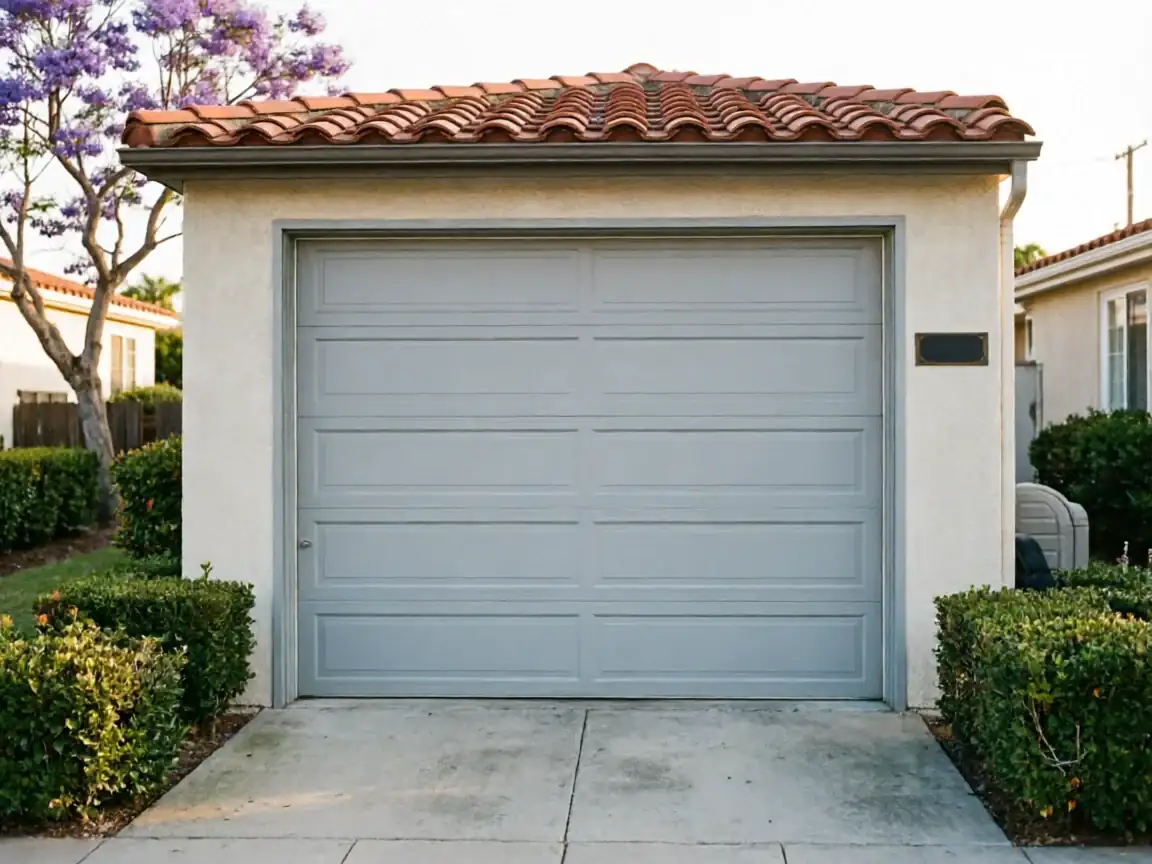
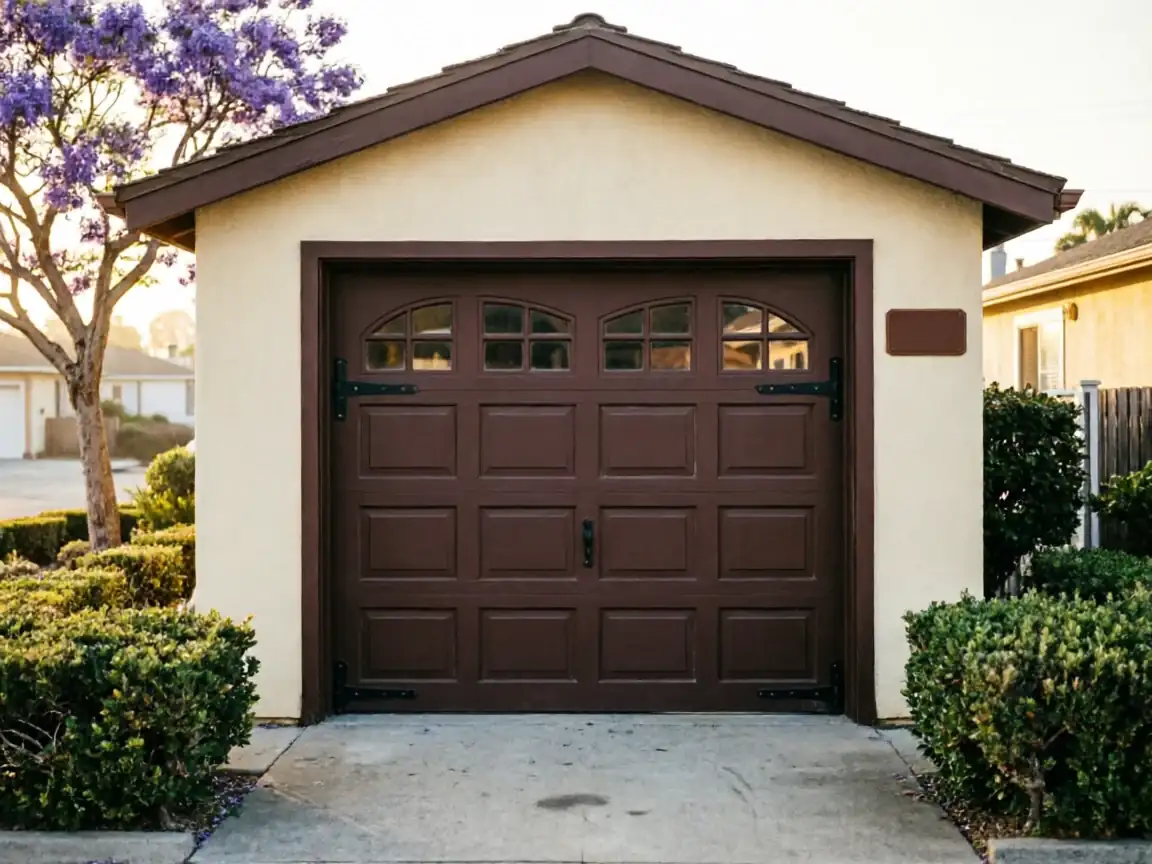
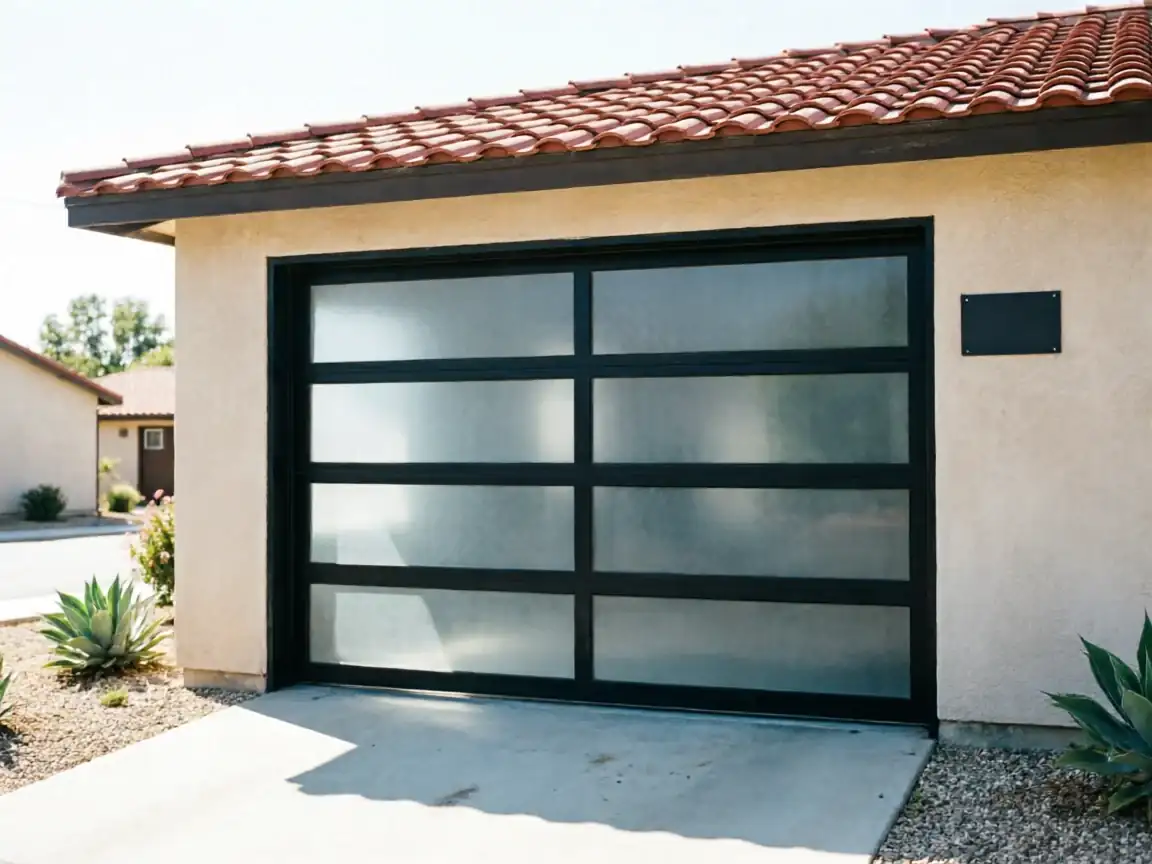
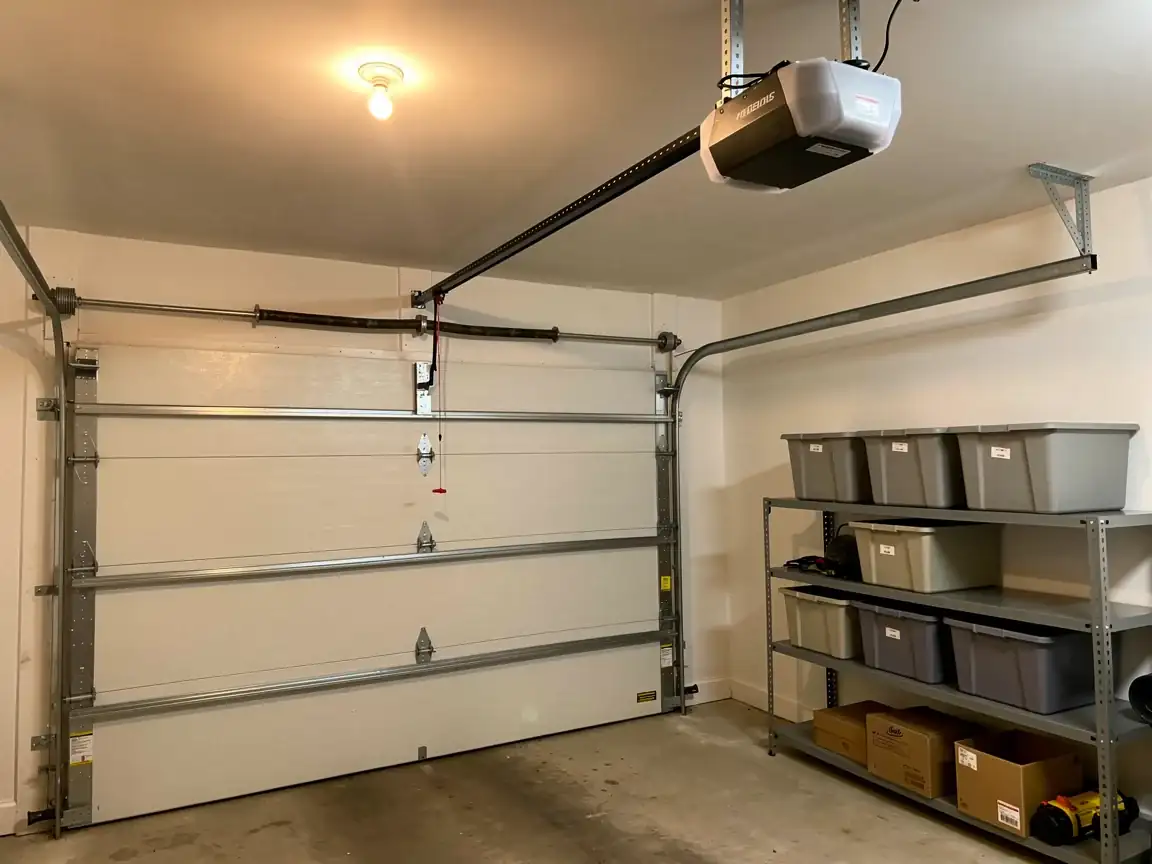
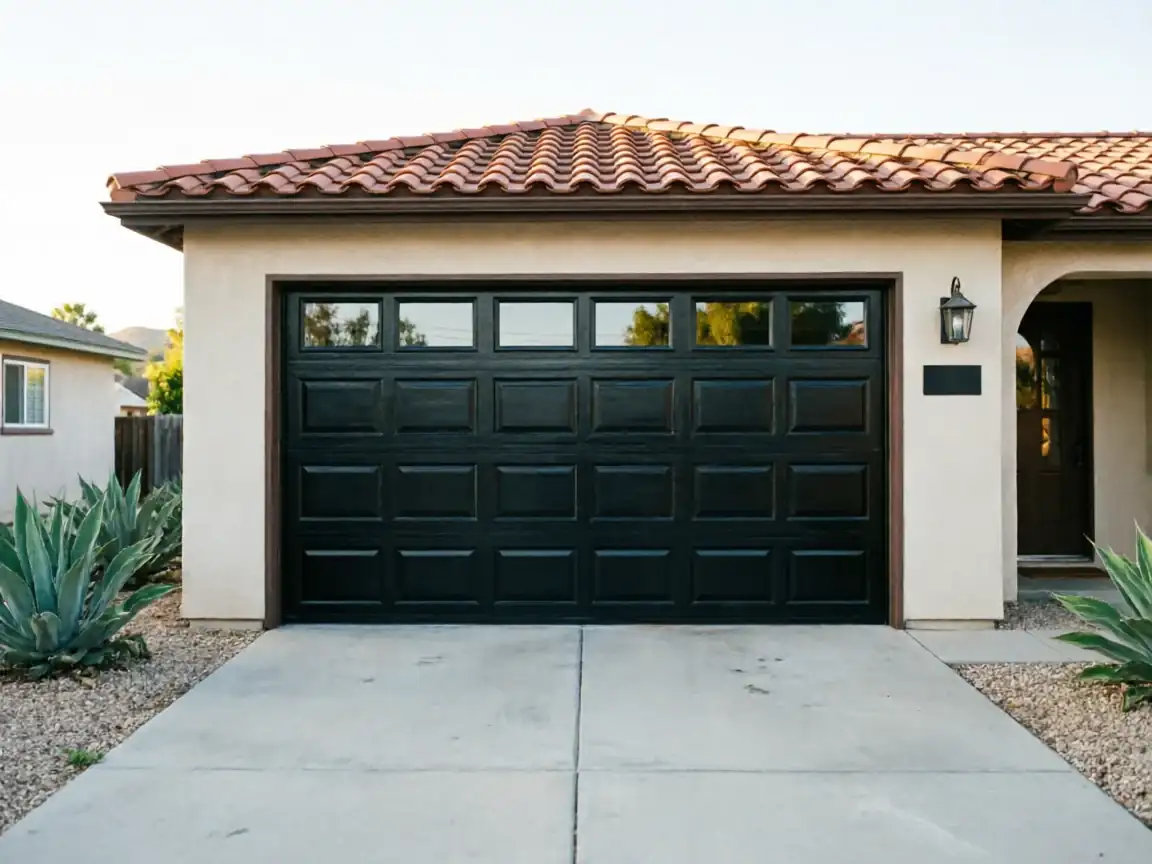
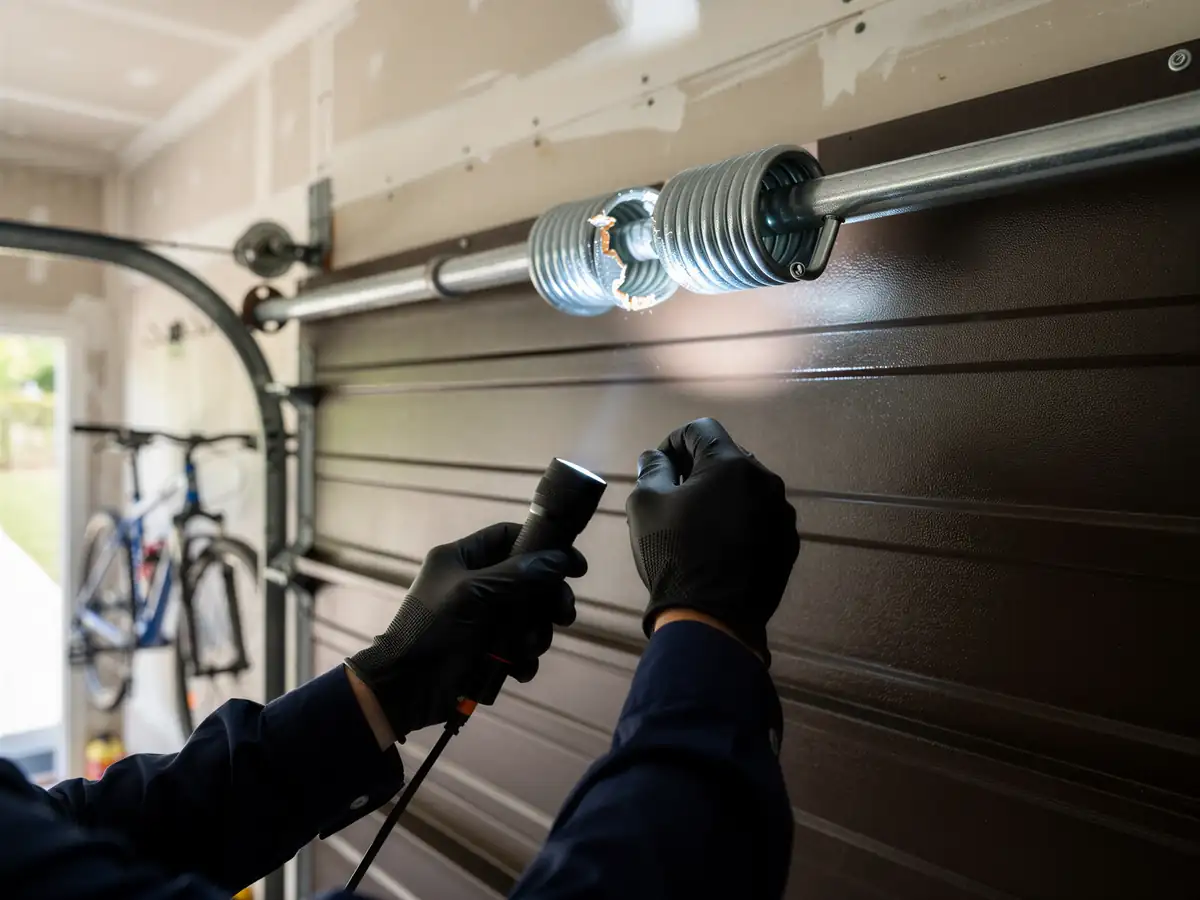
The houses themselves point the same direction. Gardena's housing stock runs mostly 1960s and 70s, with a median build year of 1964. A garage built in 1964 usually has the original chain-drive opener from a later retrofit, a 1/3 HP motor straining against a heavier door than it was sized for, and a header bracket that's never been touched since the day it went in. None of that is dangerous by itself, but it's the reason openers in this part of town tend to die from mechanical fatigue rather than electronics failure - stripped gears, worn drive chains, motors that run hot and quiet-down slowly.
Where This Job Goes Sideways
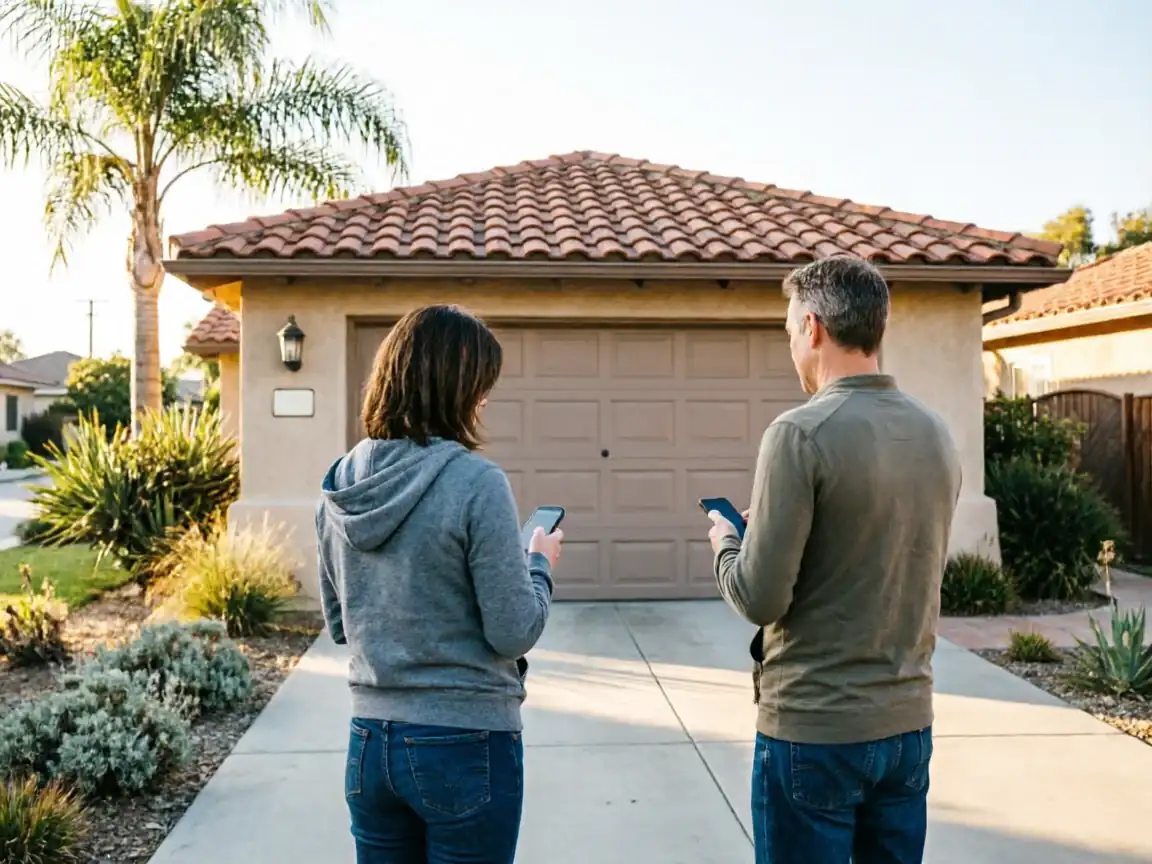
The job looks simple from the driveway: old opener out, new one in
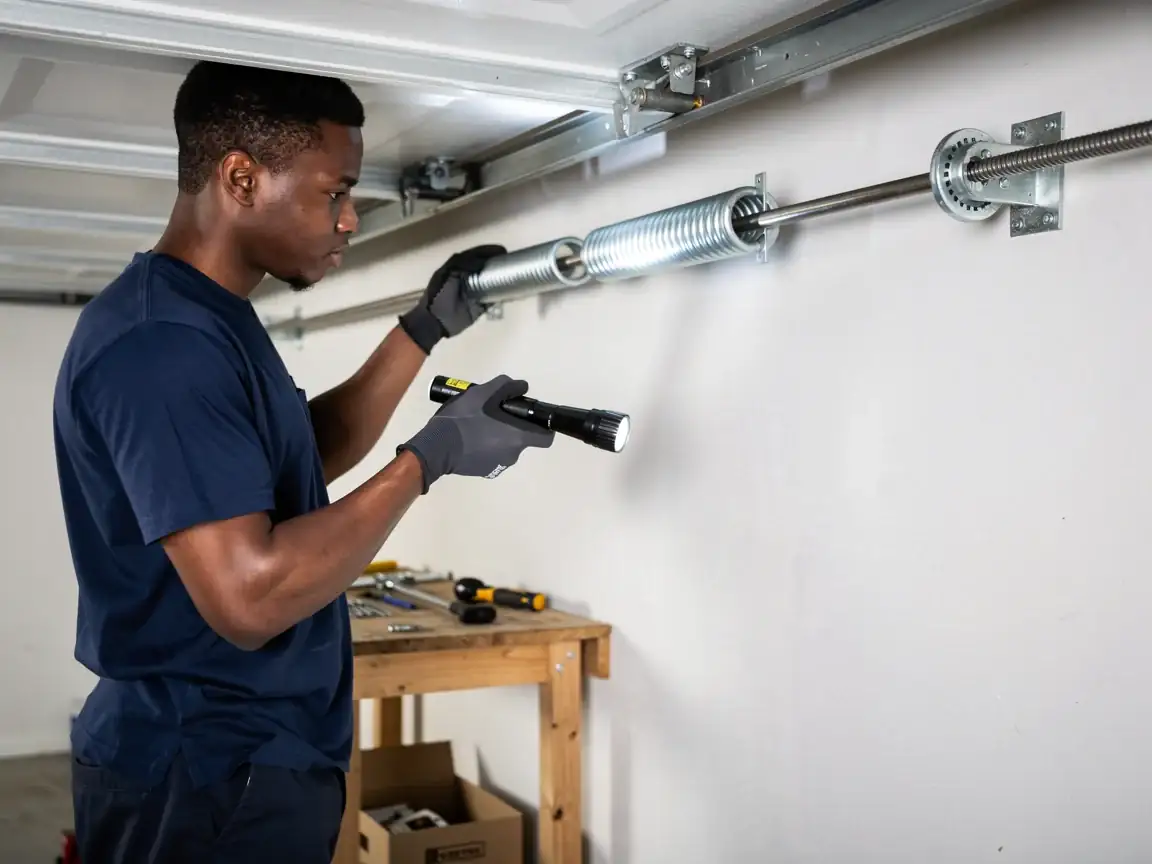
Where it actually goes sideways is the header. A lot of Gardena garages from the 1960s and 70s have a wood header that was sized for a lighter door and a smaller motor, and bolting a modern 3/4 HP unit straight to it without reinforcement is how you get a sagging opener rail six months later.
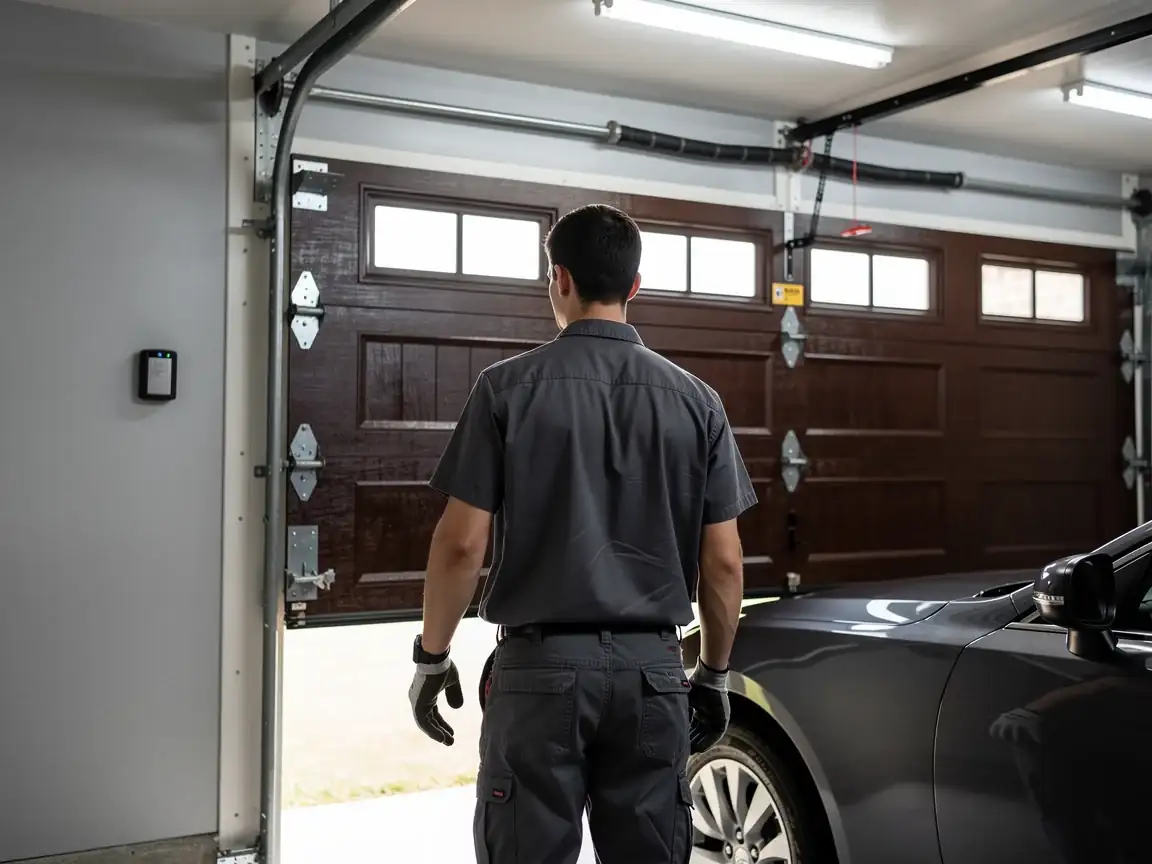
The other spot we check before we touch the opener is the safety reversal system
Houses built in that era predate federal photo-eye requirements, so older installs sometimes have sensors added later, mounted low, out of alignment, or missing entirely. We won't connect a new opener to a door that doesn't pass a safety reversal test - that's not us upselling, that's the opener not working safely with what's already there. We fix that first, then install.
Parts We Carry
We carry belt-drive and chain-drive openers in the HP ranges that fit single and double doors, plus the wall controls, keypads, and safety sensor kits that go with them. For houses still running 1960s-era hardware, we also stock the header reinforcement brackets that let a heavier opener mount to an older frame without flexing it.
One honest limit here: specialty remotes for a handful of older opener brands have gotten harder to source, and if yours is one of those, we'll tell you upfront rather than quote a part we can't get in a reasonable window. In that case, replacing the opener outright is usually the faster and cheaper path anyway.
Can You Do This Yourself
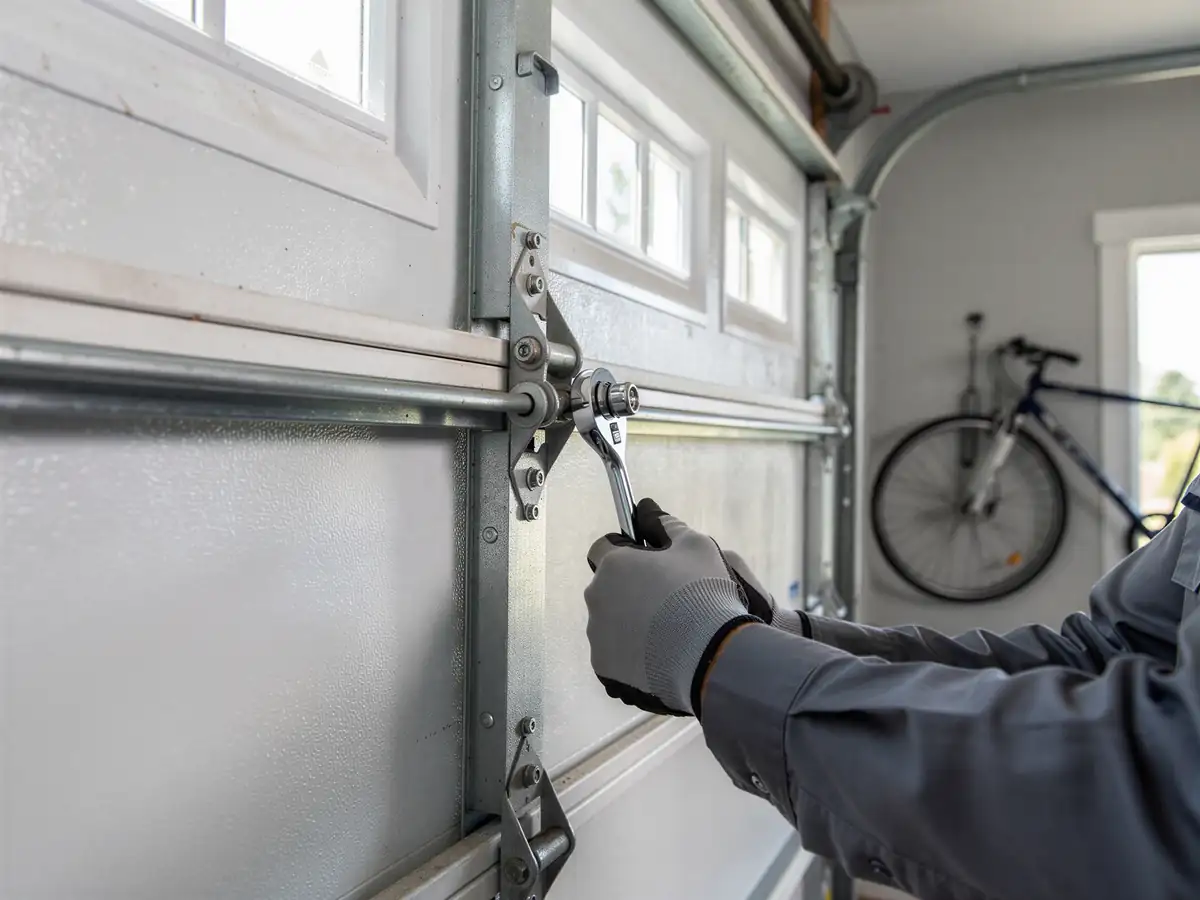
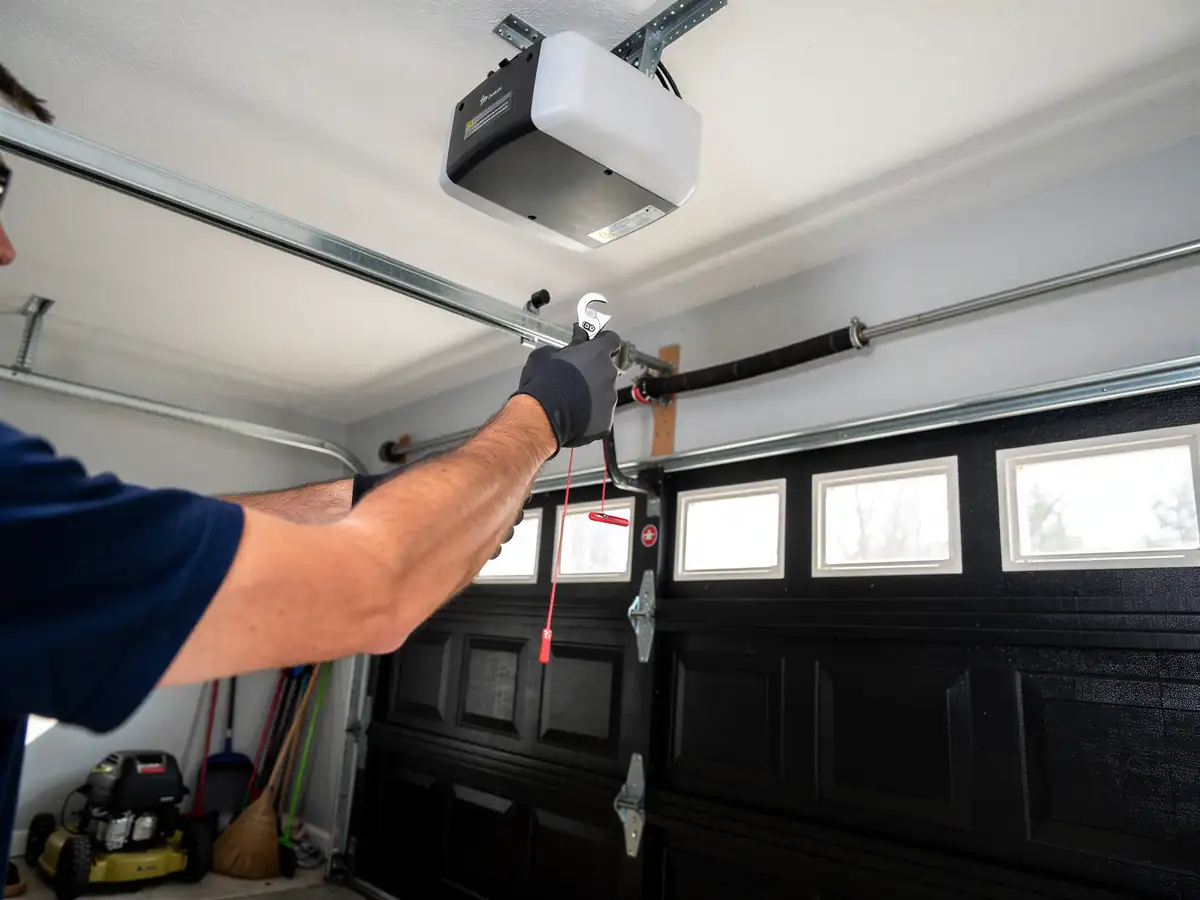
Mounting the rail and the motor head is within reach for someone comfortable on a ladder with basic tools. Wiring the wall control and the safety sensors correctly, and making sure the door actually reverses on contact before you walk away, is the part that trips people up - and it's also the part a mild climate like ours won't excuse you from skipping, because the sensors have to work in every season, not just the easy ones.
If your garage still has the original 1960s header and you're installing a heavier opener than the one coming out, that's the point where we'd tell you to call rather than guess at bracket placement. Get that wrong and the opener works for a while, then starts pulling the header loose.