Parts We Carry
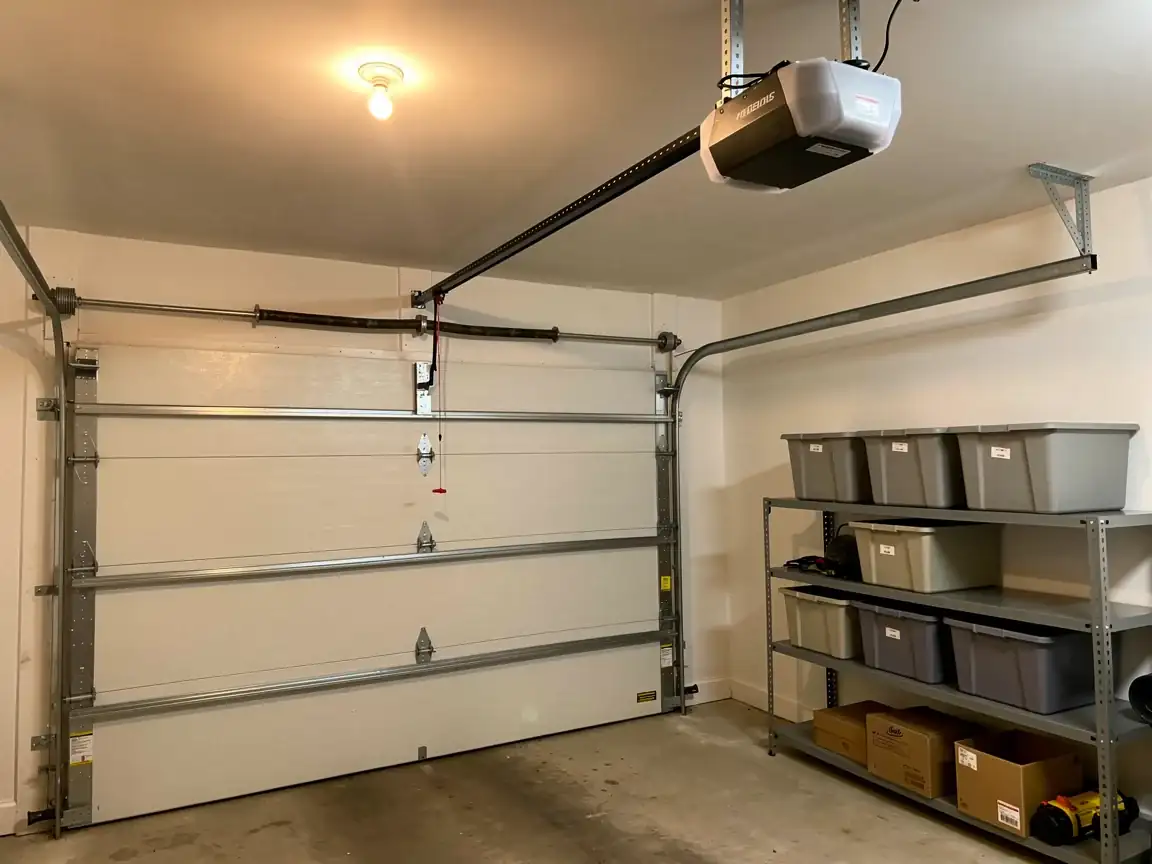
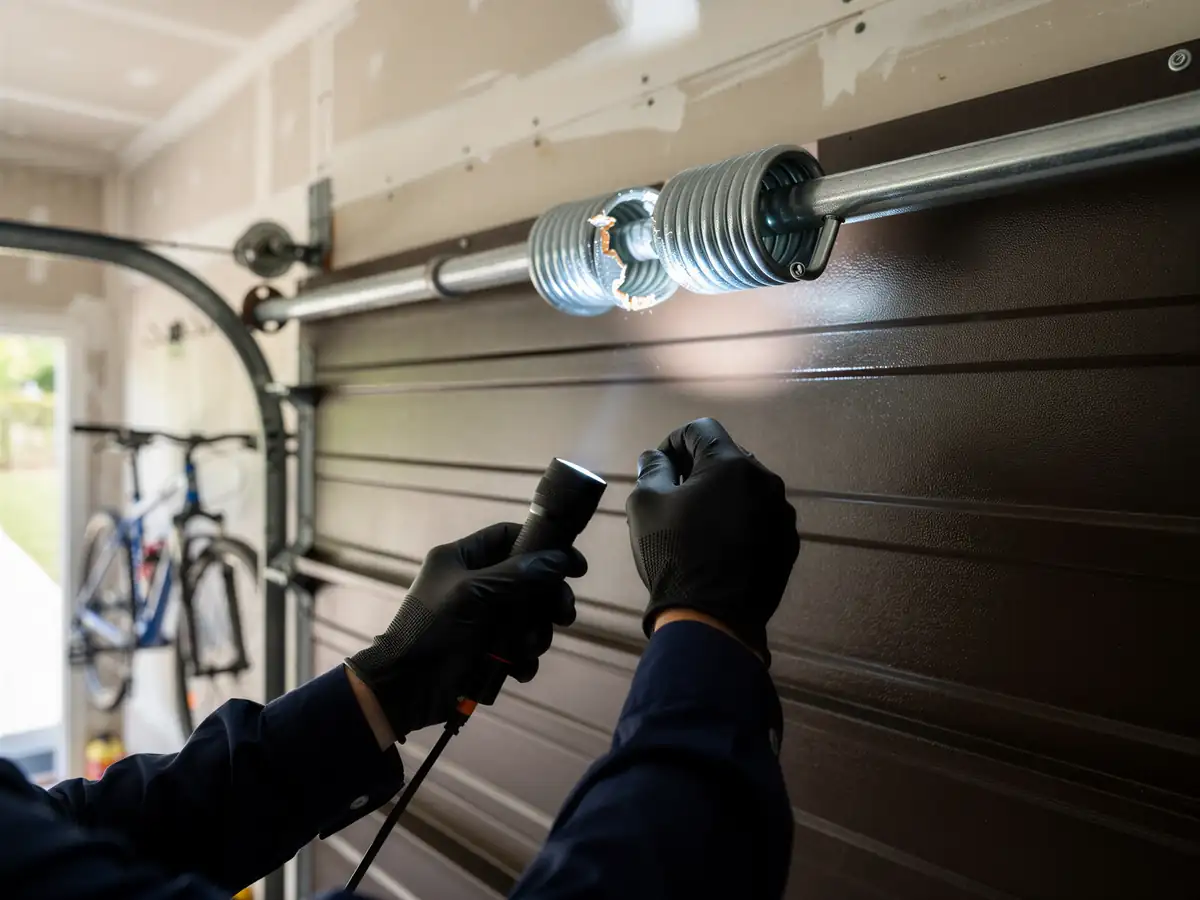
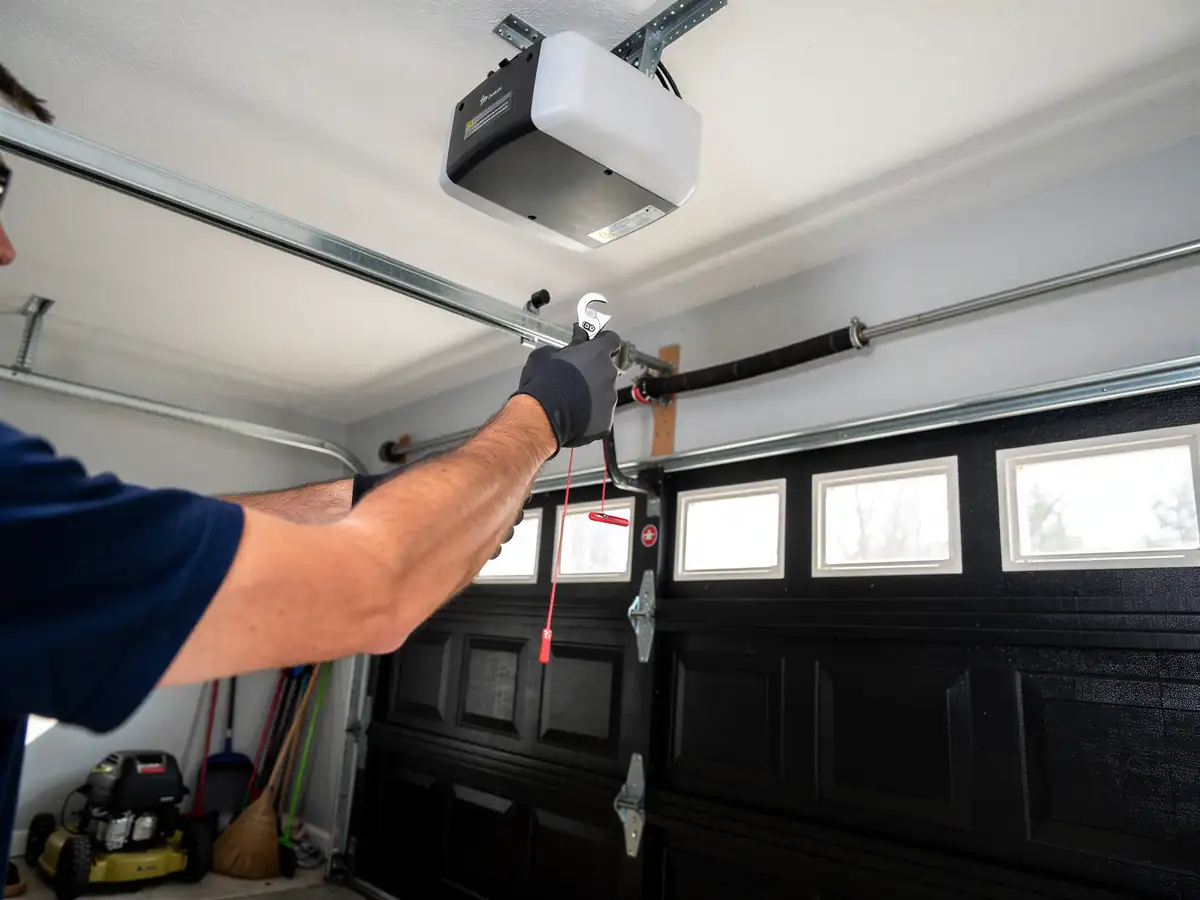
Lomita's houses were mostly built around 1964, and that one number shapes almost every opener call we get here. Doors from that period are standard single or double sizes on steel track with a bracket pattern that hasn't changed much, but the openers bolted to them have. We carry belt-drive units for the bedrooms-over-garage layouts common on these lots, where chain noise actually matters, and chain-drive units for detached garages where quiet isn't the priority. Both come with the photo-eye safety sensors that houses this age almost never had when they were first built - garage door openers weren't required to have them until federal rules changed in 1993, well after most of Lomita's housing stock went up.
We stock standard trolley and rail kits sized for the 7-foot and 16x7 door openings that match this era's construction. What we don't stock is anything custom - if a door was modified from its original opening or a past owner swapped in a nonstandard track, we order that bracket before we start, and that can add a day or two. We'd rather tell you that up front than show up without the part.
What Causes It Around Here
The fault we see most in Lomita isn't a broken opener
It's an old one that still runs, which is almost worse. A house built in 1964 has had decades for an opener to get replaced once, maybe twice, and a lot of what we find is a unit from the 80s or 90s with a chain that's stretched, a gear set that's half-plastic dust, and no safety reversal sensors at all. That last part isn't cosmetic. It's the difference between an opener that stops when something's under the door and one that doesn't.
The area's mild temperate climate means we're not fighting the freeze-thaw cracking or extreme heat warping that pushes openers to fail elsewhere
The strain here is almost entirely age and duty cycle, not weather. With 7,506 households in Lomita, most on that same mid-century build timeline, the pattern repeats: original bracket, original header clearance, three generations of openers bolted into the same holes.
- 7,506 households
The Cost of This Job
We don't have a posted price list for opener installs in Lomita, and we're not going to make one up here. What we can tell you is what drives the number: whether the existing bracket and rail fit a new unit without modification, whether the header has enough clearance for a standard opener or needs a low-headroom model, and whether we're replacing sensors and wiring along with the motor or just the motor itself.
Houses built around 1964 usually need less structural adjustment than you'd think - the openings are standard and the framing is sound - but if a previous owner changed the door size or added insulation that eats into headroom, that's extra labor. We'll look at the specific install before we quote anything, not after.
How to Book
We run this job out of Redondo Beach, about 6 miles from Lomita, so a technician comes to you rather than you coming to a shop. Check the Lomita area page for how we cover this part of the service area, or if you're comparing this against a full opener job description, the Redondo Beach opener installation page covers the service itself in more detail.
For booking, tell us the age of your current opener if you know it and whether the door has ever been resized. That alone tells us most of what we need before we even see the garage.
What the Repair Takes
A straight swap - same bracket, same rail length, same door size
Usually runs under two hours once we're on site: old unit down, new rail and trolley up, sensors wired and aligned, travel limits set, and a run-through on the wall control and any remote. Lomita's 1964-median housing stock makes this the common case, since the openings haven't typically been altered.
Where it runs longer is header clearance
Some of these garages were framed tight to the opening with little room above the door track, and a standard chain or belt unit won't clear it. In that case we're installing a low-headroom kit, which takes more time to mount and adjust. We won't know which case you're in until we're standing in the garage, so we check that first before quoting a time.
Where This Job Goes Sideways
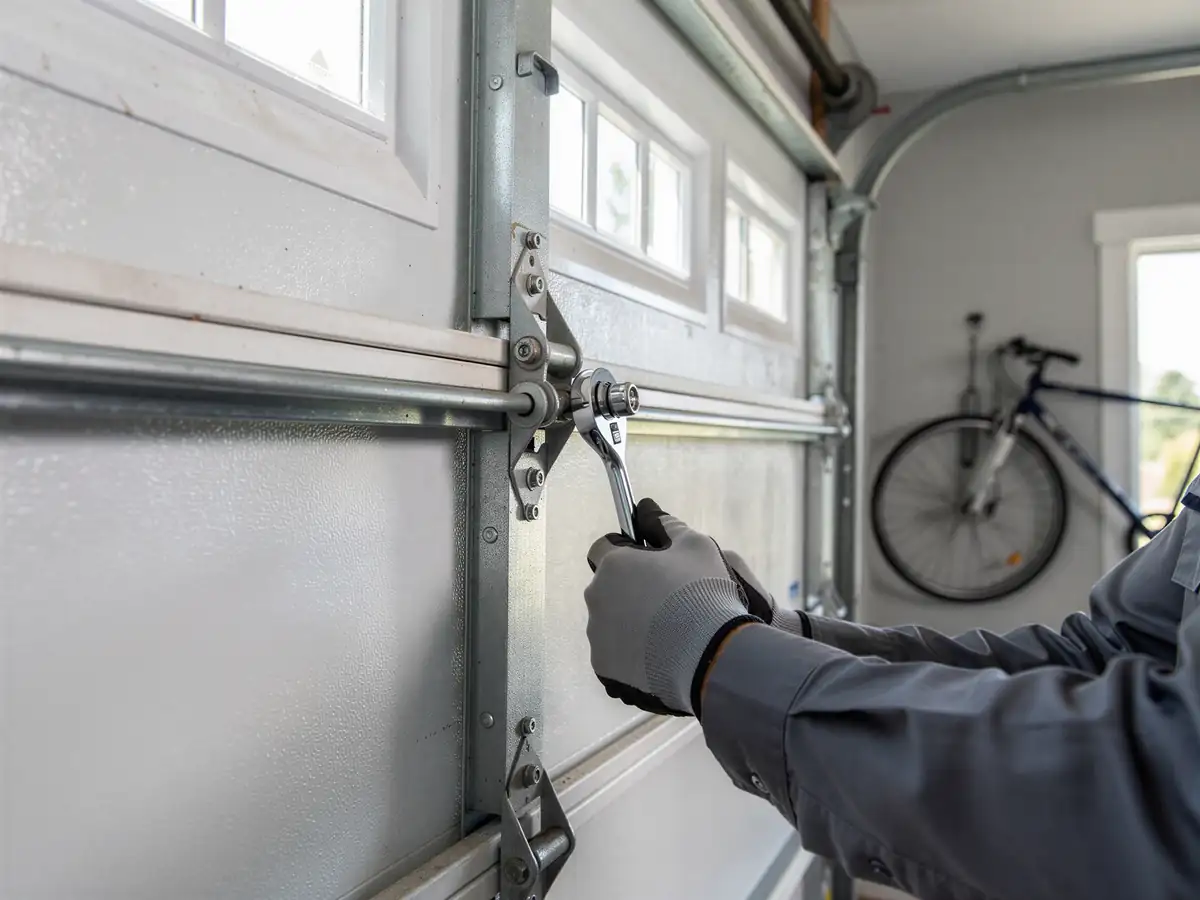
The most common surprise in this area is a bracket pattern that doesn't match what the new opener expects, usually because a door panel or track was replaced at some point without updating the header hardware. We can almost always adapt it, but it adds labor we didn't plan for at the estimate stage.
The other one is wiring. Houses from the 1964 era were not built with a dedicated outlet near the garage ceiling, and some still don't have one. If there's no power where the opener needs to sit, that's an electrical job, not a garage door job, and it's outside what we do - you'd need an electrician to run that circuit before we can finish the install. We'll flag it the moment we see it rather than leave you with a motor and no way to plug it in.