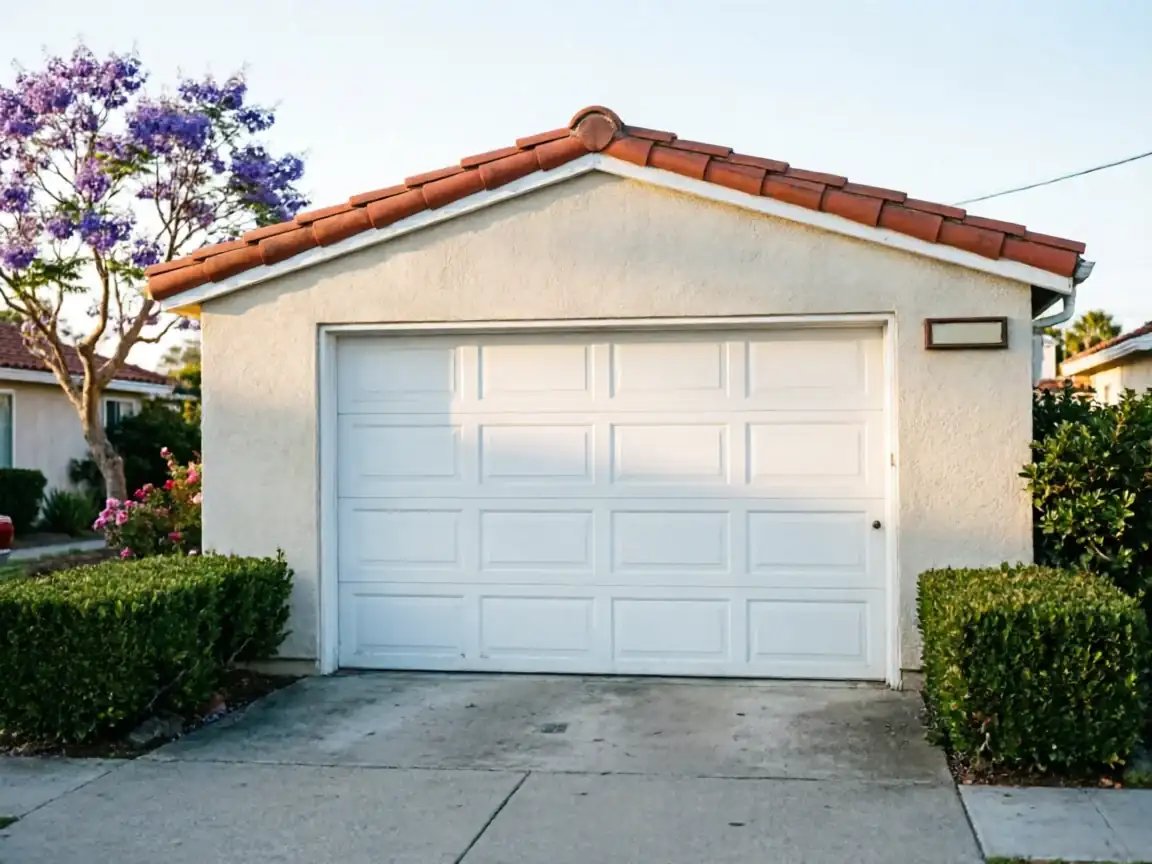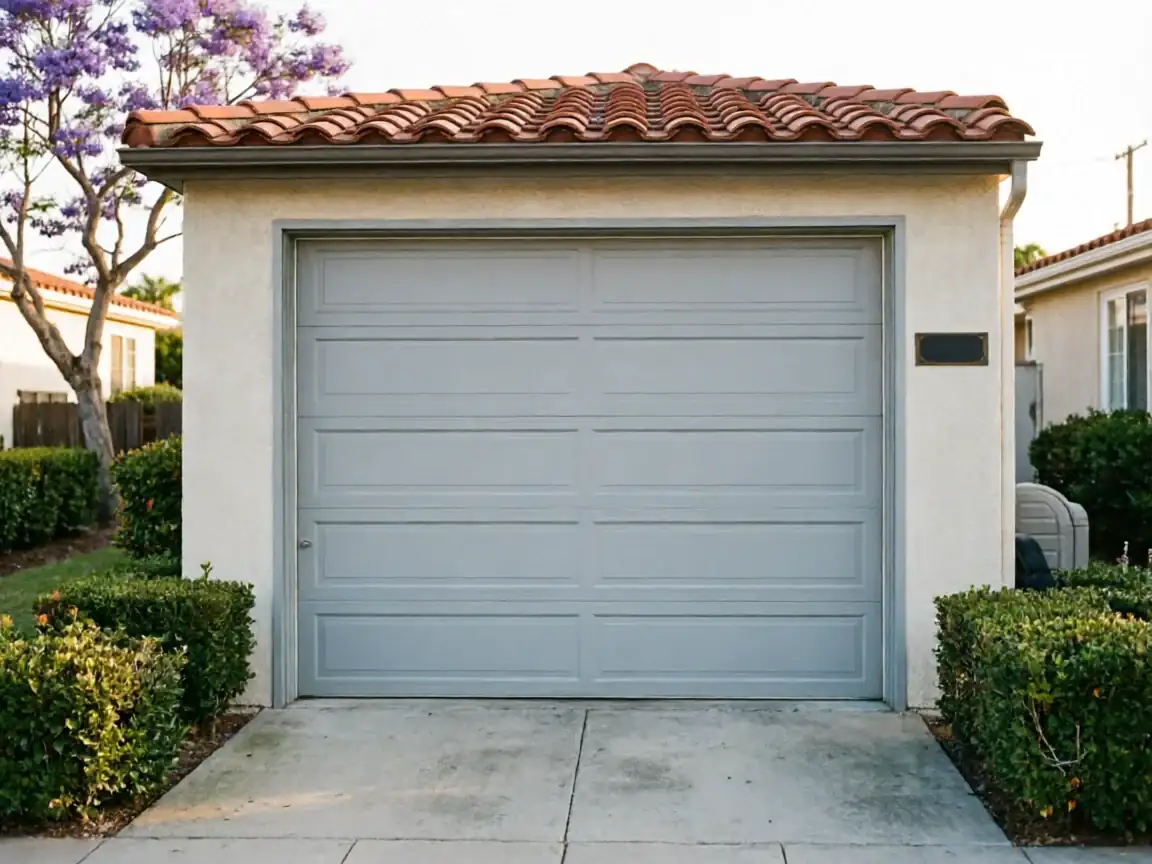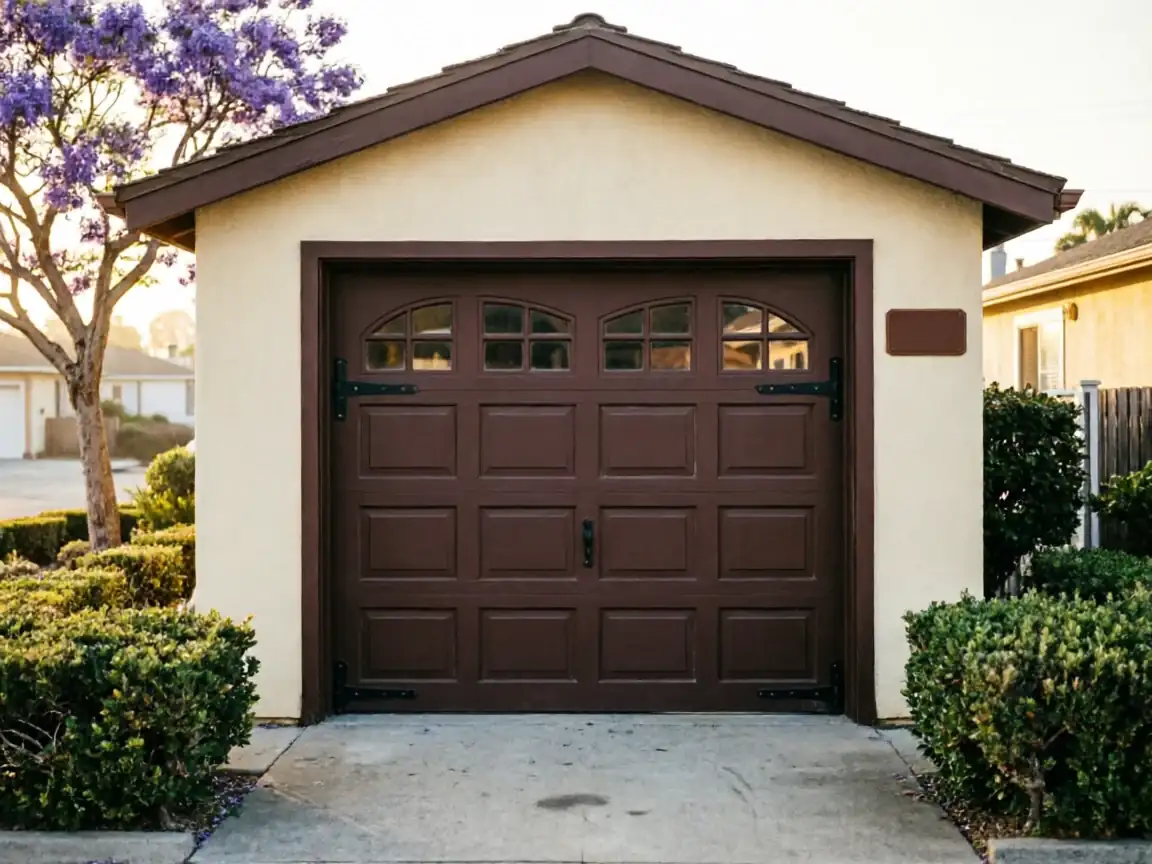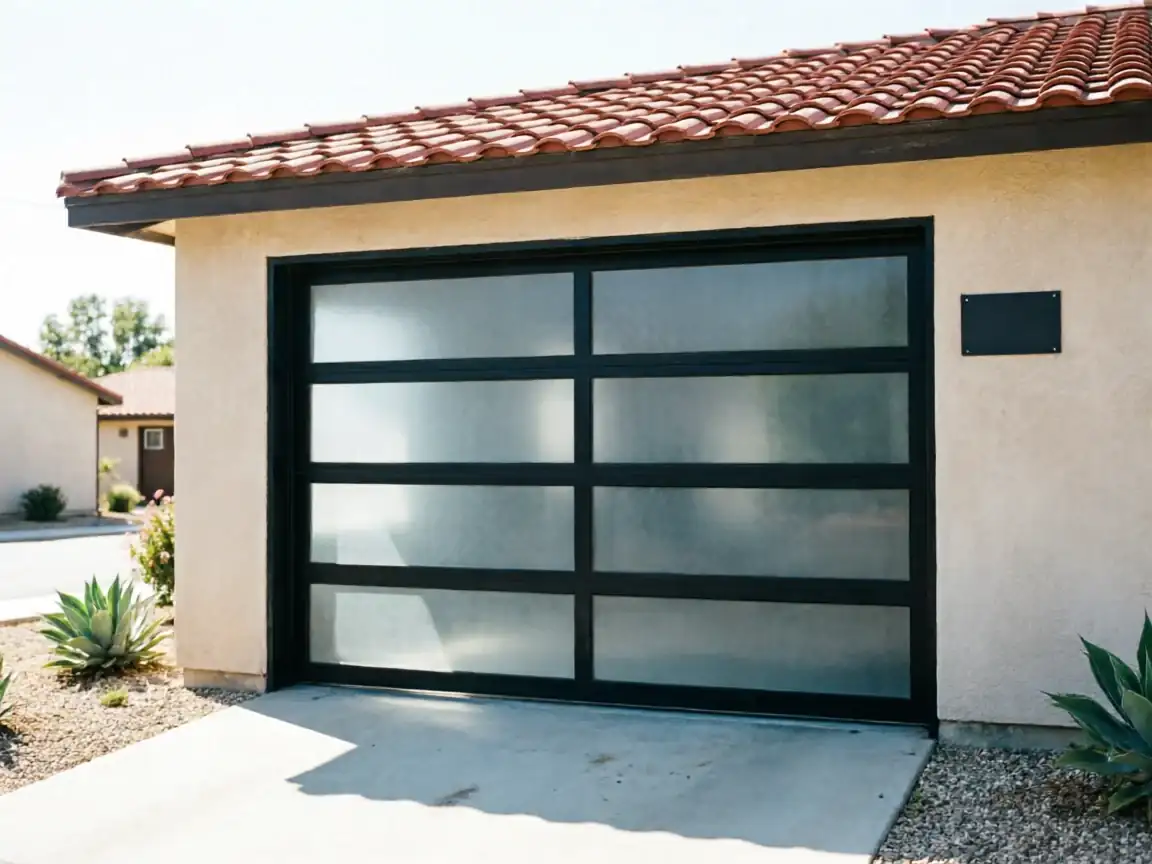
Parts We Carry
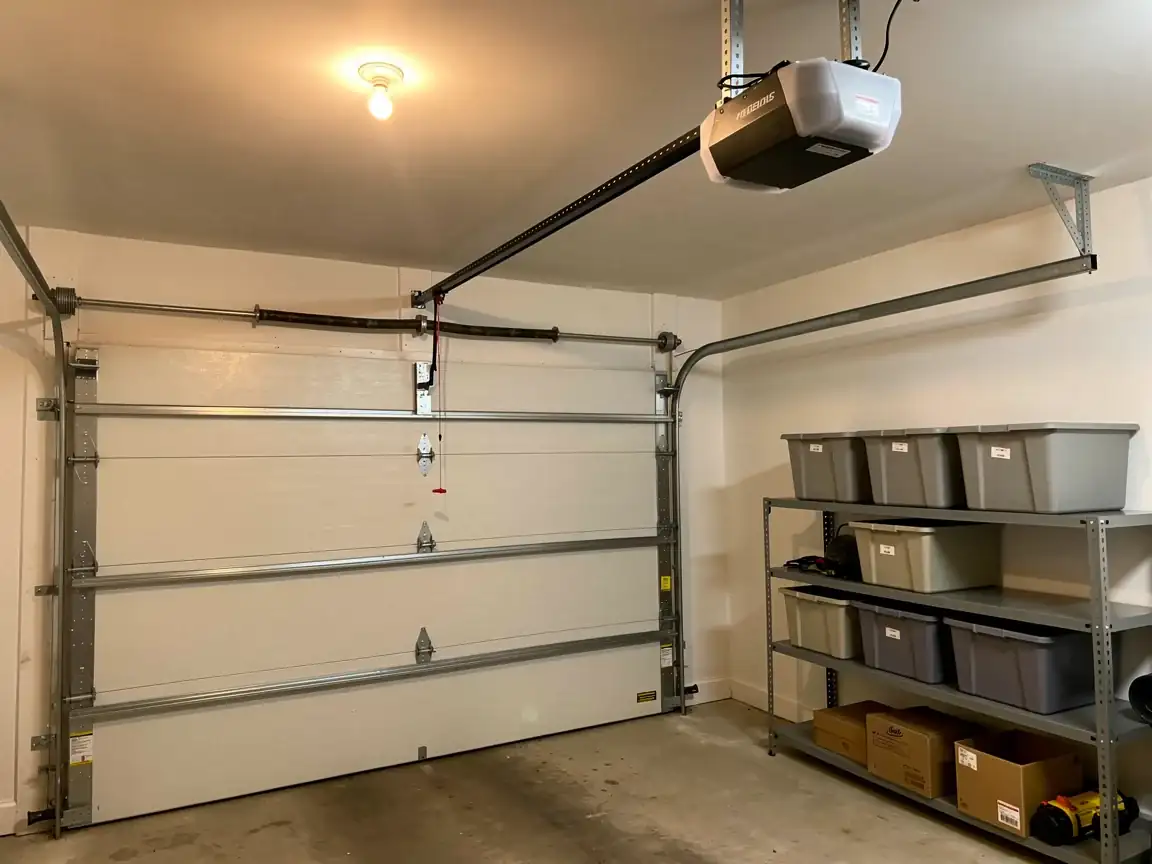
Lomita's homes went up mostly in the early-to-mid 1960s, and the garage doors that came with them were built to the standard of that era: steel sectional panels on torsion springs sized for lighter doors, and extension-spring setups on some of the older single-car garages that predate even that. By the time most of this stock went in, direct-drive chain openers were the default, often the original unit still bolted to the ceiling.
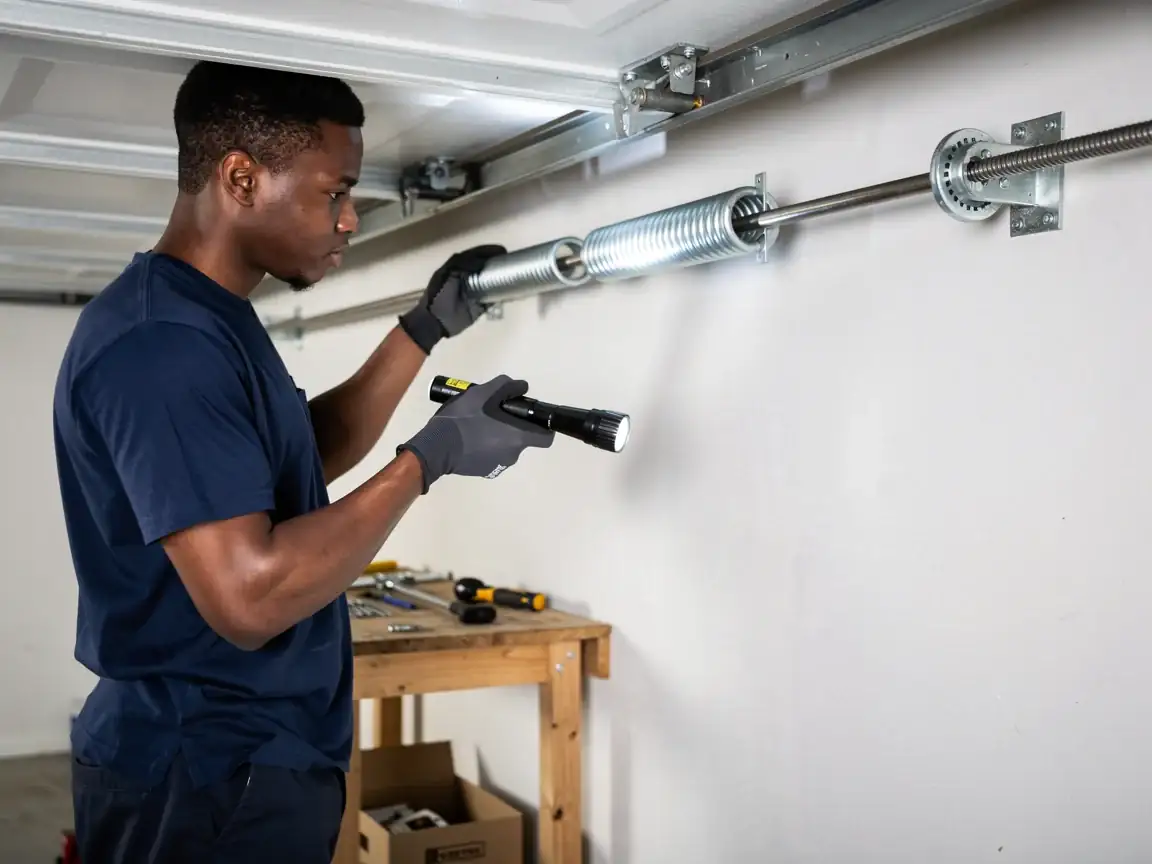
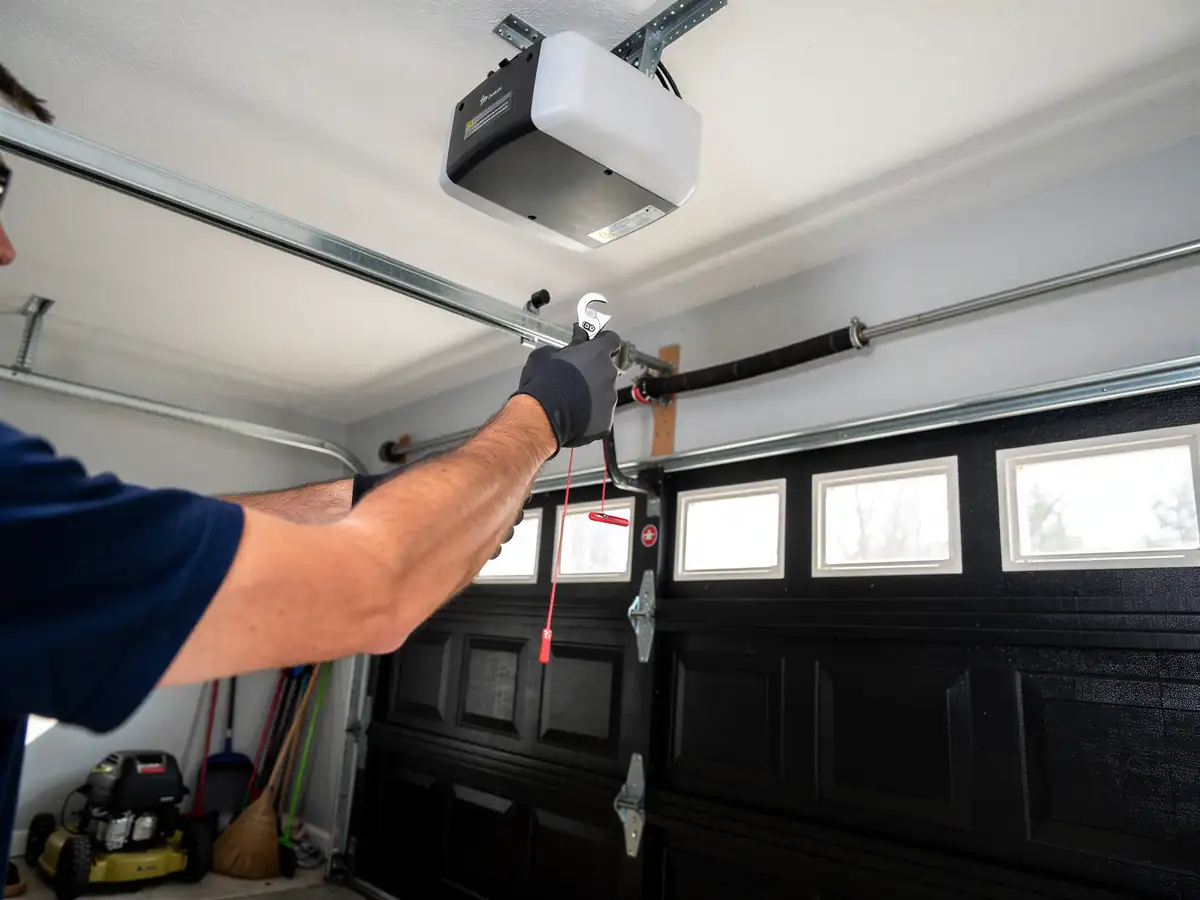
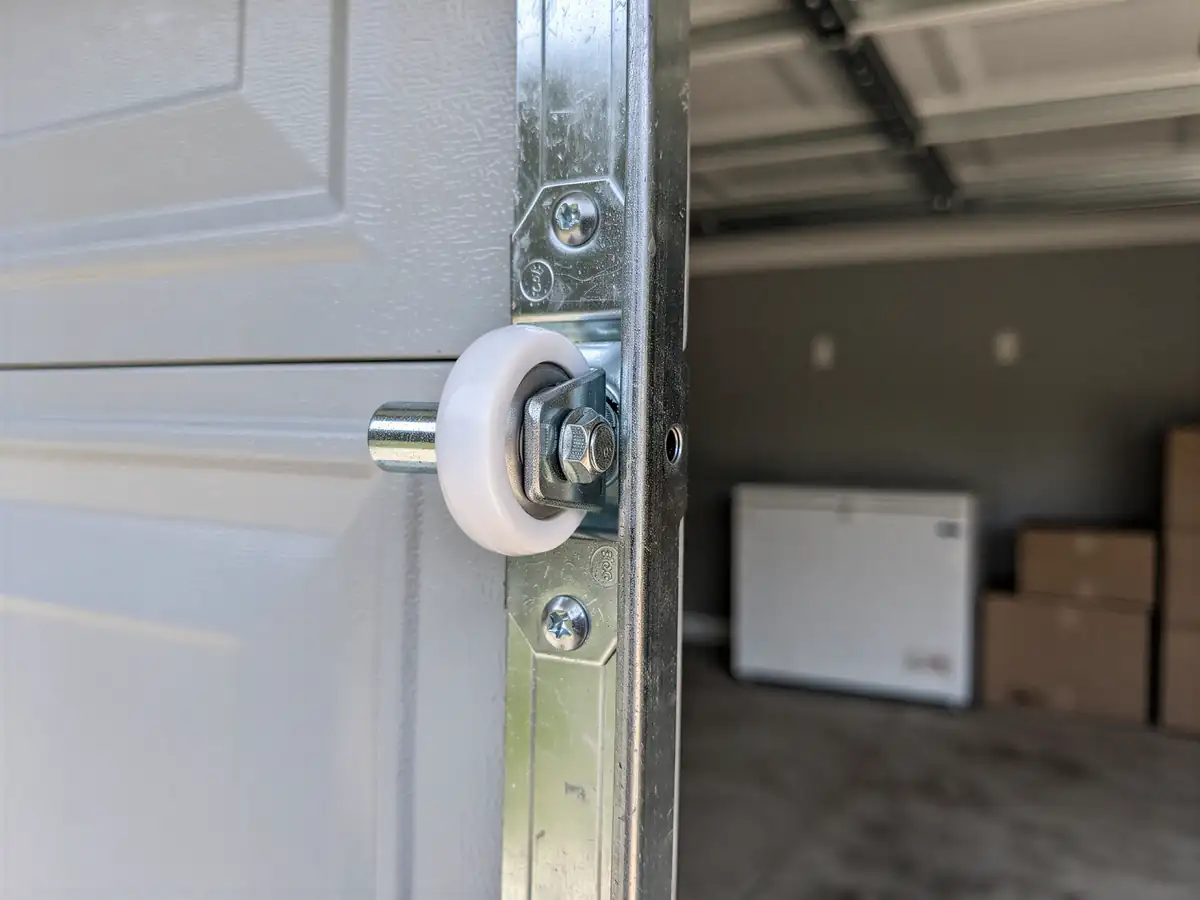
We carry torsion springs in the wind and wire sizes that show up on doors from this build window, along with the extension spring hardware that an older single garage sometimes still runs. Rollers, end bearing plates, and cable drums that match 1960s track spacing are on the truck, not back-ordered. Openers are a different story: if the logic board on a 20-plus-year-old chain drive dies, we'll tell you straight whether a replacement board exists or whether the unit is done.
We don't stock every obsolete track bracket ever made. If a door has been modified more than once over sixty years, we bring what fits the common cases first and go from there on site.
What Causes It Around Here
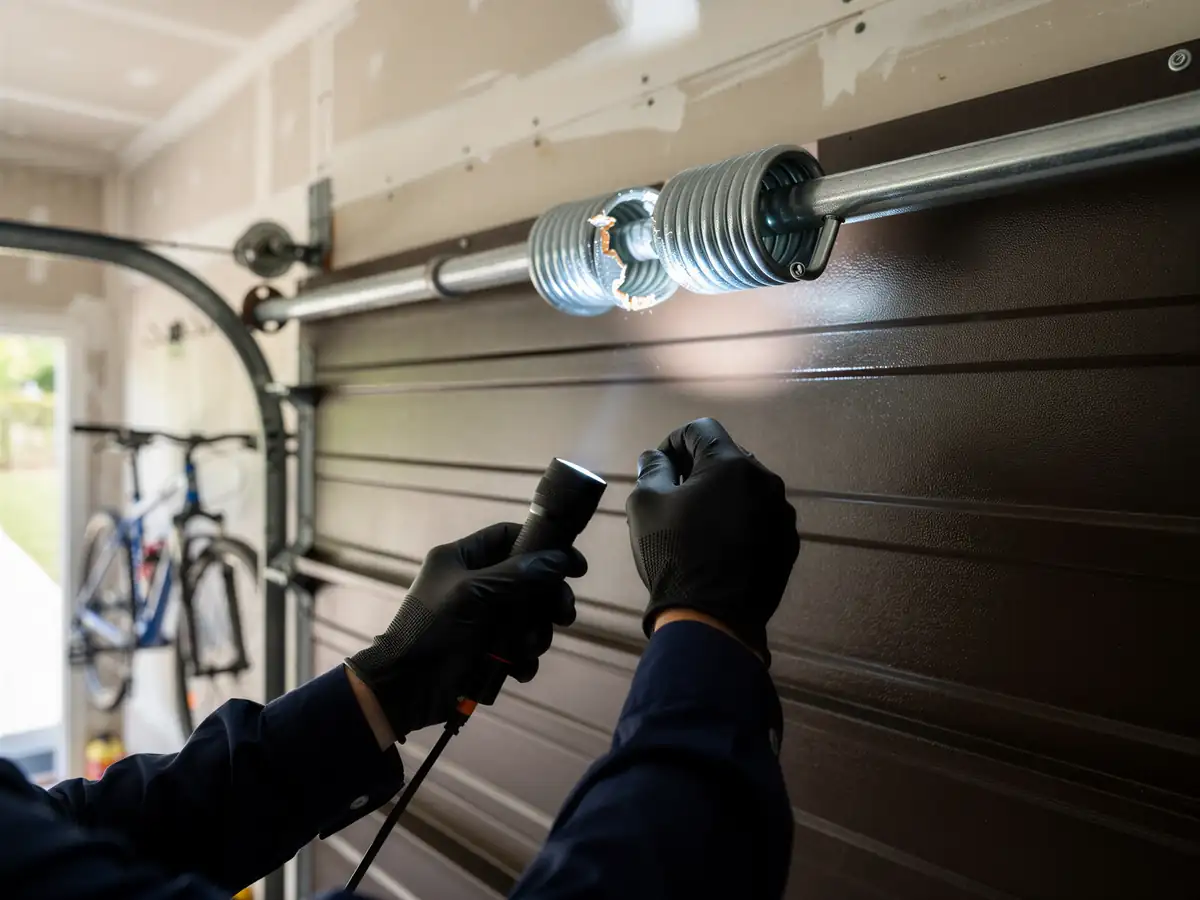
With a median build year of 1964, most garage doors in Lomita are on their second or third torsion spring by now
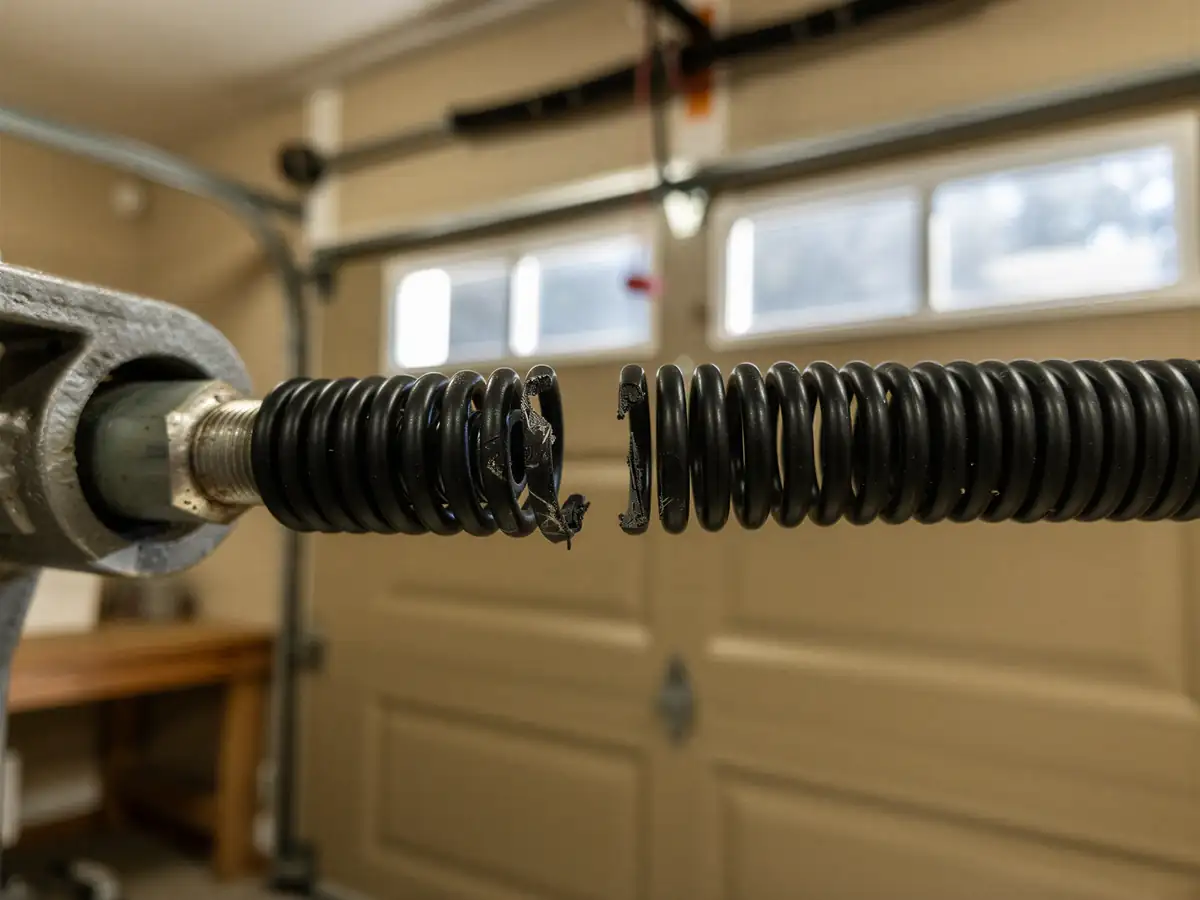
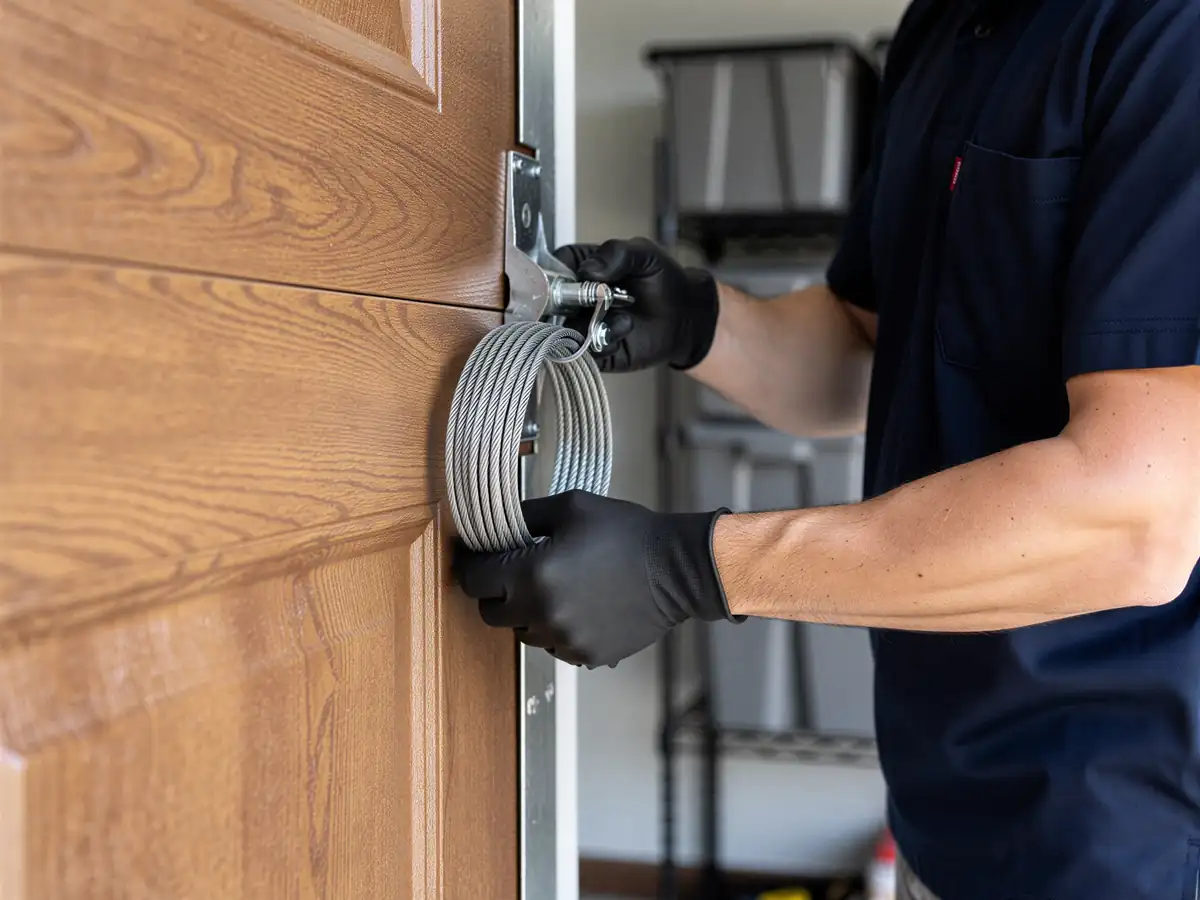
And plenty of openers are original or close to it. The mild coastal climate here doesn't put doors through the swings that cause steel to crack or wood to warp the way inland heat or hard freeze would, so the failures we see are mechanical fatigue, not weather damage: a torsion spring that's cycled tens of thousands of times finally lets go, a cable frays at the drum, or a roller wears its track groove wide enough to jump.
The other common call is the opener itself outliving its logic board
A chain drive installed when the house was still under its first owner has had three or four decades of use; the gears and capacitor inside don't last that long even if the door itself is sound. We also see a fair number of garages where the door was replaced once in the last twenty years but the original torsion hardware stayed, which means spring and drum sizing that doesn't quite match a newer, heavier panel.
The Cost of This Job
We don't publish a flat number for Lomita because torsion spring jobs price by wind and wire size, cable and drum work prices by what's actually worn versus what's just loose, and opener repair depends on whether the board is replaceable or the whole head needs swapping. What we can tell you is that a household here, with the area's median income of $92,920, is typically deciding between a repair that gets another decade out of original hardware and a full door replacement - and on a door this age, repair is usually the right call unless the panels themselves are rusted or the track is bent.
We quote on site, after we've seen the spring size, the drum condition, and whether the opener logic board is still available. No guessing over the phone on a door we haven't looked at.
How to Book
We're based in Redondo Beach and run the 6-mile stretch out to Lomita as a standard call, not a special trip. Call or book through the site, tell us what the door is doing - won't open, opener clicks but nothing moves, spring looks snapped - and we'll get a truck out. We travel to Lomita for this work; there's no local branch or drop box, just a crew that comes from Redondo Beach.
Have the door's age or any past repair work handy if you know it. It saves time on site and helps us bring the right spring size the first trip instead of a second one.
What the Repair Takes
A torsion spring swap on a door this age is usually a single visit
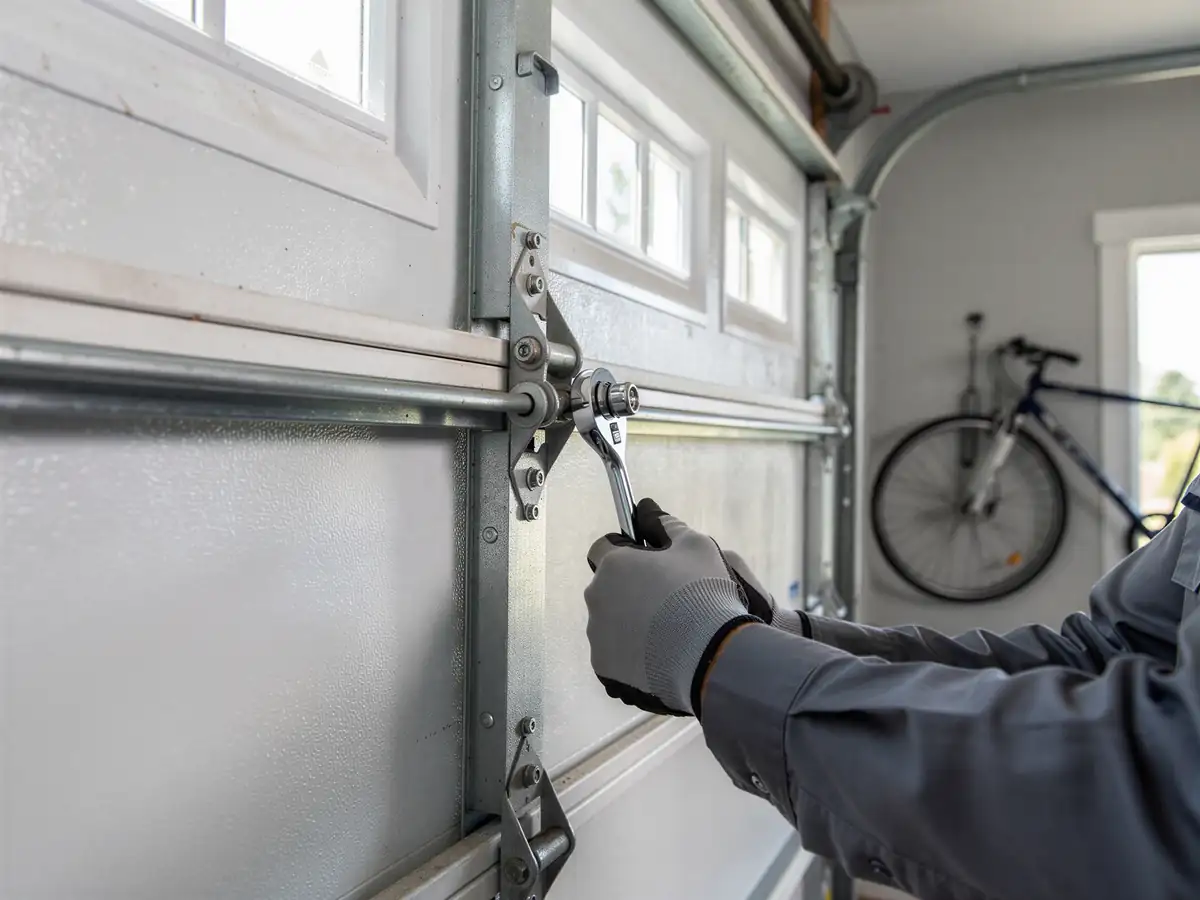
We measure the existing spring, match wind and wire size, replace cables and rollers if they're worn past safe use, and balance the door before we leave. Extension spring setups on the older single garages take about the same time, just different hardware.
Opener work splits two ways
If the issue is a sensor out of alignment or a worn drive gear, that's a same-visit fix. If the logic board on an original chain drive has failed and no replacement board exists for that model, we'll say so on site rather than chase parts that aren't made anymore - that's the point where replacing the opener outright makes more sense than repairing it.
Where This Job Goes Sideways
The job gets harder when a door's torsion spring was already replaced once with the wrong size - we see this on houses that changed hands over the sixty years since 1964, where a prior repair used whatever spring was on the truck that day instead of matching the door's actual weight. That mismatch shows up as a door that's hard to lift by hand or one that slams down fast, and fixing it means re-measuring from scratch rather than just swapping like for like.
The other sideways spot is a cracked panel on an original steel door. The springs and track can be perfectly serviceable, but if the panel itself has rusted through at a seam - which happens eventually even in this climate, just slower than it would inland - no spring adjustment fixes that, and we'll tell you it's a panel or door replacement conversation, not a repair one.