How to Book
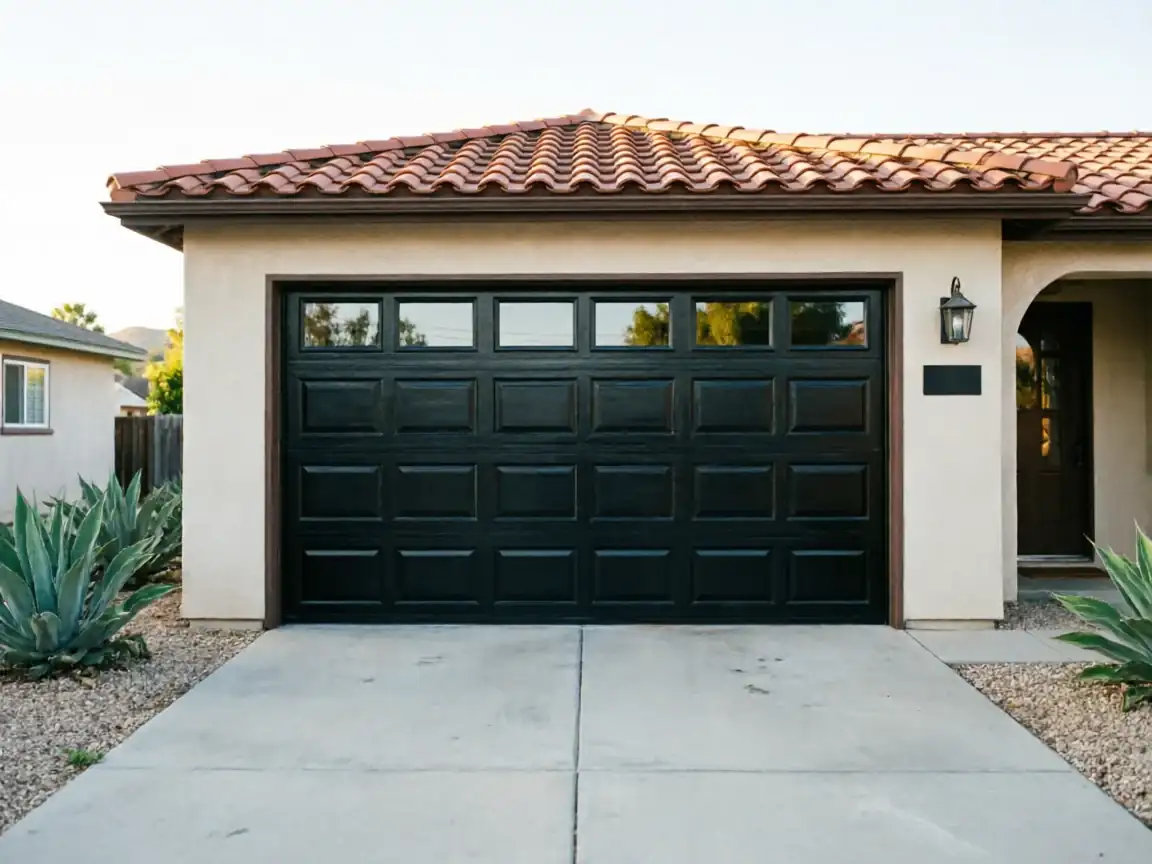
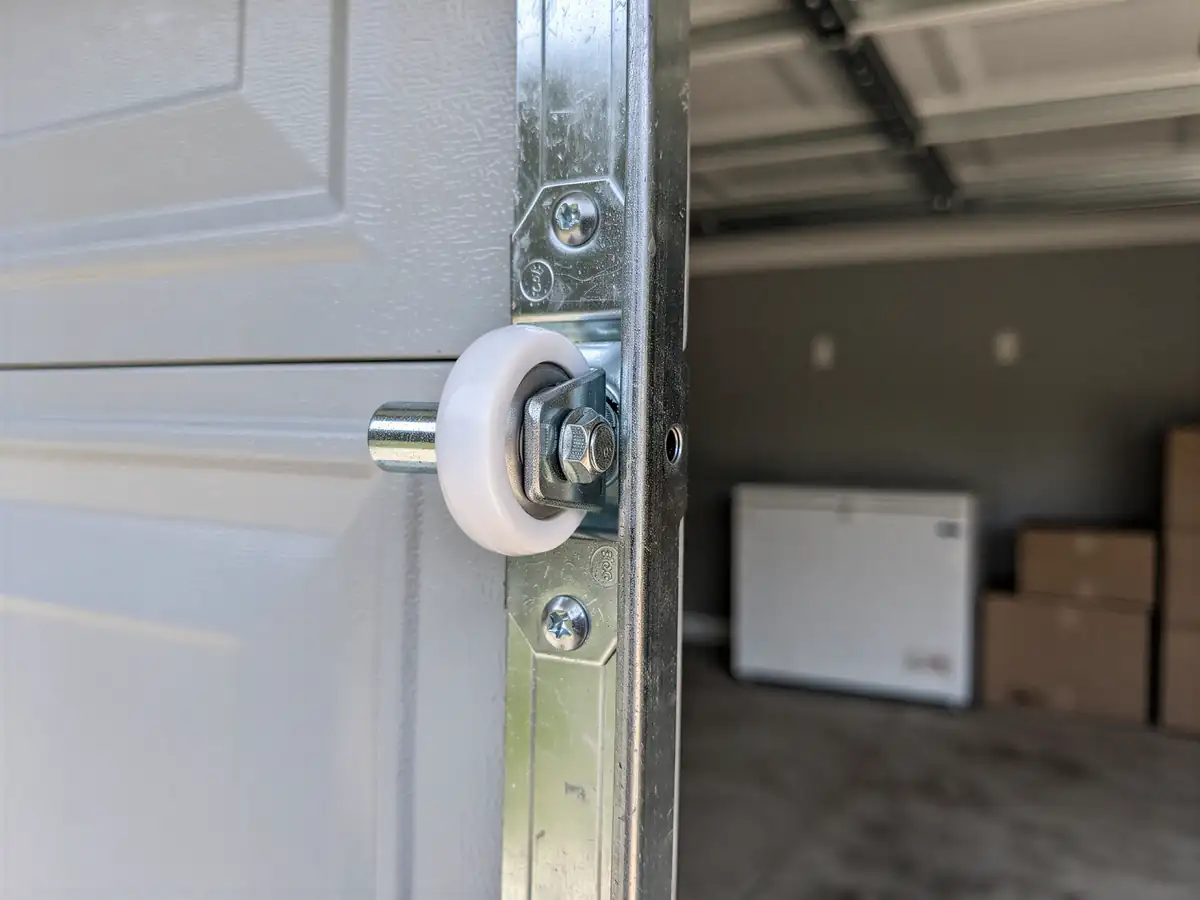
Lawndale sits about 4 miles from our Redondo Beach shop, and most of the houses we get called to here went up around 1965, smack in the middle of the 1960s-70s building wave that shaped this whole stretch of the South Bay. That build year matters for rollers specifically: doors from that run shipped with plain steel rollers riding directly on steel track, no bearing, no nylon sleeve. Steel on steel wears the track lip faster and gets loud years before it fails outright.
When you call, tell us the door's approximate age if you know it, or just describe the sound - a grinding or clunking roller sounds different from a bad spring or a bent track, and that helps us bring the right rollers on the first trip instead of a second one. We quote the job from a photo or a short call; we don't need to walk the house first for a straight roller swap.
We book the drive out from Redondo Beach same as we do for any stop in this part of the service area - see the full roller replacement writeup for that shop at the link below if you want the general rundown of options and materials before you call.
How It Shows Up
On a door built in the mid-1960s, roller failure usually announces itself as noise before it shows up as a stuck door
The steel-on-steel original hardware grinds a visible groove into the track over time, and once that groove gets deep enough, the roller starts jumping instead of rolling - you'll hear a rhythmic clunk every few feet as the door travels.
Lawndale's climate is mild temperate
So you're not dealing with the freeze-thaw cracking or the rust-through that steel rollers get in colder, wetter regions. Here the wear is almost purely mechanical - cycle count and age, not weather. That's actually good news: when a roller fails in this area it's almost always the roller itself, not a track that's rusted and bent out of shape. We still check the track for wear from the old hardware, but we're not fighting corrosion on top of it.
How Long It Takes
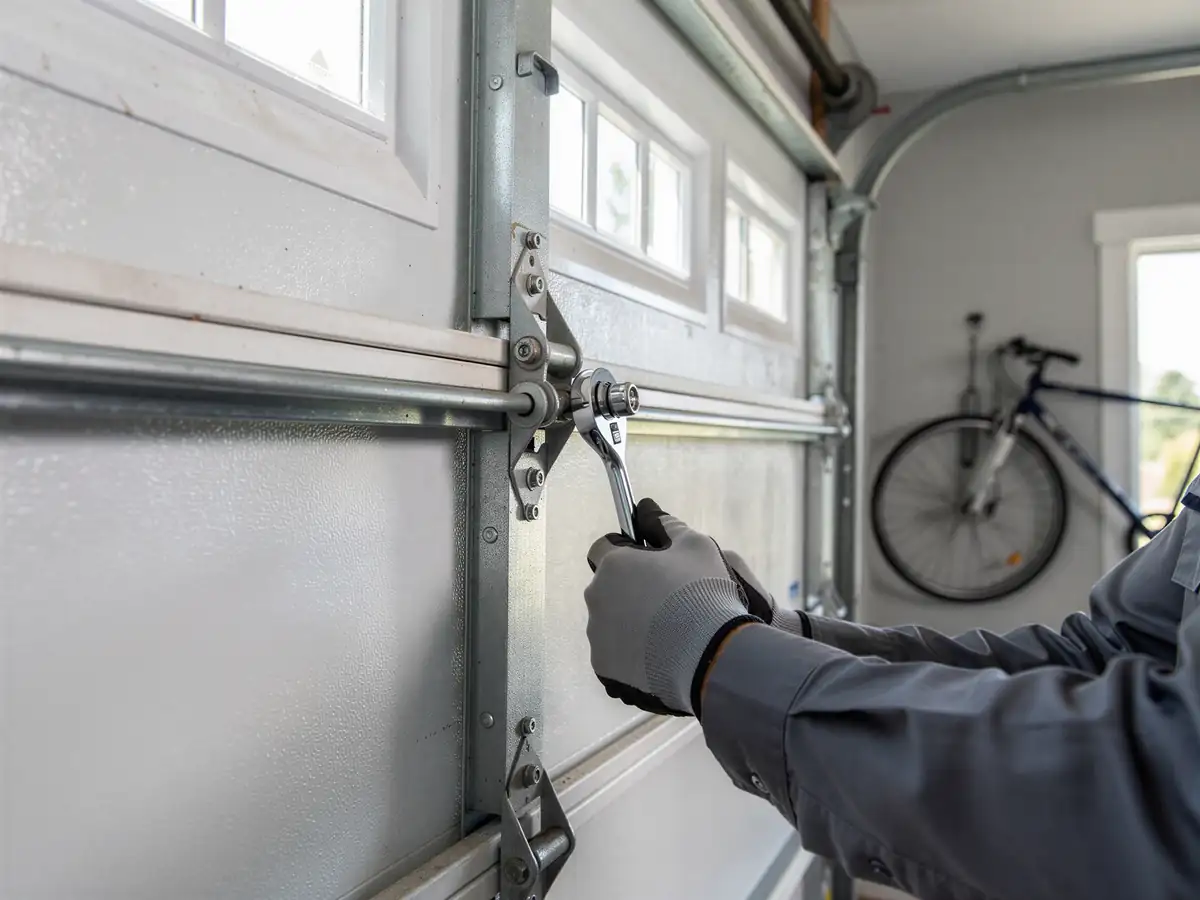
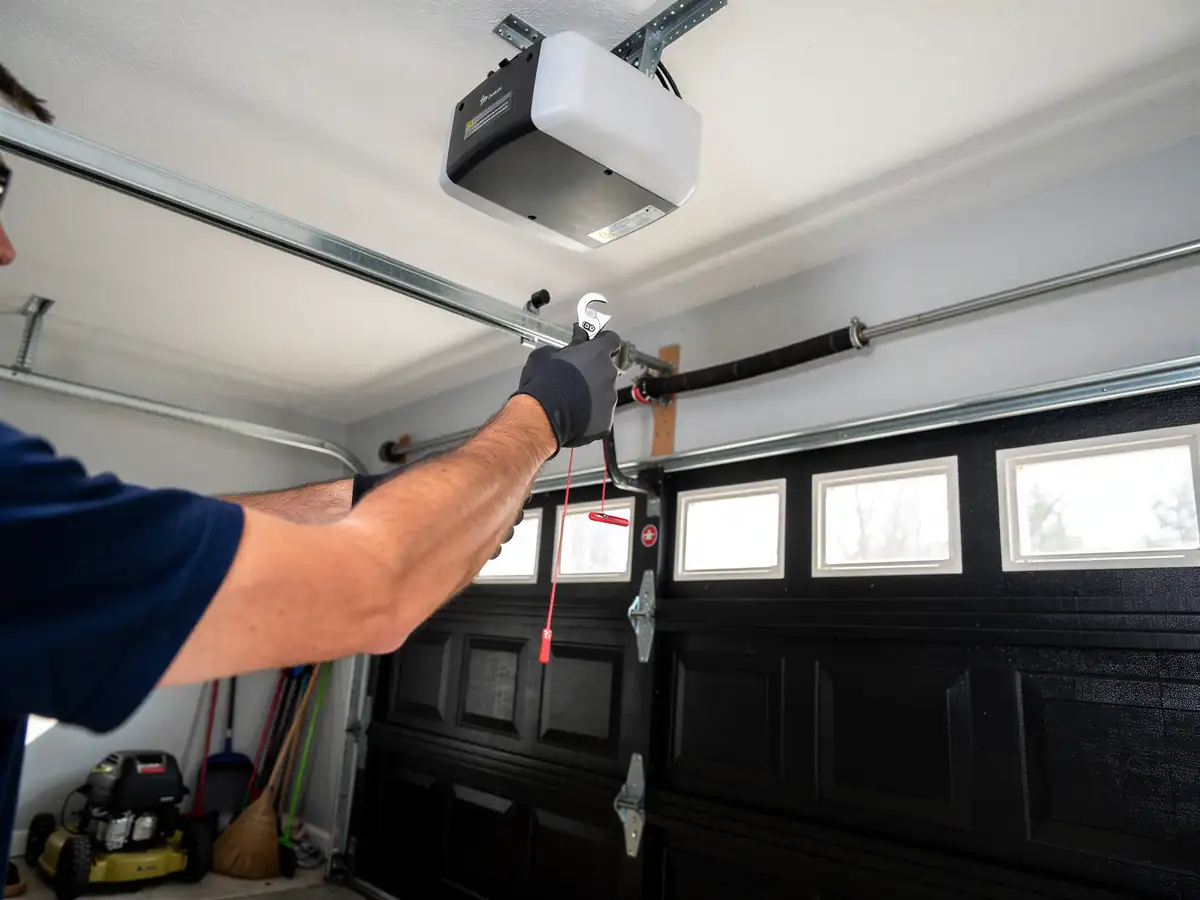
A straight roller swap on a door with no other issues - replacing all ten or so rollers on a double door - usually runs under two hours once we're on site. Steel track from the 1965-era build doesn't need to come off the wall, so this isn't a track-replacement job; it's hardware off, hardware on, and a balance check.
Where it runs longer is when the original steel rollers have been grinding on the track long enough to groove or bend the rail itself. On houses from this build year that haven't had any hardware work done since new, that's a real possibility - 60 years of the same steel rollers on the same track adds up. If the track's damaged, we're not just swapping rollers anymore; we're pricing in a track section, and that's a longer visit.
Where This Job Goes Sideways
The honest limitation here: if you've got a door from this era that's never had the rollers touched, don't be surprised if we find more than just worn rollers. Steel rollers running for decades on original hardware often take the bottom brackets and the track fasteners with them - the brackets loosen, the lag screws strip the jamb wood behind them. A roller swap on a door in that state turns into a bracket and fastener job too, and we'll tell you that before we start, not after.
We also won't push nylon rollers onto a track that's already grooved deep from the original steel ones - the new roller just rides the same bad groove and wears unevenly. In that case the track needs attention first, or the new rollers won't outlast the old ones by much. If your door's newer than the mid-60s wave and already has nylon or sealed-bearing rollers, this job is usually simpler and faster - worth mentioning on the call. For the broader rundown of roller materials and what we stock, see the main roller replacement page for our Redondo Beach shop, linked below.